
現代のエレクトロニクスにおける汚染管理の必須性
半導体製造、医療機器、先進光学機器の微小な世界では、肉眼では見えない単一の塵の粒子の存在が、製品を完全に役立たなくする可能性があります。電子部品がナノスケールの寸法に縮小し、ますます敏感になるにつれて、それらが製造される環境は、軍事的精度で管理されなければなりません。ここで重要となるのが、 電子クリーンルーム成形 これは、交渉の余地のない重要な分野として浮上します。それは単にクリーンルームでの製造ではなく、特殊な成形プロセス、材料科学、施設設計の相乗的統合であり、粒子状、イオン状、または分子状の汚染に対してゼロトレランスの部品を生産することです。.
電子クリーンルーム成形とは、特定のISO清浄度分類を満たす管理された環境内でのプラスチックおよびエラストマー部品の射出成形、圧縮成形、またはトランスファー成形を指します。浮遊粒子、湿気、およびアウトガスを許容する標準的な射出成形とは異なり、クリーンルーム成形は全体論的なアプローチを要求します。樹脂ペレットから金型鋼、ロボットハンドリング装置からオペレーターのガウンに至るまで、すべての要素が汚染を防ぐために審査されなければなりません。目標は寸法精度だけでなく、 化学的および物理的純度, これにより、最終部品が、保護または収容する敏感な電子アセンブリに欠陥を持ち込まないことが保証されます。.
このガイドは、この専門的な製造ニッチの複雑さを乗り越えようとするエンジニア、品質管理者、調達スペシャリストのための包括的なマニュアルとして役立ちます。方法論を分析し、材料の制約を探り、運用プロトコルを概説し、クリーンルーム環境での精密成形が電子サプライチェーンにもたらす変革的な利点を強調します。.
ISOクラス分類と気流力学の理解
プラスチックが1ショットでも射出される前に、製造環境は厳格な国際規格を満たすように設計されなければなりません。主要な枠組みは ISO 14644-1, によって定義され、これは空気1立方メートルあたりに許容される粒子の数とサイズに基づいてクリーンルームを分類します。電子成形の場合、最も一般的な分類は ISOクラス7 (旧クラス10,000)と ISOクラス8 (旧クラス100,000)ですが、高度なマイクロエレクトロニクスは重要なゾーンでISOクラス5以上をますます要求しています。.
層流気流と陽圧の役割
クリーンルーム成形施設の物理的レイアウトは、一方向気流の原理に基づいて設計されています。高効率粒子状物質(HEPA)および超低浸透エア(ULPA)フィルターが天井に戦略的に配置され、清浄な空気を層流の非乱流の流れで下方に押し出します。この気流は目に見えないコンベヤーベルトとして機能し、成形機の可動部品やオペレーターによって発生する粒子をすべて掃き去ります。さらに、クリーンルームは隣接する非クリーンエリアに対して 陽圧 に保たれます。これにより、ドアが開かれたときに空気が外側に流れ、ろ過されていない外部空気が急に流入して環境を損なうことを防ぎます。成形機自体は、多くの場合、専用のろ過システムを備えた二次的なミニ環境または「トンネル」に封入され、金型キャビティ周囲にクリーンイン・クリーンアウト(CICO)ゾーンを形成します。.
材料搬送および乾燥システム
汚染は空気だけから来るわけではありません。原材料に由来します。標準的なポリマーペレットは吸湿性があり、大気中の水分やほこりを引き寄せる静電気を吸収します。電子クリーンルーム成形セットアップでは、樹脂は単にホッパーに投入されるわけではありません。代わりに、周囲の空気への曝露を防ぐ クローズドループ真空搬送システム を通じて移送されます。その後、材料は露点-40°C以下のデシカント乾燥機を使用して乾燥されます。これは、残留水分がポリマー鎖の加水分解を引き起こし、部品表面のガス放出や「スプレイ」を引き起こす可能性があるため重要です。これは光学部品や電気部品にとって壊滅的な欠陥です。乾燥プロセスに続いて、バレル内の溶融物のろ過が行われ、特殊なノズルフィルターを使用して、分解または「焼けた」樹脂粒子が金型に入る前に捕捉します。.
材料選定:純度の化学
すべてのプラスチックがクリーンルーム成形に適しているわけではありません。材料は、電子用途の厳しい要求に適合する固有の特性を持っている必要があります。最も重要なパラメータは 低ガス放出, であり、ASTM E595で測定されます。ガス放出とは、熱や真空にさらされたときにポリマーから揮発性化合物が放出されることを指します。密閉された電子アセンブリでは、これらの揮発性物質が光学レンズに凝縮したり、金属接点を腐食させたりする可能性があります。.
一般的に使用される材料には、液晶ポリマー(LCP)、ポリフェニレンスルフィド(PPS)、高温ナイロン(PPA)などがあります。これらの材料は、優れた寸法安定性と本質的に低いイオン汚染を提供します。エラストマーシールやガスケットには、, 液状シリコーンゴム(LSR) がゴールドスタンダードです。LSRは、高温で硬化する2液性の低粘度システムであるためユニークです。固体シリコーンとは異なり、LSRは揮発性有機溶剤や過酸化物の添加を必要としないため、非常にクリーンです。クリーンルーム環境でのLSRの成形は、正確な計量、混合、制御された圧力下での射出の繊細なバランスであり、気泡や未反応の副生成物が残らないようにします。.
添加剤と潤滑剤の回避
標準的な成形では、部品の取り出しを容易にするために外部離型剤(スプレー式潤滑剤)が一般的です。クリーンルーム成形では、これらは厳格に禁止されています。スプレーはエアロゾル化した粒子を放出し、化学残留物を残します。代わりに、金型鋼は鏡面仕上げ(通常8マイクロインチRa以下)に研磨され、最適な抜き勾配で設計されなければなりません。ポリマー自体には内部潤滑剤が含まれる場合がありますが、これらは非移行性で非イオン性のものを慎重に選択する必要があります。着色剤の選択も重要です。重金属ベースの顔料は、部品の使用寿命中に溶出しない有機またはセラミックベースの顔料に置き換えられます。.
プロセスエンジニアリングと自動化
クリーンルーム内での成形の機械的な行為には、人的介入を最小限に抑える専用のプレス機と自動化が必要です。射出成形機自体は通常 servo-hydraulic or all-electric model. All-electric presses are preferred because they have zero hydraulic oil leakage risk and offer superior repeatability in shot size and pressure, which is essential for maintaining consistent packing of the polymer without flashing (excess material bleeding out of the mold).
Robotics and In-Process Inspection
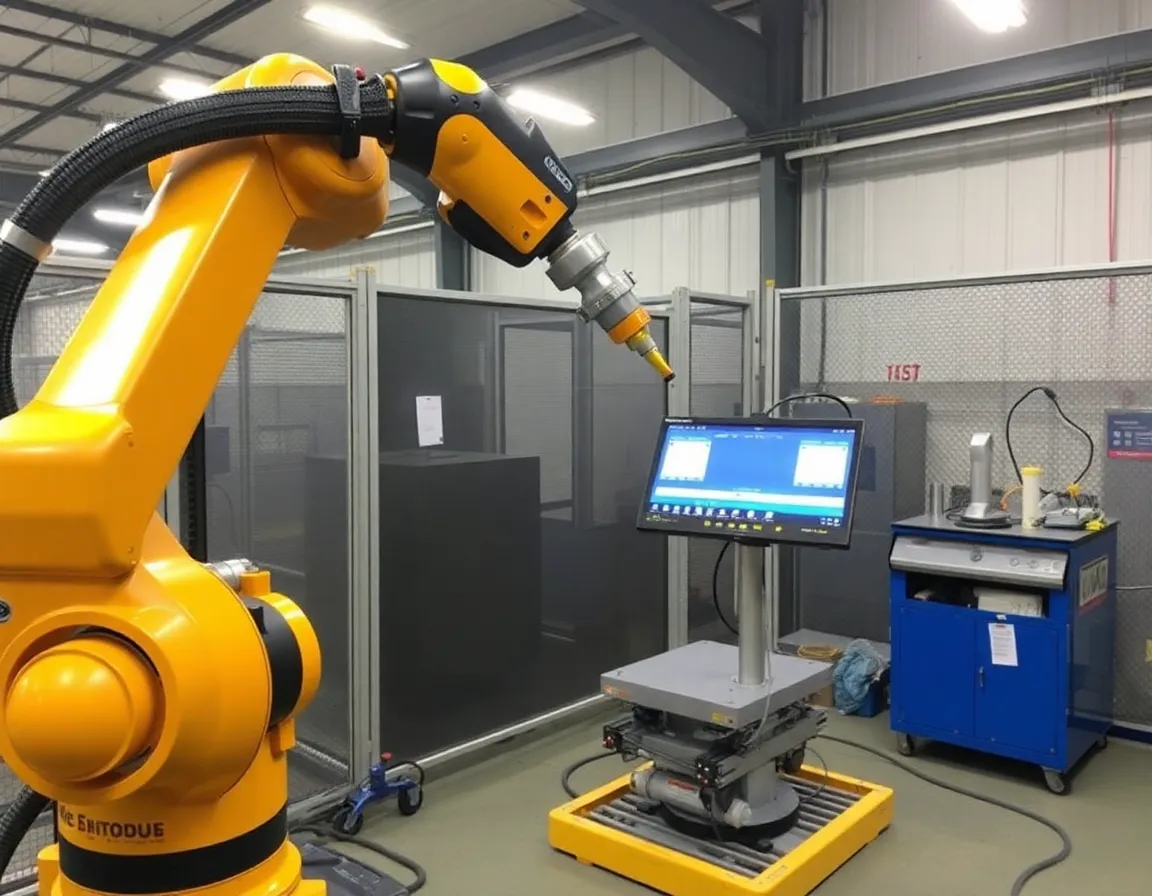
Human operators are the largest source of contamination in any cleanroom, shedding thousands of skin cells per minute. Therefore, the extraction of the molded part from the mold must be performed by a six-axis robotic arm located within the clean zone. The robot places the part directly onto a conveyor that leads to a vision inspection system. This system uses high-resolution cameras and AI-based algorithms to detect surface defects, flash, or contamination in real-time. If a part fails inspection, it is automatically rejected and diverted to a scrap bin without human contact. This closed-loop automation not only ensures purity but also dramatically increases throughput and yield, reducing the cost per unit despite the high capital expenditure.
Post-Molding Operations
Even after ejection, the part is not safe. In many cases, electronic components require secondary operations like deflashing (removing thin plastic remnants) or ultrasonic welding. These operations must also be performed in the cleanroom or in a connected clean annex. For critical applications, the molded parts are subjected to ultrasonic washing with deionized water to remove any ionic residues left from the molding process, followed by vacuum drying and packaging in anti-static, hermetically sealed bags. The packaging step is vital; the bag itself must be certified to be free of amines and silicones that could contaminate the part during storage.
Benefits, Applications, and Best Practices
The investment in electronic cleanroom molding is substantial, but the return on investment is measured in reliability, safety, and brand reputation.
Critical Applications Driving Demand
This technology is not a luxury; it is a necessity for life-saving and high-performance devices.
- Medical Implantable Electronics: Housings for pacemakers, neurostimulators, and hearing aids. These parts must be biocompatible and free from any pyrogens or particulate matter that could cause an immune response.
- Semiconductor Manufacturing Equipment: Wafer carriers, chip trays, and connectors used inside lithography machines. These parts must not outgas hydrocarbons that could fog the precision optics.
- Automotive ADAS Sensors: Housings for LiDAR and radar units. Any contamination on the lens or internal circuitry can cause sensor failure, leading to accidents.
- Optical Transceivers: Precision ferrules and lens holders for fiber-optic communication. Sub-micron dimensional accuracy and zero surface defects are mandatory for signal integrity.
Best Practices for Implementation and Maintenance
To maintain the integrity of the cleanroom and the molding process, consider the following operational protocols:
- Rigorous Gowning Protocol: Operators must wear full cleanroom suits, hoods, boots, and double-gloved. A "sticky mat" and air shower must be passed before entry.
- Preventive Maintenance Scheduling: Molds must be pulled, cleaned, and inspected on a strict schedule. Using an ultrasonic cleaner with a validated detergent is essential to remove carbonized polymer residue from venting slots.
- Environmental Monitoring: Implementing a Particle Measuring System (PMS) that continuously logs airborne particle counts and alerts management to any spikes is non-negotiable. This data must be archived for traceability.
- Raw Material Vetting: Ensure that your resin supplier provides a Certificate of Analysis (CoA) specifically stating ionic cleanliness and outgassing properties. Never accept generic "off-the-shelf" resin.
Conclusion: The Future of High-Stakes Manufacturing
Electronic cleanroom molding is far more than a manufacturing process; it is a philosophy of meticulous control. As the world moves toward smaller, faster, and more integrated devices—from 5G infrastructure to implantable bio-sensors—the margin for error becomes negligible. The companies that master this craft do not simply mold plastic; they engineer absolute purity. By understanding the environmental controls, selecting the correct materials, and embracing automation, manufacturers can deliver components that function flawlessly in the harshest conditions. The guide above provides the foundational knowledge required to approach cleanroom molding with the seriousness it deserves, ensuring that the precision inside the part matches the precision of the environment in which it was born.