
L'importanza del controllo della contaminazione nell'elettronica moderna
Nel mondo microcosmico della fabbricazione di semiconduttori, dei dispositivi medici e dell'ottica avanzata, la presenza di una singola particella di polvere – invisibile a occhio nudo – può rendere un prodotto completamente inutile. Man mano che i componenti elettronici si riducono a dimensioni nanometriche e diventano sempre più sensibili, l'ambiente in cui vengono fabbricati deve essere controllato con precisione di livello militare. È qui che Stampaggio in camera bianca per elettronica emerge come una disciplina critica e non negoziabile. Non si tratta semplicemente di produrre in una camera bianca; si tratta dell'integrazione sinergica di processi di stampaggio specializzati, scienza dei materiali e progettazione delle strutture per produrre componenti con tolleranza zero per la contaminazione particellare, ionica o molecolare.
Lo stampaggio in camera bianca per elettronica si riferisce allo stampaggio a iniezione, a compressione o a trasferimento di componenti plastici ed elastomerici in un ambiente controllato che soddisfa specifiche classificazioni di pulizia ISO. A differenza dello stampaggio a iniezione standard, che tollera particelle sospese nell'aria, umidità e degassamento, lo stampaggio in camera bianca richiede un approccio olistico. Ogni elemento – dai granuli di resina all'acciaio dello stampo, dalle apparecchiature robotiche di movimentazione al camice dell'operatore – deve essere verificato per prevenire la contaminazione. L'obiettivo non è solo la precisione dimensionale ma la purezza chimica e fisica, garantendo che il pezzo finale non introduca difetti nell'assieme elettronico sensibile che protegge o ospita.
Questa guida funge da manuale completo per ingegneri, responsabili della qualità e specialisti degli acquisti che desiderano districarsi nella complessità di questa nicchia manifatturiera specializzata. Analizzeremo la metodologia, esploreremo i vincoli dei materiali, delineeremo i protocolli operativi e metteremo in luce i vantaggi trasformativi che lo stampaggio di precisione in camera bianca apporta alla catena di fornitura elettronica.
Comprensione delle classificazioni ISO e della dinamica del flusso d'aria
Prima che venga iniettato un solo colpo di plastica, l'ambiente di produzione deve essere progettato per soddisfare rigorosi standard internazionali. Il quadro di riferimento principale è definito dalla ISO 14644-1, che classifica le camere bianche in base al numero e alle dimensioni delle particelle consentite per metro cubo d'aria. Per lo stampaggio elettronico, le classificazioni più comuni sono Classe ISO 7 (ex Classe 10.000) e Classe ISO 8 (ex Classe 100.000), sebbene la microelettronica avanzata richieda sempre più spesso Classe ISO 5 o superiore nelle zone critiche.
Il ruolo del flusso d'aria laminare e della sovrappressione
La disposizione fisica di una struttura di stampaggio in camera bianca è progettata attorno al principio del flusso d'aria unidirezionale. I filtri ad alta efficienza per particelle sospese nell'aria (HEPA) e a penetrazione ultra-bassa (ULPA) sono posizionati strategicamente nel soffitto, spingendo l'aria pulita verso il basso in un flusso laminare e non turbolento. Questo flusso d'aria agisce come un nastro trasportatore invisibile, spazzando via eventuali particelle generate dalle parti mobili della macchina di stampaggio o dall'operatore. Inoltre, la camera bianca è mantenuta in sovrappressione rispetto alle aree non pulite adiacenti. Ciò garantisce che quando le porte vengono aperte, l'aria fluisca verso l'esterno, impedendo all'aria esterna non filtrata di entrare e compromettere l'ambiente. La macchina di stampaggio stessa è spesso racchiusa in un mini-ambiente secondario o "tunnel" con una propria filtrazione dedicata, creando una zona pulito-in-pulito-out (CICO) attorno alla cavità dello stampo.
Sistemi di movimentazione dei materiali ed essiccazione
Contamination does not only come from the air; it originates in the raw material. Standard polymer pellets are hygroscopic, absorbing atmospheric moisture and static charge that attracts dust. In an electronic cleanroom molding setup, resin is not simply dumped into a hopper. Instead, it is transferred through a closed-loop vacuum conveying system that prevents exposure to ambient air. The material is then dried using desiccant dryers with dew points of -40°C or lower. This is crucial because any residual moisture can cause hydrolysis of the polymer chain, leading to outgassing or "splay" on the part surface—a catastrophic defect for optical or electrical components. The drying process is followed by filtration of the melt within the barrel, using specialized nozzle filters to trap any decomposed or "burned" resin particles before they enter the mold.
Material Selection: The Chemistry of Purity
Not all plastics are suitable for cleanroom molding. The material must possess inherent properties that align with the stringent demands of electronic applications. The most critical parameter is low outgassing, measured by ASTM E595. Outgassing refers to the release of volatile compounds from the polymer when exposed to heat or vacuum. In enclosed electronic assemblies, these volatiles can condense on optical lenses or corrode metal contacts.
Commonly used materials include Liquid Crystal Polymer (LCP), Polyphenylene Sulfide (PPS), and high-temperature Nylons (PPA). These materials offer exceptional dimensional stability and inherent low ionic contamination. For elastomeric seals and gaskets, liquid silicone rubber (LSR) is the gold standard. LSR is unique because it is a two-part, low-viscosity system that cures at high temperatures. Unlike solid silicone, LSR does not require the addition of volatile organic solvents or peroxides, making it exceptionally clean. The molding of LSR in a cleanroom environment is a delicate dance of precise metering, mixing, and injection under controlled pressure, ensuring that no air bubbles or unreacted byproducts remain.
Avoiding Additives and Lubricants
In standard molding, external mold release agents (spray-on lubricants) are common to facilitate part ejection. In cleanroom molding, these are strictly forbidden. The spray releases aerosolized particles and leaves a chemical residue. Instead, the mold steel must be polished to a mirror finish (typically below 8 microinches Ra) and engineered with optimal draft angles. The polymer itself may contain internal lubricants, but these must be carefully selected to be non-migratory and non-ionic. The choice of colorants also matters; heavy metal-based pigments are replaced with organic or ceramic-based pigments that do not leach out during the part’s service life.
Process Engineering and Automation
The mechanical act of molding inside a cleanroom requires specialized presses and automation that minimize human intervention. The injection molding machine itself is typically a servo-hydraulic or all-electric model. All-electric presses are preferred because they have zero hydraulic oil leakage risk and offer superior repeatability in shot size and pressure, which is essential for maintaining consistent packing of the polymer without flashing (excess material bleeding out of the mold).
Robotics and In-Process Inspection
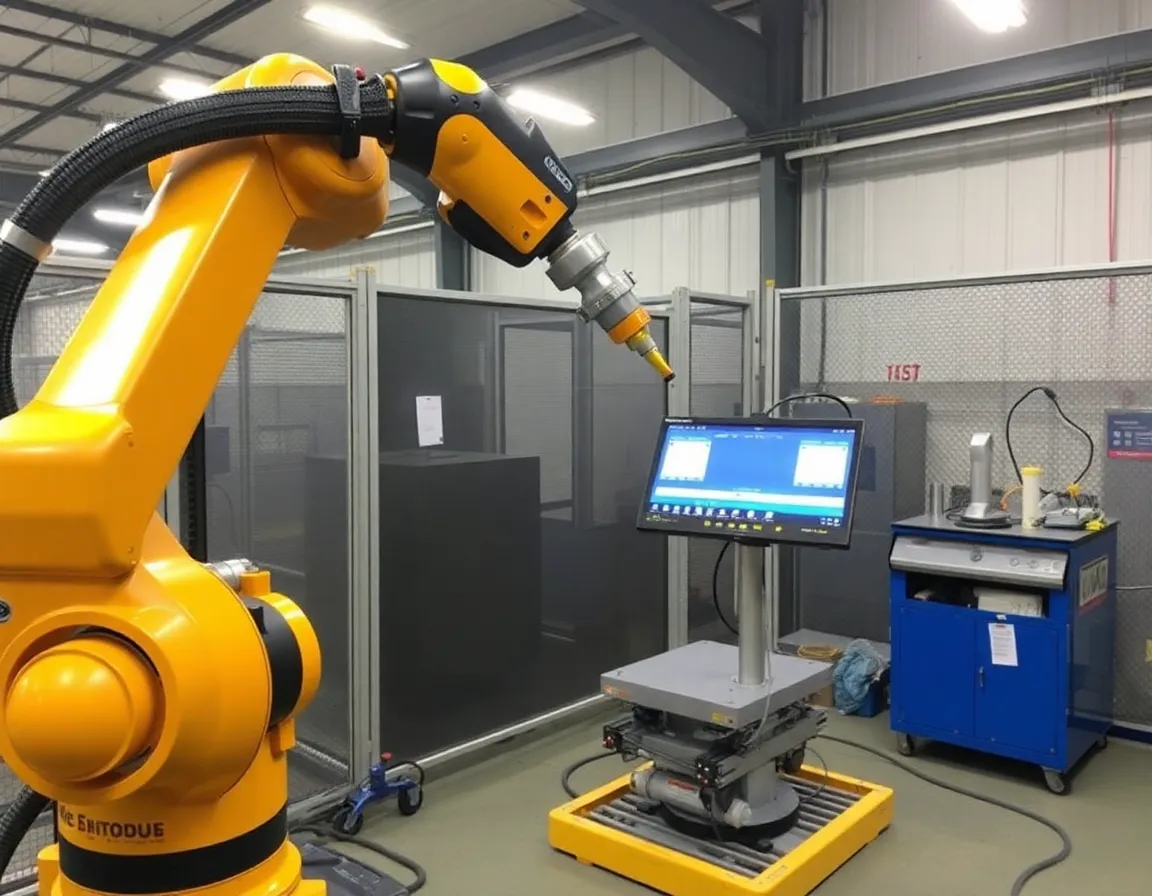
Human operators are the largest source of contamination in any cleanroom, shedding thousands of skin cells per minute. Therefore, the extraction of the molded part from the mold must be performed by a six-axis robotic arm located within the clean zone. The robot places the part directly onto a conveyor that leads to a vision inspection system. This system uses high-resolution cameras and AI-based algorithms to detect surface defects, flash, or contamination in real-time. If a part fails inspection, it is automatically rejected and diverted to a scrap bin without human contact. This closed-loop automation not only ensures purity but also dramatically increases throughput and yield, reducing the cost per unit despite the high capital expenditure.
Post-Molding Operations
Even after ejection, the part is not safe. In many cases, electronic components require secondary operations like deflashing (removing thin plastic remnants) or ultrasonic welding. These operations must also be performed in the cleanroom or in a connected clean annex. For critical applications, the molded parts are subjected to ultrasonic washing with deionized water to remove any ionic residues left from the molding process, followed by vacuum drying and packaging in anti-static, hermetically sealed bags. The packaging step is vital; the bag itself must be certified to be free of amines and silicones that could contaminate the part during storage.
Benefits, Applications, and Best Practices
The investment in electronic cleanroom molding is substantial, but the return on investment is measured in reliability, safety, and brand reputation.
Critical Applications Driving Demand
This technology is not a luxury; it is a necessity for life-saving and high-performance devices.
- Medical Implantable Electronics: Housings for pacemakers, neurostimulators, and hearing aids. These parts must be biocompatible and free from any pyrogens or particulate matter that could cause an immune response.
- Semiconductor Manufacturing Equipment: Wafer carriers, chip trays, and connectors used inside lithography machines. These parts must not outgas hydrocarbons that could fog the precision optics.
- Automotive ADAS Sensors: Housings for LiDAR and radar units. Any contamination on the lens or internal circuitry can cause sensor failure, leading to accidents.
- Optical Transceivers: Precision ferrules and lens holders for fiber-optic communication. Sub-micron dimensional accuracy and zero surface defects are mandatory for signal integrity.
Best Practices for Implementation and Maintenance
To maintain the integrity of the cleanroom and the molding process, consider the following operational protocols:
- Rigorous Gowning Protocol: Operators must wear full cleanroom suits, hoods, boots, and double-gloved. A "sticky mat" and air shower must be passed before entry.
- Preventive Maintenance Scheduling: Molds must be pulled, cleaned, and inspected on a strict schedule. Using an ultrasonic cleaner with a validated detergent is essential to remove carbonized polymer residue from venting slots.
- Environmental Monitoring: Implementing a Particle Measuring System (PMS) that continuously logs airborne particle counts and alerts management to any spikes is non-negotiable. This data must be archived for traceability.
- Raw Material Vetting: Ensure that your resin supplier provides a Certificate of Analysis (CoA) specifically stating ionic cleanliness and outgassing properties. Never accept generic "off-the-shelf" resin.
Conclusion: The Future of High-Stakes Manufacturing
Electronic cleanroom molding is far more than a manufacturing process; it is a philosophy of meticulous control. As the world moves toward smaller, faster, and more integrated devices—from 5G infrastructure to implantable bio-sensors—the margin for error becomes negligible. The companies that master this craft do not simply mold plastic; they engineer absolute purity. By understanding the environmental controls, selecting the correct materials, and embracing automation, manufacturers can deliver components that function flawlessly in the harshest conditions. The guide above provides the foundational knowledge required to approach cleanroom molding with the seriousness it deserves, ensuring that the precision inside the part matches the precision of the environment in which it was born.