
はじめに:精度と純度の重要な交差点
医療機器製造のリスクの高い世界では、誤差の許容範囲はミクロン単位で測定され、汚染のコストは患者の命で測定され得ます。医療技術がより小型で複雑かつ埋め込み型のデバイスへと進歩するにつれ、それらを構成する部品に課される要求は非常に厳しくなっています。ここで、 クリーンルーム射出成形サービス はニッチな専門分野から基本的な要件へと進化しました。クリーンルーム成形は、単に無塵室で行われる標準的な射出成形ではありません。それは、すべてのポリマー部品が絶対的な生物学的安全性、寸法完全性、および機能的信頼性を持って生まれることを保証するために設計された、包括的で管理された製造エコシステムです。医療機器OEMにとって、このプロセスの深い利点を理解することは、コンプライアンスだけの問題ではありません。品質が究極の差別化要因である市場で競争上の優位性を達成することです。.
クリーンルーム射出成形の理解:単なる白い部屋以上のもの
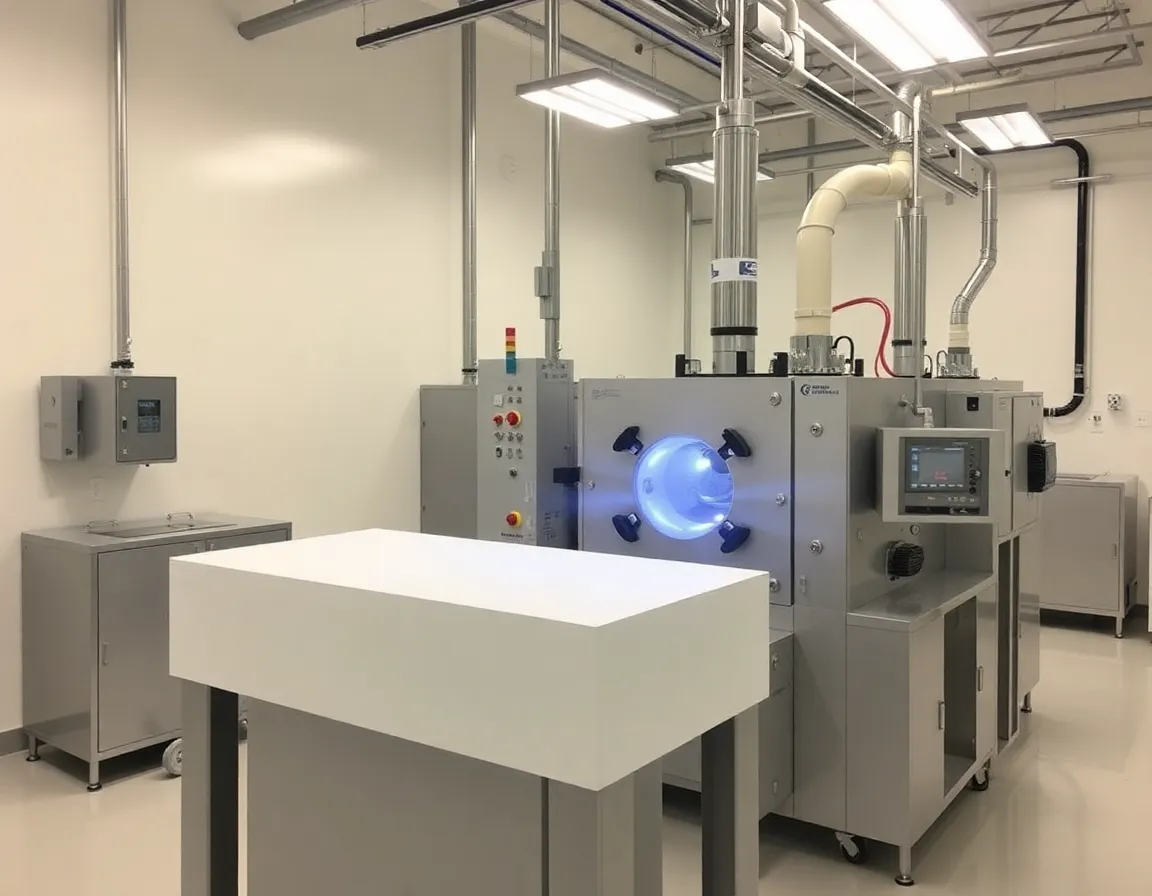
利点を理解するには、まずプロセスを理解する必要があります。クリーンルーム射出成形は、従来の熱可塑性射出成形のメカニズムと、通常ISO 14644-1規格(クラス7からクラス5まで、クラス5が最も厳格)に基づいて分類される厳密に管理された環境を組み合わせます。これらの部屋は、浮遊粒子濃度、温度、湿度、および陽圧の特定の制限を維持します。しかし、真の高度な技術は補助システムにあります。. クリーンルーム射出成形サービス は、HEPA/ULPAフィルターシステム、自動部品搬送ロボット、および成形部品への人的接触を防ぐための下流のクリーンルーム組立ラインなどの専門機器を組み込んでいます。.
さらに、このプロセスは物理的環境を超えて、材料の取り扱いにも及びます。原料樹脂は、多くの場合、真空乾燥され、密閉システムで搬送され、吸湿や汚染を防ぎます。金型自体は、高速でバリのない動作を実現するように設計されており、多くの場合、高度なベントや温度制御システムを利用して、サイクルタイムを最小限に抑えながら部品の一貫性を最大化します。目標は、原料のポリマーペレットから滅菌済みでパッケージ可能な医療部品まで、部品を制御されていない大気条件にさらすことなく、シームレスな流れを作り出すことです。.
規制のバックボーン:標準的な成形が失敗する理由
標準的な射出成形工場は、医療分野の規制上の監視に対応する設備が整っていません。FDAおよびISO 13485規格は、従来の施設では提供できないトレーサビリティ、バリデーション、環境モニタリングを義務付けています。クリーンルーム成形サービスは、環境粒子数、材料ロット番号、プロセスパラメータログなど、各バッチの完全な文書化を提供します。このデータトレイルは、単なる官僚的な書類ではなく、デバイスが人間の使用に安全であることを証明するために必要な科学的証拠です。この管理された環境がなければ、外観上完璧な部品でも、免疫反応やデバイス障害を引き起こす可能性のある微細な生物学的または粒子状の汚染物質を潜ませている可能性があります。.
利点1:優れた生物学的安全性と汚染リスクの低減
クリーンルーム成形の最も明白で重要な利点は、汚染の大幅な低減です。医療用途、特にインプラント、薬物送達システム、または手術器具を含む用途では、異物(ほこり、皮膚細胞、微生物胞子)が深刻な有害反応を引き起こす可能性があります。. クリーンルーム射出成形サービス 多層防御メカニズムを通じてこのリスクを軽減します。.
- 浮遊粒子制御: HEPAフィルターが空気を継続的にろ過し、0.3ミクロンより大きい粒子の99.97%を除去します。.
- 陽圧ゾーン: クリーンルームは隣接エリアよりも高い気圧を維持し、ドアが開いたときに未ろ過の空気が漏れ込むのを防ぎます。.
- 人的介入の最小化: ロボットアームが金型から部品を取り出し、密封パッケージに直接移すことで、最大の汚染源である人的オペレーターを排除します。.
この管理された環境により、完成部品が厳格なエンドトキシン限界とバイオバーデン閾値を満たし、身体組織との直接的または間接的な接触に対して安全であることが保証されます。製造業者にとって、これは不合格バッチの削減、コストのかかるリコールのリスク低減、そして最も重要なことに、患者の安全性の向上につながります。.
利点2:比類のない寸法一貫性と精度
医療機器には、カテーテル先端部、バルブハウジング、光学レンズなど、許容差が1ミリメートルの数千分の1で測定されるマイクロスケールの特徴がしばしば含まれます。周囲温度と湿度の変動は、プラスチック樹脂が予測不能に膨張または収縮し、反りやバリを引き起こす可能性があります。クリーンルーム環境は熱的に安定しており、多くの場合、設定点の±1°C以内に維持されるため、 repeatable molecular crystallization of the polymer during the cooling phase.
Process Control in Real-Time
Modern cleanroom molding machines are equipped with closed-loop control systems that monitor cavity pressure, melt temperature, and injection speed in real-time. When combined with the stable environment, these systems produce parts that are virtually identical across millions of cycles. This precision is critical for components that must interface with other parts, such as a syringe barrel and plunger, where a variance of even 0.01mm could cause leakage or breakage. The result is a product that functions exactly as designed, every time, reducing the need for secondary inspection and sorting.
Benefit 3: Enhanced Material Integrity and Performance
Many medical-grade polymers—such as PEEK, polycarbonate, and liquid silicone rubber (LSR)—are highly sensitive to environmental contaminants. Moisture absorption alone can degrade the polymer chain, leading to brittle parts or surface defects like splay. Cleanroom facilities use desiccant dryers and sealed material hoppers to ensure that the resin is processed with a moisture content below 0.02%. Furthermore, the cleanroom atmosphere prevents the deposition of airborne oils or chemicals that could react with the polymer during the high-heat molding process.
This preservation of material integrity results in parts with superior mechanical strength, chemical resistance, and optical clarity. For example, an implantable PEEK spinal cage molded in a cleanroom will exhibit the exact tensile modulus and fatigue resistance required for load-bearing applications, without the microscopic voids that can form due to moisture-induced hydrolysis. In essence, cleanroom molding unlocks the full performance potential of advanced biomaterials.
Benefit 4: Streamlined Post-Processing and Faster Time-to-Market
Traditionally, parts molded in a non-cleanroom environment require extensive secondary operations: washing, ultrasonic cleaning, flash removal, and manual inspection. These steps are not only time-consuming but also introduce additional risk of handling damage. クリーンルーム射出成形サービス are designed to eliminate or drastically reduce these downstream steps.
- In-Mold Assembly: Advanced cleanroom processes can overmold multiple materials (e.g., a rigid core with a soft-touch silicone coating) in a single cycle, eliminating separate assembly steps.
- Cleanroom-Compatible Packaging: Parts can be transferred directly into medical-grade Tyvek pouches or blister packs within the cleanroom, preserving their sterile state.
- Integrated Inspection: Vision systems inside the cleanroom can perform 100% automated inspection for flash, discoloration, or missing features, immediately rejecting defective parts without manual handling.
By collapsing the timeline between molding and final packaging, manufacturers can significantly compress their production lead times. This agility is paramount in the medical field, where speed-to-market for a novel therapeutic device can mean capturing a significant share of a lucrative market before competitors. Furthermore, eliminating secondary processes reduces labor costs and the total cost of ownership for the device.
Benefit 5: Scalability and Long-Term Cost Efficiency
While the initial setup cost for a cleanroom molding line is higher than a standard line, the long-term economic benefits are substantial. The high level of process automation and environmental stability leads to lower scrap rates and rework costs. In standard molding, scrap rates can range from 2% to 5%; in a well-managed cleanroom, this can be reduced to below 0.5%.
Total Cost of Quality
Consider the hidden costs of a contamination failure: a recalled implantable device can cost millions in legal fees, regulatory fines, and brand damage. Cleanroom molding acts as an insurance policy against these catastrophic risks. Moreover, the scalability of cleanroom operations allows manufacturers to smoothly transition from pilot runs (for clinical trials) to high-volume production (for commercial launch) without changing the core manufacturing process. The process validation remains consistent, meaning that the FDA-approved design is identical to the mass-produced version, eliminating the need for costly re-validation.
Additionally, many cleanroom molding providers offer design for manufacturability (DFM) consulting. They can suggest material substitutions or geometry changes that reduce cycle times and material waste, further driving down unit costs. When amortized over the lifecycle of a successful medical device, the investment in cleanroom molding yields a significant return on investment.
Applications Across the Medical Spectrum
The benefits of cleanroom molding are leveraged across a diverse range of medical devices. Here are just a few key application areas:
- Implantable Devices: Orthopedic anchors, pacemaker housings, and cochlear implant components that require biocompatibility and zero microbial presence.
- Drug Delivery Systems: Auto-injectors, insulin pens, and inhalers where precise dosing and contamination-free pathways are essential for drug efficacy.
- Surgical Instruments: Disposable forceps, trocars, and retractors that must be sterile and sharp for single-use procedures.
- Diagnostic Components: Microfluidic chips and cuvettes used in blood analysis, where optical clarity and chemical inertness are critical for accurate test results.
Best Practices for Selecting a Cleanroom Molding Partner
To fully realize these benefits, medical device companies must choose their manufacturing partner wisely. The following best practices are essential:
1. Verify Certifications, Not Just Claims
Ensure the facility holds current ISO 13485 certification and is in compliance with FDA 21 CFR Part 820 Quality System Regulations. Ask for recent environmental monitoring reports to verify the actual particle counts, not just the nominal class rating.
2. Assess Material Handling Capabilities
Inquire about how they handle sensitive resins. Do they use vacuum conveying? Are material lots quarantined until verified? A partner who treats raw materials with the same rigor as finished parts is a good sign.
3. Evaluate Automation and Data Acquisition
Look for facilities that employ robotic part extraction and have a robust Manufacturing Execution System (MES). The ability to provide batch-level traceability data electronically is a hallmark of a modern, reliable partner.
4. Engage Early in the Design Phase
The highest cost savings occur when the molder is consulted before the mold is cut. Their engineers can provide input on draft angles, gate locations, and material selection that will optimize performance within the cleanroom environment.
Conclusion: The Strategic Imperative of Cleanroom Molding
Cleanroom injection molding is not a luxury; it is a strategic imperative for any company serious about competing in the medical device industry. The five critical benefits—biological safety, precision, material integrity, streamlined processing, and cost efficiency—combine to create a manufacturing framework that prioritizes patient outcomes without sacrificing profitability. As regulatory bodies tighten their scrutiny and as medical technology pushes further into the realm of personalized and minimally invasive treatments, the reliance on クリーンルーム射出成形サービス will only intensify. By partnering with a certified and technologically advanced cleanroom molder, medical device manufacturers can ensure that their products are not only manufactured to specification but are also imbued with the highest level of trust and reliability that the healthcare sector demands. In the final analysis, cleanroom molding is the bridge between innovative design and life-saving clinical application.