
مقدمة: التقاطع الحرج بين الدقة والنقاء
في عالم تصنيع الأجهزة الطبية عالي المخاطر، يُقاس هامش الخطأ بالميكرونات، ويمكن قياس تكلفة التلوث بأرواح المرضى. مع تقدم التكنولوجيا الطبية نحو أجهزة أصغر وأكثر تعقيدًا وقابلة للزرع، أصبحت المتطلبات المفروضة على المكونات التي تتكون منها صارمة بشكل غير عادي. هذا هو المكان الذي خدمات القولبة بالحقن في الغرف النظيفة تطورت من تخصص ضيق إلى متطلب أساسي. قولبة الغرفة النظيفة ليست مجرد قولبة حقن قياسية تتم في غرفة خالية من الغبار؛ إنها نظام تصنيع متكامل ومتحكم فيه مصمم لضمان أن كل جزء بوليمر يخرج بسلامة بيولوجية مطلقة، وسلامة أبعاد، وموثوقية وظيفية. بالنسبة لمصنعي المعدات الأصلية للأجهزة الطبية، فإن فهم الفوائد العميقة لهذه العملية ليس مجرد امتثال - بل يتعلق بتحقيق ميزة تنافسية في سوق تكون فيه الجودة هي العامل المميز النهائي.
فهم قولبة الحقن في الغرف النظيفة: أكثر من مجرد غرفة بيضاء
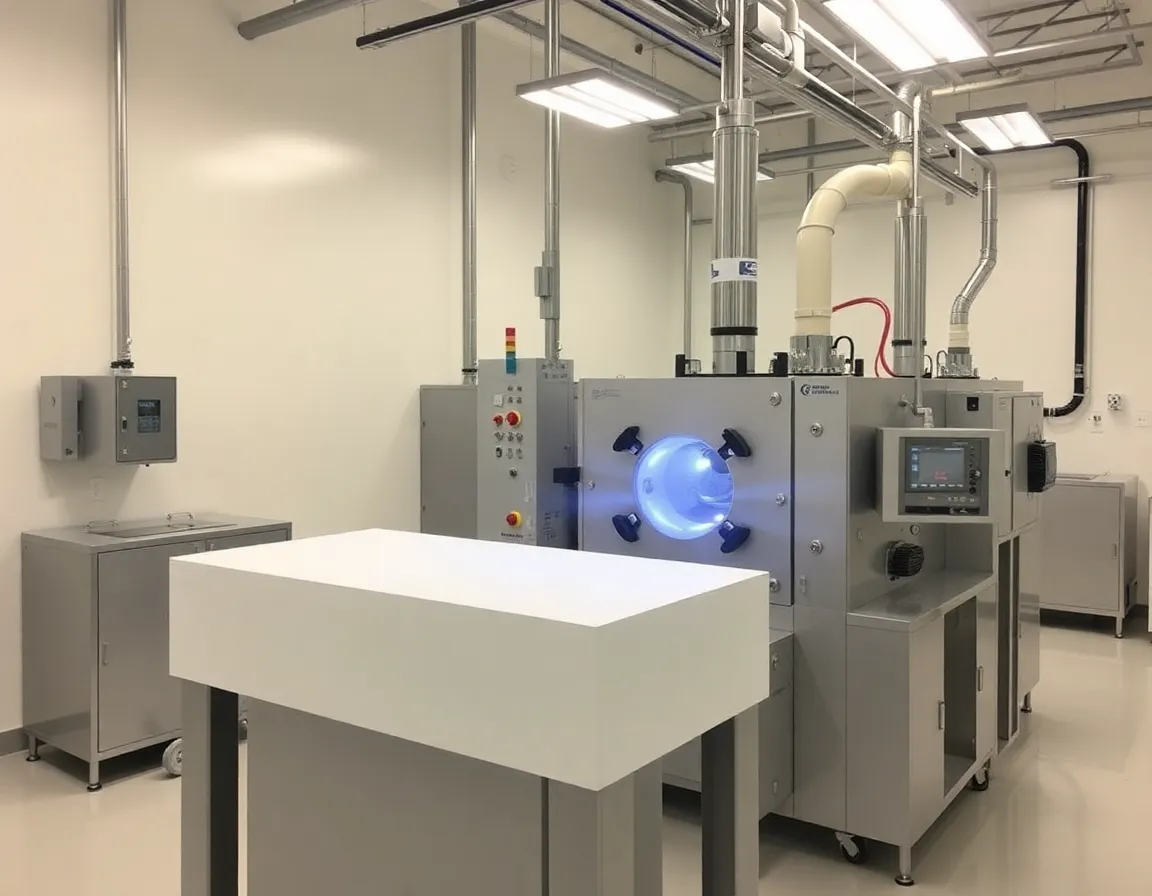
لتقدير الفوائد، يجب أولاً فهم العملية. تجمع قولبة الحقن في الغرف النظيفة بين ميكانيكا قولبة الحقن التقليدية للبلاستيك الحراري وبيئة خاضعة للرقابة الصارمة، مصنفة عادةً وفقًا لمعايير ISO 14644-1 (تتراوح من Class 7 إلى Class 5، مع كون Class 5 هو الأكثر صرامة). تحافظ هذه الغرف على حدود محددة لتركيز الجسيمات المحمولة جوًا، ودرجة الحرارة، والرطوبة، وضغط الهواء الإيجابي. ومع ذلك، يكمن التعقيد الحقيقي في الأنظمة المساعدة. خدمات القولبة بالحقن في الغرف النظيفة دمج معدات متخصصة مثل أنظمة ترشيح HEPA/ULPA، وروبوتات مناولة الأجزاء الآلية، وخطوط تجميع الغرف النظيفة في المراحل النهائية لمنع الاتصال البشري بالأجزاء المقولبة.
علاوة على ذلك، تمتد العملية إلى ما هو أبعد من البيئة المادية لتشمل مناولة المواد. غالبًا ما يتم تجفيف الراتنجات الخام بالتفريغ ونقلها في أنظمة محكمة الغلق لمنع امتصاص الرطوبة والتلوث. تم تصميم القوالب نفسها لتشغيل سريع وخالٍ من الوميض، وغالبًا ما تستخدم أنظمة متقدمة للتهوية والتحكم في درجة الحرارة لتقليل أوقات الدورة مع زيادة اتساق الأجزاء إلى أقصى حد. الهدف هو إنشاء تدفق سلس من حبيبات البوليمر الخام إلى مكون طبي معقم وجاهز للتغليف دون تعريض الجزء أبدًا لظروف جوية غير خاضعة للتحكم.
العمود الفقري التنظيمي: لماذا يفشل القولبة القياسية
ورش القولبة بالحقن القياسية غير مجهزة جيدًا للتعامل مع التدقيق التنظيمي للقطاع الطبي. تفرض معايير إدارة الغذاء والدواء الأمريكية (FDA) ومعيار ISO 13485 متطلبات التتبع والتحقق والمراقبة البيئية التي لا يمكن للمرافق التقليدية توفيرها. تقدم خدمات القولبة في الغرف النظيفة توثيقًا كاملاً لكل دفعة، بما في ذلك تعداد الجسيمات البيئية، وأرقام دفعات المواد، وسجلات معلمات العملية. هذا المسار من البيانات ليس مجرد أوراق بيروقراطية؛ إنه الدليل العلمي المطلوب لإثبات أن الجهاز آمن للاستخدام البشري. بدون هذه البيئة الخاضعة للتحكم، حتى الجزء المثالي بصريًا قد يحتوي على ملوثات بيولوجية أو جسيمية مجهرية تسبب استجابة مناعية أو فشلًا في الجهاز.
الفائدة 1: سلامة بيولوجية فائقة وتقليل مخاطر التلوث
الفائدة الأكثر وضوحًا وحرجًا للقولبة في الغرف النظيفة هي التقليل الجذري للتلوث. في التطبيقات الطبية - خاصة تلك التي تتضمن الغرسات أو أنظمة توصيل الأدوية أو الأدوات الجراحية - يمكن لأي جسيم غريب (غبار أو خلايا جلدية أو أبواغ ميكروبية) أن يسبب تفاعلات ضارة شديدة. خدمات القولبة بالحقن في الغرف النظيفة التخفيف من هذا الخطر من خلال آليات دفاع متعددة الطبقات.
- التحكم في الجسيمات المحمولة جوًا: يعمل ترشيح HEPA باستمرار على تنظيف الهواء، وإزالة 99.97% من الجسيمات الأكبر من 0.3 ميكرون.
- مناطق الضغط الإيجابي: تحافظ الغرف النظيفة على ضغط هواء أعلى من المناطق المجاورة، مما يمنع تسرب الهواء غير المفلتر عند فتح الأبواب.
- التدخل البشري الأدنى: تستخرج الأذرع الروبوتية الأجزاء من القالب وتنقلها مباشرة إلى التغليف المحكم، مما يلغي أكبر مصدر للتلوث: المشغلون البشريون.
تضمن هذه البيئة الخاضعة للتحكم أن الجزء النهائي يلبي حدود السموم الداخلية الصارمة وعتبات الحمل البيولوجي، مما يجعله آمنًا للتلامس المباشر أو غير المباشر مع أنسجة الجسم. بالنسبة للمصنعين، يترجم هذا إلى عدد أقل من الدفعات المرفوضة، وتقليل مخاطر الاستدعاءات المكلفة، والأهم من ذلك، تعزيز سلامة المرضى.
الفائدة 2: اتساق أبعاد ودقة لا مثيل لهما
غالبًا ما تتميز الأجهزة الطبية بميزات دقيقة للغاية - مثل أطراف القسطرة، أو أغلفة الصمامات، أو العدسات البصرية - حيث تُقاس التفاوتات المسموح بها بأجزاء من الألف من المليمتر. يمكن أن تتسبب التقلبات في درجة الحرارة المحيطة والرطوبة في تمدد أو انكماش الراتنجات البلاستيكية بشكل غير متوقع، مما يؤدي إلى الالتواء أو النتوءات. بيئات الغرف النظيفة مستقرة حرارياً، وغالبًا ما تُحفظ ضمن ±1 درجة مئوية من نقطة الضبط، مما يسمح بـ التبلور الجزيئي المتكرر للبوليمر خلال مرحلة التبريد.
التحكم في العملية في الوقت الفعلي
آلات القولبة الحديثة في الغرف النظيفة مجهزة بأنظمة تحكم ذات حلقة مغلقة تراقب ضغط التجويف، ودرجة حرارة الذوبان، وسرعة الحقن في الوقت الفعلي. عند دمجها مع البيئة المستقرة، تنتج هذه الأنظمة أجزاءً متطابقة تقريبًا عبر ملايين الدورات. هذه الدقة ضرورية للمكونات التي يجب أن تتفاعل مع أجزاء أخرى، مثل أسطوانة الحقنة والمكبس، حيث يمكن أن يتسبب اختلاف حتى 0.01 مم في حدوث تسرب أو كسر. والنتيجة هي منتج يعمل تمامًا كما هو مصمم، في كل مرة، مما يقلل الحاجة إلى الفحص والفرز الثانوي.
الفائدة 3: تعزيز سلامة المواد والأداء
العديد من البوليمرات الطبية - مثل PEEK، والبولي كربونات، ومطاط السيليكون السائل (LSR) - شديدة الحساسية للملوثات البيئية. يمكن أن يؤدي امتصاص الرطوبة وحده إلى تدهور سلسلة البوليمر، مما يؤدي إلى أجزاء هشة أو عيوب سطحية مثل التشقق. تستخدم مرافق الغرف النظيفة مجففات ماصة للرطوبة وقواديس مواد محكمة الغلق لضمان معالجة الراتنج بمحتوى رطوبة أقل من 0.02%. علاوة على ذلك، يمنع جو الغرفة النظيفة ترسب الزيوت أو المواد الكيميائية المحمولة جوًا والتي يمكن أن تتفاعل مع البوليمر أثناء عملية القولبة عالية الحرارة.
يؤدي هذا الحفاظ على سلامة المواد إلى أجزاء ذات قوة ميكانيكية فائقة، ومقاومة كيميائية، ووضوح بصري. على سبيل المثال، فإن قفص PEEK الشوكي القابل للزرع والمقولب في غرفة نظيفة سيُظهر معامل المرونة ومقاومة التعب الدقيقين المطلوبين لتطبيقات تحمل الأحمال، دون الفراغات المجهرية التي يمكن أن تتشكل بسبب التحلل المائي الناجم عن الرطوبة. في جوهر الأمر، يطلق القولبة في الغرفة النظيفة إمكانات الأداء الكاملة للمواد الحيوية المتقدمة.
الفائدة 4: تبسيط المعالجة اللاحقة وتسريع الوقت اللازم للتسويق
تقليديًا، تتطلب الأجزاء المقولبة في بيئة غير نظيفة عمليات ثانوية واسعة النطاق: الغسيل، والتنظيف بالموجات فوق الصوتية، وإزالة النتوءات، والفحص اليدوي. هذه الخطوات لا تستغرق وقتًا طويلاً فحسب، بل تقدم أيضًا خطرًا إضافيًا لتلف المناولة. خدمات القولبة بالحقن في الغرف النظيفة مصممة للقضاء على هذه الخطوات النهائية أو تقليلها بشكل كبير.
- التجميع داخل القالب: يمكن لعمليات الغرفة النظيفة المتقدمة أن تغطي مواد متعددة (مثل قلب صلب مع طلاء سيليكون ناعم الملمس) في دورة واحدة، مما يلغي خطوات التجميع المنفصلة.
- التغليف المتوافق مع الغرفة النظيفة: يمكن نقل الأجزاء مباشرة إلى أكياس Tyvek الطبية أو العبوات البثورية داخل الغرفة النظيفة، مما يحافظ على حالتها المعقمة.
- الفحص المتكامل: يمكن لأنظمة الرؤية داخل الغرفة النظيفة إجراء فحص آلي بنسبة 100% للوميض أو تغير اللون أو الميزات المفقودة، ورفض الأجزاء المعيبة فورًا دون معالجة يدوية.
من خلال تقليص الجدول الزمني بين القولبة والتغليف النهائي، يمكن للمصنعين ضغط المهل الزمنية للإنتاج بشكل كبير. هذه المرونة ضرورية في المجال الطبي، حيث يمكن أن يعني سرعة الوصول إلى السوق لجهاز علاجي جديد الاستحواذ على حصة كبيرة من سوق مربح قبل المنافسين. علاوة على ذلك، فإن إلغاء العمليات الثانوية يقلل من تكاليف العمالة والتكلفة الإجمالية للملكية للجهاز.
الفائدة 5: قابلية التوسع وكفاءة التكلفة على المدى الطويل
في حين أن تكلفة الإعداد الأولي لخط قولبة الغرفة النظيفة أعلى من الخط القياسي، فإن الفوائد الاقتصادية طويلة الأجل كبيرة. يؤدي المستوى العالي من أتمتة العمليات والاستقرار البيئي إلى انخفاض معدلات الخردة وتكاليف إعادة العمل. في القولبة القياسية، يمكن أن تتراوح معدلات الخردة من 2% إلى 5%؛ في غرفة نظيفة جيدة الإدارة، يمكن تقليل ذلك إلى أقل من 0.5%.
التكلفة الإجمالية للجودة
ضع في اعتبارك التكاليف الخفية لفشل التلوث: يمكن أن يكلف جهاز قابل للزرع تم استدعاؤه ملايين الدولارات في الرسوم القانونية والغرامات التنظيمية والأضرار التي تلحق بالعلامة التجارية. تعمل قولبة الغرفة النظيفة كوثيقة تأمين ضد هذه المخاطر الكارثية. علاوة على ذلك، تسمح قابلية التوسع لعمليات الغرفة النظيفة للمصنعين بالانتقال بسلاسة من التشغيل التجريبي (للتجارب السريرية) إلى الإنتاج بكميات كبيرة (للإطلاق التجاري) دون تغيير عملية التصنيع الأساسية. يظل التحقق من صحة العملية متسقًا، مما يعني أن التصميم المعتمد من إدارة الغذاء والدواء مطابق للنسخة المنتجة بكميات كبيرة، مما يلغي الحاجة إلى إعادة تحقق مكلفة.
بالإضافة إلى ذلك، يقدم العديد من مزودي قولبة الغرفة النظيفة استشارات التصميم من أجل قابلية التصنيع (DFM) يمكنهم اقتراح بدائل للمواد أو تغييرات في الهندسة تقلل من أوقات الدورات وهدر المواد، مما يقلل أيضًا من تكاليف الوحدة. عند استهلاكها على مدى دورة حياة جهاز طبي ناجح، يحقق الاستثمار في قولبة الغرفة النظيفة عائدًا كبيرًا على الاستثمار.
التطبيقات عبر الطيف الطبي
تُستخدم فوائد قولبة الغرفة النظيفة عبر مجموعة متنوعة من الأجهزة الطبية. فيما يلي بعض مجالات التطبيق الرئيسية فقط:
- الأجهزة القابلة للزرع: المثبتات العظمية، وأغلفة أجهزة تنظيم ضربات القلب، ومكونات زراعة القوقعة التي تتطلب توافقًا حيويًا وغيابًا تامًا للميكروبات.
- أنظمة توصيل الأدوية: Auto-injectors, insulin pens, and inhalers where precise dosing and contamination-free pathways are essential for drug efficacy.
- Surgical Instruments: Disposable forceps, trocars, and retractors that must be sterile and sharp for single-use procedures.
- Diagnostic Components: Microfluidic chips and cuvettes used in blood analysis, where optical clarity and chemical inertness are critical for accurate test results.
Best Practices for Selecting a Cleanroom Molding Partner
To fully realize these benefits, medical device companies must choose their manufacturing partner wisely. The following best practices are essential:
1. Verify Certifications, Not Just Claims
Ensure the facility holds current ISO 13485 certification and is in compliance with FDA 21 CFR Part 820 Quality System Regulations. Ask for recent environmental monitoring reports to verify the actual particle counts, not just the nominal class rating.
2. Assess Material Handling Capabilities
Inquire about how they handle sensitive resins. Do they use vacuum conveying? Are material lots quarantined until verified? A partner who treats raw materials with the same rigor as finished parts is a good sign.
3. Evaluate Automation and Data Acquisition
Look for facilities that employ robotic part extraction and have a robust Manufacturing Execution System (MES). The ability to provide batch-level traceability data electronically is a hallmark of a modern, reliable partner.
4. Engage Early in the Design Phase
The highest cost savings occur when the molder is consulted before the mold is cut. Their engineers can provide input on draft angles, gate locations, and material selection that will optimize performance within the cleanroom environment.
Conclusion: The Strategic Imperative of Cleanroom Molding
Cleanroom injection molding is not a luxury; it is a strategic imperative for any company serious about competing in the medical device industry. The five critical benefits—biological safety, precision, material integrity, streamlined processing, and cost efficiency—combine to create a manufacturing framework that prioritizes patient outcomes without sacrificing profitability. As regulatory bodies tighten their scrutiny and as medical technology pushes further into the realm of personalized and minimally invasive treatments, the reliance on خدمات القولبة بالحقن في الغرف النظيفة will only intensify. By partnering with a certified and technologically advanced cleanroom molder, medical device manufacturers can ensure that their products are not only manufactured to specification but are also imbued with the highest level of trust and reliability that the healthcare sector demands. In the final analysis, cleanroom molding is the bridge between innovative design and life-saving clinical application.