
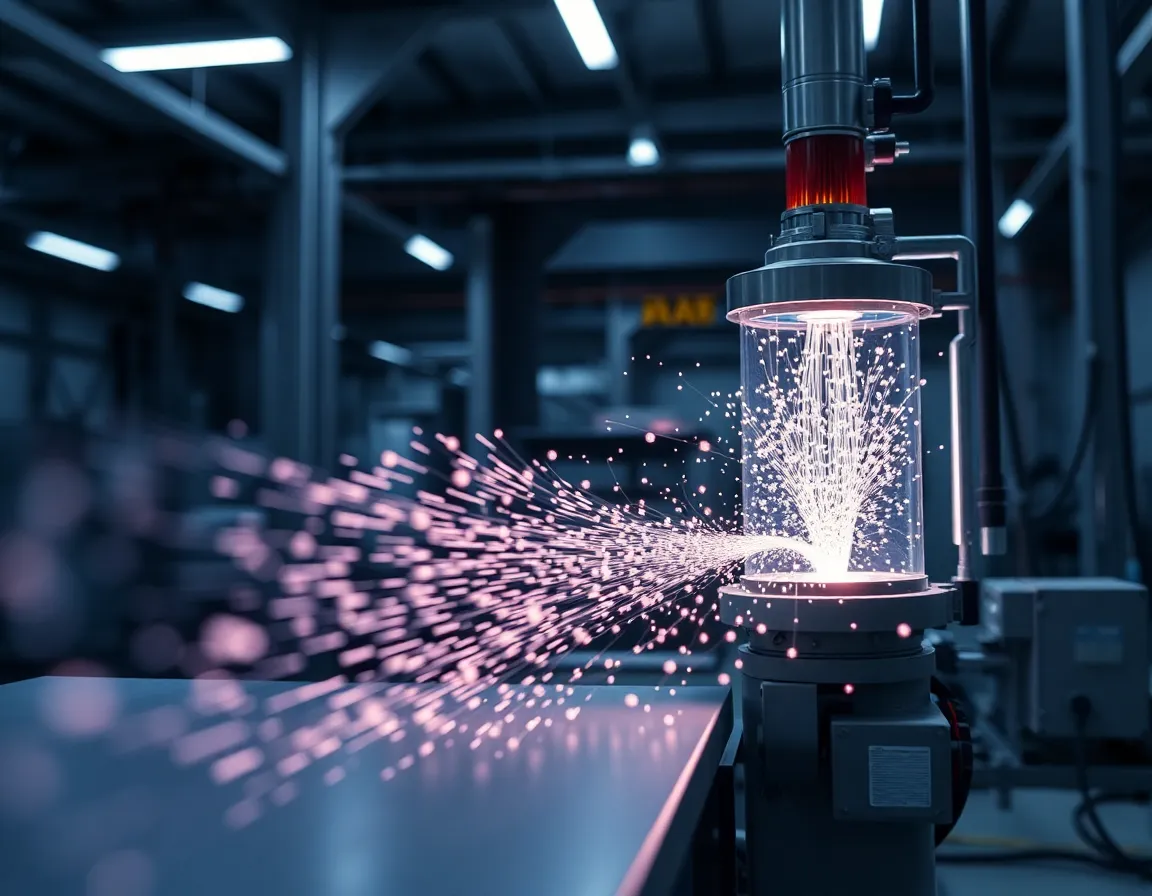
مقدمة: الحاجة الحرجة للمكونات الطبية المعقمة
في مجال الرعاية الصحية الحديثة، لا تعد عقم الأجهزة الطبية مجرد خانة تنظيمية - بل هي ركيزة أساسية لسلامة المرضى. كل عام، تُستخدم ملايين الأدوات الجراحية والأجهزة القابلة للزرع وأدوات التشخيص في إجراءات حيث يمكن أن يؤدي حتى ملوث ميكروبي واحد إلى عدوى شديدة أو إنتان أو رفض الزرع. غالبًا ما تُطبق طرق التعقيم التقليدية، مثل غاز أكسيد الإيثيلين (EtO) أو تشعيع جاما، كخطوات معالجة لاحقة. ومع ذلك، يمكن أن تكون هذه الطرق مستهلكة للوقت ومكلفة وقد تؤدي إلى تدهور بعض البوليمرات. وهنا تبرز التحكم في الحمل الميكروبي في القولبة كفلسفة تصنيع تغير قواعد اللعبة. بدلاً من الاعتماد فقط على التعقيم النهائي، يدير هذا النهج بشكل استباقي الحمل الميكروبي على المكونات أثناء عملية القولبة بالحقن نفسها، مما يضمن خروج الأجزاء بحمل ميكروبي أولي منخفض بشكل استثنائي. تستكشف هذه المقالة تعقيدات القولبة مع التحكم في الحمل الميكروبي، وآلياتها، وفوائدها، وأفضل الممارسات التي تجعلها لا غنى عنها للتطبيقات الطبية الحرجة.
فهم الحمل الميكروبي: التهديد الخفي
قبل الخوض في عملية القولبة، من الضروري تعريف العدو. الحمل الميكروبي, ، المعروف أيضًا باسم الحمل الميكروبي، يشير إلى عدد الكائنات الحية الدقيقة القابلة للحياة—البكتيريا والفطريات والجراثيم والفيروسات—التي تعيش على مادة خام أو مكون أو منتج نهائي. في سياق تصنيع الأجهزة الطبية، يتم قياس الحمل الميكروبي بوحدات تشكيل المستعمرات (CFUs). قد تحتوي حبيبات البلاستيك الخام غير المعالجة على ما يتراوح بين 1000 إلى 10000 وحدة تشكيل مستعمرة لكل غرام، اعتمادًا على التعرض البيئي والمناولة.
لا يكمن الخطر في العدد الأولي وحده، بل في احتمالية التكاثر. إذا تم تغليف مكون ذي حمل ميكروبي مرتفع دون تعقيم كافٍ، يمكن للكائنات الدقيقة أن تتكاثر داخل حاجز الرطوبة، مما يجعل الجهاز غير آمن. علاوة على ذلك، يمكن أن يؤدي الحمل الميكروبي المرتفع إلى إرباك عمليات التعقيم اللاحقة. على سبيل المثال، إذا كان الجهاز يحتوي على حمل ميكروبي يبلغ 10000 وحدة تشكيل مستعمرة، فإن دورة أكسيد الإيثيلين القياسية المصممة لتقليل العدد بعامل 106 (تخفيض ستة لوغاريتمات) قد تترك كائنات حية خلفها. وبالتالي، فإن التحكم في الحمل الميكروبي عند نقطة التصنيع ليس مجرد "أمر مستحب"—بل هو ضرورة إحصائية لضمان مستوى ضمان التعقيم (SAL) البالغ 10-6 المطلوب للأجهزة القابلة للزرع.
آليات القولبة المتحكم فيها بالحمل الميكروبي
القولبة المتحكم فيها بالحمل الميكروبي ليست تقنية واحدة بل نظام شامل متعدد الطبقات يدمج تقنية الغرف النظيفة وعلوم المواد وهندسة العمليات. إنها تحول آلة القولبة بالحقن التقليدية إلى أداة دقيقة للتحكم الميكروبي. المبدأ الأساسي هو خلق بيئة يتم فيها تقليل إدخال الكائنات الدقيقة وبقائها ونموها بشكل منهجي في كل مرحلة.
تصنيف الغرفة النظيفة وتدفق الهواء
أساس هذه العملية هو البيئة المادية. يتم القولبة في غرفة نظيفة من الفئة ISO Class 7 أو ISO Class 8 (غالبًا مع مناطق محلية من الفئة ISO Class 5 حول منطقة فتح القالب). تستخدم هذه الغرف مرشحات هواء جسيمات عالية الكفاءة (HEPA) لإزالة 99.97% من الجسيمات حتى حجم 0.3 ميكرون. ومع ذلك، فإن التحكم في الحمل الميكروبي يتجاوز عدد الجسيمات. يجب أن تحافظ الغرفة النظيفة على ضغط هواء إيجابي بالنسبة للمساحات المجاورة، مما يضمن عدم دخول الهواء غير المفلتر. بالإضافة إلى ذلك، تُصمم أنماط تدفق الهواء لتكون أحادية الاتجاه أو صفائحية فوق المناطق الحرجة، لإزالة أي ميكروبات محمولة جوًا قد تنبعث من المشغلين أو المعدات. كما يتم تنظيم درجة الحرارة والرطوبة بدقة—عادةً 20-25 درجة مئوية و40-60% رطوبة نسبية—لأن الرطوبة العالية يمكن أن تعزز تكاثف البكتيريا على أسطح القوالب الباردة.
مناولة المواد وتجفيفها
راتنج البلاستيك الخام هو ناقل رئيسي للتلوث. غالبًا ما تُخزن أكياس الراتنج القياسية في مستودعات تحتوي على الأوساخ والغبار والجراثيم الميكروبية. في القولبة المتحكم فيها بالحمل الميكروبي، يُعامل الراتنج كمادة خام معقمة. تبدأ العملية بـ أنظمة نقل مخصصة ومحكمة الإغلاق تنقل الراتنج من صومعة تخزين نظيفة مباشرة إلى آلة التشكيل دون التعرض لأرضية المصنع. قبل دخول الأسطوانة، يخضع الراتنج لتجفيف باستخدام مادة مجففة باستخدام هواء منزوع الرطوبة يتم ترشيحه إلى 0.01 ميكرون. خطوة التجفيف هذه حاسمة لسببين: فهي تزيل الرطوبة التي قد تسبب التحلل المائي (تدهور المواد) وتمنع تأثير "كرة الثلج" حيث يصبح الراتنج الرطب أرضًا خصبة للبكتيريا. تستخدم بعض المرافق المتقدمة أيضًا أنفاق الأشعة فوق البنفسجية أو معالجة بخار بيروكسيد الهيدروجين على قادوس الراتنج لتقليل الحمل البيولوجي السطحي على الكريات نفسها.
تصميم الآلة وتعقيم القالب
يجب تصميم آلة التشكيل بالحقن نفسها بحيث يسهل تنظيفها ومقاومة التلوث. تشمل الميزات الرئيسية:
- كسوة من الفولاذ المقاوم للصدأ فوق قاعدة الآلة لإزالة الحديد المكشوف أو الأسطح المطلية التي يمكن أن تؤوي الميكروبات.
- أنظمة هيدروليكية محكمة الإغلاق لمنع تسرب الزيت الذي يمكن أن يجذب ويحافظ على نمو الميكروبات.
- أنظمة مياه تبريد مغلقة الدائرة معالجة بمبيدات حيوية لمنع تكوين الأغشية الحيوية في قنوات تبريد القالب.
- أنظمة تغيير القالب السريعة التي تسمح بدورات تعقيم متكررة دون توقف طويل.
القالب نفسه هو المكون الأكثر أهمية. وهو مصنوع من فولاذ مقاوم للتآكل (مثل S136 أو 420SS) بسطح مصقول بمرآة (خشونة سطحية أقل من 0.05 ميكرومتر). السطح الأملس لا يترك شقوقًا مجهرية تلتصق بها البكتيريا. بين دورات الإنتاج، يخضع القالب لبروتوكول تنظيف مُعتمد: غسيل بمنظف إنزيمي، يليه شطف بماء معقم، ثم vaporized hydrogen peroxide (VHP) or autoclaving. The mold is then draped in sterile film until the moment of installation.
Process Parameters and Automation
Even with a clean environment, the molding process itself can introduce contamination. The injection unit's screw and barrel are heated to 200-300°C, which effectively sterilizes the molten polymer. However, the critical zone is the nozzle and sprue area, which cools between shots. To prevent contamination here, the machine uses a "hot runner" system with positive pressure and continuous purging. Additionally, the cycle time is optimized to minimize the exposure of the open mold to the environment. Automation plays a pivotal role: robotic arms remove the parts from the mold and place them directly into sealed, sterile bags or trays. This eliminates manual handling, which is the single largest source of bio-burden in traditional molding (human skin sheds up to 10 million particles per day).
Benefits: Why This Approach Outperforms Traditional Methods
The shift to bio-burden controlled molding offers profound advantages that extend far beyond simply "cleaner parts." These benefits resonate across regulatory, economic, and clinical dimensions.
Enhanced Sterility Assurance and Product Safety
The most significant benefit is a dramatic reduction in the initial microbial load. Whereas a standard molded part might have a bio-burden of 1,000 CFUs, a bio-burden controlled part typically tests at less than 10 CFUs, often below the detection limit. This low bioburden directly improves the reliability of subsequent sterilization. If a device is intended for terminal sterilization via gamma rays, a lower starting bioburden means a lower required radiation dose, which in turn reduces polymer degradation and extends the shelf life of the product. For devices that are manufactured as "sterile" without terminal sterilization (using aseptic processing), bio-burden controlled molding is often the only viable way to achieve the required SAL.
Regulatory Compliance and Reduced Risk
Regulatory bodies like the FDA and the EU MDR (Medical Device Regulation) are increasingly focusing on the "bioburden" as a Critical Quality Attribute (CQA). Demonstrating a robust bio-burden control strategy simplifies the validation of sterilization processes. When a manufacturer can prove that the incoming bioburden is consistently low, they can justify a lower sterilization dose (e.g., 15 kGy instead of 25 kGy for gamma irradiation). This not only saves money but also reduces the risk of product failure during validation. Furthermore, in the event of a recall or audit, a well-documented bio-burden control program provides a strong defense, showing proactive risk management rather than reactive correction.
Material Integrity and Performance
Terminal sterilization methods are harsh. EtO leaves toxic residues that require aeration, while gamma radiation can cause cross-linking or chain scission in polymers, leading to discoloration, brittleness, or loss of mechanical strength. By minimizing the reliance on these aggressive methods, bio-burden controlled molding preserves the pristine mechanical and optical properties of the resin. This is particularly critical for high-performance engineering plastics like PEEK (polyetheretherketone) used in spinal implants, or polycarbonate used in syringes. The result is a stronger, more reliable device that performs exactly as designed during its entire service life.
Applications: Where This Technology is Indispensable
While any medical device can benefit from lower bioburden, certain categories absolutely require it due to their function or regulatory classification.
- Implantable Devices and Orthopedics: Hip joints, knee replacements, and bone screws are implanted directly into the body. Even a single CFU can cause a biofilm infection that is nearly impossible to treat without removing the implant. Bio-burden controlled molding is the industry standard for these components.
- أنظمة توصيل الأدوية: Pre-filled syringes, auto-injectors, and inhalers come into direct contact with pharmaceutical formulations. High bioburden on the plastic components can degrade the drug or introduce pyrogens (fever-inducing endotoxins). Controlled molding ensures that the container closure system is clean before filling.
- Surgical Instruments: Laparoscopic graspers, trocars, and retractors are often single-use. While they are terminally sterilized, a low bioburden reduces the risk of "sterilizer resistance" and ensures the device is safe even if the packaging is slightly compromised.
- Diagnostic Microfluidics: Lab-on-a-chip devices and PCR test cartridges require extremely clean surfaces to avoid false positives from DNA or RNA contamination. Bio-burden control prevents microbial DNA from interfering with diagnostic assays.
Best Practices for Implementing Bio-Burden Controlled Molding
Successfully implementing this process requires a holistic approach that goes beyond purchasing a new machine. It demands a cultural shift toward cleanliness and validation.
Routine Environmental Monitoring (EM)
It is not enough to simply build a cleanroom; you must prove it works daily. Implement a rigorous EM program that includes:
- Air sampling for viable particles (using settle plates and active air samplers) at critical points during each shift.
- Surface swabbing of the injection nozzle, mold faces, and robotic grippers after every production run.
- Personnel monitoring via glove prints and gowning swabs to ensure operators are not shedding microbes.
Set alert and action limits based on historical data. For instance, an action limit of 1 CFU on a mold face might trigger an immediate halt and sanitization cycle.
Material Qualification and Vendor Management
Your raw resin supplier must be treated as a partner in sterility. Establish a Certificate of Analysis (CoA) requirement for each lot, specifying the maximum allowable bioburden (e.g., < 100 CFU/g). Consider using "medical grade" resins that are manufactured under GMP (Good Manufacturing Practices) and are inherently low in microbial content. Store resins in a dedicated, climate-controlled cleanroom warehouse, and use them on a first-in, first-out (FIFO) basis to prevent aging and moisture absorption.
Validation of Cleaning and Sanitization
Every cleaning protocol, whether for the mold, the machine, or the cleanroom, must be validated for efficacy. This involves deliberately contaminating surfaces with a known quantity of a resistant microorganism (e.g., Bacillus atrophaeus spores) and then running the cleaning cycle to demonstrate a consistent log reduction (e.g., a 3-log reduction). This validation must be repeated periodically or after any major process change to ensure continued effectiveness.
Training and Gowning Discipline
Human operators are the weakest link. They must undergo comprehensive training in aseptic techniques. This includes proper gowning procedures (sterile gowns, hoods, masks, double gloves, and boots), restricted movement in the cleanroom, and absolute prohibition of cosmetics or jewelry. Regular competency assessments and microbial fingerprinting of operators can help identify chronic shedders who may need to be reassigned to non-critical tasks.
Conclusion: The Future of Sterile Manufacturing
Bio-burden controlled molding is not a passing trend; it is a paradigm shift in how we approach medical device safety. By integrating contamination control into the very fabric of the manufacturing process, we move away from the reactive model of "make it dirty, then sterilize it" toward a proactive model of "make it clean from the start." This approach yields parts that are not only biologically safer but also physically superior, retaining the full strength and clarity of the base polymer. As healthcare demands increase—with more complex implantable devices, personalized medicine, and point-of-care diagnostics—the need for precise, reliable, and low-bioburden components will only grow. Companies that invest in bio-burden controlled molding are not just meeting regulatory standards; they are setting a new benchmark for excellence, protecting patients, and building a reputation for uncompromising quality in the most critical field of manufacturing. The sterile part is no longer the end product of a sterilization process—it is the inherent outcome of a controlled and intelligent molding process.