
서론: 무균 의료 부품의 중요성
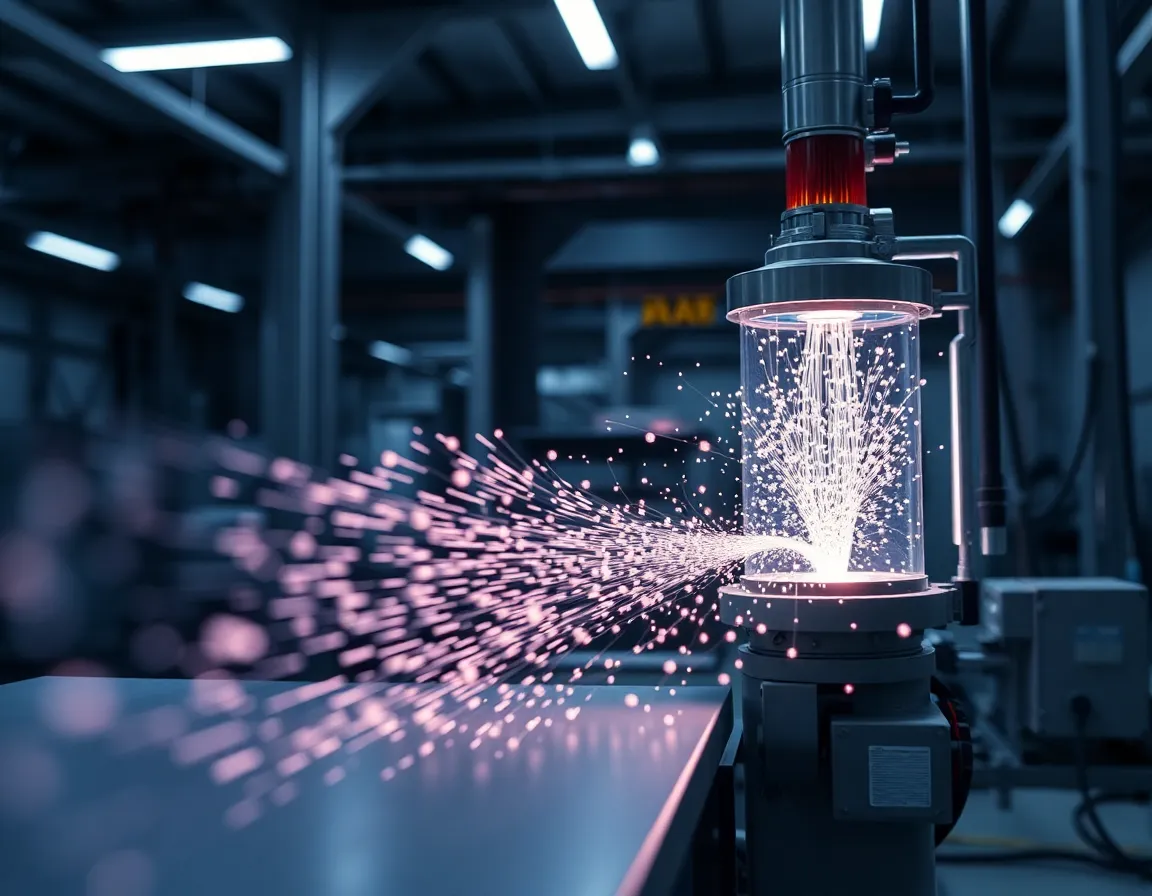
현대 의료 분야에서 의료 기기의 무균성은 단순한 규제 체크리스트가 아니라 환자 안전의 근본적인 기둥입니다. 매년 수백만 개의 수술 기구, 이식형 기기 및 진단 도구가 사용되는 시술에서 단 하나의 미생물 오염 물질이라도 심각한 감염, 패혈증 또는 이식 거부로 이어질 수 있습니다. 에틸렌 옥사이드(EtO) 가스나 감마선 조사와 같은 전통적인 멸균 방법은 종종 후처리 단계로 적용됩니다. 그러나 이러한 방법은 시간이 많이 걸리고 비용이 많이 들며 특정 폴리머를 분해시킬 수 있습니다. 바로 여기서 생물부하 관리 사출 성형 가 판도를 바꾸는 제조 철학으로 부상합니다. 이 접근 방식은 최종 멸균에만 의존하는 대신 사출 성형 공정 자체에서 부품의 미생물 부하를 사전에 관리하여 부품이 매우 낮은 초기 생물부하로 생산되도록 보장합니다. 이 기사는 생물부하 관리 사출 성형의 복잡성, 메커니즘, 이점 및 중요한 의료 응용 분야에서 필수적인 모범 사례를 탐구합니다.
생물부하 이해: 보이지 않는 위협
몰딩 공정을 자세히 살펴보기 전에, 적을 정의하는 것이 필수적입니다. 생물학적 부하, 미생물 부하라고도 알려진, 원자재, 부품 또는 완제품에 존재하는 생존 가능한 미생물(박테리아, 곰팡이, 포자, 바이러스)의 개체군을 의미합니다. 의료 기기 제조의 맥락에서 생물학적 부하는 집락 형성 단위(CFU)로 정량화됩니다. 표준 미가공 플라스틱 펠릿은 환경 노출 및 취급에 따라 그램당 1,000~10,000 CFU를 보유할 수 있습니다.
위험은 초기 개체 수 자체에만 있는 것이 아니라 증식 가능성에 있습니다. 생물학적 부하가 높은 부품이 적절한 멸균 없이 포장되면 미생물이 수분 장벽 내에서 증식하여 장치를 안전하지 않게 만들 수 있습니다. 더욱이, 높은 생물학적 부하는 하류 멸균 공정을 압도할 수 있습니다. 예를 들어, 장치의 생물학적 부하가 10,000 CFU인 경우, 개체군을 106 (6-log 감소)만큼 줄이도록 설계된 표준 EtO 사이클은 여전히 생존 가능한 미생물을 남길 수 있습니다. 결과적으로, 제조 시점에 생물학적 부하를 제어하는 것은 "있으면 좋은" 것이 아니라, 이식형 장치에 요구되는 무균 보증 수준(SAL) 10-6 을 보장하기 위한 통계적 필수 사항입니다.
생물학적 부하 제어 몰딩의 메커니즘
생물학적 부하 제어 몰딩은 단일 기술이 아니라 청정실 기술, 재료 과학 및 공정 엔지니어링을 통합하는 포괄적이고 다층적인 시스템입니다. 이는 기존의 사출 성형기를 미생물 제어의 정밀 기기로 변환합니다. 핵심 원칙은 미생물의 유입, 생존 및 성장이 모든 단계에서 체계적으로 최소화되는 환경을 조성하는 것입니다.
청정실 등급 및 기류
이 공정의 기초는 물리적 환경입니다. 몰딩은 ISO Class 7 또는 ISO Class 8 청정실 (종종 몰드 개방 영역 주변에 국소 ISO Class 5 구역 포함)에서 수행됩니다. 이러한 실내에는 0.3미크론까지 입자의 99.97%를 제거하는 고효율 미립자 공기(HEPA) 필터가 사용됩니다. 그러나 생물학적 부하 제어는 입자 수를 넘어섭니다. 청정실은 인접 공간에 대해 양압을 유지하여 여과되지 않은 공기가 유입되지 않도록 해야 합니다. 또한, 기류 패턴은 중요 구역 위에서 단방향 또는 층류가 되도록 설계되어 작업자나 장비에서 떨어질 수 있는 공기 중 미생물을 쓸어냅니다. 온도와 습도도 엄격하게 규제됩니다(일반적으로 20-25°C 및 40-60% RH). 높은 습도는 차가운 몰드 표면에 박테리아 응축을 촉진할 수 있기 때문입니다.
재료 취급 및 건조
원료 플라스틱 수지는 오염의 주요 경로입니다. 표준 수지 백은 종종 먼지, 흙, 미생물 포자가 있는 창고에 보관됩니다. 생물학적 부하 관리 사출 성형에서 수지는 무균 원료로 취급됩니다. 공정은 전용 밀폐 이송 시스템 으로 시작하여 공장 바닥에 노출되지 않고 청정 저장 사일로에서 성형 기계로 직접 수지를 운반합니다. 배럴에 들어가기 전에 수지는 0.01미크론으로 여과된 제습 공기를 사용하는 건조기 건조를 거칩니다. 이 건조 단계는 두 가지 이유로 중요합니다: 가수분해(재료 열화)를 유발할 수 있는 수분을 제거하고, 습한 수지가 박테리아의 온상이 되는 "눈덩이" 효과를 방지합니다. 일부 고급 시설에서는 UV 라이트 터널 또는 과산화수소 증기 처리를 수지 호퍼에 사용하여 펠릿 자체의 표면 생물학적 부하를 줄입니다.
기계 설계 및 금형 살균
사출 성형 기계 자체는 청소가 쉽고 오염에 강하도록 설계되어야 합니다. 주요 특징은 다음과 같습니다:
- 스테인리스 스틸 클래딩 기계 베이스 위에 적용하여 미생물을 숨길 수 있는 노출된 철 또는 도장된 표면을 제거합니다.
- 밀폐형 유압 시스템 미생물 성장을 유인하고 유지할 수 있는 오일 누출을 방지합니다.
- 살생물제로 처리된 폐쇄 루프 냉각수 시스템 금형 냉각 채널에서 생물막 형성을 방지합니다.
- 신속 금형 교체 시스템 긴 가동 중단 없이 빈번한 살균 주기를 허용합니다.
금형 자체가 가장 중요한 구성 요소입니다. 내식성 강철(예: S136 또는 420SS)로 제조되며 거울 연마 표면 마감(Ra < 0.05 µm)을 갖습니다. 매끄러운 표면은 박테리아가 부착할 수 있는 미세한 틈을 남기지 않습니다. 생산 배치 사이에 금형은 검증된 세척 프로토콜을 거칩니다: 효소 세제로 세척한 후 멸균수로 헹구고, 그 다음 기화 과산화수소(VHP) 또는 오토클레이브 처리합니다. 그런 다음 금형은 설치 시점까지 무균 필름으로 덮어 둡니다.
공정 매개변수 및 자동화
청결한 환경에서도 성형 공정 자체가 오염을 유발할 수 있습니다. 사출 유닛의 스크류와 배럴은 200-300°C로 가열되어 용융 폴리머를 효과적으로 살균합니다. 그러나 중요한 영역은 노즐과 스프루 영역, 으로, 사출 간에 냉각됩니다. 여기서 오염을 방지하기 위해 기계는 양압과 연속 퍼징이 있는 "핫 러너" 시스템을 사용합니다. 또한, 사이클 시간은 열린 금형이 환경에 노출되는 것을 최소화하도록 최적화됩니다. 자동화는 중추적인 역할을 합니다: 로봇 암 이 금형에서 부품을 꺼내 밀봉된 무균 백 또는 트레이에 직접 넣습니다. 이는 전통적인 성형에서 생물학적 부하의 가장 큰 단일 공급원인 수동 취급을 제거합니다(인간 피부는 하루에 최대 1천만 개의 입자를 벗겨냅니다).
이점: 이 접근 방식이 기존 방법보다 우수한 이유
생물학적 부하 관리 성형으로의 전환은 단순히 "더 깨끗한 부품"을 훨씬 넘어서는 심오한 이점을 제공합니다. 이러한 이점은 규제, 경제 및 임상 차원에 걸쳐 공명합니다.
향상된 무균 보증 및 제품 안전성
가장 중요한 이점은 초기 미생물 부하의 극적인 감소입니다. 표준 성형 부품의 생물학적 부하가 1,000 CFU일 수 있는 반면, 생물학적 부하 관리 부품은 일반적으로 10 CFU 미만, 으로 테스트되며, 종종 검출 한계 미만입니다. 이 낮은 생물학적 부하는 후속 살균의 신뢰성을 직접적으로 향상시킵니다. 장치가 감마선을 통한 최종 살균을 위한 것이라면, 더 낮은 초기 생물학적 부하는 더 낮은 필요한 방사선량을 의미하며, 이는 폴리머 분해를 줄이고 제품의 유통 기한을 연장합니다. 최종 살균 없이 "무균"으로 제조되는 장치(무균 공정 사용)의 경우, 생물학적 부하 관리 성형은 요구되는 SAL을 달성할 수 있는 유일한 실행 가능한 방법인 경우가 많습니다.
Regulatory Compliance and Reduced Risk
Regulatory bodies like the FDA and the EU MDR (Medical Device Regulation) are increasingly focusing on the "bioburden" as a Critical Quality Attribute (CQA). Demonstrating a robust bio-burden control strategy simplifies the validation of sterilization processes. When a manufacturer can prove that the incoming bioburden is consistently low, they can justify a lower sterilization dose (e.g., 15 kGy instead of 25 kGy for gamma irradiation). This not only saves money but also reduces the risk of product failure during validation. Furthermore, in the event of a recall or audit, a well-documented bio-burden control program provides a strong defense, showing proactive risk management rather than reactive correction.
Material Integrity and Performance
Terminal sterilization methods are harsh. EtO leaves toxic residues that require aeration, while gamma radiation can cause cross-linking or chain scission in polymers, leading to discoloration, brittleness, or loss of mechanical strength. By minimizing the reliance on these aggressive methods, bio-burden controlled molding preserves the pristine mechanical and optical properties of the resin. This is particularly critical for high-performance engineering plastics like PEEK (polyetheretherketone) used in spinal implants, or polycarbonate used in syringes. The result is a stronger, more reliable device that performs exactly as designed during its entire service life.
Applications: Where This Technology is Indispensable
While any medical device can benefit from lower bioburden, certain categories absolutely require it due to their function or regulatory classification.
- Implantable Devices and Orthopedics: Hip joints, knee replacements, and bone screws are implanted directly into the body. Even a single CFU can cause a biofilm infection that is nearly impossible to treat without removing the implant. Bio-burden controlled molding is the industry standard for these components.
- Drug Delivery Systems: Pre-filled syringes, auto-injectors, and inhalers come into direct contact with pharmaceutical formulations. High bioburden on the plastic components can degrade the drug or introduce pyrogens (fever-inducing endotoxins). Controlled molding ensures that the container closure system is clean before filling.
- Surgical Instruments: Laparoscopic graspers, trocars, and retractors are often single-use. While they are terminally sterilized, a low bioburden reduces the risk of "sterilizer resistance" and ensures the device is safe even if the packaging is slightly compromised.
- Diagnostic Microfluidics: Lab-on-a-chip devices and PCR test cartridges require extremely clean surfaces to avoid false positives from DNA or RNA contamination. Bio-burden control prevents microbial DNA from interfering with diagnostic assays.
Best Practices for Implementing Bio-Burden Controlled Molding
Successfully implementing this process requires a holistic approach that goes beyond purchasing a new machine. It demands a cultural shift toward cleanliness and validation.
Routine Environmental Monitoring (EM)
It is not enough to simply build a cleanroom; you must prove it works daily. Implement a rigorous EM program that includes:
- Air sampling for viable particles (using settle plates and active air samplers) at critical points during each shift.
- Surface swabbing of the injection nozzle, mold faces, and robotic grippers after every production run.
- Personnel monitoring via glove prints and gowning swabs to ensure operators are not shedding microbes.
Set alert and action limits based on historical data. For instance, an action limit of 1 CFU on a mold face might trigger an immediate halt and sanitization cycle.
Material Qualification and Vendor Management
Your raw resin supplier must be treated as a partner in sterility. Establish a Certificate of Analysis (CoA) requirement for each lot, specifying the maximum allowable bioburden (e.g., < 100 CFU/g). Consider using "medical grade" resins that are manufactured under GMP (Good Manufacturing Practices) and are inherently low in microbial content. Store resins in a dedicated, climate-controlled cleanroom warehouse, and use them on a first-in, first-out (FIFO) basis to prevent aging and moisture absorption.
Validation of Cleaning and Sanitization
Every cleaning protocol, whether for the mold, the machine, or the cleanroom, must be validated for efficacy. This involves deliberately contaminating surfaces with a known quantity of a resistant microorganism (e.g., Bacillus atrophaeus spores) and then running the cleaning cycle to demonstrate a consistent log reduction (e.g., a 3-log reduction). This validation must be repeated periodically or after any major process change to ensure continued effectiveness.
Training and Gowning Discipline
Human operators are the weakest link. They must undergo comprehensive training in aseptic techniques. This includes proper gowning procedures (sterile gowns, hoods, masks, double gloves, and boots), restricted movement in the cleanroom, and absolute prohibition of cosmetics or jewelry. Regular competency assessments and microbial fingerprinting of operators can help identify chronic shedders who may need to be reassigned to non-critical tasks.
Conclusion: The Future of Sterile Manufacturing
Bio-burden controlled molding is not a passing trend; it is a paradigm shift in how we approach medical device safety. By integrating contamination control into the very fabric of the manufacturing process, we move away from the reactive model of "make it dirty, then sterilize it" toward a proactive model of "make it clean from the start." This approach yields parts that are not only biologically safer but also physically superior, retaining the full strength and clarity of the base polymer. As healthcare demands increase—with more complex implantable devices, personalized medicine, and point-of-care diagnostics—the need for precise, reliable, and low-bioburden components will only grow. Companies that invest in bio-burden controlled molding are not just meeting regulatory standards; they are setting a new benchmark for excellence, protecting patients, and building a reputation for uncompromising quality in the most critical field of manufacturing. The sterile part is no longer the end product of a sterilization process—it is the inherent outcome of a controlled and intelligent molding process.