
장점

뛰어난 제품 순도 및 성능

결함을 유발하는 오염 물질을 제거하여 향상된 기계적 및 광학적 특성을 갖춘 일관되고 고품질의 부품을 보장합니다.

폐기물 감소 및 생산 비용 절감

불량품과 재작업 주기가 줄어들어 재료비와 인건비가 절감되고 제조 수익성이 직접적으로 향상됩니다.

금형 및 장비 수명 연장

더 깨끗한 수지는 금형의 마모와 부식을 줄여 다운타임과 유지보수 비용을 최소화합니다.

엄격한 산업 표준 준수

까다로운 의료, 자동차, 전자 규정을 충족하여 시장 접근성과 고객 신뢰를 확보합니다.

고순도 플라스틱 성형의 이해: 정밀 분야

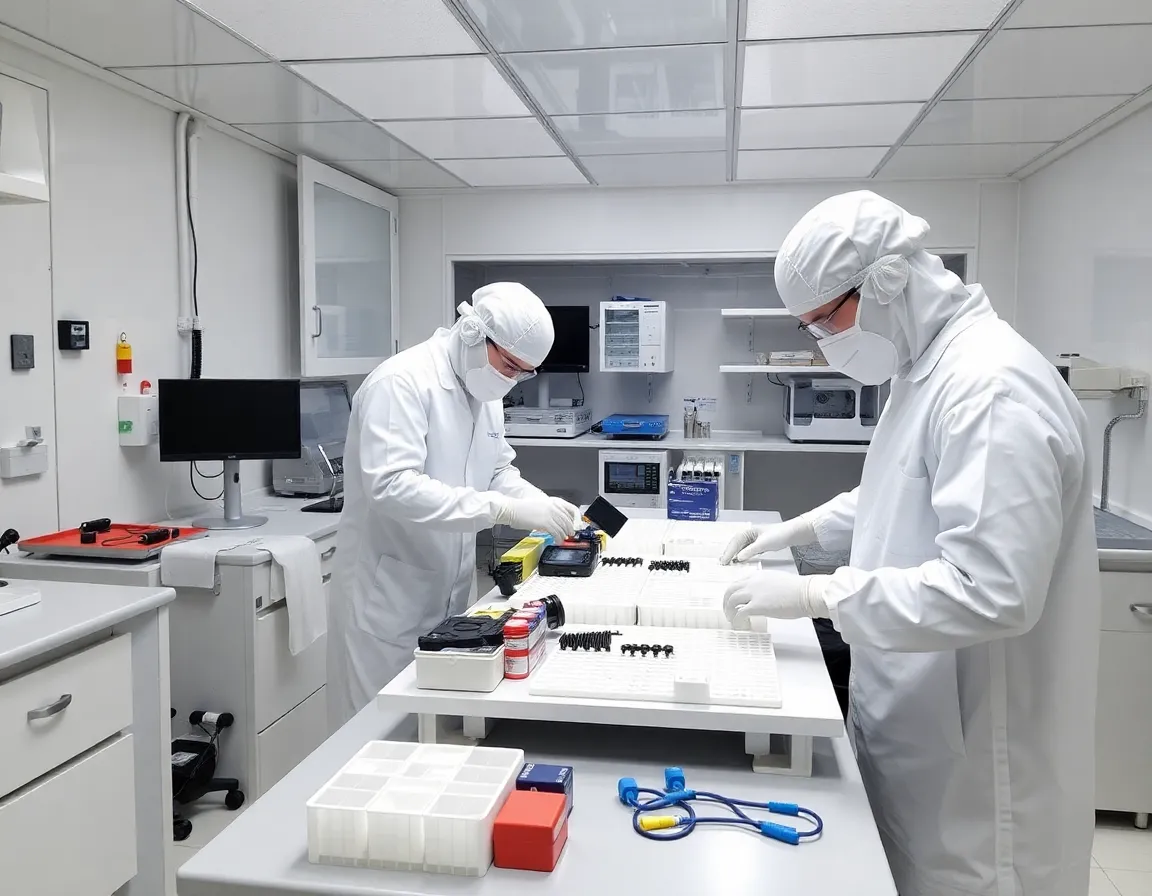
고순도 플라스틱 성형은 기존 사출 성형을 훨씬 뛰어넘는 특수 제조 공정입니다. 이는 오염 물질, 입자, 이온 잔류물, 유기 휘발성 물질의 수준이 극히 낮은 플라스틱 부품을 생산하는 기술이자 과학입니다. 반도체 제조, 의료기기 제조, 제약 가공, 생명공학과 같은 산업에서는 단 하나의 미세 입자만으로도 전체 제품 배치가 사용 불가능해지거나 생명이 걸린 시술이 손상될 수 있습니다. 이 공정은 첨단 기계뿐만 아니라 클린룸 프로토콜, 재료 과학, 공정 검증에 대한 총체적 접근을 요구합니다. 표준 성형 부품과 고순도 부품의 차이는 10억분율(ppb) 단위로 측정되며, 그러한 수준의 정밀도를 달성하려면 세계적 수준의 시설과 평범한 시설을 구분하는 일곱 가지 핵심 비결을 숙달해야 합니다.

주요 초점이 치수 공차와 사이클 시간에 있는 표준 성형과 달리, 고순도 성형은 화학적 불활성, 표면 무결성, 추출물 부재. 를 우선시합니다. PEEK, PTFE, PFA, 초고순도 폴리프로필렌과 같은 사용되는 폴리머는 용출될 수 있는 가소제, 안정제, 충전제 없이 특별히 배합되어야 합니다. 성형 환경 자체는 일반적으로 ISO Class 7 이상의 등급을 갖춘 통제된 클린룸이어야 하며, 공기 중 입자를 지속적으로 모니터링해야 합니다. 이는 단순한 제조 기술이 아니라 수지 취급부터 최종 포장까지 생산의 모든 측면에 영향을 미치는 포괄적인 품질 철학입니다.

일곱 가지 핵심 정밀도 비밀

고순도 플라스틱 성형을 마스터하려면 서로 구별되면서도 상호 연결된 일곱 가지 요소에 대한 깊은 이해가 필요합니다. 각 비밀은 오염을 유발하거나 정밀도를 저해할 수 있는 특정한 실패 지점을 다룹니다. 일곱 가지 모두가 완벽하게 실행될 때, 그 결과물은 세계에서 가장 엄격한 순도 기준을 충족하는 부품이 됩니다.

비밀 1: 수지 건조 및 취급 프로토콜

첫 번째 비밀은 원재료의 준비에 있습니다. 많은 엔지니어링 폴리머는 흡습성으로, 공기 중의 수분을 흡수합니다. 일반 성형에서는 이 수분이 스플레이(splay)나 은색 줄무늬 같은 외관 결함을 일으킵니다. 고순도 성형에서는 흡수된 수분이 폴리머 사슬의 가수분해 열화 를 일으켜 부품을 오염시키는 휘발성 유기 화합물(VOC)을 방출할 수 있습니다. 비밀은 이슬점을 -40°C 이하로 유지하는 제습 건조기가 장착된 전용 밀폐 건조 호퍼를 사용하는 것입니다. 결정적으로, 수지는 산화를 방지하기 위해 불활성 질소 분위기에서 취급되어야 합니다. 건조 호퍼에서 성형기로의 이송은 질소로 퍼지된 밀폐 진공 이송 라인을 통해 이루어져야 하며, 이를 통해 수지가 주변 공기와 절대 접촉하지 않도록 합니다. 이는 수분 흡수와 공기 중 미립자 유입을 모두 방지합니다.

비밀 2: 전단 제어를 위한 스크류 및 배럴 설계

사출 성형기의 가소화 장치는 적절하게 설계되지 않으면 주요 오염원이 됩니다. 표준 스크류는 높은 처리량을 위해 설계되었지만, 폴리머를 열화시켜 저분자량 파편과 탄화 입자를 생성할 수 있는 높은 전단력을 발생시킵니다. 여기서의 비밀은 완만하고 점진적인 전이 구역을 갖춘 저압축비 스크류 입니다. 이 설계는 폴리머 사슬에 가해지는 전단 열과 기계적 응력을 최소화합니다. 또한 스크류와 배럴은 바이메탈 복합재나 세라믹 코팅 강철과 같은 내식성, 내마모성 합금으로 제작되어야 합니다. 이는 금속 이온이 스크류 표면에서 마모되어 용융물에 유입되는 것을 방지합니다. 배럴에는 열화를 유발하는 압력 급등을 일으키지 않고 잔류 가스나 수분 증기가 빠져나갈 수 있도록 특별히 설계된 벤트 구역도 있어야 합니다.

비밀 3: 금형 내 정밀 온도 제어

온도 균일성은 세 번째 핵심 비밀입니다. 고순도 성형에서는 금형 온도가 전체 캐비티 표면에 걸쳐 ±1°C 이내로 제어되어야 합니다. 이는 단순한 직선 드릴 라인이 아닌 부품 형상의 정확한 윤곽을 따르는 컨포멀 냉각 채널 를 사용하여 달성됩니다. 냉각 매체는 일반적으로 잔류물을 남기지 않는 탈이온수 또는 특수 열전달 유체입니다. 금형 자체는 거울 마감으로 전해 연마된 스테인리스 강(예: 17-4 PH 또는 S136)으로 제작되어야 합니다. 이 거울 마감은 필수적인데, 금형 표면의 미세한 흠집이나 공극이 폴리머 잔류물의 트랩이 되어 이후 사이클에서 열화되어 오염 물질을 방출하기 때문입니다. 또한 금형에는 가열 스프루 부싱과 재료가 정체되어 열화될 수 있는 데드 존이 없는 핫 러너 시스템이 갖추어져야 합니다.

비밀 4: 제어된 감압 및 벤팅

갇힌 공기와 가스는 순도의 적입니다. 공기가 캐비티 내부에서 압축되면 단열 가열이 일어나 폴리머를 태우고 탄화 입자를 생성할 수 있습니다. 비밀은 두 가지 접근 방식입니다. 첫째, 금형에는 마이크로 벤팅(micro-venting)— 충전 경로 끝단에 위치한 극히 얕은 벤트 채널(깊이 0.01~0.02mm). 이 벤트는 공기가 빠져나가도록 하지만 용융 폴리머가 플래시로 유입되기에는 너무 작습니다. 둘째, 사출 공정은 제어된 감압(흡입-백, suck-back) 단계를 사용해야 합니다. 스크루가 멈춘 후 약간 후퇴하여 노즐 내 압력을 낮추어 드룰(drool)과 스트링잉(stringing)을 방지합니다. 이 감압은 또한 약간의 진공을 생성하여 잔류 휘발성 가스가 부품 내에 갇히지 않고 배럴로 다시 끌어들여 제거되도록 돕습니다.

비밀 5: 성형 후 클린룸 취급

성형 공정은 부품이 이젝트될 때 끝나는 것이 아닙니다. 사실, 이젝트되는 순간이 오염 위험이 가장 높은 시점입니다. 부품은 여전히 뜨겁고 정전기가 대전되어 있어 공기 중 입자를 끌어당기는 자석과 같습니다. 비밀은 성형기를 클린룸에 직접 통합, 즉 클린 존 내부에서 금형이 열리도록 하는 것입니다. 세라믹 또는 코팅 알루미늄과 같은 비-발진(non-shedding) 소재로 만들어진 로봇 암이 핵심 표면을 접촉하지 않고 부품을 빼내야 합니다. 그런 다음 부품은 밀봉된 정전기 방지 용기에 떨어져 즉시 질소로 퍼지됩니다. 어떤 사람의 손도 성형 부품에 접촉하지 않습니다. 또한, 성형 후 전체 구역은 금형에서 외부로 흐르는 층류 공기 흐름(HEPA 필터링)을 갖추어 외부 오염이 열린 캐비티로 유입되는 것을 방지해야 합니다.

비밀 6: 실시간 공정 모니터링 및 데이터 로깅

측정 없이는 일관성이 불가능합니다. 여섯 번째 비밀은 금형 내 센서 (압력 및 온도 트랜스듀서)를 구현하여 매 사이클을 실시간으로 모니터링하는 것입니다. 이 센서들은 데이터를 폐루프 제어 시스템에 공급하여 사출 속도, 보압, 냉각 시간을 자동으로 조정해 완벽한 반복성을 유지합니다. 그러나 더 깊은 비밀은 데이터 로깅 자체입니다. 모든 사이클은 디지털 지문, 즉 압력, 온도, 스크루 위치의 트레이스를 생성합니다. 이 데이터는 각 시리얼화된 부품에 대해 안전한 데이터베이스에 저장됩니다. 하류 품질 검사에서 오염 문제가 발견되면 엔지니어는 해당 부품을 생산한 정확한 사이클 파라미터를 추적하여 이상을 식별할 수 있습니다. 이러한 수준의 추적성은 단지 모범 사례가 아니라 의료 및 제약 응용 분야에서의 규제 요건입니다.

비밀 7: 검증 및 통계적 공정 관리(SPC)

마지막 비밀은 기계를 초월하여 방법론의 영역으로 들어갑니다. 고순도 성형은 파라미터를 한 번 설정하고 최선을 기대하는 것으로 달성할 수 없습니다. 여기에는 IQ(설치 적격성 평가), OQ(운전 적격성 평가), PQ(성능 적격성 평가)를 포함한 엄격한 검증 프로토콜 이 필요합니다. PQ 동안 공정은 최소 1.67의 Cpk(공정 능력 지수)를 입증해야 하며, 이는 공정 변동이 공차 범위의 20% 미만임을 의미합니다. 그러나 진정한 비밀은 지속적인 SPC입니다. 모든 부품 배치는 액체 입자 계수기를 사용하여 입자 수준을, 이온 크로마토그래피를 사용하여 이온 잔류물을 검사합니다. 결과는 관리도에 표시됩니다. 고장이 발생하기 전에 오염 경향이 나타나면 공정이 중단되고 수정됩니다. 이러한 사전 예방적이고 데이터 기반 접근 방식은 공정이 규격 미달 상태로 절대 표류하지 않도록 보장합니다.

고순도 성형의 주요 이점

이 일곱 가지 비밀을 숙달함으로써 얻는 이점은 심오하고 측정 가능합니다. 무엇보다도 첫째는 제품 신뢰성. 반도체 제조에서는 플라스틱 부품에서 나온 단 하나의 입자도 마이크로칩의 단락을 일으켜 수백만 달러의 생산 손실을 초래할 수 있습니다. 고순도 부품은 이러한 위험을 제거합니다. 이식형 펌프나 투석 필터와 같은 의료 기기에서는 용출물이 없기 때문에 환자의 유해한 면역 반응을 예방합니다. 둘째, 고순도 사출 성형은 후공정 세척 비용. 을 크게 절감합니다. 많은 기존 부품은 사용 전에 엄격한 세척과 멸균이 필요합니다. 고순도 부품은 즉시 사용할 수 있어 시간과 자원을 절약합니다. 셋째, 정밀한 온도 제어와 저전단 가공은 우수한 기계적 물성을 구현합니다. 즉, 폴리머 사슬이 분해되지 않기 때문에 부품의 인장 강도가 더 높고 내화학성이 더 우수합니다. 넷째, 포괄적인 데이터 로깅은 완전한 규제 준수, 를 제공하여 FDA 또는 CE 승인을 더 쉽게 획득할 수 있게 합니다.

고순도가 요구되는 핵심 응용 분야

고순도 플라스틱 사출 성형의 응용 분야는 다양할 뿐만 아니라 그 요구 수준도 매우 높습니다. 반도체 산업, 에서는 웨이퍼 캐리어, 화학물질 이송 피팅, CMP(화학적 기계적 평탄화) 링과 같은 부품을 초고순도 PEEK 또는 PFA로 성형하여 금속 이온 용출 없이 강한 화학물질을 견딜 수 있도록 합니다. 바이오의약품 제조, 에서는 일회용 생물반응기 백에 사용되는 포트와 커넥터를 의료용 등급 폴리머로 성형하여 분해 없이 감마선 멸균을 견딜 수 있어야 합니다. 분석 기기, 크로마토그래피 컬럼 피팅 및 질량 분석 인터페이스와 같은 구성 요소는 미량 분석물의 정확한 검출을 보장하기 위해 배경 오염이 전혀 없어야 합니다. 또 다른 성장하는 응용 분야는 수소 연료 전지 기술로, 여기서는 씰과 매니폴드가 촉매를 오염시키지 않을 만큼 충분히 순수해야 합니다. 마지막으로, 항공우주, 분야에서는 탄화수소 오염이 치명적인 연소를 일으킬 수 있는 산소 시스템에 고순도 플라스틱 밸브와 베어링이 사용됩니다.

고순도 성형 구현을 위한 모범 사례

표준 성형에서 고순도 성형으로 전환하려는 기업의 경우, 몇 가지 모범 사례가 전환 과정을 순조롭게 할 수 있습니다. 첫째, 클린룸 인프라에 먼저 투자하십시오, (마지막이 아님). 많은 시설이 기존 기계 주변에 클린룸을 개조하려고 시도하는데, 이는 기류 사각지대를 만듭니다. 바닥 아래 복귀 기류를 위한 이중 바닥을 갖춘 목적 맞춤형 클린룸이 이상적입니다. 둘째, 초순수 등급을 전문으로 하며 각 배치에 대한 분석 성적서를 제공할 수 있는 수지 공급업체와 협력하십시오 . 표준 등급 수지가 충분히 순수하다고 절대 가정하지 마십시오. 셋째, 인원을 엄격하게 교육하십시오. 자동화 라인에서도 유지보수와 문제 해결을 위한 인적 개입은 불가피합니다. 모든 기술자는 자신의 피부 세포, 머리카락, 호흡이 오염원이라는 점을 이해해야 합니다. 넷째, 성형 기계의 수배관 및 공기관에 대한 주간 입자 테스트를 포함하는 예방 유지보수 일정을 수립하십시오 (수립하십시오). 마지막으로, start with a pilot run of 100 parts and test them extensively before committing to full production. This pilot run will reveal hidden contamination sources that were not apparent during setup.

Conclusion: The Future of High Purity Molding

As technology pushes toward smaller geometries in electronics and more potent biologics in medicine, the demand for high purity plastic molding will only intensify. The seven secrets outlined here are not optional extras; they are mandatory disciplines that define the field. From the microscopic control of resin handling to the macroscopic oversight of statistical process control, each secret contributes to a system that is greater than the sum of its parts. The facilities that embrace these secrets will produce components that enable the next generation of innovation. Those that ignore them will find themselves locked out of the most advanced and lucrative markets. High purity molding is not just a manufacturing process—it is a commitment to perfection, measured in the absence of what we cannot see but what we know would harm us.

자주 묻는 질문

What exactly is high purity plastic molding and which industries rely on it?

+

High purity plastic molding is a specialized manufacturing process that produces plastic components with extremely low levels of contaminants, such as residual chemicals, particulates, ions, and organic volatiles. Unlike standard molding, it uses dedicated cleanroom environments, medical-grade or virgin resins, and rigorous process controls to ensure the final part meets strict purity specifications, often measured in parts per million or billion. Industries that depend on this include semiconductor fabrication (for wafer carriers and chemical handling), biotechnology (for lab consumables), pharmaceuticals (for drug delivery devices), and medical devices (for implants or surgical tools). These sectors require parts that won't leach impurities into sensitive processes or human bodies. High purity plastic molding often involves techniques like injection molding or compression molding, but with additional steps such as post-mold extraction, ultrasonic cleaning, and packaging in sterile, anti-static bags. If your product touches a chemical, a living cell, or a microchip, high purity molding is likely essential to maintain integrity and performance.

How does high purity plastic molding differ from standard plastic molding in terms of process and equipment?

+

The core difference lies in the entire ecosystem of the molding process. Standard molding may take place in a typical factory floor with ambient air, whereas high purity plastic molding occurs inside ISO Class 7 or cleaner cleanrooms, with HEPA-filtered air, positive pressure, and strict gowning protocols for operators. The molding machines themselves are often modified with stainless steel barrels, special screws, and no-lubricant zones to prevent metallic or oil contamination. The resin is handled with dedicated conveying systems that avoid cross-contamination, and often the material is dried and stored under nitrogen. Additionally, mold tools are polished to a mirror finish to reduce surface defects and bacterial traps. After molding, parts are not simply ejected into a bin; they are robotically removed and placed into sealed, clean containers. The process also includes frequent in-line particle monitoring and outgassing tests. In essence, high purity molding adds layers of environmental control, material traceability, and post-processing validation that are absent from commodity molding, significantly raising the quality bar but also the operational complexity.

What are the key benefits of using high purity plastic molding for my medical or electronic components?

+

The primary benefit is reliability under extreme conditions. For medical components like syringes or implantable housings, high purity plastic molding ensures no toxic leachables or particulates that could trigger immune responses or infection. This directly supports regulatory compliance with ISO 13485 and FDA requirements, reducing the risk of product recalls. For electronic or semiconductor parts, purity prevents ionic contamination that can cause corrosion, electrical leakage, or microchip failure. Another benefit is extended product lifespan—purer parts resist degradation from chemical exposure or UV light. You also gain batch-to-batch consistency, because high purity molding requires validated processes and raw material lot traceability, which means every part behaves identically. This reduces your scrap rates and field failures, ultimately lowering total cost of ownership. Furthermore, high purity molded parts often have superior surface finish (low roughness), which improves sealing performance in fluidic systems and ease of sterilization. In short, you get safety, performance, and compliance, all of which are non-negotiable in high-stakes industries.

What are the most common quality concerns with high purity plastic molding, and how are they addressed?

+

Common concerns include particulate shedding, chemical outgassing, residual stress, and mold release agent contamination. Particulates can arise from worn screws or ambient dust, so manufacturers use ceramic or coated components and conduct periodic particle count tests per ISO 14644. Outgassing is addressed by selecting low-volatile resins and performing vacuum degassing during molding, followed by post-mold baking in some cases. Residual stress can cause cracking or warping later; this is mitigated by optimizing injection speed, melt temperature, and using slow cooling cycles. Mold release agents are a notorious issue because they leave invisible films—high purity molding avoids them entirely by using polished molds with self-releasing geometries or dry-film coatings. Another concern is biological contamination, which is tackled with autoclave-compatible materials and sterile packaging. To verify all these, manufacturers use analytical techniques like Fourier-transform infrared spectroscopy (FTIR), gas chromatography-mass spectrometry (GC-MS), and total organic carbon (TOC) analysis. A reputable molder will provide a detailed certificate of analysis (COA) for each batch, documenting purity metrics and traceability, giving you confidence that the parts meet your exact specifications.

How does the cost and lead time of high purity plastic molding compare to standard molding, and what factors influence pricing?

+

High purity plastic molding typically costs 30% to 100% more than standard molding, and lead times are 20% to 50% longer. The price increase stems from several factors: cleanroom operational costs (HVAC, gowning, monitoring), premium virgin resins that are more expensive than recycled or commodity grades, and the need for specialized tooling with tighter tolerances and finer finishes. Additionally, every batch requires extensive validation steps—like initial process qualification (IQ/OQ/PQ) and ongoing lot-release testing—which add labor and time. The use of automated robotics and isolation systems also raises capital costs, which are amortized into part pricing. Lead times are longer because mold qualification involves multiple trial runs under cleanroom conditions, and you must wait for analytical test results (often 2-4 weeks) before production can be approved. However, for low-volume, high-criticality parts, the cost premium is justified because a single contamination failure could cost millions in recalls or lost production. To optimize costs, consider ordering larger quantities, standardizing part geometries, and working with a molder who has existing cleanroom capacity and experience with your material.

댓글

Sarah Mitchell
★ ★ ★ ★ ★

We switched to this supplier for our medical device components, and the high purity molding has been

David Chen
★ ★ ★ ★ ★

반도체 장비 제조사로서 우리는 제로 아웃게싱과 최소한의 이온 잔류물을 요구합니다. T

Emily Rodriguez
★ ★ ★ ★ ★

우리 연구소는 극도로 엄격한 공차와 용출 가능한 물질이 없는 맞춤형 PTFE 유사 불소중합체 부품이 필요했습니다

James O'Brien
★ ★ ★ ★ ★

우리는 분석 기기에 그들의 고순도 성형 부품을 사용하는데, 여기서는 미량의 유기물조차도 c

견적 받기