
소개: 정밀도와 순도의 중요한 교차점
의료 기기 제조의 위험도가 높은 세계에서 오류의 여유는 미크론 단위로 측정되며, 오염의 비용은 환자의 생명으로 측정될 수 있습니다. 의료 기술이 더 작고, 더 복잡하며, 더 이식 가능한 장치로 발전함에 따라 이를 구성하는 부품에 대한 요구 사항은 매우 엄격해졌습니다. 이것이 바로 클린룸 사출 성형 서비스 니치 전문 분야에서 기본 요구 사항으로 진화했습니다. 클린룸 성형은 단순히 먼지 없는 방에서 수행되는 표준 사출 성형이 아닙니다. 이는 모든 폴리머 부품이 절대적인 생물학적 안전성, 치수 무결성 및 기능적 신뢰성을 가지고 나오도록 설계된 총체적이고 통제된 제조 생태계입니다. 의료 기기 OEM의 경우 이 프로세스의 심오한 이점을 이해하는 것은 단순히 규정 준수에 관한 것이 아닙니다. 품질이 궁극적인 차별화 요소인 시장에서 경쟁 우위를 확보하는 것입니다.
클린룸 사출 성형 이해: 단순한 화이트 룸 그 이상
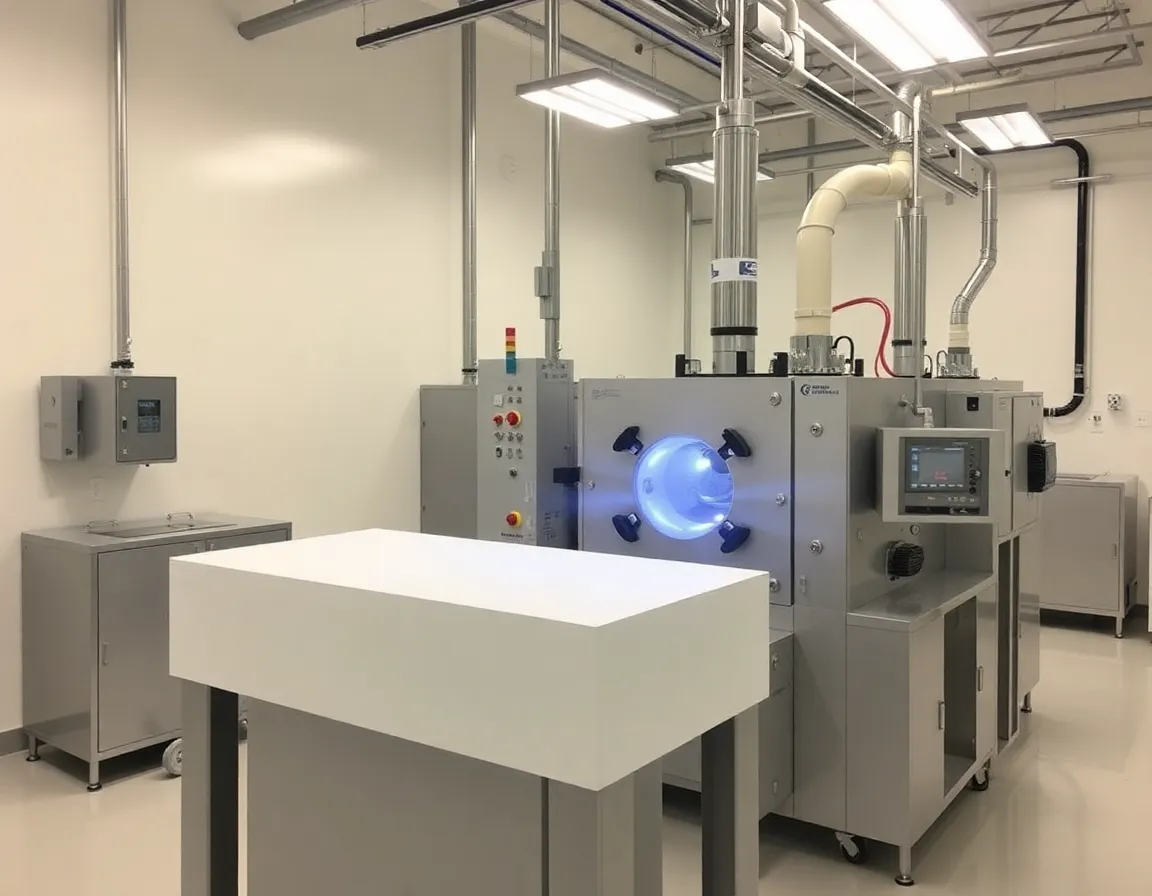
이점을 이해하려면 먼저 프로세스를 이해해야 합니다. 클린룸 사출 성형은 기존의 열가소성 사출 성형의 역학과 일반적으로 ISO 14644-1 표준(Class 7에서 Class 5까지, Class 5가 가장 엄격함)에 따라 분류되는 엄격하게 제어된 환경을 결합합니다. 이러한 방은 공기 중 입자 농도, 온도, 습도 및 양압에 대한 특정 한계를 유지합니다. 그러나 진정한 정교함은 보조 시스템에 있습니다. 클린룸 사출 성형 서비스 HEPA/ULPA 여과 시스템, 자동 부품 핸들링 로봇, 다운스트림 클린룸 조립 라인과 같은 특수 장비를 통합하여 성형 부품과 사람의 접촉을 방지합니다.
또한, 이 공정은 물리적 환경을 넘어 자재 취급까지 확장됩니다. 원료 수지는 종종 진공 건조 및 밀폐 시스템으로 이송되어 수분 흡수와 오염을 방지합니다. 금형 자체는 신속하고 플래시 없는 작동을 위해 설계되었으며, 종종 고급 벤팅 및 온도 제어 시스템을 활용하여 사이클 시간을 최소화하면서 부품 일관성을 극대화합니다. 목표는 원료 폴리머 펠릿에서 멸균된 포장 준비 완료 의료 부품까지 원활한 흐름을 만들어 부품이 통제되지 않은 대기 조건에 노출되지 않도록 하는 것입니다.
규제 기반: 표준 성형이 실패하는 이유
표준 사출 성형 업체는 의료 부문의 규제 조사를 처리할 능력이 부족합니다. FDA 및 ISO 13485 표준은 기존 시설에서 제공할 수 없는 추적성, 검증 및 환경 모니터링을 요구합니다. 클린룸 성형 서비스는 환경 입자 수, 자재 로트 번호 및 공정 매개변수 로그를 포함한 모든 배치의 완전한 문서화를 제공합니다. 이 데이터 추적은 단순한 관료적 서류가 아니라 장치가 인간 사용에 안전하다는 것을 증명하는 데 필요한 과학적 증거입니다. 이 통제된 환경이 없으면 육안으로 완벽한 부품이라도 면역 반응이나 장치 고장을 유발할 수 있는 미세한 생물학적 또는 입자상 오염 물질을 품을 수 있습니다.
이점 1: 우수한 생물학적 안전성 및 오염 위험 감소
클린룸 성형의 가장 명백하고 중요한 이점은 오염의 획기적인 감소입니다. 특히 임플란트, 약물 전달 시스템 또는 수술 기구와 관련된 의료 응용 분야에서 이물질(먼지, 피부 세포 또는 미생물 포자)은 심각한 부작용을 유발할 수 있습니다. 클린룸 사출 성형 서비스 다층 방어 메커니즘을 통해 이 위험을 완화합니다.
- 공기 중 입자 제어: HEPA 여과는 공기를 지속적으로 세척하여 0.3 미크론보다 큰 입자의 99.97%를 제거합니다.
- 양압 구역: 클린룸은 인접 지역보다 높은 기압을 유지하여 문이 열릴 때 여과되지 않은 공기가 유입되는 것을 방지합니다.
- 최소한의 인간 개입: 로봇 팔이 금형에서 부품을 꺼내 밀봉 포장으로 직접 옮겨 오염의 가장 큰 원인인 인간 작업자를 제거합니다.
이 통제된 환경은 완성된 부품이 엄격한 내독소 한계 및 생물 부하 임계값을 충족하여 신체 조직과의 직접 또는 간접 접촉에 안전함을 보장합니다. 제조업체에게 이는 거부된 배치 감소, 비용이 많이 드는 리콜 위험 감소, 그리고 가장 중요하게는 환자 안전 강화로 이어집니다.
이점 2: 비교할 수 없는 치수 일관성 및 정밀도
의료 기기는 종종 카테터 팁, 밸브 하우징 또는 광학 렌즈와 같은 미세 규모의 특징을 가지며, 여기서 공차는 밀리미터의 천분의 일 단위로 측정됩니다. 주변 온도와 습도의 변동은 플라스틱 수지가 예측할 수 없게 팽창하거나 수축하게 하여 휨이나 플래시를 유발할 수 있습니다. 클린룸 환경은 열적으로 안정적이며, 종종 설정점의 ±1°C 이내로 유지되어 폴리머의 반복 가능한 분자 결정화 가 냉각 단계에서 일어날 수 있게 합니다.
실시간 공정 제어
현대 클린룸 사출 성형 기계는 캐비티 압력, 용융 온도 및 사출 속도를 실시간으로 모니터링하는 폐쇄 루프 제어 시스템을 갖추고 있습니다. 안정적인 환경과 결합될 때, 이러한 시스템은 수백만 사이클에 걸쳐 사실상 동일한 부품을 생산합니다. 이러한 정밀도는 주사기 배럴과 플런저와 같이 다른 부품과 인터페이스해야 하는 구성 요소에 중요하며, 0.01mm의 변동만으로도 누출이나 파손을 유발할 수 있습니다. 그 결과는 매번 정확히 설계된 대로 기능하는 제품으로, 2차 검사 및 선별의 필요성을 줄입니다.
이점 3: 향상된 재료 무결성 및 성능
PEEK, 폴리카보네이트 및 액상 실리콘 고무(LSR)와 같은 많은 의료용 폴리머는 환경 오염 물질에 매우 민감합니다. 수분 흡수만으로도 폴리머 사슬이 분해되어 취성 부품이나 스플레이와 같은 표면 결함이 발생할 수 있습니다. 클린룸 시설은 건조제 건조기와 밀폐된 재료 호퍼를 사용하여 수지가 0.02% 미만의 수분 함량으로 처리되도록 합니다. 또한 클린룸 분위기는 고온 성형 공정 중에 폴리머와 반응할 수 있는 공기 중 오일이나 화학 물질의 침착을 방지합니다.
이러한 재료 무결성의 보존은 우수한 기계적 강도, 내화학성 및 광학적 투명성을 가진 부품을 만듭니다. 예를 들어, 클린룸에서 성형된 이식 가능한 PEEK 척추 케이지는 수분 유발 가수분해로 인해 형성될 수 있는 미세한 공극 없이 하중 지지 응용 분야에 필요한 정확한 인장 계수와 피로 저항성을 나타냅니다. 본질적으로 클린룸 성형은 고급 생체 재료의 전체 성능 잠재력을 발휘하게 합니다.
이점 4: 간소화된 후처리 및 더 빠른 시장 출시
전통적으로 비클린룸 환경에서 성형된 부품은 세척, 초음파 세척, 플래시 제거 및 수동 검사와 같은 광범위한 2차 작업이 필요합니다. 이러한 단계는 시간이 많이 걸릴 뿐만 아니라 취급 손상의 추가 위험을 도입합니다. 클린룸 사출 성형 서비스 클린룸 성형 공정은 이러한 다운스트림 단계를 제거하거나 대폭 줄이도록 설계되었습니다.
- 인몰드 조립: 고급 클린룸 공정은 단일 사이클에서 여러 재료(예: 딱딱한 코어와 소프트 터치 실리콘 코팅)를 오버몰딩하여 별도의 조립 단계를 제거할 수 있습니다.
- 클린룸 호환 포장: 부품은 클린룸 내에서 의료용 Tyvek 파우치 또는 블리스터 팩으로 직접 옮겨져 무균 상태를 유지할 수 있습니다.
- Integrated Inspection: Vision systems inside the cleanroom can perform 100% automated inspection for flash, discoloration, or missing features, immediately rejecting defective parts without manual handling.
By collapsing the timeline between molding and final packaging, manufacturers can significantly compress their production lead times. This agility is paramount in the medical field, where speed-to-market for a novel therapeutic device can mean capturing a significant share of a lucrative market before competitors. Furthermore, eliminating secondary processes reduces labor costs and the total cost of ownership for the device.
Benefit 5: Scalability and Long-Term Cost Efficiency
While the initial setup cost for a cleanroom molding line is higher than a standard line, the long-term economic benefits are substantial. The high level of process automation and environmental stability leads to lower scrap rates and rework costs. In standard molding, scrap rates can range from 2% to 5%; in a well-managed cleanroom, this can be reduced to below 0.5%.
Total Cost of Quality
Consider the hidden costs of a contamination failure: a recalled implantable device can cost millions in legal fees, regulatory fines, and brand damage. Cleanroom molding acts as an insurance policy against these catastrophic risks. Moreover, the scalability of cleanroom operations allows manufacturers to smoothly transition from pilot runs (for clinical trials) to high-volume production (for commercial launch) without changing the core manufacturing process. The process validation remains consistent, meaning that the FDA-approved design is identical to the mass-produced version, eliminating the need for costly re-validation.
Additionally, many cleanroom molding providers offer design for manufacturability (DFM) consulting. They can suggest material substitutions or geometry changes that reduce cycle times and material waste, further driving down unit costs. When amortized over the lifecycle of a successful medical device, the investment in cleanroom molding yields a significant return on investment.
Applications Across the Medical Spectrum
The benefits of cleanroom molding are leveraged across a diverse range of medical devices. Here are just a few key application areas:
- Implantable Devices: Orthopedic anchors, pacemaker housings, and cochlear implant components that require biocompatibility and zero microbial presence.
- Drug Delivery Systems: Auto-injectors, insulin pens, and inhalers where precise dosing and contamination-free pathways are essential for drug efficacy.
- Surgical Instruments: Disposable forceps, trocars, and retractors that must be sterile and sharp for single-use procedures.
- Diagnostic Components: Microfluidic chips and cuvettes used in blood analysis, where optical clarity and chemical inertness are critical for accurate test results.
Best Practices for Selecting a Cleanroom Molding Partner
To fully realize these benefits, medical device companies must choose their manufacturing partner wisely. The following best practices are essential:
1. Verify Certifications, Not Just Claims
Ensure the facility holds current ISO 13485 certification and is in compliance with FDA 21 CFR Part 820 Quality System Regulations. Ask for recent environmental monitoring reports to verify the actual particle counts, not just the nominal class rating.
2. Assess Material Handling Capabilities
Inquire about how they handle sensitive resins. Do they use vacuum conveying? Are material lots quarantined until verified? A partner who treats raw materials with the same rigor as finished parts is a good sign.
3. Evaluate Automation and Data Acquisition
Look for facilities that employ robotic part extraction and have a robust Manufacturing Execution System (MES). The ability to provide batch-level traceability data electronically is a hallmark of a modern, reliable partner.
4. Engage Early in the Design Phase
The highest cost savings occur when the molder is consulted before the mold is cut. Their engineers can provide input on draft angles, gate locations, and material selection that will optimize performance within the cleanroom environment.
Conclusion: The Strategic Imperative of Cleanroom Molding
Cleanroom injection molding is not a luxury; it is a strategic imperative for any company serious about competing in the medical device industry. The five critical benefits—biological safety, precision, material integrity, streamlined processing, and cost efficiency—combine to create a manufacturing framework that prioritizes patient outcomes without sacrificing profitability. As regulatory bodies tighten their scrutiny and as medical technology pushes further into the realm of personalized and minimally invasive treatments, the reliance on 클린룸 사출 성형 서비스 will only intensify. By partnering with a certified and technologically advanced cleanroom molder, medical device manufacturers can ensure that their products are not only manufactured to specification but are also imbued with the highest level of trust and reliability that the healthcare sector demands. In the final analysis, cleanroom molding is the bridge between innovative design and life-saving clinical application.