
High-performance electric vehicle (EV) battery systems require advanced material housings.
Selecting the correct engineering resin plays a vital role in balancing structural toughness and high dielectric strength.
Covestro Bayblend FR3010 has emerged as an industry standard for molding highly integrated battery components.
Processing this halogen-free, flame-retardant PC/ABS blend demands strict control over temperature and shear.
This technical datasheet and processing guide details the core molding parameters, venting requirements, and degradation prevention strategies necessary to produce reliable parts.

Table of Contents
Why Covestro Bayblend FR3010 is Preferred for Battery Components
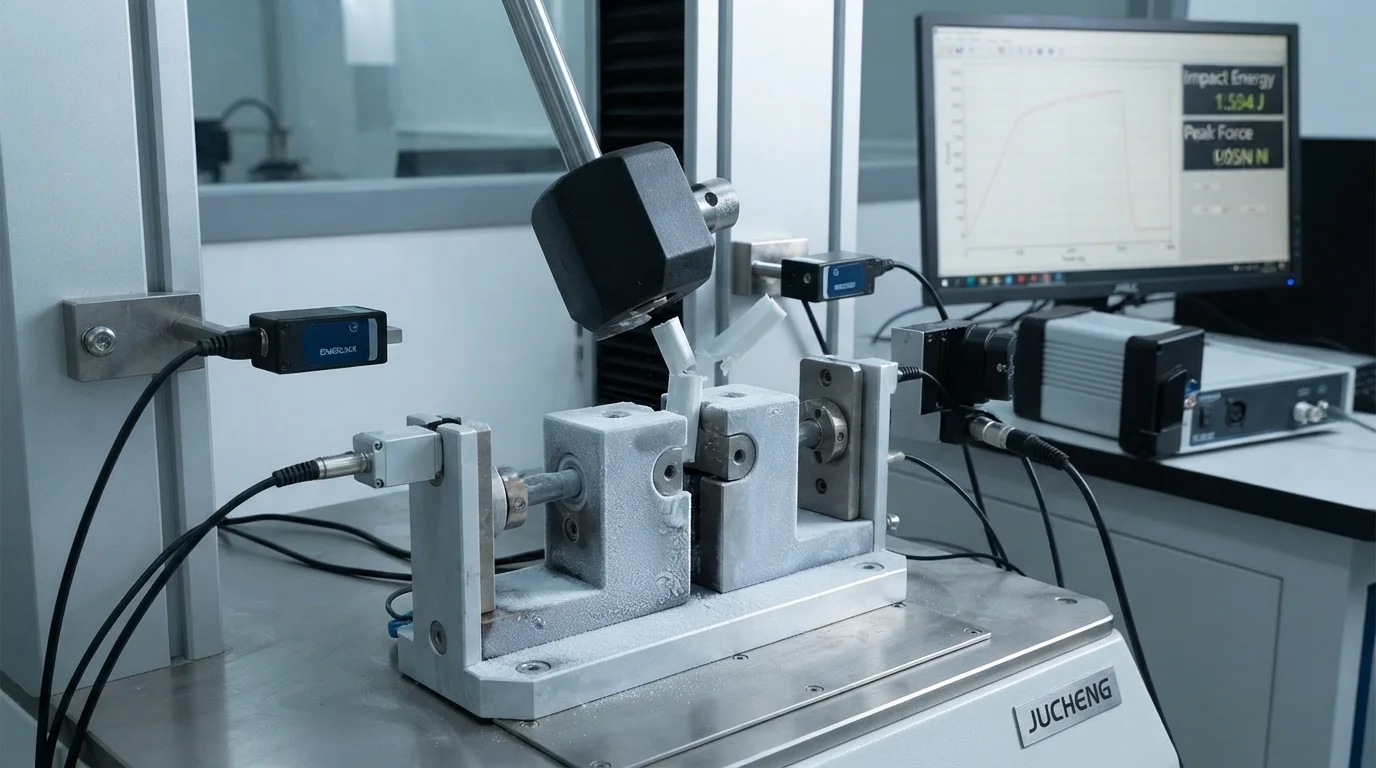
Covestro Bayblend FR3010 offers a balanced profile of impact strength, flowability, and safety compliance.
Halogen-free flame retardants are environmentally friendly and meet stringent European REACH/RoHS directives.
Designing structural components using this PC/ABS grade prevents localized mechanical failures.
Specifically, expertise in injection molding Bayblend FR3010 for EV battery modules secures highly stable physical properties.
Key material advantages include:
- High impact strength—Amorphous PC/ABS provides excellent ductile behavior down to low temperatures.
- Flame retardancy—Halogen-free additives achieve a UL94 V-0 safety rating at 1.5mm wall thicknesses.
- Optimal viscosity—Good flow behavior permits the filling of complex, multi-cavity structural cell carriers.
- Dimensional control—Predictable shrinkage limits structural warpage on flat upper enclosure covers.
Balanced mechanical behavior is crucial during high-voltage thermal events.
This grade resists propagation under continuous structural vibration, keeping cylindrical cells securely isolated.
Consequently, polymer frames retain their electrical clearances during dynamic vehicular testing.
Technical Molding Parameters for Bayblend FR3010
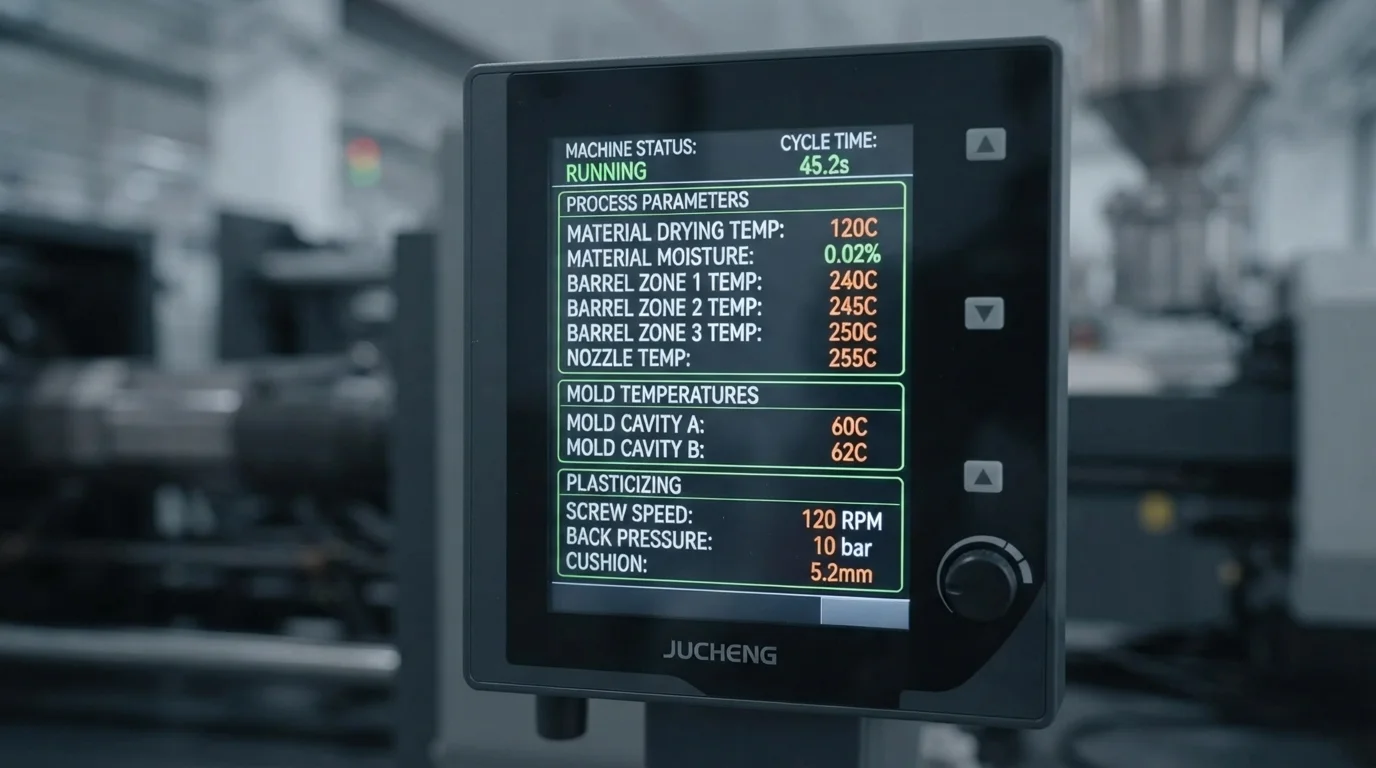
Processing this engineering resin requires exact parameters.
Successful injection molding Bayblend FR3010 for EV battery modules demands a clean, moisture-free plastic melt.
Moisture absorption causes cosmetic defects like splay marks, while chemically degrading the polymer chains.
Consequently, desiccant wheel hopper dryers must dry the raw pellets to below 0.02% moisture content.
To prevent surface splay and residual stresses, mold temperatures should be held at 70°C to 90°C.
Maintaining correct melt temperatures prevents molecular shearing while preserving flame-retardant performance.
Adjusting injection speeds dynamically during cavity filling ensures uniform density.
| Parameter Type | Target Setting | Operational Range | Critical Control Point |
|---|---|---|---|
| Drying Temperature | 100°C | 95°C – 105°C | Use desiccant wheel, dry for 4 hours. |
| Melt Temperature | 270°C | 260°C – 280°C | Avoid exceeding 290°C to prevent additive burn. |
| Mold Temperature | 80°C | 70°C – 90°C | Use hot water heating for stress reduction. |
| Injection Pressure | 100 MPa | 80 – 120 MPa | Monitor cavity transducers in real-time. |
Tooling and Venting Design Tips to Prevent Flame Retardant Degradation
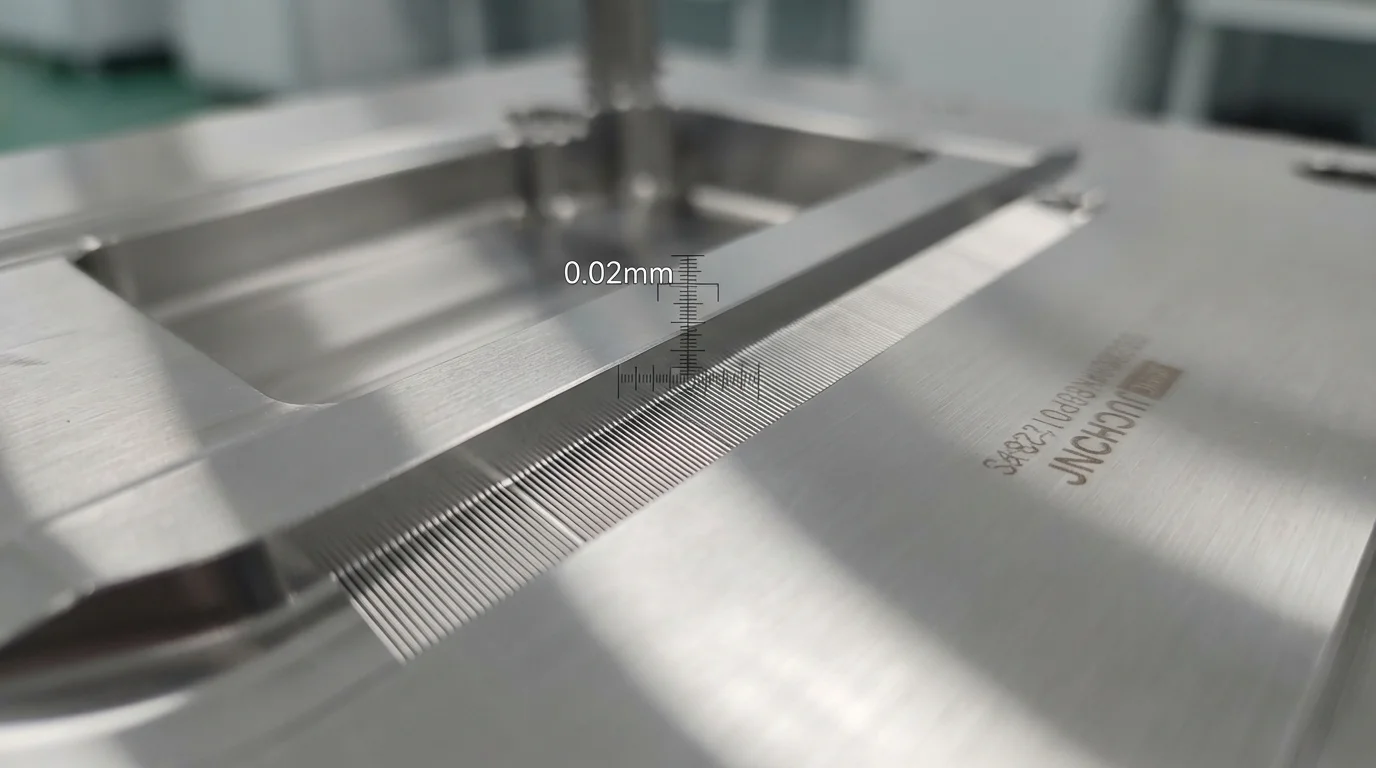
Mold designers must pay special attention to venting and gate geometries.
Flame-retardant additives degrade when exposed to extreme shear or localized overheating.
This degradation releases acidic gases that corrode high-quality mold steels.
Therefore, the delicate parameters of injection molding Bayblend FR3010 for EV battery modules require optimized gate cross-sections.
Pin gates and other highly restrictive gate types generate excessive frictional heat.
Using tab gates or fan gates distributes melt pressure evenly, preventing material degradation.
Our tooling recommendations include:
- Gate diameter optimization—Ensuring generous gate cross-sections prevents excessive shear heating during the high-pressure injection phase.
- Gas venting slots—Integrating venting channels along the parting line prevents gas entrapment, maintaining pristine material chemistry.
- Cavity surface coating—Applying chrome plating or physical vapor deposition protects the core tool from acidic FR outgassing.
- Core cooling networks—Optimizing water flow paths prevents localized hot spots that can trigger polymer degradation.
Ultimately, we successfully apply our experience in injection molding Bayblend FR3010 for EV battery modules when manufacturing complete custom plastic battery housings for EV.
This comprehensive technical execution minimizes downstream component failure.
By combining precision tooling with IATF 16949-certified quality systems, JUCHENG offers reliable manufacturing solutions.
Frequently Asked Questions (FAQ)

Why does Bayblend FR3010 require a desiccant dryer instead of a hot air dryer?
Desiccant wheel dryers provide a dew point of -40°C, which is essential for capturing ambient moisture in PC/ABS.
Hot air dryers simply circulate humid air, failing to draw water out of the molecular structure.
Proper drying prevents hydrolytic cleavage during the melting phase, preserving impact strength.
How do you prevent splay marks on the part surface?
Splay marks are caused by surface moisture or overheating.
Maintaining the moisture limit below 0.02% is the first critical step.
Additionally, slowing down the initial injection velocity prevents frictional shear splay on the cavity walls.
What tool steel is recommended for corrosive PC/ABS FR compounds?
Corrosive outgassing requires premium stainless steels like S136 hardened to HRC 48-52.
This steel offers superior resistance to corrosive phosphorus outgassing.
We also recommend chrome plating the mold face for extreme-volume production runs.