
Precision Insert Injection Molding
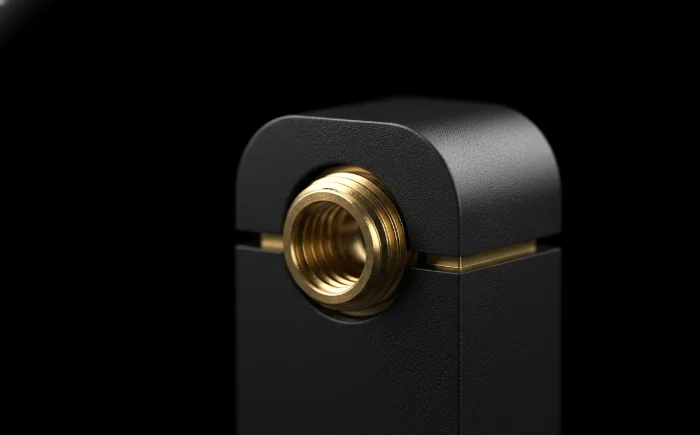
Engineered for Superior Strength
Enhanced Pull-Out Strength
Reduced Assembly Costs
Complex Design Flexibility
Fusing Metal and Polymer in a Single Cycle
As the molten thermoplastic fills the mold under high pressure, it flows around the insert. Once cooled and solidified, the finished part emerges as a single, strongly integrated, multi-material component. This eliminates secondary assembly steps and provides superior mechanical anchoring.
Insert Molding Capabilities
| Specification | Jucheng Capability |
|---|---|
| Clamping Force Range | 50 Tons to 650 Tons |
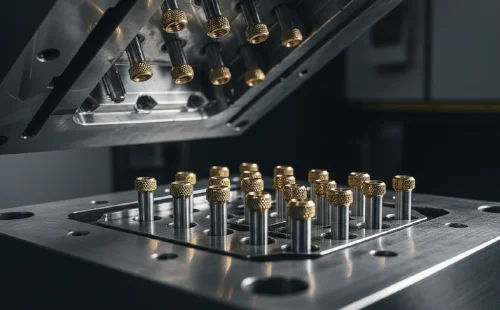
| Common Insert Types | Threaded nuts, bushings, electrical pins, stamped plates, fine wire mesh, magnets |
| Tooling Capabilities | Precision locating pins, magnetic retention, crush ribs, shut-offs |
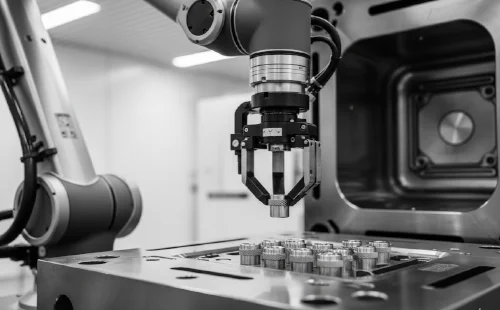
| Insert Loading Method | Manual (low-volume/prototypes) / 6-Axis Robotic Arm (mass production) |
| Quality Verification | Zeiss CMM, Pull-out force testing, Torque testing |
The Jucheng Advantage in Insert Molding
The biggest challenge in this process is ensuring the insert does not shift under the immense pressure of molten plastic. We guarantee flawless execution through:
- Flawless Registration via In-House Tooling: Our tool room, equipped with 25+ advanced 5-axis CNC machines, manufactures molds with ultra-precise locating pins and crush ribs, guaranteeing micron-level insert positioning.
- Robotic Automation: For high-volume production across our 35+ presses (50T to 650T), we utilize advanced robotic arms for precise, consistent, and fast insert loading.
- Certified Quality: We operate under ISO 13485 & IATF 16949 standards. Every insert molded part is verified using Zeiss CMMs to ensure exact positioning and zero defects.
Material Selection & Shrinkage
Common Polymer Matches:
- High-Strength Structural: PA66 (Nylon), POM (Delrin), PC
- High-Temperature / Medical: PEEK, PEI (Ultem), PPS
- General Purpose: ABS, PP
DFM Best Practices
1. Maximize Pull-Out Strength
2. Maintain Uniform Wall Thickness
3. Secure Location Features
Encapsulating Quality for Global Innovators
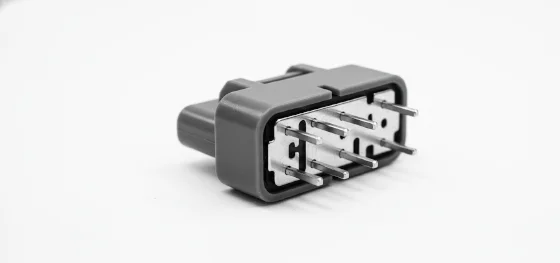
Automotive Electronics
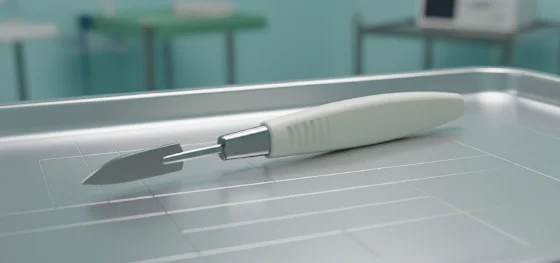
Medical Instruments
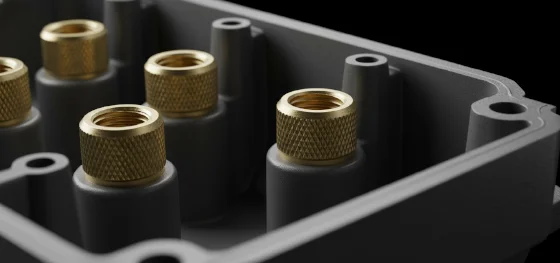
Industrial Tools
Expert Answers To YourQuestions
Can you encapsulate delicate electronics or PCB?
Yes. While standard high-pressure injection molding can damage delicate electronics, weemploy specialized low-pressure molding techniques and specific resin flows to safelyencapsulate sensors and PCBs without causing damage.
Is it cheaper to use insert molding or press-in inserts later?
For low-volume prototyping, heat staking or pressing in inserts after moldingmight be cheaper due to simpler tooling. However, for mid-to-high volumeproduction, insert molding is significantly more cost-effective as it eliminatesmanual assembly labor and provides far superior part strength.
What happens if the metal insert expands due to moldheat?
Our tooling engineers calculate the thermal expansion of the specific metal insertat mold operating temperatures. We design the locating pins and mold cavities toaccommodate this micro-expansion, ensuring the insert fits perfectly withoutdamaging the tool.