
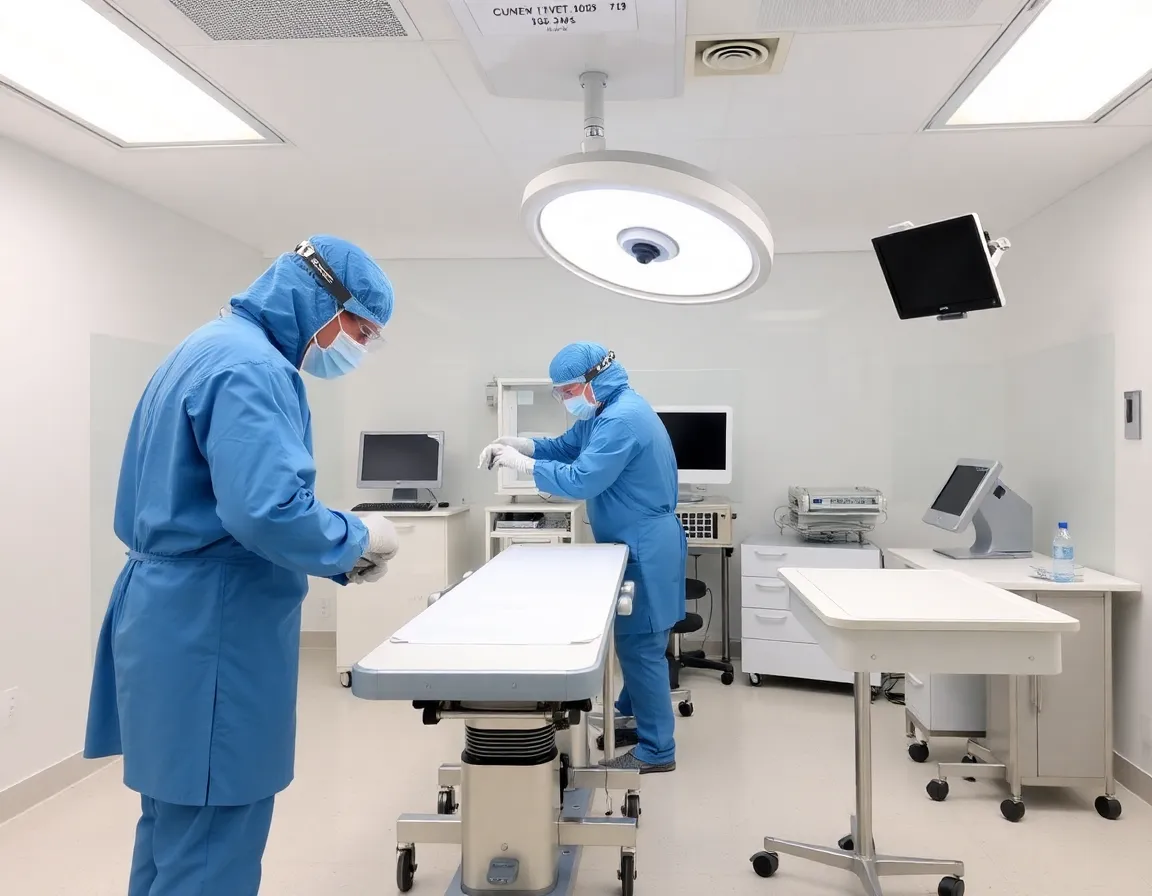
中国在洁净室塑料制造领域的崛起
在精密的制造世界中,"洁净室"一词让人联想到无菌环境、过滤空气和一丝不苟的规程。当与塑料制造结合时,它代表了污染控制的顶峰。在过去的二十年里,, 中国洁净室塑料制造 已从低成本替代品演变为全球强国,为那些一粒灰尘就能使产品失效的行业提供关键部件。这一转变并非偶然;它是大规模基础设施投资、采用国际标准以及对聚合物科学深刻理解的结果。如今,中国制造商不仅是全球供应链的参与者——他们往往是维持世界最敏感技术运行的无菌部件的主要构建者。.
"洁净室"一词本身指的是污染物浓度被控制在特定限值内的受控环境。在塑料制造的背景下,这意味着整个生产过程——从树脂干燥到注塑成型和包装——必须在过滤空气颗粒、控制湿度和管理静电的空间内进行。中国从标准工业园区向专用洁净室设施的转变标志着该行业的显著成熟。苏州、深圳和东莞等地区的公司已投资数十亿美元建设ISO 7级和8级洁净室,同时为最苛刻的应用增加了越来越多的ISO 5级设施。.
クリーンルームプラスチック製造プロセスの理解
その価値を理解するためには、 中国洁净室塑料制造 が提供するものは、関わる技術的な厳密さを理解する必要があります。それは単に清潔な空間でプラスチックを製造することではなく、プラスチック自体が汚染源にならないようにすることです。これは原材料の選択から始まります。メーカーは、ポリカーボネート(PC)、ポリプロピレン(PP)、液状シリコーンゴム(LSR)などのバージン医療グレード樹脂を使用します。これらの材料は、低アウトガス特性と化学分解に対する耐性のために選択されます。.
管理された環境での射出成形
プロセスの核心はクリーンルーム射出成形です。成形機自体は、錆や粒子の放出を防ぐために、しばしばステainless鋼製のハウジングに囲まれています。機械は、高温プロセス中に揮発性有機化合物(VOC)が放出されないように、食品グレードまたは医療グレードの特殊潤滑剤を使用します。さらに、金型は硬化工具鋼で構築され、鏡面仕上げに研磨され、粒子が蓄積する表面積を最小限に抑えます。典型的な中国のクリーンルーム施設では、成形プロセスは完全に自動化されており、ロボットアームが金型から部品を取り外します。この自動化は、取り出し段階での人為的汚染のリスクを排除するため、重要です。.
成形後および二次加工
プラスチック部品が排出された後、すぐに包装されるわけではありません。先進的な中国の施設では、部品は同じクリーンルーム環境内で一連の二次加工を受けます。これには、 バリ取り, 超音波洗浄, ,および レーザーマーキング. 超音波洗浄タンクは、脱イオン水を使用して微細なバリや残留物を除去します。包装プロセスも同様に重要であり、部品はしばしば帯電防止ポリエチレンフィルムで二重包装され、クリーンルーム内で真空密封されます。この「イン・アンド・アウト」ワークフローにより、部品は密封されるまで管理された環境から出ることはなく、エンドユーザーへの輸送中もその純度が保たれます。.
中国のクリーンルーム施設から調達する主な利点
なぜ世界的な医療機器企業、半導体ファブ、製薬大手は、これらの重要部品を中国から調達することを選ぶのでしょうか?その答えは、経済効率、技術能力、物流の機敏さの組み合わせにあります。利点は単に低い人件費だけではなく、ますます無視できなくなっている総合的な価値提案にあります。.
- 規模における費用対効果: 中国のメーカーは、大量生産の技術を完成させています。クリーンルームの設備投資は莫大ですが、中国の工場はしばしば複数シフトで稼働し、固定費を数百万個のユニットに分散させています。その結果、ユニットあたりのコストは、欧州や北米での同等の生産よりもしばしば30-40%低くなります。.
- 垂直統合: 多くの中国のクリーンルーム用プラスチックメーカーは、社内でサプライチェーン全体を管理しています。彼らは自社で金型を製作し、着色剤を混合し、包装用のプラスチックフィルムまで押し出し成形しています。この垂直統合により、リードタイムが短縮され、迅速な反復設計変更が可能になります。.
- 高度な金型製作: 中国の金型製作能力は世界的に一流です。ホットランナーシステムや複雑なガスアシスト機能を備えたマルチキャビティ金型が標準です。これにより、医療用コネクタやマイクロ流体デバイスにしばしば必要とされる複雑な形状の製造が可能になります。.
- 規制順守: 中国の主要工場は、ISO 13485(医療機器)およびISO 14644(クリーンルーム基準)の認証を取得しています。また、多くがFDA登録およびEU CEマークを保有しており、中国で製造された製品が世界で最も規制の厳しい市場で合法的に販売できることを保証しています。.
材料科学の専門知識
機械設備に加えて、材料科学における専門知識も大きな利点です。中国のクリーンルーム施設は、ポリマー改質のための研究開発に多額の投資を行ってきました。彼らは、以下のような特定の特性を持つコンパウンドを調整できます。 UV耐性, ESD(静電気放電)保護, または 放射線不透過性 手術器具のX線視認性のため。この能力により、エンジニアは従来よりも軽量で強度が高く、生体適合性に優れた部品を設計できます。.
重要な用途と業界分野
からの出力は、 中国洁净室塑料制造 エンドユーザーにはしばしば見えないものの、至る所で使用されています。これらのコンポーネントは、現代の医療と技術の縁の下の力持ちです。これらの施設で達成される精度と純度は、患者の安全性とデバイスの信頼性に直接影響を与えます。.
Medical Devices and Diagnostics
The medical sector is the largest consumer of cleanroom plastics. This includes disposable syringes, IV luer locks, surgical instrument handles, and housing for implantable devices. More complex applications include lab-on-a-chip devices used in diagnostics, where micro-channels must be perfectly formed to allow capillary action. In these products, the purity of the plastic is paramount; any leachable compounds could cause false test results or adverse biological reactions. Chinese manufacturers have become experts in producing these high-precision consumables, often for major Western brands who outsource their production.
Semiconductor and Electronics
The semiconductor industry requires plastics that do not outgas volatile materials that could contaminate silicon wafers. Chinese cleanrooms produce wafer carriers, chip trays, and chemical mechanical planarization (CMP) rings. These parts must be machined or molded to tolerances of a few microns. The use of PEEK (polyether ether ketone) and PTFE (polytetrafluoroethylene) is common, and Chinese facilities have mastered the processing of these high-temperature, high-performance plastics that are notoriously difficult to mold.
Pharmaceutical and Biotechnology
In pharmaceutical production, the risk of cross-contamination is a constant threat. Cleanroom plastic components such as stoppers, gaskets, and aseptic connectors are used to maintain the sterility of drug formulations. Chinese manufacturers provide these components with full traceability and lot-to-lot consistency. They also offer barrier films and bags used in single-use bioprocessing systems, which are essential for producing vaccines and gene therapies.
Best Practices for Engaging with Chinese Cleanroom Manufacturers
While the capabilities are impressive, successful sourcing requires a strategic approach. It is not enough to simply send a drawing and expect perfection. To maximize the benefits of 中国洁净室塑料制造 offers, companies must adopt best practices in vendor qualification and collaboration.
Audit the Facility, Not Just the Brochure
Do not rely solely on ISO certificates. Conduct a physical audit to observe the air pressure differentials between zones, the gowning protocols for personnel, and the frequency of particle count monitoring. Ask to see the data logs for the past six months. A reputable manufacturer will be transparent about their contamination control metrics. Pay special attention to the airflow patterns—ensure that the molding machines are positioned to minimize cross-contamination between the raw material storage area and the production floor.
Define Specifications with Clarity
Ambiguity is the enemy of cleanroom manufacturing. When you send an RFQ, include detailed specifications for surface finish, biological safety (ISO 10993), and particulate matter limits. Specify the packaging requirements in detail—indicate whether you need Tyvek pouches, double-bagging, or nitrogen purging. The more granular your specification, the better the Chinese factory can replicate your requirements. It is also wise to agree on the testing methods upfront, such as USP Class VI testing or endotoxin level analysis.
Embrace Collaborative Design
The best Chinese cleanroom manufacturers employ skilled process engineers who can offer design for manufacturability (DFM) feedback. They can suggest modifications to the mold design that reduce cycle time or improve part release. By involving them early in the product development phase, you can avoid costly tooling revisions later. Many companies now use a "co-development" model where the Chinese partner contributes to material selection and mold flow analysis, resulting in a superior final product.
The Future of Cleanroom Plastic Manufacturing in China
The trajectory for this industry is decidedly upward. As global demand for personalized medicine, electric vehicles, and advanced electronics grows, so too does the need for specialized plastic components. China is currently investing in "smart cleanrooms" that utilize IoT sensors and AI-driven predictive maintenance to further reduce human intervention. These facilities are moving towards "lights-out" manufacturing, where the cleanroom is dark and fully automated, eliminating the primary source of contamination—people—entirely.
Moreover, there is a growing trend towards sustainability within Chinese cleanrooms. Manufacturers are developing closed-loop recycling systems for plastic scrap generated during production. While the strict purity requirements of medical devices make recycling challenging, advances in sorting and re-compounding technology are making it feasible to reuse "clean" scrap without compromising quality. This focus on green manufacturing will likely become a key differentiator in the coming years, aligning with the sustainability goals of multinational corporations.
In conclusion, 中国洁净室塑料制造 has become synonymous with reliability, scalability, and technical sophistication. It is a testament to how far the Chinese manufacturing sector has come—from basic assembly to high-tech, contamination-free production. For any company looking to bring a medical device, semiconductor component, or pharmaceutical packaging solution to market, the Chinese cleanroom ecosystem offers an unrivaled combination of precision, purity, and price. The key to unlocking this potential lies in rigorous vetting, clear communication, and a willingness to treat the manufacturer as a true engineering partner. Those who do will find that the phrase "Made in China" now carries a new meaning: precision perfected under the most sterile conditions on earth.