
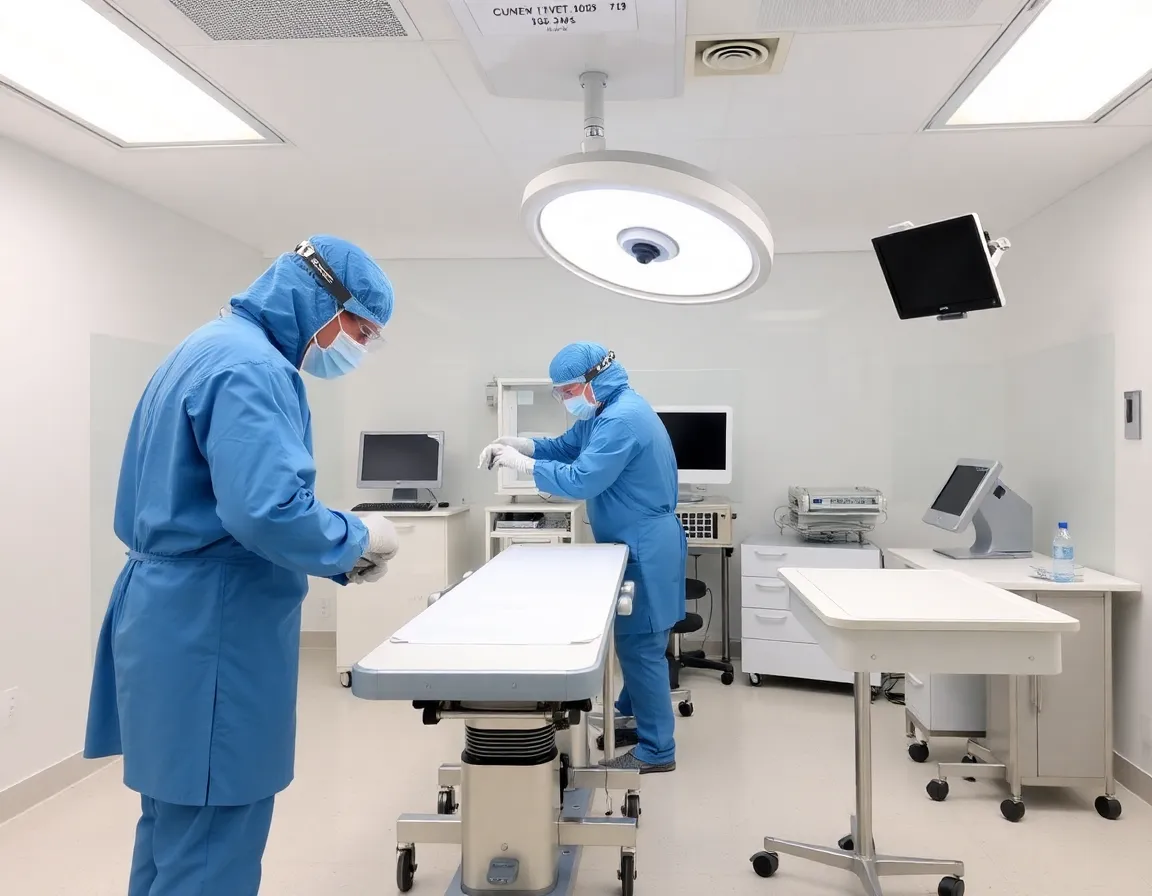
L'ascesa della Cina nella produzione di plastica in camera bianca
Nel complesso mondo della produzione di precisione, il termine "camera bianca" evoca immagini di ambienti sterili, aria filtrata e protocolli meticolosi. Quando combinato con la lavorazione della plastica, rappresenta il massimo del controllo della contaminazione. Negli ultimi due decenni, la produzione di plastica in camera bianca in Cina si è evoluta da alternativa a basso costo a potenza globale, fornendo componenti critici a settori in cui una singola particella di polvere può rendere inutile un prodotto. Questa trasformazione non è accidentale; è il risultato di massicci investimenti infrastrutturali, adozione di standard internazionali e una profonda comprensione della scienza dei polimeri. Oggi, i produttori cinesi non sono solo partecipanti alla catena di approvvigionamento globale—spesso sono i principali architetti dei componenti sterili che mantengono in funzione le tecnologie più sensibili del mondo.
Il termine "camera bianca" stesso si riferisce a un ambiente controllato in cui la concentrazione di inquinanti è regolata a limiti specifici. Nel contesto della produzione di plastica, ciò significa che l'intero processo produttivo—dall'essiccazione della resina allo stampaggio a iniezione e all'imballaggio—deve avvenire in uno spazio che filtra le particelle sospese nell'aria, controlla l'umidità e gestisce l'elettricità statica. Il passaggio in Cina da parchi industriali standard a strutture dedicate di camera bianca segna una significativa maturazione del settore. Le aziende in regioni come Suzhou, Shenzhen e Dongguan hanno investito miliardi in camere bianche di Classe ISO 7 e Classe 8, insieme a un numero crescente di strutture di Classe ISO 5 per le applicazioni più esigenti.
Comprendere il processo di produzione di plastica in camera bianca
Per apprezzare il valore delle la produzione di plastica in camera bianca in Cina offerte, è necessario comprendere il rigore tecnico coinvolto. Non si tratta semplicemente di produrre plastica in uno spazio pulito; si tratta di garantire che la plastica stessa non diventi una fonte di contaminazione. Ciò inizia con la selezione delle materie prime. I produttori utilizzano resine vergini di grado medicale come policarbonato (PC), polipropilene (PP) e gomma siliconica liquida (LSR). Questi materiali sono selezionati per le loro basse proprietà di degassamento e la resistenza alla degradazione chimica.
Stampaggio a iniezione in ambienti controllati
Il cuore del processo è lo stampaggio a iniezione in camera bianca. Le stesse macchine di stampaggio sono spesso racchiuse in involucri in acciaio inossidabile per prevenire ruggine e rilascio di particelle. I macchinari utilizzano lubrificanti specializzati di grado alimentare o medicale, garantendo che nessun composto organico volatile (COV) venga rilasciato durante il processo ad alta temperatura. Inoltre, gli stampi sono costruiti con acciaio per utensili temprato e lucidati a specchio, minimizzando la superficie dove le particelle possono accumularsi. In una tipica struttura cinese di camera bianca, il processo di stampaggio è completamente automatizzato, con bracci robotici che rimuovono i pezzi dagli stampi. Questa automazione è fondamentale, poiché elimina il rischio di contaminazione umana durante la fase di estrazione.
Post-stampaggio e operazioni secondarie
Dopo che il pezzo di plastica viene espulso, non viene immediatamente confezionato. Nelle strutture cinesi avanzate, i pezzi subiscono una serie di operazioni secondarie all'interno dello stesso ambiente di camera bianca. Queste includono sbavatura, pulizia a ultrasuoni, e marcatura laser. I serbatoi di pulizia a ultrasuoni utilizzano acqua deionizzata per rimuovere eventuali sbavature microscopiche o residui. Il processo di confezionamento è altrettanto critico; i pezzi sono spesso doppiamente insaccati in film di polietilene antistatico e sigillati sottovuoto all'interno della camera bianca. Questo flusso di lavoro "dentro e fuori" garantisce che il pezzo non lasci mai l'ambiente controllato fino a quando non è sigillato ermeticamente, preservando la sua purezza per il trasporto all'utente finale.
Vantaggi chiave dell'approvvigionamento da strutture cinesi di camera bianca
Perché le aziende globali di dispositivi medici, le fabbriche di semiconduttori e i giganti farmaceutici scelgono di approvvigionarsi dalla Cina per questi componenti ad alto rischio? La risposta sta in una combinazione di efficienza economica, capacità tecnologica e agilità logistica. I vantaggi non riguardano semplicemente i minori costi del lavoro; riguardano una proposta di valore olistica che è diventata sempre più difficile da ignorare.
- Efficienza dei costi su larga scala: I produttori cinesi hanno perfezionato l'arte della produzione ad alto volume. La spesa in conto capitale per una camera bianca è enorme, ma le fabbriche cinesi spesso operano su più turni, distribuendo i costi fissi su milioni di unità. Ciò si traduce in un costo per unità che è spesso inferiore del 30-40% rispetto alla produzione equivalente in Europa o Nord America.
- Vertical Integration: Many Chinese cleanroom plastic manufacturers control the entire supply chain in-house. They produce their own molds, mix their own colorants, and even extrude their own plastic films for packaging. This vertical integration reduces lead times and allows for rapid iterative design changes.
- Advanced Mold Making: The tooling capability in China is world-class. Multi-cavity molds with hot-runner systems and complex gas-assist features are standard. This allows for the production of intricate geometries that are often required for medical connectors or microfluidic devices.
- Conformità Normativa: Leading Chinese factories are certified to ISO 13485 (medical devices) and ISO 14644 (cleanroom standards). Many also hold FDA registration and EU CE marks, ensuring that products manufactured in China can be legally sold in the most regulated markets globally.
Material Science Expertise
Beyond the machinery, the expertise in material science is a significant advantage. Chinese cleanroom facilities have invested heavily in R&D for polymer modifications. They can tailor compounds to have specific properties, such as UV resistance, ESD (electrostatic discharge) protection, o radiopacity for X-ray visibility in surgical tools. This capability allows engineers to design parts that are lighter, stronger, and more biocompatible than what was previously possible.
Critical Applications and Industry Verticals
The output from la produzione di plastica in camera bianca in Cina is ubiquitous, though often invisible to the end consumer. These components are the unsung heroes of modern medicine and technology. The precision and purity achieved in these facilities directly impact patient safety and device reliability.
Medical Devices and Diagnostics
The medical sector is the largest consumer of cleanroom plastics. This includes disposable syringes, IV luer locks, surgical instrument handles, and housing for implantable devices. More complex applications include lab-on-a-chip devices used in diagnostics, where micro-channels must be perfectly formed to allow capillary action. In these products, the purity of the plastic is paramount; any leachable compounds could cause false test results or adverse biological reactions. Chinese manufacturers have become experts in producing these high-precision consumables, often for major Western brands who outsource their production.
Semiconductor and Electronics
The semiconductor industry requires plastics that do not outgas volatile materials that could contaminate silicon wafers. Chinese cleanrooms produce wafer carriers, chip trays, and chemical mechanical planarization (CMP) rings. These parts must be machined or molded to tolerances of a few microns. The use of PEEK (polyether ether ketone) and PTFE (polytetrafluoroethylene) is common, and Chinese facilities have mastered the processing of these high-temperature, high-performance plastics that are notoriously difficult to mold.
Pharmaceutical and Biotechnology
In pharmaceutical production, the risk of cross-contamination is a constant threat. Cleanroom plastic components such as stoppers, gaskets, and aseptic connectors are used to maintain the sterility of drug formulations. Chinese manufacturers provide these components with full traceability and lot-to-lot consistency. They also offer barrier films and bags used in single-use bioprocessing systems, which are essential for producing vaccines and gene therapies.
Best Practices for Engaging with Chinese Cleanroom Manufacturers
While the capabilities are impressive, successful sourcing requires a strategic approach. It is not enough to simply send a drawing and expect perfection. To maximize the benefits of la produzione di plastica in camera bianca in Cina offers, companies must adopt best practices in vendor qualification and collaboration.
Audit the Facility, Not Just the Brochure
Do not rely solely on ISO certificates. Conduct a physical audit to observe the air pressure differentials between zones, the gowning protocols for personnel, and the frequency of particle count monitoring. Ask to see the data logs for the past six months. A reputable manufacturer will be transparent about their contamination control metrics. Pay special attention to the airflow patterns—ensure that the molding machines are positioned to minimize cross-contamination between the raw material storage area and the production floor.
Define Specifications with Clarity
Ambiguity is the enemy of cleanroom manufacturing. When you send an RFQ, include detailed specifications for surface finish, biological safety (ISO 10993), and particulate matter limits. Specify the packaging requirements in detail—indicate whether you need Tyvek pouches, double-bagging, or nitrogen purging. The more granular your specification, the better the Chinese factory can replicate your requirements. It is also wise to agree on the testing methods upfront, such as USP Class VI testing or endotoxin level analysis.
Embrace Collaborative Design
The best Chinese cleanroom manufacturers employ skilled process engineers who can offer design for manufacturability (DFM) feedback. They can suggest modifications to the mold design that reduce cycle time or improve part release. By involving them early in the product development phase, you can avoid costly tooling revisions later. Many companies now use a "co-development" model where the Chinese partner contributes to material selection and mold flow analysis, resulting in a superior final product.
The Future of Cleanroom Plastic Manufacturing in China
The trajectory for this industry is decidedly upward. As global demand for personalized medicine, electric vehicles, and advanced electronics grows, so too does the need for specialized plastic components. China is currently investing in "smart cleanrooms" that utilize IoT sensors and AI-driven predictive maintenance to further reduce human intervention. These facilities are moving towards "lights-out" manufacturing, where the cleanroom is dark and fully automated, eliminating the primary source of contamination—people—entirely.
Moreover, there is a growing trend towards sustainability within Chinese cleanrooms. Manufacturers are developing closed-loop recycling systems for plastic scrap generated during production. While the strict purity requirements of medical devices make recycling challenging, advances in sorting and re-compounding technology are making it feasible to reuse "clean" scrap without compromising quality. This focus on green manufacturing will likely become a key differentiator in the coming years, aligning with the sustainability goals of multinational corporations.
In conclusion, la produzione di plastica in camera bianca in Cina has become synonymous with reliability, scalability, and technical sophistication. It is a testament to how far the Chinese manufacturing sector has come—from basic assembly to high-tech, contamination-free production. For any company looking to bring a medical device, semiconductor component, or pharmaceutical packaging solution to market, the Chinese cleanroom ecosystem offers an unrivaled combination of precision, purity, and price. The key to unlocking this potential lies in rigorous vetting, clear communication, and a willingness to treat the manufacturer as a true engineering partner. Those who do will find that the phrase "Made in China" now carries a new meaning: precision perfected under the most sterile conditions on earth.