
El ascenso de China en la fabricación de plásticos para sala limpia
En el intrincado mundo de la fabricación de precisión, el término "sala limpia" evoca imágenes de entornos estériles, aire filtrado y protocolos meticulosos. Cuando se combina con la fabricación de plásticos, representa el pináculo del control de contaminación. Durante las últimas dos décadas, la fabricación de plásticos para sala limpia en China ha evolucionado de una alternativa de bajo costo a una potencia global, suministrando componentes críticos a industrias donde una sola partícula de polvo puede inutilizar un producto. Esta transformación no es accidental; es el resultado de una inversión masiva en infraestructura, la adopción de estándares internacionales y un profundo entendimiento de la ciencia de los polímeros. Hoy en día, los fabricantes chinos no solo son participantes en la cadena de suministro global, sino que a menudo son los principales arquitectos de los componentes estériles que mantienen funcionando las tecnologías más sensibles del mundo.
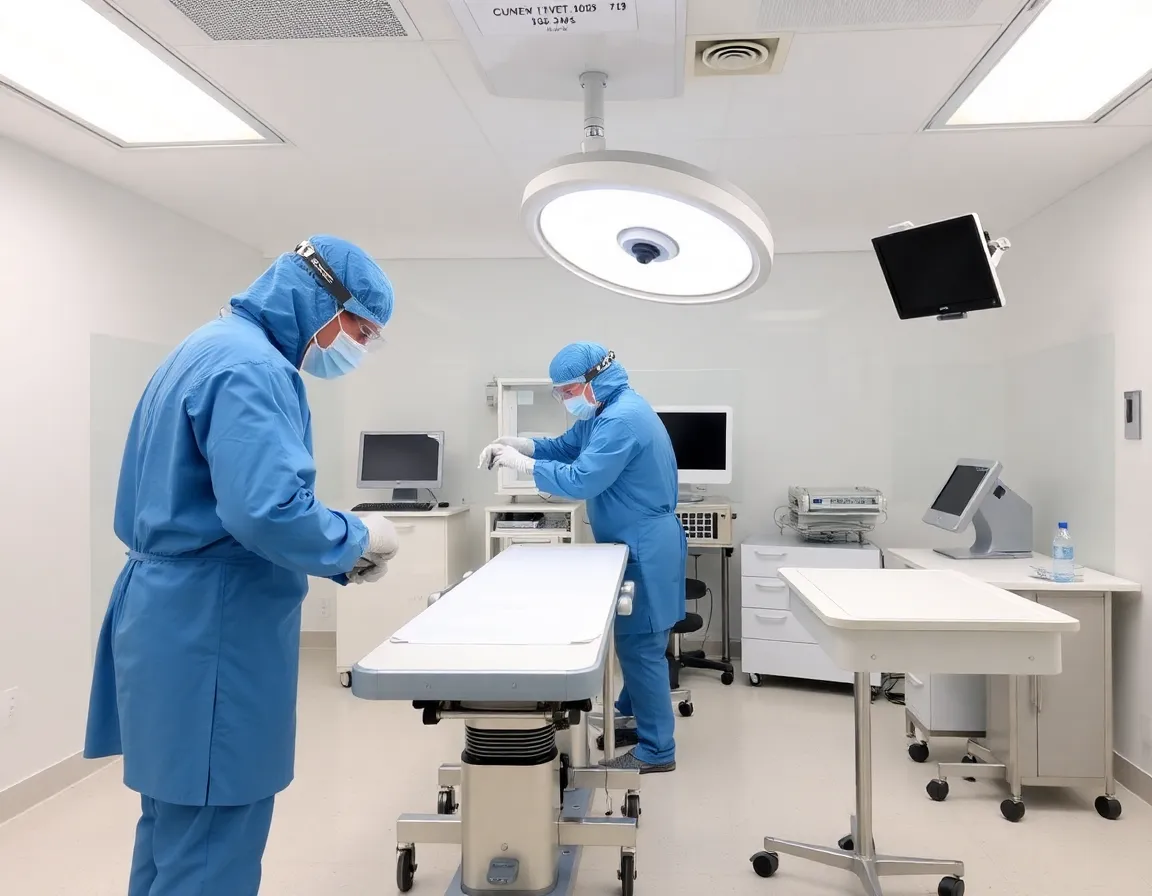
El término "sala limpia" en sí mismo se refiere a un entorno controlado donde la concentración de contaminantes se regula a límites específicos. En el contexto de la fabricación de plásticos, esto significa que todo el proceso de producción, desde el secado de la resina hasta el moldeo por inyección y el empaque, debe ocurrir dentro de un espacio que filtre partículas en el aire, controle la humedad y maneje la electricidad estática. El cambio en China de parques industriales estándar a instalaciones dedicadas de sala limpia marca una maduración significativa del sector. Empresas en regiones como Suzhou, Shenzhen y Dongguan han invertido miles de millones en salas limpias de Clase ISO 7 y Clase 8, junto con un número creciente de instalaciones de Clase ISO 5 para las aplicaciones más exigentes.
Entendiendo el Proceso de Fabricación de Plásticos en Sala Limpia
Para apreciar el valor de la fabricación de plásticos para sala limpia en China las ofertas, uno debe entender el rigor técnico involucrado. No se trata simplemente de fabricar plástico en un espacio limpio; se trata de asegurar que el plástico en sí mismo no se convierta en una fuente de contaminación. Esto comienza con la selección de la materia prima. Los fabricantes utilizan resinas vírgenes de grado médico como policarbonato (PC), polipropileno (PP) y caucho de silicona líquida (LSR). Estos materiales se seleccionan por sus bajas propiedades de desgasificación y resistencia a la degradación química.
Moldeo por Inyección en Ambientes Controlados
El núcleo del proceso es el moldeo por inyección en sala limpia. Las propias máquinas de moldeo a menudo están encerradas en carcasas de acero inoxidable para prevenir la oxidación y el desprendimiento de partículas. La maquinaria utiliza lubricantes especializados de grado alimentario o médico, asegurando que no se liberen compuestos orgánicos volátiles (COV) durante el proceso de alta temperatura. Además, los moldes se construyen con acero para herramientas endurecido y se pulen a un acabado espejo, minimizando el área de superficie donde las partículas pueden acumularse. En una instalación típica de sala limpia china, el proceso de moldeo está completamente automatizado, con brazos robóticos que retiran las piezas de los moldes. Esta automatización es crítica, ya que elimina el riesgo de contaminación transmitida por humanos durante la fase de extracción.
Post-Moldeo y Operaciones Secundarias
Después de que la pieza de plástico es expulsada, no se empaqueta inmediatamente. En instalaciones chinas avanzadas, las piezas se someten a una serie de operaciones secundarias dentro del mismo recinto de sala limpia. Estos incluyen desbarbado, limpieza ultrasónica, y marcado láser. Los tanques de limpieza ultrasónica utilizan agua desionizada para eliminar cualquier rebaba microscópica o residuos. El proceso de empaque es igualmente crítico; las piezas a menudo se colocan en bolsas dobles de polietileno antiestático y se sellan al vacío dentro de la sala limpia. Este flujo de trabajo de "entrada y salida" asegura que la pieza nunca salga del ambiente controlado hasta que esté sellada herméticamente, preservando su pureza para el transporte al usuario final.
Ventajas Clave de Abastecerse de Instalaciones de Sala Limpia Chinas
¿Por qué las empresas globales de dispositivos médicos, las fábricas de semiconductores y los gigantes farmacéuticos eligen abastecerse de China para estos componentes de alto riesgo? La respuesta radica en una combinación de eficiencia económica, capacidad tecnológica y agilidad logística. Las ventajas no se tratan meramente de costos laborales más bajos; se trata de una propuesta de valor holística que se ha vuelto cada vez más difícil de ignorar.
- Rentabilidad a Escala: Los fabricantes chinos han perfeccionado el arte de la producción de alto volumen. El gasto de capital para una sala limpia es enorme, pero las fábricas chinas a menudo operan en múltiples turnos, distribuyendo los costos fijos sobre millones de unidades. Esto resulta en un costo por unidad que a menudo es 30-40% más bajo que la producción equivalente en Europa o América del Norte.
- Vertical Integration: Many Chinese cleanroom plastic manufacturers control the entire supply chain in-house. They produce their own molds, mix their own colorants, and even extrude their own plastic films for packaging. This vertical integration reduces lead times and allows for rapid iterative design changes.
- Advanced Mold Making: The tooling capability in China is world-class. Multi-cavity molds with hot-runner systems and complex gas-assist features are standard. This allows for the production of intricate geometries that are often required for medical connectors or microfluidic devices.
- Cumplimiento Normativo: Leading Chinese factories are certified to ISO 13485 (medical devices) and ISO 14644 (cleanroom standards). Many also hold FDA registration and EU CE marks, ensuring that products manufactured in China can be legally sold in the most regulated markets globally.
Material Science Expertise
Beyond the machinery, the expertise in material science is a significant advantage. Chinese cleanroom facilities have invested heavily in R&D for polymer modifications. They can tailor compounds to have specific properties, such as UV resistance, ESD (electrostatic discharge) protection, o radiopacity for X-ray visibility in surgical tools. This capability allows engineers to design parts that are lighter, stronger, and more biocompatible than what was previously possible.
Critical Applications and Industry Verticals
The output from la fabricación de plásticos para sala limpia en China is ubiquitous, though often invisible to the end consumer. These components are the unsung heroes of modern medicine and technology. The precision and purity achieved in these facilities directly impact patient safety and device reliability.
Dispositivos médicos y diagnóstico
The medical sector is the largest consumer of cleanroom plastics. This includes disposable syringes, IV luer locks, surgical instrument handles, and housing for implantable devices. More complex applications include lab-on-a-chip devices used in diagnostics, where micro-channels must be perfectly formed to allow capillary action. In these products, the purity of the plastic is paramount; any leachable compounds could cause false test results or adverse biological reactions. Chinese manufacturers have become experts in producing these high-precision consumables, often for major Western brands who outsource their production.
Semiconductor and Electronics
The semiconductor industry requires plastics that do not outgas volatile materials that could contaminate silicon wafers. Chinese cleanrooms produce wafer carriers, chip trays, and chemical mechanical planarization (CMP) rings. These parts must be machined or molded to tolerances of a few microns. The use of PEEK (polyether ether ketone) and PTFE (polytetrafluoroethylene) is common, and Chinese facilities have mastered the processing of these high-temperature, high-performance plastics that are notoriously difficult to mold.
Pharmaceutical and Biotechnology
In pharmaceutical production, the risk of cross-contamination is a constant threat. Cleanroom plastic components such as stoppers, gaskets, and aseptic connectors are used to maintain the sterility of drug formulations. Chinese manufacturers provide these components with full traceability and lot-to-lot consistency. They also offer barrier films and bags used in single-use bioprocessing systems, which are essential for producing vaccines and gene therapies.
Best Practices for Engaging with Chinese Cleanroom Manufacturers
While the capabilities are impressive, successful sourcing requires a strategic approach. It is not enough to simply send a drawing and expect perfection. To maximize the benefits of la fabricación de plásticos para sala limpia en China offers, companies must adopt best practices in vendor qualification and collaboration.
Audit the Facility, Not Just the Brochure
Do not rely solely on ISO certificates. Conduct a physical audit to observe the air pressure differentials between zones, the gowning protocols for personnel, and the frequency of particle count monitoring. Ask to see the data logs for the past six months. A reputable manufacturer will be transparent about their contamination control metrics. Pay special attention to the airflow patterns—ensure that the molding machines are positioned to minimize cross-contamination between the raw material storage area and the production floor.
Define Specifications with Clarity
Ambiguity is the enemy of cleanroom manufacturing. When you send an RFQ, include detailed specifications for surface finish, biological safety (ISO 10993), and particulate matter limits. Specify the packaging requirements in detail—indicate whether you need Tyvek pouches, double-bagging, or nitrogen purging. The more granular your specification, the better the Chinese factory can replicate your requirements. It is also wise to agree on the testing methods upfront, such as USP Class VI testing or endotoxin level analysis.
Embrace Collaborative Design
The best Chinese cleanroom manufacturers employ skilled process engineers who can offer design for manufacturability (DFM) feedback. They can suggest modifications to the mold design that reduce cycle time or improve part release. By involving them early in the product development phase, you can avoid costly tooling revisions later. Many companies now use a "co-development" model where the Chinese partner contributes to material selection and mold flow analysis, resulting in a superior final product.
The Future of Cleanroom Plastic Manufacturing in China
The trajectory for this industry is decidedly upward. As global demand for personalized medicine, electric vehicles, and advanced electronics grows, so too does the need for specialized plastic components. China is currently investing in "smart cleanrooms" that utilize IoT sensors and AI-driven predictive maintenance to further reduce human intervention. These facilities are moving towards "lights-out" manufacturing, where the cleanroom is dark and fully automated, eliminating the primary source of contamination—people—entirely.
Moreover, there is a growing trend towards sustainability within Chinese cleanrooms. Manufacturers are developing closed-loop recycling systems for plastic scrap generated during production. While the strict purity requirements of medical devices make recycling challenging, advances in sorting and re-compounding technology are making it feasible to reuse "clean" scrap without compromising quality. This focus on green manufacturing will likely become a key differentiator in the coming years, aligning with the sustainability goals of multinational corporations.
In conclusion, la fabricación de plásticos para sala limpia en China has become synonymous with reliability, scalability, and technical sophistication. It is a testament to how far the Chinese manufacturing sector has come—from basic assembly to high-tech, contamination-free production. For any company looking to bring a medical device, semiconductor component, or pharmaceutical packaging solution to market, the Chinese cleanroom ecosystem offers an unrivaled combination of precision, purity, and price. The key to unlocking this potential lies in rigorous vetting, clear communication, and a willingness to treat the manufacturer as a true engineering partner. Those who do will find that the phrase "Made in China" now carries a new meaning: precision perfected under the most sterile conditions on earth.