
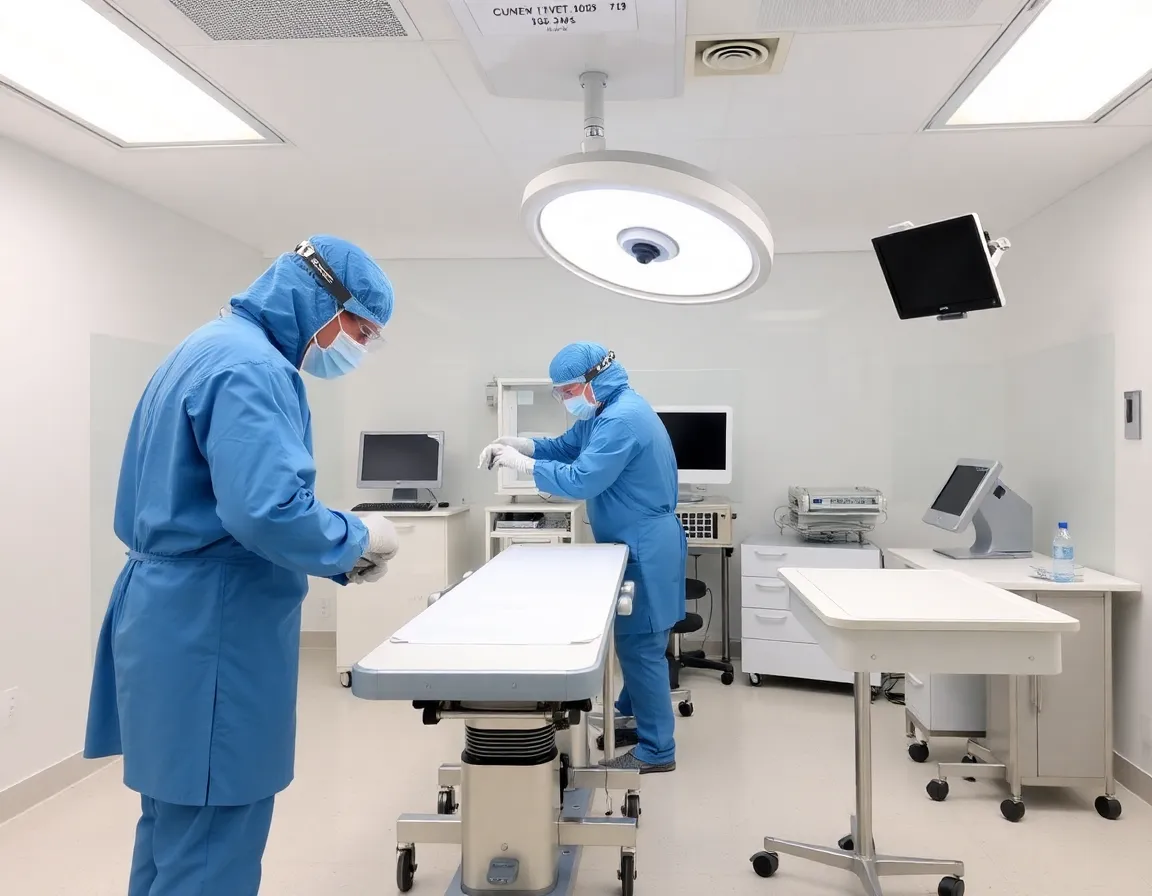
Рост Китая в производстве пластика в чистых помещениях
В сложном мире точного производства термин "чистое помещение" вызывает образы стерильных сред, фильтрованного воздуха и тщательных протоколов. В сочетании с производством пластика он представляет собой вершину контроля загрязнений. За последние два десятилетия, производство пластика в чистых помещениях Китай превратилось из недорогой альтернативы в мировую державу, поставляющую критически важные компоненты для отраслей, где одна частица пыли может сделать продукт бесполезным. Эта трансформация не случайна; это результат огромных инвестиций в инфраструктуру, внедрения международных стандартов и глубокого понимания науки о полимерах. Сегодня китайские производители не просто участники глобальной цепочки поставок — они часто являются главными архитекторами стерильных компонентов, обеспечивающих работу самых чувствительных технологий мира.
Сам термин "чистое помещение" относится к контролируемой среде, где концентрация загрязняющих веществ регулируется до определенных пределов. В контексте производства пластика это означает, что весь производственный процесс — от сушки смолы до литья под давлением и упаковки — должен происходить в пространстве, которое фильтрует взвешенные в воздухе частицы, контролирует влажность и управляет статическим электричеством. Переход Китая от стандартных промышленных парков к специализированным предприятиям чистых помещений знаменует собой значительное созревание сектора. Компании в таких регионах, как Сучжоу, Шэньчжэнь и Дунгуань, инвестировали миллиарды в чистые помещения классов ISO 7 и 8, а также в растущее число объектов класса ISO 5 для наиболее требовательных применений.
Понимание процесса производства пластика в чистых помещениях
Чтобы оценить ценность производство пластика в чистых помещениях Китай предложений, необходимо понимать техническую строгость, вовлеченную в процесс. Это не просто производство пластика в чистом пространстве; это обеспечение того, чтобы сам пластик не стал источником загрязнения. Это начинается с выбора сырья. Производители используют первичные медицинские смолы, такие как поликарбонат (ПК), полипропилен (ПП) и жидкий силиконовый каучук (LSR). Эти материалы выбираются за их низкую газовыделение и устойчивость к химической деградации.
Литье под давлением в контролируемых средах
Ядром процесса является литье под давлением в чистых помещениях. Сами литьевые машины часто заключены в корпуса из нержавеющей стали для предотвращения ржавчины и выделения частиц. Оборудование использует специализированные смазочные материалы пищевого или медицинского класса, что гарантирует отсутствие выделения летучих органических соединений (ЛОС) во время высокотемпературного процесса. Кроме того, формы изготавливаются из закаленной инструментальной стали и полируются до зеркального блеска, что минимизирует площадь поверхности, где могут накапливаться частицы. В типичном китайском чистом помещении процесс литья полностью автоматизирован, роботизированные руки извлекают детали из форм. Эта автоматизация критически важна, так как устраняет риск загрязнения, вызванного человеком, на этапе извлечения.
Пост-литьевые и вторичные операции
После извлечения пластиковой детали она не сразу упаковывается. В передовых китайских предприятиях детали проходят ряд вторичных операций в пределах того же чистого помещения. К ним относятся заусенцевка, ультразвуковая очистка, и лазерная маркировка. Ультразвуковые очистительные ванны используют деионизированную воду для удаления любых микроскопических облоев или остатков. Процесс упаковки также критически важен; детали часто упаковываются в двойные антистатические полиэтиленовые пакеты и вакуумно запечатываются внутри чистого помещения. Этот рабочий процесс "внутри-снаружи" гарантирует, что деталь никогда не покидает контролируемую среду до тех пор, пока она не будет герметично запечатана, сохраняя ее чистоту для транспортировки конечному пользователю.
Ключевые преимущества sourcing из китайских чистых помещений
Почему глобальные компании по производству медицинских изделий, полупроводниковые фабрики и фармацевтические гиганты выбирают sourcing из Китая для этих высокорисковых компонентов? Ответ кроется в сочетании экономической эффективности, технологических возможностей и логистической гибкости. Преимущества заключаются не только в более низких затратах на рабочую силу; они касаются целостного ценностного предложения, которое становится все труднее игнорировать.
- Экономическая эффективность в масштабе: Китайские производители довели до совершенства искусство высокообъемного производства. Капитальные затраты на чистое помещение огромны, но китайские фабрики часто работают в несколько смен, распределяя постоянные затраты на миллионы единиц. Это приводит к стоимости за единицу, которая часто на 30-40% ниже, чем эквивалентное производство в Европе или Северной Америке.
- Vertical Integration: Many Chinese cleanroom plastic manufacturers control the entire supply chain in-house. They produce their own molds, mix their own colorants, and even extrude their own plastic films for packaging. This vertical integration reduces lead times and allows for rapid iterative design changes.
- Advanced Mold Making: The tooling capability in China is world-class. Multi-cavity molds with hot-runner systems and complex gas-assist features are standard. This allows for the production of intricate geometries that are often required for medical connectors or microfluidic devices.
- Соответствие нормативным требованиям: Leading Chinese factories are certified to ISO 13485 (medical devices) and ISO 14644 (cleanroom standards). Many also hold FDA registration and EU CE marks, ensuring that products manufactured in China can be legally sold in the most regulated markets globally.
Material Science Expertise
Beyond the machinery, the expertise in material science is a significant advantage. Chinese cleanroom facilities have invested heavily in R&D for polymer modifications. They can tailor compounds to have specific properties, such as UV resistance, ESD (electrostatic discharge) protection, или radiopacity for X-ray visibility in surgical tools. This capability allows engineers to design parts that are lighter, stronger, and more biocompatible than what was previously possible.
Critical Applications and Industry Verticals
The output from производство пластика в чистых помещениях Китай is ubiquitous, though often invisible to the end consumer. These components are the unsung heroes of modern medicine and technology. The precision and purity achieved in these facilities directly impact patient safety and device reliability.
Medical Devices and Diagnostics
The medical sector is the largest consumer of cleanroom plastics. This includes disposable syringes, IV luer locks, surgical instrument handles, and housing for implantable devices. More complex applications include lab-on-a-chip devices used in diagnostics, where micro-channels must be perfectly formed to allow capillary action. In these products, the purity of the plastic is paramount; any leachable compounds could cause false test results or adverse biological reactions. Chinese manufacturers have become experts in producing these high-precision consumables, often for major Western brands who outsource their production.
Semiconductor and Electronics
The semiconductor industry requires plastics that do not outgas volatile materials that could contaminate silicon wafers. Chinese cleanrooms produce wafer carriers, chip trays, and chemical mechanical planarization (CMP) rings. These parts must be machined or molded to tolerances of a few microns. The use of PEEK (polyether ether ketone) and PTFE (polytetrafluoroethylene) is common, and Chinese facilities have mastered the processing of these high-temperature, high-performance plastics that are notoriously difficult to mold.
Pharmaceutical and Biotechnology
In pharmaceutical production, the risk of cross-contamination is a constant threat. Cleanroom plastic components such as stoppers, gaskets, and aseptic connectors are used to maintain the sterility of drug formulations. Chinese manufacturers provide these components with full traceability and lot-to-lot consistency. They also offer barrier films and bags used in single-use bioprocessing systems, which are essential for producing vaccines and gene therapies.
Best Practices for Engaging with Chinese Cleanroom Manufacturers
While the capabilities are impressive, successful sourcing requires a strategic approach. It is not enough to simply send a drawing and expect perfection. To maximize the benefits of производство пластика в чистых помещениях Китай offers, companies must adopt best practices in vendor qualification and collaboration.
Audit the Facility, Not Just the Brochure
Do not rely solely on ISO certificates. Conduct a physical audit to observe the air pressure differentials between zones, the gowning protocols for personnel, and the frequency of particle count monitoring. Ask to see the data logs for the past six months. A reputable manufacturer will be transparent about their contamination control metrics. Pay special attention to the airflow patterns—ensure that the molding machines are positioned to minimize cross-contamination between the raw material storage area and the production floor.
Define Specifications with Clarity
Ambiguity is the enemy of cleanroom manufacturing. When you send an RFQ, include detailed specifications for surface finish, biological safety (ISO 10993), and particulate matter limits. Specify the packaging requirements in detail—indicate whether you need Tyvek pouches, double-bagging, or nitrogen purging. The more granular your specification, the better the Chinese factory can replicate your requirements. It is also wise to agree on the testing methods upfront, such as USP Class VI testing or endotoxin level analysis.
Embrace Collaborative Design
The best Chinese cleanroom manufacturers employ skilled process engineers who can offer design for manufacturability (DFM) feedback. They can suggest modifications to the mold design that reduce cycle time or improve part release. By involving them early in the product development phase, you can avoid costly tooling revisions later. Many companies now use a "co-development" model where the Chinese partner contributes to material selection and mold flow analysis, resulting in a superior final product.
The Future of Cleanroom Plastic Manufacturing in China
The trajectory for this industry is decidedly upward. As global demand for personalized medicine, electric vehicles, and advanced electronics grows, so too does the need for specialized plastic components. China is currently investing in "smart cleanrooms" that utilize IoT sensors and AI-driven predictive maintenance to further reduce human intervention. These facilities are moving towards "lights-out" manufacturing, where the cleanroom is dark and fully automated, eliminating the primary source of contamination—people—entirely.
Moreover, there is a growing trend towards sustainability within Chinese cleanrooms. Manufacturers are developing closed-loop recycling systems for plastic scrap generated during production. While the strict purity requirements of medical devices make recycling challenging, advances in sorting and re-compounding technology are making it feasible to reuse "clean" scrap without compromising quality. This focus on green manufacturing will likely become a key differentiator in the coming years, aligning with the sustainability goals of multinational corporations.
In conclusion, производство пластика в чистых помещениях Китай has become synonymous with reliability, scalability, and technical sophistication. It is a testament to how far the Chinese manufacturing sector has come—from basic assembly to high-tech, contamination-free production. For any company looking to bring a medical device, semiconductor component, or pharmaceutical packaging solution to market, the Chinese cleanroom ecosystem offers an unrivaled combination of precision, purity, and price. The key to unlocking this potential lies in rigorous vetting, clear communication, and a willingness to treat the manufacturer as a true engineering partner. Those who do will find that the phrase "Made in China" now carries a new meaning: precision perfected under the most sterile conditions on earth.