
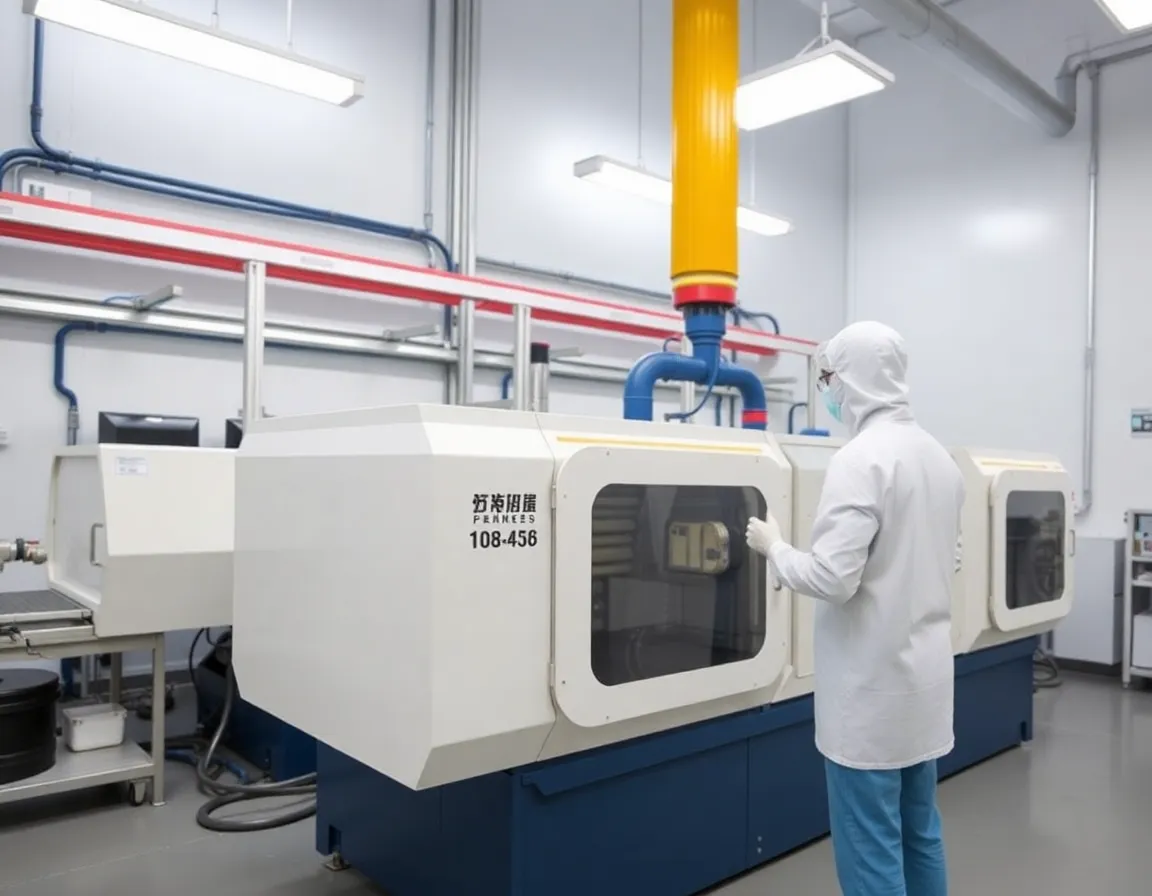
Введение: пересечение точности и чистоты
В мире передового производства мало какие среды требуют такой строгости, как чистое помещение. Когда вы сочетаете строгий контроль частиц в чистом помещении с высокообъемным процессом литья под давлением с высокими допусками, вы приходите к специализированной дисциплине: литье в чистых помещениях класса ISO 8. Этот процесс не просто о поддержании порядка в мастерской; это научно регулируемый метод производства пластиковых компонентов, свободных от микроскопических загрязнений, обеспечивающий их безопасность и производительность в критически важных приложениях. Для отраслей, от медицинских устройств до электроники, возможность формовать деталь в контролируемой среде — это не роскошь, а абсолютная необходимость.
Среда класса ISO 8, как определено стандартом 14644-1 Международной организации по стандартизации (ISO), допускает максимум 3 520 000 частиц на кубический метр размером 0,5 микрона или крупнее. Хотя это может показаться ошеломляющим числом, оно представляет собой контролируемую атмосферу, которая значительно чище, чем стандартный заводской воздух. В этом контексте, литье в чистых помещениях класса ISO 8 преодолевает разрыв между традиционным производством пластмасс и сверхчистыми требованиями современных технологий. В этой статье рассматриваются тонкости этого процесса, его операционные механизмы, его неоспоримые преимущества и его критическая роль в современном производстве.
Понимание стандартов класса ISO 8 и динамики чистых помещений
Чтобы по-настоящему оценить ценность литья под давлением в чистых помещениях класса ISO 8, необходимо сначала понять систему классификации, которая регулирует эти помещения. Стандарт ISO 14644-1 является мировым эталоном для классификации чистых помещений, заменив более старый федеральный стандарт 209E. Обозначение "Класс 8" часто считается начальным уровнем производства в чистых помещениях, но оно далеко не снисходительное. Он направлен на контроль загрязнения взвешенными в воздухе частицами, которое является основной угрозой для чувствительных продуктов.
Количество частиц и контроль воздушного потока
Основным показателем для класса ISO 8 является допустимая концентрация частиц. В отличие от более строгих классов (таких как ISO 5 или ISO 7), класс ISO 8 допускает более высокую концентрацию частиц, но по-прежнему требует высокоэффективной фильтрации воздуха (HEPA). Обычно такие чистые помещения достигают чистоты за счет:
- HEPA-фильтрация: Воздух пропускается через HEPA-фильтры, которые удаляют не менее 99,97% частиц размером 0,3 микрона, гарантируя, что поступающий воздух практически стерилен.
- Положительное давление воздуха: Чистое помещение поддерживается при более высоком давлении, чем соседние зоны, что предотвращает попадание нефильтрованного воздуха через двери или зазоры.
- Ламинарный поток воздуха (или ненаправленный): Хотя в классах ISO 8 часто используется ненаправленный поток воздуха (когда фильтрованный воздух смешивается через потолочные вентиляционные отверстия), в некоторых критических зонах могут использоваться ламинарные шкафы для создания однонаправленного потока воздуха над машиной для литья под давлением.
Цель состоит не в том, чтобы создать вакуум стерильности, а в том, чтобы установить предсказуемую и контролируемую среду где риск загрязнения сведен к статистически приемлемому уровню.
Почему бы не использовать более чистый класс?
Часто задают вопрос: почему производители просто не используют более чистый стандарт, например, ISO Class 5? Ответ кроется в экономике и практичности. Стоимость достижения и поддержания чистого помещения ISO Class 5 экспоненциально выше, чем ISO Class 8, из-за необходимости в большем количестве воздухообменов в час, более сложных протоколов переодевания и более частого тестирования. Для многих применений — особенно тех, где продукт не находится в прямом контакте со стерильной тканью организма или где выполняется последующая промывка — среда ISO Class 8 обеспечивает оптимальный баланс между контролем загрязнений и эксплуатационными затратами.
Механика литья под давлением в чистых помещениях
литье в чистых помещениях класса ISO 8 это не просто установка стандартной машины для литья под давлением внутри чистого помещения. Это требует комплексного подхода, который изменяет оборудование, обращение с материалами и операционные процедуры, чтобы предотвратить превращение самой машины в источник загрязнения.
Конструкция машины и модификации
Стандартные машины для литья под давлением генерируют загрязнения через гидравлические жидкости, смазочные материалы и механический износ. В условиях чистого помещения эти машины подвергаются серьезной модификации или заменяются специализированными альтернативами. Ключевые адаптации включают:
- Электрические vs. гидравлические приводы: Полностью электрические машины для литья под давлением предпочтительны, поскольку они исключают утечки гидравлического масла, которые являются основным источником твердых частиц и химического загрязнения.
- Корпуса из нержавеющей стали: Внешняя поверхность машины часто облицовывается нержавеющей сталью или гладкими полимерными панелями, чтобы предотвратить отслаивание краски и облегчить протирку чистящими средствами.
- Системы охлаждения с замкнутым контуром: Линии водяного охлаждения герметизированы и проложены так, чтобы предотвратить конденсацию и рост микроорганизмов, которые могут выделять частицы в воздух.
- Локальная вытяжка: Вентиляционные отверстия размещаются над зоной цилиндра и сопла, чтобы улавливать любые пары или выделяющиеся газы из расплавленного пластика, предотвращая их рециркуляцию.
Обращение с материалами и сушка
Загрязнение также может происходить от самого исходного пластикового сырья. Гранулы часто несут статический заряд, который притягивает пыль, и могут быть загрязнены бумажными волокнами или другим мусором. В условиях литья в чистом помещении:
- Вакуумная транспортировка: Смола переносится из герметичных бочек в бункер машины с помощью закрытых вакуумных систем, что исключает ручную засыпку.
- Централизованная сушка: Для удаления влаги используются осушители с силикагелем, но они должны быть оснащены вытяжными фильтрами, чтобы предотвратить выброс мелких частиц (микроскопической пластиковой пыли) в чистое помещение.
- Ионизированные воздушные ножи: Прежде чем смола попадет в цилиндр, она может проходить через ионизирующий вентилятор для нейтрализации статического заряда, что позволяет легко отфильтровывать частицы.
Цикл литья и внутриформенный мониторинг
Сам цикл литья в среде класса ISO 8 требует точности. Форма обычно изготавливается из полированной закаленной стали, чтобы противостоять износу и предотвращать образование металлических частиц. Более того, в процессе литья часто используются датчики внутри формы для контроля давления и температуры в полости. Эти данные имеют решающее значение, поскольку позволяют вносить корректировки в процесс в реальном времени, снижая вероятность образования облоя (избытка пластика) или недоливов, которые являются дефектами, требующими вторичной обработки и повышающими риск загрязнения.
Ключевые преимущества и применение в различных отраслях
Внедрение литье в чистых помещениях класса ISO 8 обусловлено неоспоримыми преимуществами, которые оно дает в качестве продукции и соблюдении нормативных требований. Преимущества выходят за рамки простой чистоты, влияя на структурную целостность и эксплуатационные характеристики конечной детали.
Основные преимущества
- Сниженная бионагрузка: Для медицинских изделий этот процесс минимизирует исходную микробную нагрузку, что делает последующую стерилизацию (например, этиленоксидом или гамма-излучением) более эффективной и надёжной.
- Повышенное качество поверхности: Предотвращая внедрение частиц пыли в пластиковую поверхность, конечный продукт получает более гладкую и однородную отделку, что критически важно для оптических компонентов или уплотнительных поверхностей.
- Улучшенные механические свойства: Загрязнения могут действовать как концентраторы напряжений, приводя к преждевременному растрескиванию или разрушению. Литьё в чистых помещениях обеспечивает однородность молекулярной структуры полимера, что даёт более прочные детали.
- Соответствие нормативным требованиям: Изделия, изготовленные в контролируемой среде, легче валидировать и документировать для аудитов FDA (Управление по контролю за продуктами и лекарствами) или ISO 13485 (медицинские изделия).
Ключевые секторы применения
Хотя любая отрасль может выиграть от более чистых деталей, некоторые секторы полагаются на литьё в чистых помещениях класса ISO 8 как на базовое требование:
- Медицинские изделия: Это крупнейший рынок. Здесь отливаются такие компоненты, как шприцы, луер-замки для инфузионных систем, рукоятки хирургических инструментов и корпуса имплантируемых систем доставки лекарств. Среда чистого помещения предотвращает попадание эндотоксинов и частиц в организм пациента.
- Фармацевтическая упаковка: Клапаны ингаляторов, кассеты для диагностических тестов и флаконы для таблеток требуют чистой среды для предотвращения загрязнения лекарственного препарата.
- Электроника и оптика: Разъёмы, корпуса объективов камер и рассеиватели светодиодов должны быть свободны от пыли, чтобы предотвратить электрические короткие замыкания или оптические аберрации.
- Аэрокосмическая и оборонная промышленность: Фитинги и корпуса, используемые в гидравлических системах, требуют исключительной чистоты, чтобы предотвратить засорение клапанов в чувствительных системах управления полётом.
Лучшие практики эксплуатации литейного производства класса чистоты ISO 8
Эксплуатация успешной линии литья в чистых помещениях класса ISO 8 требует не только оборудования; она требует культуры дисциплины и строгого соблюдения стандартных операционных процедур (SOP). Вот ключевые лучшие практики для поддержания чистоты и эффективности.
Одежда и поведение персонала
Люди — крупнейший источник загрязнения в любом чистом помещении. Даже при классе ISO 8, который более снисходителен, чем класс 7, персонал должен соблюдать строгие протоколы:
- Полное переодевание: Работники должны носить костюмы для чистых помещений, капюшоны, бахилы и маски для лица. Перчатки должны быть без талька и часто меняться.
- Минимальные движения: Быстрые движения создают турбулентность и выделяют частицы. Персонал обучен двигаться медленно и осознанно.
- Никакой бумаги или картона: Внутри контролируемой зоны допускаются только бумага и пластиковая упаковка класса чистых помещений.
Графики уборки и технического обслуживания
Профилактическое обслуживание — это основа литья в чистых помещениях. Поломка машины внутри чистого помещения может вызвать катастрофическое событие загрязнения.
- Ежедневная протирка: All surfaces must be wiped with low-lint wipes and appropriate solvents (usually isopropyl alcohol) to remove any residue.
- HEPA Filter Certification: Filters must be tested and certified every 6-12 months to ensure they are functioning at the required efficiency.
- Lubrication Control: Only food-grade or cleanroom-approved lubricants can be used on moving parts, and they must be applied in minimal quantities to prevent overspray.
Process Validation and Monitoring
To ensure the cleanroom is performing as designed, continuous monitoring is essential. This involves both environmental monitoring (EM) and process monitoring.
- Particle Counters: Portable particle counters should be used to verify that airborne particle counts are within the ISO Class 8 limits during production.
- Microbial Monitoring: Settle plates (petri dishes) are placed in strategic locations to capture viable microorganisms that fall onto surfaces. These are incubated to check for colony-forming units (CFUs).
- First Article Inspection: The first part produced after a mold change is thoroughly inspected not only for dimensions but also for surface contamination using a microscope.
Conclusion: The Future of Pure Manufacturing
литье в чистых помещениях класса ISO 8 represents a sophisticated balance between the demands of precision engineering and the realities of economic manufacturing. It is not the strictest classification available, but it is the most versatile, offering a pragmatic solution for products that require a high degree of cleanliness without the astronomical costs associated with sterile environments. As technology advances, with the miniaturization of medical implants and the increasing sensitivity of electronics, the role of this molding process is set to expand.
Manufacturers who master the discipline of ISO Class 8 molding gain a significant competitive advantage. They are not merely producing plastic parts; they are producing guarantees of purity. By investing in specialized equipment, rigorous training, and a culture of cleanliness, they ensure that the components leaving their facility are safe, reliable, and ready for the most demanding applications. In an era where product failure can have life-altering consequences, the quiet precision of the ISO Class 8 cleanroom is a powerful testament to the fact that in manufacturing, purity is the ultimate form of precision.