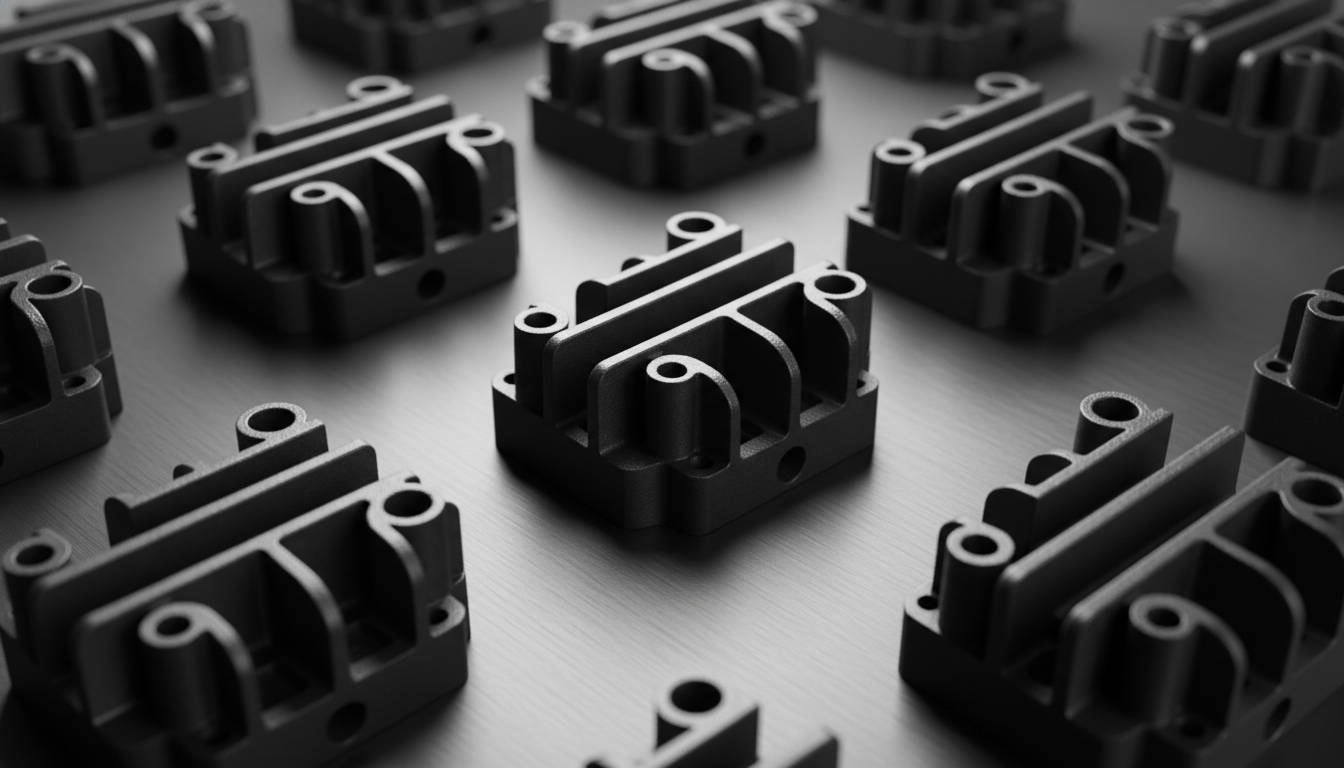
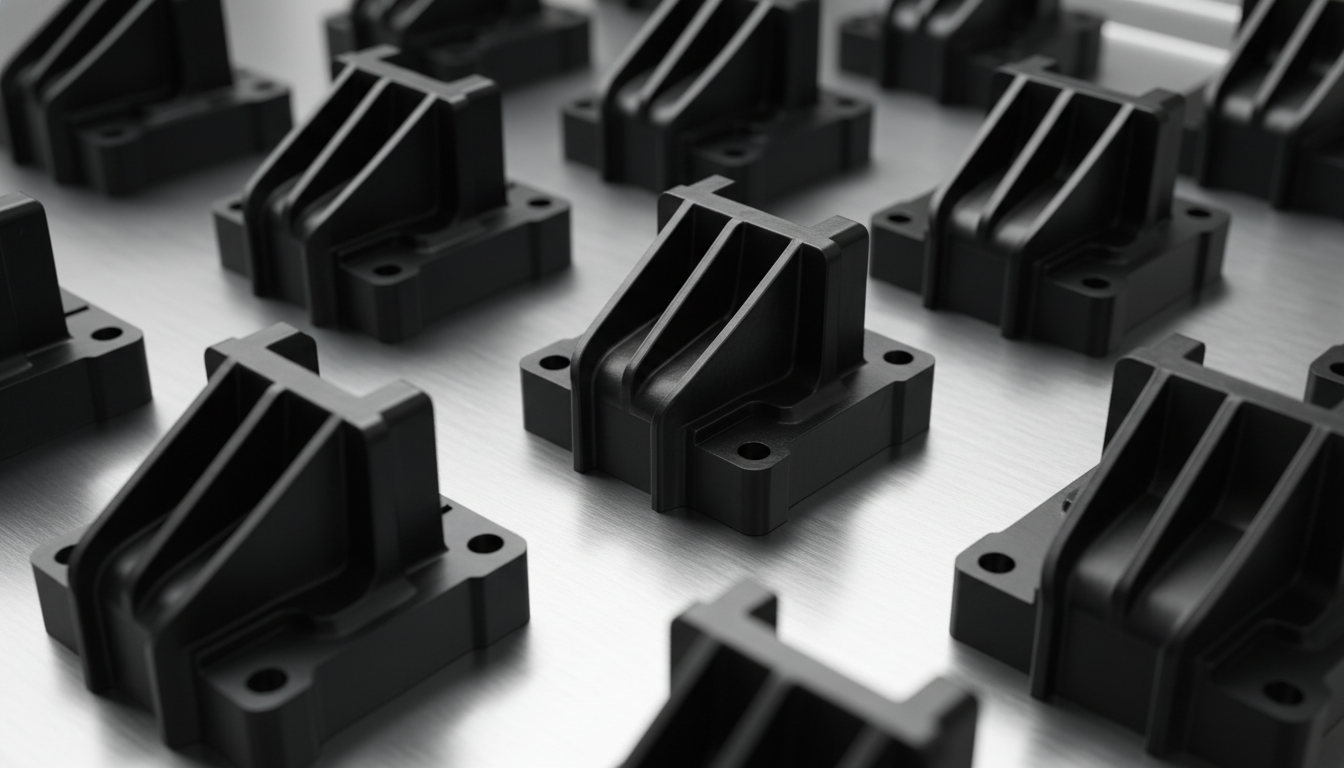
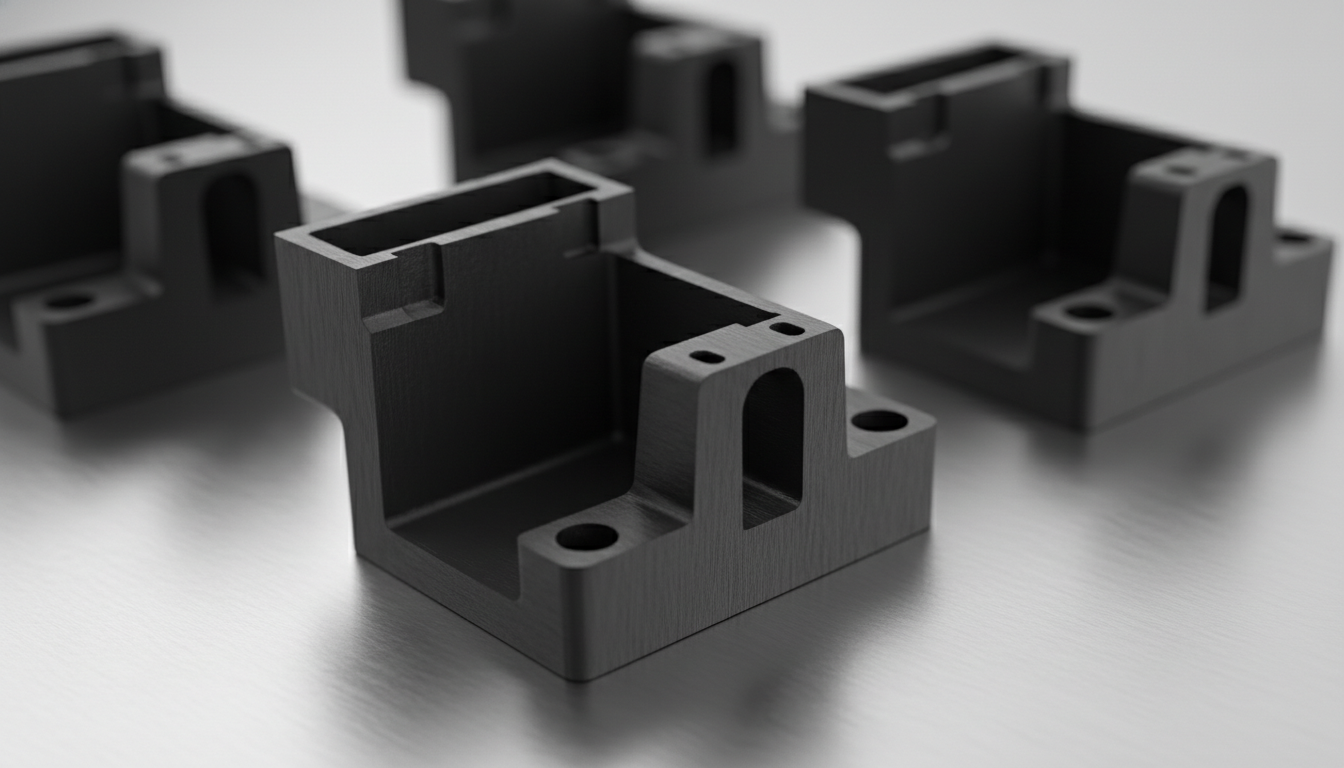
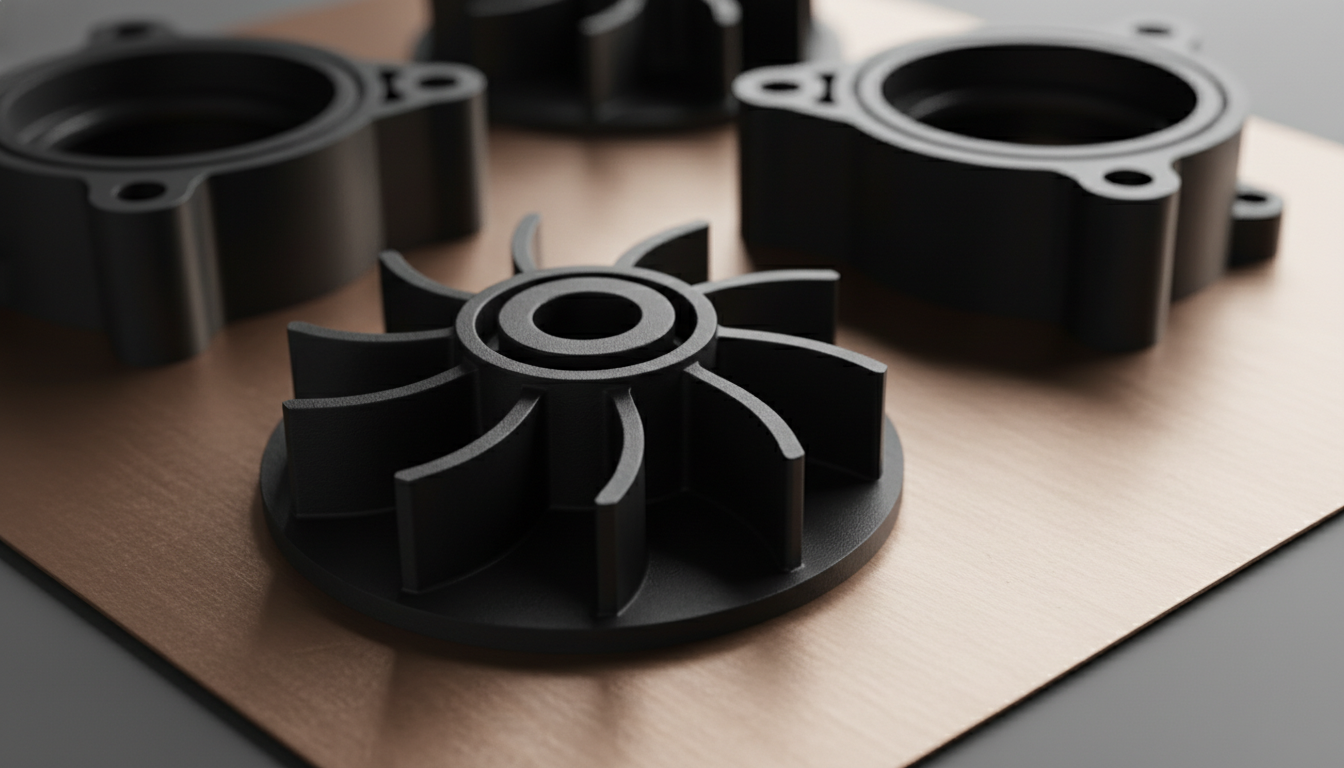
当社が成形する一般的なガラス繊維強化グレード
当社は、金属合金を置き換えるために、多様なベースポリマーを使用した高剛性ガラス繊維充填コンパウンド(GF含有量10%~50%)を加工しています。
| GF強化クラス |
代表的なブランド&グレード |
主な特性と利点 |
PA66-GF30 / GF50
(Polyamide GF) |
• DuPont Zytel 70G33L (33% GF)
• BASF Ultramid A3EG6 (30% GF)
• BASF Ultramid A3EG10 (50% GF) |
Extreme tensile strength, exceptional creep resistance, and a Heat Deflection Temperature (HDT) up to 250°C. Engineered to replace die-cast aluminum in engine brackets, intake manifolds, and power tool housings. |
PBT-GF30
(Polyester GF) |
• サビック バロックス 420 (30% GF)
• デュポン クラスチン SK605 (30% GF)
• BASF ウルトラデュール B4300G6 (30% GF) |
Outstanding electrical insulation and dimensional stability combined with high rigidity. Minimizes moisture-related swelling. Perfect for automotive connectors, sensor housings, and bobbins. |
PC-GF20 / GF30
(Polycarbonate GF) |
• サビック レキサン 3412(20% GF)
• Covestro Makrolon 9415 (15% GF / FR) |
Elevates PC’s tensile modulus and thermal resistance while retaining good impact toughness and low shrinkage. Flame retardant options available. Used in electronic structural frames and external meter enclosures. |
PP-GF30 / GF40
(Polypropylene GF) |
• Sabic PP Compound 30% GF
• LyondellBasell Hostacom 40% GF |
Cost-effective structural reinforcement. Offers low density compared to other GF engineering plastics while maintaining good stiffness. Specified for large automotive inner doors and fan blades. |
Applicable Molding Processes for GF Resins
Due to the high viscosity and abrasiveness of glass fibers, specific tooling process structures are recommended:
| 成形プロセス |
プロセス適合性と用途 |
| 標準射出成形 |
Excellent. Highly suitable for structural housings, load-bearing frames, brackets, and gearbox shells requiring metal-like stiffness. |
| インサート成形 |
Excellent. Highly recommended to encapsulate threaded metal inserts into glass-filled structural components, protecting screw joints from creeping. |
| Hot Runner Molding |
Good. Maintains melt temperatures of highly viscous glass-filled polymers, reducing the occurrence of weld line weaknesses. |
Glass Fiber (GF) Injection Molding Processing Guide
Adding glass fibers drastically changes the melt viscosity and flow behaviors of base polymers. Strict execution of manufacturing controls is mandatory:
- Tool Steel Hardness (Abrasive Wear Control): Glass fibers are highly abrasive to steel cavities. To prevent rapid wear on gates and cavity walls, Jucheng’s in-house tooling division uses hardened tool steel (S136 or H13) heat-treated to 48–52 HRC, combined with nitriding or PVD wear-resistant coatings.
- Eliminating Floating Fibers (Float Fiber): If the mold temperature is cold, the polymer matrix freezes too fast, allowing fibers to rise to the skin layer (causing a rough, whitish surface). We utilize dynamic high mold temperatures (80°C–120°C / 176°F–248°F) to keep the surface matrix resinous and glossy.
- Managing Anisotropic Shrinkage: Glass-filled resins exhibit low shrinkage along the flow direction (0.15% to 0.3%) but significantly higher shrinkage perpendicular to the flow (0.5% to 0.8%). Our engineering team conducts rigorous 24-hour DFM analysis to optimize gate placement and minimize structural warping.
- Melt Temperature Compensation: Glass-filled polymers exhibit high melt viscosity. We set barrel temperatures 10°C to 20°C higher than the base polymer’s standard settings to improve melt flow and protect the reciprocating screw from shear fatigue.
Key Application Industries for Molded GF Components
- 自動車パワートレイン(IATF 16949認証取得): Intake manifolds, cylinder head engine covers, radiator water tanks, structural brackets, wiper arms, and accelerator pedals.
- 電気・スマートグリッド機器: Heavy-duty connector housings, smart-grid meter enclosures, circuit breakers, relay terminals, and electric coil bobbins.
- Industrial & Fluid Machinery: Water pump impellers, heavy-duty gearboxes, industrial chemical valve bodies, power tool housings, and high-pressure pipe couplings.
- Consumer & Outdoor Goods: High-stiffness fan blades, heavy-duty structural appliance frames, lawnmower decks, and dynamic sports equipment frames.