
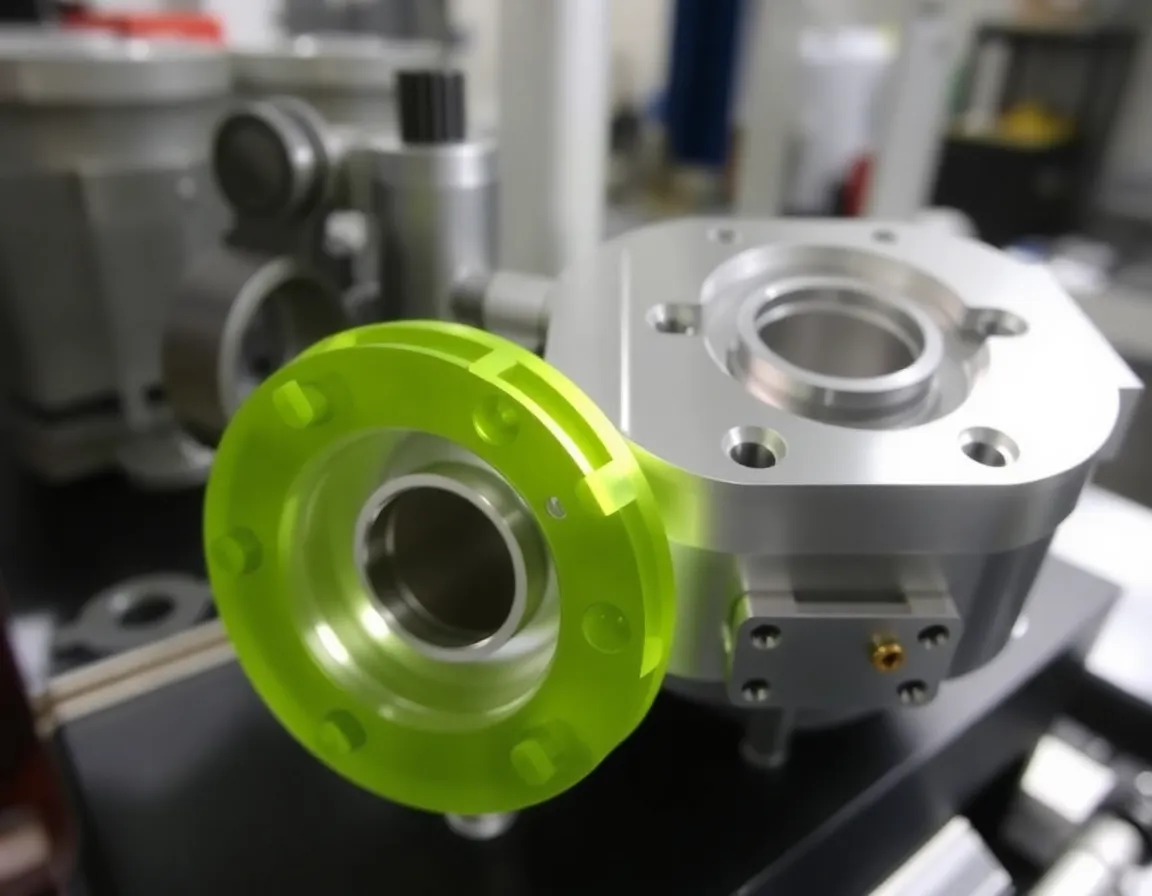
ダッシュボードおよびコンソール部品の精密プラスチック成形の紹介
自動車の内装は、ドライバーと車両の間の主要なインターフェースです。その中で最も重要な部品の一つが、 ダッシュボード(ダッシュ) および センターコンソール, これらは、必須のコントロール、インフォテインメントシステム、および収納スペースを収容します。これらの部品の製造には、極めて高い精度、耐久性、および美観品質が求められます。. 精密プラスチック成形 は、これらの複雑で大量生産されるコンポーネントを製造するための決定的なプロセスとして浮上しています。この記事では、ダッシュボードおよびコンソールのプラスチック成形に関する包括的な概要を提供し、現代の自動車内装製造を定義する技術、利点、およびベストプラクティスを詳述します。.
外装ボディパネルとは異なり、ダッシュボードおよびコンソール部品は、触感、視覚的魅力、寸法安定性、および複数のサブコンポーネントの統合に関する厳格な要件を満たす必要があります。インストルメントクラスターベゼルからシフトノブ周辺まで、各部品には材料選定、金型設計、およびプロセス管理に対する細心の注意が必要です。このガイドでは、この専門分野のニュアンスを探求し、エンジニア、調達スペシャリスト、および品質管理者に洞察を提供します。.
ダッシュボードおよびコンソール部品用の精密プラスチック成形とは何か?
精密プラスチック成形とは、射出成形プロセスを使用して、多くの場合ミクロン(0.001 mm)単位で測定される非常に厳しい公差を持つコンポーネントを作成することを指します。ダッシュボードおよびコンソール部品の場合、これは、隣接するパネル、電子モジュール、およびファスナーと隙間、反り、またはバリなしで完璧にフィットする形状を生成することを意味します。このプロセスは通常、 熱可塑性材料 、例えばABS、PC/ABSブレンド、ポリプロピレン(PP)、およびポリアミド(PA)を使用し、多くの場合、剛性と耐熱性を高めるためにガラス繊維またはミネラルフィラーで強化されます。.
標準的な射出成形との主な違いは、制御のレベルにあります。自動車内装用の精密成形では、高度な機械制御システム、高品質の金型鋼、および収縮、ヒケ、ウェルドラインなどの問題を予測および軽減するための高度なシミュレーションソフトウェアを採用しています。その結果、クラスA表面(可視の化粧面)およびクラスB表面(非可視の構造面)に関する厳格なOEM仕様を満たす部品が得られます。.
ダッシュボードおよびコンソール成形の主な特徴
- 複雑な形状: 部品は、アンダーカット、リビングヒンジ、スナップフィット、および構造支持のための複雑なリブを備えていることがよくあります。.
- 多材料統合: オーバーモールディングまたは2色成形は、硬質基材とソフトタッチエラストマー(例:TPEまたはTPU)を組み合わせて、高級感を実現するためによく使用されます。.
- 高光沢またはマット仕上げ: 金型表面のテクスチャリング(EDM、化学エッチング、またはレーザー彫刻による)は、所望の光沢レベルと木目模様を実現するために重要です。.
- インサート成形: 金属インサート(ねじ用ファスナー用)または電子コネクタは、組み立て工程を削減するために、プラスチック部品に直接成形されることがよくあります。.
- ゼロ欠陥基準: 自動車OEMは、ダッシュボードやコンソールエリアの視認性が高いため、厳格な外観基準(例:フローマークなし、ブリッジなし、汚染なし)を課しています。.
自動車内装向け精密プラスチック成形の仕組み
精密なダッシュボードまたはコンソール部品を作成するプロセスには、初期設計から最終品質検査まで、いくつかの明確な段階が含まれます。各ステップを理解することは、一貫した高品質の出力を達成するために不可欠です。.
フェーズ1:部品設計と材料選定
エンジニアリングチームは CADソフトウェア (例:CATIA、NX、SolidWorks)を使用して、部品の3Dモデルを作成します。このモデルは、金型からの取り出しを容易にするための抜き勾配(通常1〜3度)、壁厚の均一性(構造部品では通常2.5〜4.0 mm)、および目に見えるマークを最小限に抑えるためのゲート位置を考慮する必要があります。材料選定は、機械的要件(耐衝撃性、熱変形温度)、耐薬品性(オイル、洗浄剤、UVに対する)、および加工挙動(メルトフローインデックス、収縮率)によって決まります。例えば、センターコンソールボックスには高耐衝撃性ポリプロピレンが使用される場合があり、ダッシュボードトリム部品には高光沢仕上げのためにPC/ABSブレンドが使用される場合があります。.
フェーズ2:金型設計と製作
金型(またはツール)はプロセスの中心です。精密なダッシュボードおよびコンソール部品の場合、金型は通常、焼入れ工具鋼(例:P20、H13、またはS7)で作られ、何百万回ものサイクルに耐えます。主要な設計要素には以下が含まれます:
- ホットランナーシステム: これらはマニホールド内でプラスチックを溶融状態に保ち、廃棄物を減らし、ゲートタイミングと圧力を精密に制御できるようにします。.
- 冷却チャンネル: コンフォーマル冷却(3Dプリントインサートを使用)または従来のドリル加工チャンネルにより、均一な熱除去を確保し、サイクルタイムと反りを最小限に抑えます。.
- ベント: 微小サイズのベント(深さ0.001〜0.003インチ)により、閉じ込められた空気やガスを逃がし、焼けやショートショットを防ぎます。.
- スライドとリフター: これらの可動部品はアンダーカット(例:サイドマウントクリップや複雑な輪郭用)を作り出し、油圧または空気圧シリンダーで作動します。.
フェーズ3:射出成形プロセス
実際の成形サイクルは4つの主要な段階を含みます: クランプ、射出、冷却、取り出し. 。精密成形では、いくつかのパラメータを厳密に制御する必要があります:
- 射出速度と圧力: 多段射出プロファイルを使用してキャビティを均一に充填し、ジェッティングやヒジテーションを回避します。ピーク圧力は2000バールを超えることがあります。.
- 溶融温度: 一般的な自動車用プラスチックでは通常220°C〜280°Cで、ノズルとバレルの熱電対で監視されます。.
- 金型温度: 温度制御ユニット(TCU)によって制御され、適切な結晶化と表面複製を促進する表面温度を維持します。.
- 充填と保圧: 初期充填後、部品が冷却する際の材料収縮を補償するために、保圧(多くの場合、射出圧力の50〜70%)が適用されます。.
フェーズ4:後処理と品質管理
射出後、部品は以下のような二次加工を受ける場合があります: ゲート切断 (ランナーの除去)、, バリ取り (薄い余分なプラスチックの除去)、および 表面検査. 高度な品質管理方法には以下が含まれます:
- CMM(三次元測定機): CADデータに対する寸法検証用。.
- 光学検査: 自動ビジョンシステムが表面欠陥、色の一貫性、および正しいテクスチャをチェックします。.
- 機能テスト: スナップフィット強度、ヒンジ耐久性、インサート引き抜き力のテストがサンプル部品に対して実施されます。.
ダッシュボードおよびコンソール部品向け精密プラスチック成形の主な利点
精密成形技術の採用は、大量生産の自動車製造において、代替製造方法(例:機械加工、鋳造、3Dプリント)と比較して大きな利点を提供します。.
比類のない寸法精度と再現性
精密射出成形は、重要な寸法で±0.05 mm以上の公差を維持できます。これにより、ダッシュボードやコンソール部品が他の内装部品とシームレスにフィットし、知覚品質を損なう隙間やガタつきを排除します。このプロセスの再現性(部品間およびバッチ間)は、毎日何千もの同一部品を生産する必要がある大量生産に不可欠です。.
設計の柔軟性と部品統合
成形により、機械加工では不可能または法外に高価な複雑な形状の作成が可能になります。スナップフィット、ボス、リビングヒンジなどの機能を部品に直接統合でき、個別部品の数を減らし、二次組立工程を排除します。例えば、単一の成形コンソールパネルに、カップホルダー、USBポート、収納コンパートメントの蓋の取り付けポイントを組み込むことができ、それ以外では多部品アセンブリになるものを置き換えます。.
優れた表面仕上げと美観
最新の金型テクスチャリング技術により、微細なレザーからブラッシュドメタルまで、ほぼすべてのグレインパターンを再現できます。金型温度と射出速度の精密な制御により、プラスチックが金型表面を忠実に再現し、一貫した高品質な外観が得られます。これは、ドライバーの視線に直接入り、厳格なOEMグロスおよびカラー基準を満たす必要があるダッシュボード部品にとって重要です。.
高容量でのコスト効率
精密金型への初期投資は大きくなる可能性がありますが(複雑なツールで$50,000〜$500,000以上)、部品あたりのコストは量に応じて劇的に減少します。ダッシュボードおよびコンソール部品のサイクルタイムは30〜90秒で、年間数十万個の生産量が可能です。さらに、二次工程の排除とスクラップ率の低減により、総製造コストがさらに削減されます。.
強化された材料性能
精密成形により、優れた機械的、熱的、化学的特性を備えた高度なエンジニアリングプラスチックの使用が可能になります。ガラス充填ナイロンは、構造用コンソールブラケットに高い剛性を提供します。UV安定化ASAまたはPC/ABSは、長年の日光曝露後も色と光沢を維持します。ソフトタッチオーバーモールディングは、人間工学を改善し、騒音、振動、ハーシュネス(NVH)を低減します。.
ダッシュボードおよびコンソールシステムにおける精密成形の応用
自動車内装における精密プラスチック成形の範囲は広大です。以下は、この技術を用いて一般的に製造される部品の具体的な例です。.
ダッシュボード部品
- インストルメントクラスターベゼル: スピードメーターやゲージを囲む非常に目立つ部品で、完璧なクラスA表面とクラスターハウジングへの正確なフィットが要求されます。.
- エアベントアセンブリ: 可動ルーバーを備えた複雑な多部品部品で、多くの場合、ソフトタッチの外周と硬質の内部ベーンにツーショット成形が使用されます。.
- グローブボックスドア: ラッチ機構とダンピング機能を統合した、大型で構造的に補強された部品です。.
- センタースタックトリム: ラジオ、空調コントロール、ディスプレイ画面を収容するパネルで、多くの場合、複雑な切り欠きと高光沢またはピアノブラック仕上げが特徴です。.
センターコンソール部品
- コンソールアッパーパネル: ギアシフター、カップホルダー、アームレストを囲む主要な可視表面です。傷、こぼれ、日常の摩耗に耐える必要があります。.
- 収納ビンライナー: 耐久性と掃除のしやすさのために、テクスチャード加工されたポリプロピレンから成形されます。.
- Armrest Covers: Often produced using foam-in-place or overmolding techniques to provide a padded, comfortable surface.
- USB and Power Port Housings: Precision-molded inserts that must align perfectly with electronic modules and provide secure mounting.
Best Practices for Successful Dash and Console Molding
Achieving consistent, defect-free production requires adherence to several best practices throughout the product lifecycle.
Invest in Robust Mold Design and Simulation
Before cutting steel, use mold flow analysis software (e.g., Moldflow, Moldex3D) to simulate the filling, packing, cooling, and warpage of the part. This can identify potential issues such as air traps, weld lines in cosmetic areas, or excessive shrinkage. Optimize gate location, runner balance, and cooling channel layout based on simulation results. A well-designed mold reduces trial-and-error during the tool tryout phase and ensures faster ramp-up to full production.
Implement Statistical Process Control (SPC)
Monitor key process parameters (melt temperature, injection pressure, cycle time, and part weight) in real-time. Use control charts to detect trends or shifts before they result in defective parts. For example, a gradual increase in part weight may indicate a leaking check valve or inconsistent material feed. Automate data collection via machine interfaces to enable rapid corrective actions.
Prioritize Mold Maintenance
Precision molds require regular maintenance to preserve tolerances and surface finish. Establish a preventive maintenance schedule that includes cleaning of vent channels, inspection of hot runner tips, and measurement of critical mold inserts. Replace worn components (e.g., seals, springs, and slides) proactively. A well-maintained mold can produce millions of parts without significant degradation in quality.
Optimize Material Handling and Drying
Many engineering plastics used in dash and console parts are hygroscopic (absorb moisture from the air). Inadequate drying can lead to splay (silver streaks), bubbles, or reduced mechanical properties. Use dryers with dew point monitoring and ensure that material is dried to manufacturer-recommended moisture levels (typically below 0.02% for PC/ABS). Implement closed-loop material handling systems to prevent contamination from dust or regrind.
Collaborate Early with the Molder
Engage the injection molder during the product design phase. Their expertise in gate placement, draft angles, and ejection can prevent costly mold modifications later. A Design for Manufacturability (DFM) review should be conducted to identify potential issues, such as sharp corners that cause stress concentrations or deep ribs that trap air. Early collaboration also facilitates the selection of the most cost-effective material and mold construction.
Conclusion
Precision plastic molding is the cornerstone of modern automotive interior manufacturing, enabling the production of dash and console parts that meet the highest standards for fit, finish, and function. By leveraging advanced mold design, rigorous process control, and careful material selection, manufacturers can achieve the dimensional accuracy and repeatability required for these critical components. As vehicles become more sophisticated—with integrated displays, touch-sensitive surfaces, and ambient lighting—the demands on precision molding will only increase. Companies that invest in the best practices outlined in this article will be well-positioned to deliver interiors that delight drivers and passengers while maintaining cost efficiency and production scalability.