
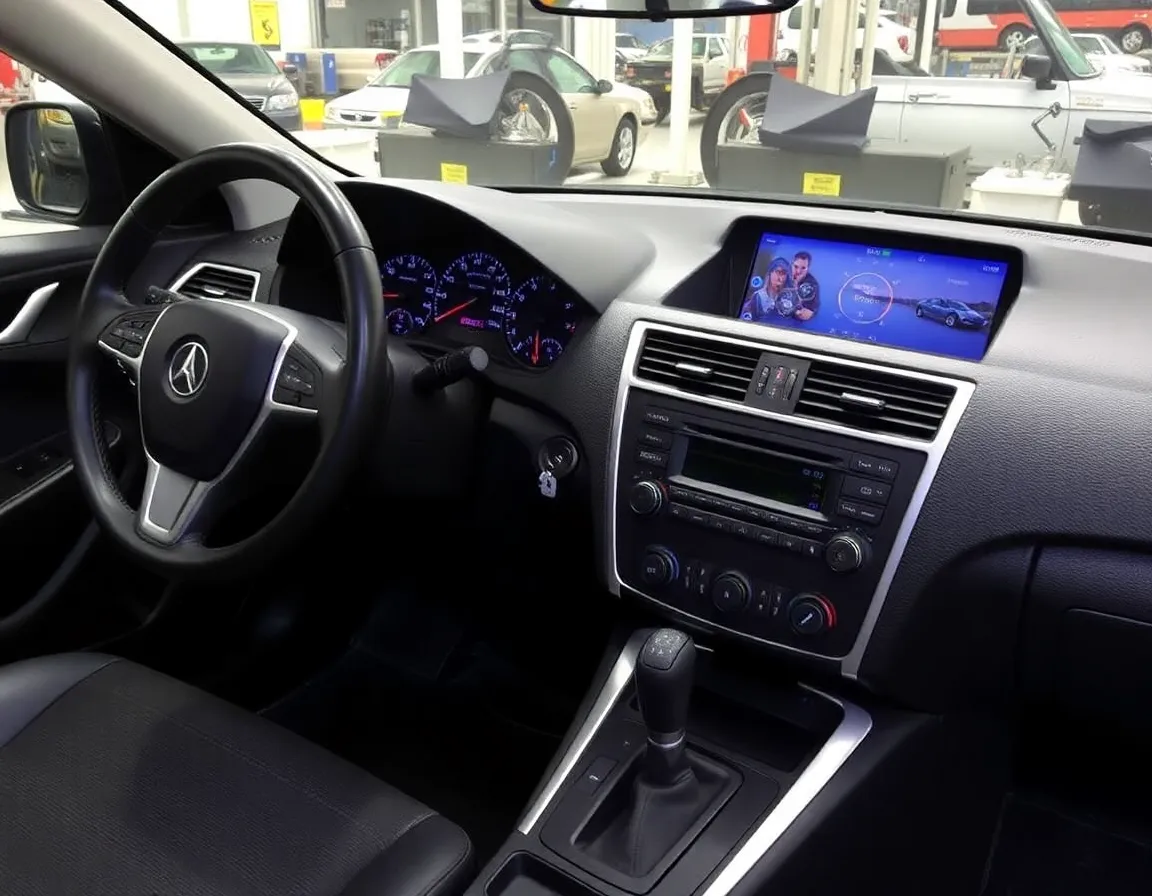
はじめに:自動車用プラスチックの進化とティア1サプライヤーの役割
自動車業界は、軽量化、電動化、持続可能性の向上への要求に牽引され、根本的な変革を遂げています。この革命の中心にいるのが、 ティア1自動車用プラスチック部品サプライヤーです。. これらは、フォード、トヨタ、フォルクスワーゲンなどの相手先ブランド製造業者(OEM)向けに、複雑なプラスチック部品を直接設計、エンジニアリング、製造する専門メーカーです。原材料メーカー(ティア2またはティア3)とは異なり、ティア1サプライヤーは最終部品に責任を持ち、先進材料、精密成形、そしてしばしばサブアセンブリ全体を統合します。.
現代の車両には、重量比で15%以上のプラスチックが含まれており、この割合は上昇し続けています。ボンネット内部の部品から構造用ボディパネル、複雑なインテリアモジュールまで、プラスチックは数え切れないほどの用途で金属に取って代わっています。このシフトは単なるコスト削減ではなく、以前は不可能だった性能向上を可能にすることです。この記事では、大手ティア1自動車用プラスチック部品サプライヤーから生まれる トップ5のイノベーション について探り、これらの技術がどのように機能するか、その利点、そして実際の用途を検証します。.
イノベーション#1:長繊維熱可塑性プラスチック(LFT)による先進的な軽量化
概要と仕組み
長繊維熱可塑性プラスチック(LFT)は、従来の短繊維強化プラスチックに比べて大きな進歩です。標準的な複合材料が1mm未満の繊維を使用するのに対し、LFTコンパウンドには 10mmから25mm. のガラスまたは炭素繊維が含まれています。ティア1サプライヤーは、これらの長繊維をポリプロピレン(PP)、ポリアミド(PA)、またはポリウレタンマトリックスに混錬するプロセスを完成させました。重要な革新は成形プロセスにあります。射出成形または圧縮成形中に長繊維が無傷のまま残り、部品全体に三次元の補強ネットワークを形成します。.
利点と用途
LFTの主な利点は、その卓越した比強度です。LFT製の部品は、同等の鋼製部品よりも 30〜50%軽量 でありながら、優れた耐衝撃性と疲労寿命を提供します。大手ティア1サプライヤーは現在、LFT製のフロントエンドモジュール、インストルメントパネルキャリア、電気自動車(EV)用バッテリートレイを製造しています。例えば、単一のLFTフロントエンドキャリアは、10〜15個の鋼製スタンピングの溶接アセンブリを置き換え、車両1台あたり8kg以上の重量を削減できます。この革新は、燃費向上とEV航続距離の延長に直接貢献します。.
実装のベストプラクティス
- 繊維配向の設計: エンジニアは、成形中の繊維の流れを予測するためにシミュレーションソフトウェアを使用し、荷重方向の最適な強度を確保する必要があります。.
- Controlled processing temperatures: Maintaining precise temperature profiles prevents fiber degradation during compounding and injection.
- Hybrid tooling strategies: Combine LFT with metal inserts or other polymers for multi-material assemblies that optimize cost and performance.
Innovation #2: In-Mold Coating and Decoration (IMC/IMD)
概要と仕組み
Traditional manufacturing requires painting or coating plastic parts in a secondary operation, which is time-consuming, expensive, and environmentally harmful. Tier 1 suppliers have revolutionized this through in-mold coating (IMC) および in-mold decoration (IMD). In IMC, a liquid coating is injected into the mold after the plastic part has formed but before it cools completely. The coating chemically bonds to the surface, creating a durable, high-gloss finish. IMD takes this further by placing a pre-printed film (with textures, patterns, or metallized layers) into the mold before injection. The plastic bonds to the film during molding, producing a fully decorated part in a single cycle.
利点と用途
The advantages are substantial: zero VOC emissions (no volatile organic compounds from paint solvents), 40-60% lower manufacturing costs, and dramatically improved scratch and UV resistance. Interior trim pieces, dashboard bezels, and exterior body claddings are now produced using these techniques. Automotive manufacturers benefit from perfect color matching across vehicle fleets and the ability to create realistic wood, carbon fiber, or brushed metal finishes without actual natural materials. For EV makers, this innovation supports sustainable manufacturing goals by eliminating painting waste streams.
実装のベストプラクティス
- Film selection: Choose polycarbonate or acrylic films with high thermal stability to withstand injection pressures and temperatures.
- Mold surface treatment: Use textured or polished mold surfaces to achieve specific gloss levels (from matte to mirror finish).
- Cycle time optimization: Balance coating curing time with part cooling to maximize productivity without sacrificing quality.
Innovation #3: Structural Thermoplastic Composites for Crash-Safety Components
概要と仕組み
Historically, plastics were considered unsuitable for safety-critical structural components. That perception has been shattered by the development of continuous fiber-reinforced thermoplastic composites. Tier 1 suppliers now use unidirectional tapes and woven fabrics made from carbon or glass fibers pre-impregnated with thermoplastics like PEEK (polyether ether ketone) or PAEK (polyaryl ether ketone). These materials are processed using automated tape laying (ATL) or compression molding to create parts that are not only lightweight but also capable of absorbing crash energy better than steel or aluminum.
利点と用途
The specific energy absorption (SEA) of these composites can reach 80-100 kJ/kg, compared to 15-20 kJ/kg for high-strength steel. This means a crash rail or bumper beam made from thermoplastic composite can be 60% lighter while providing superior occupant protection. Leading tier 1 suppliers have commercialized composite front crash rails, door impact beams, and seat structures. For electric vehicles, these components also provide the added benefit of electrical insulation and corrosion resistance, which is critical for battery pack enclosures.
実装のベストプラクティス
- Hybrid metal-composite joints: Use adhesive bonding combined with mechanical fasteners to prevent galvanic corrosion between carbon fiber and aluminum.
- Process simulation: Model the consolidation and cooling phases to avoid void formation and ensure consistent fiber alignment.
- Repair and recyclability: Design components with thermoplastic matrices that can be remelted and reformed, enabling circular economy practices.
Innovation #4: Smart Plastics with Integrated Electronics (Molded Interconnect Devices)
概要と仕組み
As vehicles become increasingly connected and autonomous, the demand for integrated electronics has skyrocketed. Tier 1 suppliers have responded with molded interconnect devices (MIDs)—plastic parts that incorporate conductive circuit traces directly into their three-dimensional surfaces. Using a process called laser direct structuring (LDS), the supplier molds a special thermoplastic compound containing a laser-activated metal additive. A laser then writes the circuit pattern onto the part's surface, and the part is immersed in an electroless copper plating bath. The copper selectively deposits only on the laser-activated areas, creating highly conductive traces with precision down to 50 microns.
利点と用途
MIDs eliminate the need for separate wiring harnesses, connectors, and printed circuit boards (PCBs), reducing assembly complexity by up to 70%. This innovation is used for interior lighting modules, antenna housings, sensor brackets, and even structural parts like steering column stalks that contain touch controls. For tier 1 suppliers, the ability to mold 3D circuits enables designs that were impossible with traditional 2D PCBs—such as antennas that wrap around curved surfaces or sensors integrated into door handles. The weight savings are significant, with some MIDs replacing 15-20 separate components with a single molded part.
実装のベストプラクティス
- Material selection: Use LCP (liquid crystal polymer) or PPA (polyphthalamide) for high-temperature stability during soldering and reflow processes.
- Design rules: Maintain minimum trace spacing of 150 microns to prevent short circuits during plating.
- Testing protocols: Implement thermal shock and humidity cycling tests to validate adhesion and conductivity under automotive operating conditions (-40°C to 125°C).
Innovation #5: Bio-Based and Recycled Polymer Compounds for Sustainable Mobility
概要と仕組み
Environmental regulations and consumer demand are pushing tier 1 suppliers toward circular material solutions. The latest innovation involves developing high-performance compounds using bio-based polymers (derived from corn, sugarcane, or castor oil) and mechanically or chemically recycled post-consumer plastics. These are not simple low-grade materials; they are engineered compounds that meet the same stringent specifications as virgin polymers—including tensile strength, heat resistance, and weatherability. Tier 1 suppliers collaborate with chemical companies to create formulations where, for example, 50-80% of the polypropylene content comes from recycled sources, reinforced with natural fibers like hemp or flax.
利点と用途
The environmental impact is profound: a switch to 100% bio-based polyamide can reduce CO2 emissions by up to 6.5 kg per kilogram of plastic compared to petroleum-based alternatives. These materials are now used for interior panels, underhood covers, fluid reservoirs, and even exterior parts like wheel arch liners. For automakers, using these compounds contributes directly to achieving carbon neutrality targets and qualifies for green building certifications. Importantly, the cost premium for bio-based materials has dropped to only 10-20% over conventional plastics, making them commercially viable for mass production.
実装のベストプラクティス
- Supply chain traceability: Use blockchain or certified mass balance systems to verify the origin and content of recycled materials.
- Processing adjustments: Bio-based polymers often have different melt flow indexes; modify screw designs and cooling channels accordingly.
- End-of-life planning: Design parts with material labeling (ISO 11469) to facilitate sorting and recycling at vehicle end-of-life.
Conclusion: The Future of Automotive Plastic Innovation
The five innovations detailed above represent the cutting edge of what ティア1自動車用プラスチック部品サプライヤーです。 can achieve. From long-fiber thermoplastics that replace steel structures to smart MIDs that eliminate wiring, these technologies are not incremental improvements—they are paradigm shifts. The benefits cascade through the entire automotive ecosystem: lighter vehicles reduce energy consumption, integrated electronics enable autonomous driving features, and sustainable materials shrink the industry's environmental footprint.
For automotive engineers and procurement professionals, the key takeaway is that modern plastic parts are no longer "cheap alternatives." They are sophisticated, engineered systems that require deep collaboration between OEMs and tier 1 suppliers. As we look toward 2030 and beyond, we can expect further breakthroughs in areas like self-healing polymers, thermoplastics that change color on demand, and fully recyclable battery enclosures. The tier 1 suppliers who master these innovations will not only survive the transition to electric and autonomous mobility—they will lead it.
To stay competitive, companies must invest in advanced simulation tools, multi-material joining technologies, ,および closed-loop recycling infrastructure. The journey from petroleum-based commodity plastics to high-performance, sustainable, and intelligent materials is well underway, and tier 1 automotive plastic part suppliers are driving the change.