
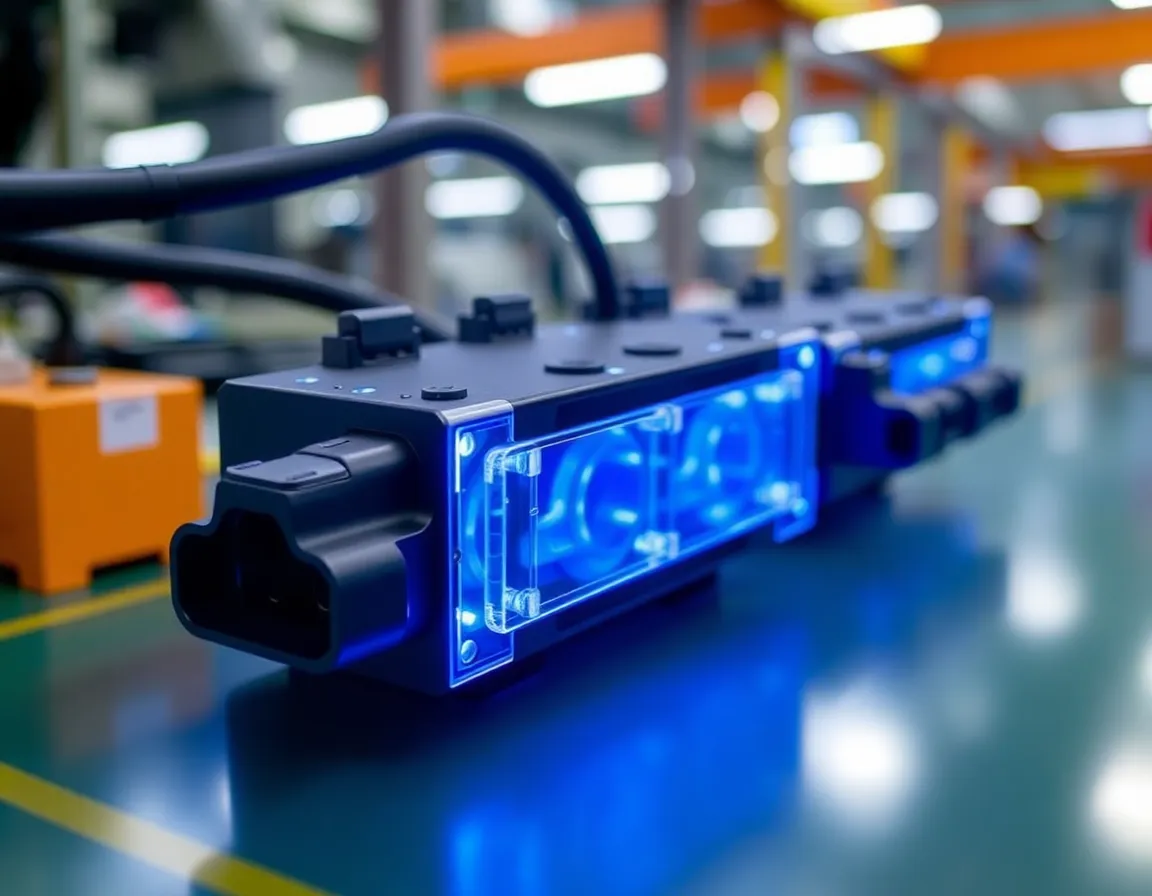
自動車製造におけるパラダイムシフト
自動車業界は、軽量化と燃費効率の絶え間ない追求によって推進される、深遠な変革を経験しています。 軽量化, 燃費効率, ,および 設計の自由度. この革命の中心には、重要でありながらしばしば見過ごされがちな分野があります。 自動車用プラスチック組立サービス. プラスチックが単に内装トリム部品に使われるだけだった時代は終わりました。今日では、高度なポリマーと洗練された接合技術が、車両の製造方法を再定義しています。構造用ボディパネルから複雑なアンダーフード部品、複雑な電気システムに至るまでです。.
この変化は、単に金属をプラスチックに置き換えることではありません。組み立てプロセス全体を再考することです。現代の車両は、それぞれが独自の熱的、機械的、化学的特性を持つ数十種類の異なるプラスチック材料を統合しています。課題であり、また機会でもあるのは、これらの異種材料をどのように接合し、シールし、仕上げるかという点にあります。. 自動車用プラスチック組立サービス は、材料科学、精密工具、プロセス自動化を組み合わせた専門工学分野へと進化し、これまで以上に軽量で、強く、耐久性のある組立品を生み出しています。.
現代のプラスチック組立における中核技術
これらのサービスの影響を理解するには、まず利用可能な接合技術の多様性を認識する必要があります。各方法は、プラスチックの種類、部品形状、生産量、性能要件に応じて異なる利点を提供します。以下は、この分野を牽引する主要技術です。.
振動溶接と超音波溶接
これらの 摩擦ベースの溶接 技術は、大量生産の自動車製造で最も広く使用されているものの一つです。. 超音波溶接 は、高周波の機械的振動(通常20〜40 kHz)を使用して接合界面に局所的な熱を発生させ、プラスチックを溶融し、ミリ秒単位で分子結合を形成します。センサー、コネクタ、内装パネルなどの小型から中型の部品に最適です。. 振動溶接, 一方、低周波数だが高振幅の直線運動を使用して、インテークマニホールド、インストルメントパネル、バンパーアセンブリなどの大型部品を接合します。どちらの方法も優れた接合強度、再現性、速度を提供し、 自動車用プラスチック組立サービス.
レーザー溶接
を必要とするアプリケーションにとって不可欠です。 気密シール, 最小限の美的影響、または複雑な3D形状の接合を必要とするアプリケーションでは、レーザー溶接が好ましいソリューションとなっています。このプロセスでは、レーザービームがレーザー透過性の上部部品を通過し、レーザー吸収性の下部部品に吸収され、材料に接触することなく界面を溶融します。その結果、クリーンでフラッシュのない、非常に精密な溶接が得られます。この技術は、 LED照明アセンブリ, 流体リザーバー, ,および 電子制御ユニット(ECU)ハウジング など、粒子汚染が許容されない用途でますます使用されています。.
ホットプレートおよびホットガス溶接
大型、厚肉、または高充填のプラスチック部品の場合、, ホットプレート溶接 は堅牢で信頼性の高い方法です。加熱されたプラテンが接合面を溶融し、その後圧着して結合を形成します。この技術は、電気自動車の バッテリートレイ などに一般的に使用されています。, ducting systems, ,および heavy-duty underbody shields. Hot gas welding, using a stream of heated air or nitrogen, is often used for repair or low-volume production of thermoplastic parts.
Mechanical Fastening and Press-Fit Solutions
While welding creates permanent bonds, many automotive assemblies require serviceability or the ability to disassemble for recycling. 自動車用プラスチック組立サービス have perfected mechanical fastening techniques, including push-pin clips, screw bosses, barbed fittings, ,および snap-fit designs. These methods are critical for attaching interior trim, door panels, and electrical components. Advanced press-fit technologies, such as heat staking および cold forming, provide a hybrid approach—creating a permanent mechanical lock without the need for additional fasteners.
Strategic Benefits for OEMs and Tier Suppliers
The adoption of specialized 自動車用プラスチック組立サービス delivers measurable advantages across the entire vehicle lifecycle. These benefits extend far beyond simple cost savings.
軽量化と燃費向上
Replacing metal assemblies with plastic equivalents can reduce component weight by 30%~50% or more. For every 10% reduction in vehicle weight, fuel economy improves by approximately 6-8%. In electric vehicles, weight reduction directly translates to increased range. Advanced assembly techniques allow engineers to design thin-walled, hollow, or ribbed structures that maintain strength while shedding mass. By partnering with experienced 自動車用プラスチック組立サービス, manufacturers can optimize material usage without compromising structural integrity.
設計の自由度と部品統合
Plastics can be molded into complex shapes that are impossible or prohibitively expensive with metal. When combined with sophisticated assembly methods, this enables part consolidation—replacing multi-component metal assemblies with single or fewer plastic components. For example, a traditional engine intake manifold might consist of 10-15 metal parts welded together. A modern plastic version can be molded as two halves and vibration-welded into one unit, reducing weight, assembly time, and potential leak paths. This design freedom also allows for the integration of features like snap-fits, living hinges, and integrated seals directly into the part.
Corrosion Resistance and Durability
Unlike metals, plastics do not rust or corrode. This makes them ideal for components exposed to road salt, moisture, chemicals, and extreme temperatures. 自動車用プラスチック組立サービス ensure that joints are not only strong but also sealed against environmental ingress. Properly welded plastic assemblies can withstand thousands of hours of thermal cycling, vibration, and chemical exposure without degradation. This durability is particularly critical for underhood applications, fuel systems, ,および cooling circuits.
Noise, Vibration, and Harshness (NVH) Reduction
Plastics naturally dampen vibration and reduce noise transmission compared to metal. Advanced assembly techniques, particularly those using elastomeric seals or overmolded gaskets, can further improve NVH performance. For example, vibration-welded air intake ducts can be designed with integrated resonators to cancel specific frequencies, resulting in a quieter, more refined cabin experience. This is a key selling point for premium vehicles.
Critical Applications Across the Vehicle
The scope of 自動車用プラスチック組立サービス touches nearly every subsystem of a modern car, truck, or SUV. Below are some of the most demanding and innovative applications.
Powertrain and Underhood Systems
Engine compartments have become increasingly hostile environments, with temperatures exceeding 150°C and constant exposure to oil, coolant, and fuel. Plastics like nylon (PA) with glass fiber reinforcement, ポリフェニレンスルフィド(PPS), ,および ポリエーテルエーテルケトン(PEEK) are now standard for air intake manifolds, engine covers, oil pans, ,および coolant pumps. These components are often assembled using vibration or laser welding to ensure leak-tight joints that can withstand extreme pressure cycles.
Lighting and Optical Systems
Modern headlights and taillights are complex assemblies of polycarbonate (PC) lenses, polybutylene terephthalate (PBT) housings, and multiple electronic modules. 自動車用プラスチック組立サービス use hot plate welding and adhesive bonding to create 気密シール that prevent fogging and moisture ingress. Laser welding is also employed for attaching lens covers to housings, providing a clean, invisible joint that meets strict optical clarity requirements.
Interior Trim and Structural Components
The passenger cabin is a showcase for plastic assembly innovation. Instrument panels are often assembled from multiple layers of different plastics—a rigid substrate for structure, a foam layer for soft-touch feel, and a skin for aesthetics—all bonded using adhesives or heat staking. Door panels, center consoles, ,および seat structures increasingly use vibration welding to join hollow, lightweight components that reduce weight while meeting safety standards. Even airbag deployment chutes are precision-welded to ensure reliable, controlled opening during a crash.
Battery Enclosures and Thermal Management
The electric vehicle (EV) revolution has created entirely new demands for plastic assembly. Battery pack enclosures require materials that are electrically insulating, flame-retardant, and capable of dissipating heat. 自動車用プラスチック組立サービス now offer solutions using glass-filled polypropylene (PP) または polyamide (PA) that are vibration-welded or adhesive-bonded to create lightweight, crash-resistant enclosures. Additionally, coolant manifolds および thermal interface materials are assembled using precision techniques to ensure efficient battery thermal management.
Best Practices for Optimal Results
Success in 自動車用プラスチック組立サービス requires more than just selecting the right welding machine. It demands a holistic approach that begins at the design stage and extends through production quality control.
Design for Assembly (DFA) Principles
The most successful plastic assemblies are designed with the joining process in mind. Key considerations include:
- Uniform wall thickness near weld joints to ensure consistent melting.
- Energy directors (small triangular ridges) on parts to be ultrasonic or vibration welded, which concentrate energy and initiate melting.
- Adequate draft angles for molded parts to ensure proper fit-up.
- Clearance for weld flash and venting of trapped air.
- Accessibility for welding tools or robotic end-effectors.
Material Selection and Compatibility
Not all plastics can be welded together. Amorphous polymers (like PC, ABS, and acrylic) generally weld well to themselves and each other. Semi-crystalline polymers (like PA, PP, and POM) weld well to themselves but poorly to amorphous materials. 自動車用プラスチック組立サービス providers maintain extensive databases of material compatibility and can recommend alternative materials or surface treatments (such as plasma or flame treatment) to enable bonding of dissimilar plastics. Always consult a specialist before specifying a material combination.
Process Validation and Quality Control
Rigorous testing is essential to ensure joint integrity. Standard quality control measures include:
- Destructive tensile or peel tests on sample parts to measure weld strength.
- Pressure decay or helium leak testing for sealed assemblies.
- Microscopic cross-sectioning to examine weld bead morphology.
- In-line process monitoring using power curves, displacement sensors, and temperature feedback to detect anomalies in real time.
- Thermal shock and vibration testing to simulate vehicle life cycles.
Partnering with Experts
Given the complexity of modern materials and processes, most OEMs and Tier 1 suppliers choose to partner with specialized 自動車用プラスチック組立サービス providers. These partners bring deep expertise in tooling design, process optimization, and automation integration. They can also manage the entire supply chain—from molding to assembly to final inspection—ensuring consistent quality and on-time delivery. When selecting a partner, look for certifications such as IATF 16949 (automotive quality management), proven experience with your specific materials, and a track record of innovation in joining technology.
The Future of Automotive Plastic Assembly
As the industry moves toward autonomous vehicles, electrification, ,および sustainable materials, the role of 自動車用プラスチック組立サービス will only grow. Emerging trends include the use of bio-based and recycled plastics, which present new joining challenges due to variable material properties. Additive manufacturing (3D printing) is also entering the assembly space, enabling the production of custom tooling or low-volume parts with integrated features. Furthermore, Industry 4.0 technologies—such as digital twins, machine learning for process optimization, and IoT-enabled quality tracking—are making plastic assembly lines smarter and more efficient.
In conclusion, 自動車用プラスチック組立サービス are no longer a secondary consideration but a core strategic capability. They enable the lightweight, durable, and complex designs that define modern vehicles. By understanding the technologies, benefits, and best practices outlined above, manufacturers can harness the full potential of plastics to build better, safer, and more sustainable automobiles. The revolution in auto assembly is here, and it is built on a foundation of advanced plastic solutions.