
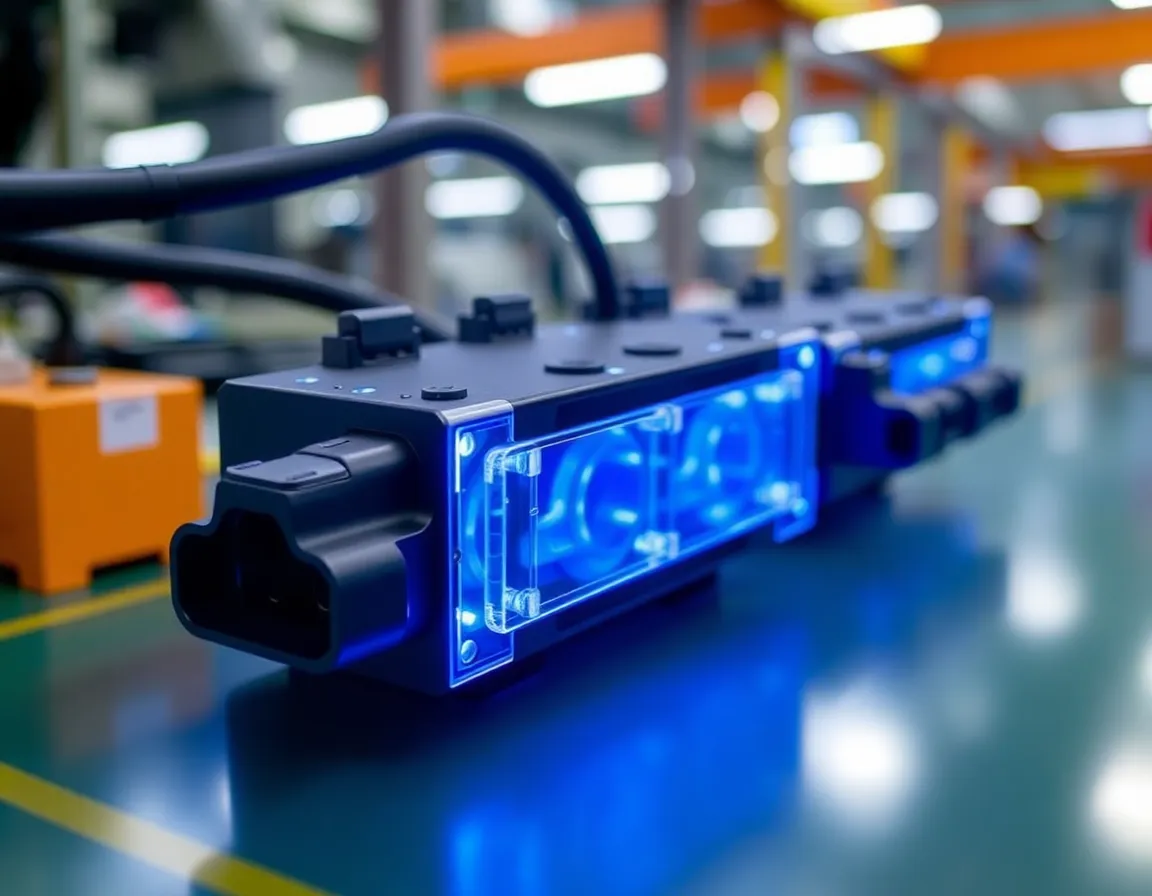
Il cambiamento di paradigma nella produzione automobilistica
L'industria automobilistica sta subendo una trasformazione profonda, guidata dalla ricerca incessante di alleggerimento, efficienza del carburante, e libertà di progettazione. Al cuore di questa rivoluzione c'è una disciplina critica ma spesso trascurata: servizi di assemblaggio di componenti plastici per automotive. Sono finiti i giorni in cui le materie plastiche erano relegate a semplici componenti di rivestimento interni. Oggi, polimeri avanzati e sofisticate tecnologie di giunzione stanno ridefinendo come vengono costruiti i veicoli, dai pannelli della carrozzeria strutturale a complessi componenti sotto il cofano e intricati sistemi elettrici.
Questo cambiamento non riguarda solo la sostituzione del metallo con la plastica. Si tratta di reimmaginare l'intero processo di assemblaggio. I veicoli moderni integrano dozzine di diversi materiali plastici, ciascuno con proprietà termiche, meccaniche e chimiche uniche. La sfida, e l'opportunità, sta in come questi materiali dissimili vengono uniti, sigillati e rifiniti. Servizi di assemblaggio di componenti plastici per automotive si sono evoluti in una disciplina ingegneristica specializzata che combina scienza dei materiali, utensileria di precisione e automazione di processo per creare assemblaggi più leggeri, più resistenti e più durevoli che mai.
Tecnologie chiave nell'assemblaggio moderno della plastica
Per comprendere l'impatto di questi servizi, bisogna prima apprezzare la varietà di tecniche di giunzione disponibili. Ogni metodo offre vantaggi distinti a seconda del tipo di plastica, della geometria del pezzo, del volume di produzione e dei requisiti di prestazione. Di seguito sono riportate le tecnologie primarie che guidano questo campo.
Saldatura per vibrazione e saldatura a ultrasuoni
Queste tecniche di saldatura per attrito sono tra le più utilizzate nella produzione automobilistica ad alto volume. La saldatura a ultrasuoni utilizza vibrazioni meccaniche ad alta frequenza (tipicamente 20-40 kHz) per generare calore localizzato all'interfaccia del giunto, fondendo la plastica e creando un legame molecolare in millisecondi. È ideale per parti di piccole e medie dimensioni come sensori, connettori e pannelli interni. Saldatura per vibrazione, d'altra parte, utilizza un movimento lineare a frequenza più bassa ma ampiezza maggiore per unire parti più grandi, come collettori di aspirazione, pannelli strumenti e gruppi paraurti. Entrambi i metodi offrono eccezionale resistenza del giunto, ripetibilità e velocità, rendendoli indispensabili per servizi di assemblaggio di componenti plastici per automotive.
Saldatura laser
Per applicazioni che richiedono guarnizioni ermetiche, impatto estetico minimo o unione di geometrie 3D complesse, la saldatura laser è diventata una soluzione preferita. In questo processo, un raggio laser passa attraverso una parte superiore trasparente al laser e viene assorbito da una parte inferiore assorbente il laser, fondendo l'interfaccia senza contattare il materiale. Il risultato è una saldatura pulita, senza bave e altamente precisa. Questa tecnologia è sempre più utilizzata per gruppi illuminanti a LED, serbatoi di fluidi, e alloggiamenti dell'unità di controllo elettronico (ECU) dove la contaminazione da particelle non può essere tollerata.
Saldatura a piastra calda e a gas caldo
Per parti in plastica grandi, a pareti spesse o altamente riempite, la, saldatura a piastra calda rimane un metodo robusto e affidabile. Una piastra riscaldata fonde le superfici di giunzione, che vengono poi pressate insieme per formare un legame. Questa tecnica è comunemente impiegata per vassoi batteria nei veicoli elettrici, sistemi di canalizzazione, e protezioni sottoscocca per impieghi gravosi. saldatura a gas caldo, utilizzando un flusso di aria calda o azoto, è spesso utilizzata per riparazioni o produzione in bassi volumi di parti termoplastiche.
Soluzioni di fissaggio meccanico e accoppiamento a pressione
Mentre la saldatura crea giunzioni permanenti, molti assemblaggi automobilistici richiedono manutenibilità o la capacità di essere smontati per il riciclaggio. Servizi di assemblaggio di componenti plastici per automotive hanno perfezionato tecniche di fissaggio meccanico, tra cui clip a spina, boccole per viti, raccordi a barba, e design a scatto. Questi metodi sono fondamentali per il fissaggio di rivestimenti interni, pannelli porta e componenti elettrici. Tecnologie avanzate di accoppiamento a pressione, come termosaldatura a punzone e cold forming, provide a hybrid approach—creating a permanent mechanical lock without the need for additional fasteners.
Strategic Benefits for OEMs and Tier Suppliers
The adoption of specialized servizi di assemblaggio di componenti plastici per automotive delivers measurable advantages across the entire vehicle lifecycle. These benefits extend far beyond simple cost savings.
Riduzione del peso ed efficienza del carburante
Replacing metal assemblies with plastic equivalents can reduce component weight by 30% to 50% or more. For every 10% reduction in vehicle weight, fuel economy improves by approximately 6-8%. In electric vehicles, weight reduction directly translates to increased range. Advanced assembly techniques allow engineers to design thin-walled, hollow, or ribbed structures that maintain strength while shedding mass. By partnering with experienced servizi di assemblaggio di componenti plastici per automotive, manufacturers can optimize material usage without compromising structural integrity.
Design Freedom and Part Consolidation
Plastics can be molded into complex shapes that are impossible or prohibitively expensive with metal. When combined with sophisticated assembly methods, this enables part consolidation—replacing multi-component metal assemblies with single or fewer plastic components. For example, a traditional engine intake manifold might consist of 10-15 metal parts welded together. A modern plastic version can be molded as two halves and vibration-welded into one unit, reducing weight, assembly time, and potential leak paths. This design freedom also allows for the integration of features like snap-fits, living hinges, and integrated seals directly into the part.
Corrosion Resistance and Durability
Unlike metals, plastics do not rust or corrode. This makes them ideal for components exposed to road salt, moisture, chemicals, and extreme temperatures. Servizi di assemblaggio di componenti plastici per automotive ensure that joints are not only strong but also sealed against environmental ingress. Properly welded plastic assemblies can withstand thousands of hours of thermal cycling, vibration, and chemical exposure without degradation. This durability is particularly critical for underhood applications, fuel systems, e cooling circuits.
Noise, Vibration, and Harshness (NVH) Reduction
Plastics naturally dampen vibration and reduce noise transmission compared to metal. Advanced assembly techniques, particularly those using elastomeric seals or overmolded gaskets, can further improve NVH performance. For example, vibration-welded air intake ducts can be designed with integrated resonators to cancel specific frequencies, resulting in a quieter, more refined cabin experience. This is a key selling point for premium vehicles.
Critical Applications Across the Vehicle
The scope of servizi di assemblaggio di componenti plastici per automotive touches nearly every subsystem of a modern car, truck, or SUV. Below are some of the most demanding and innovative applications.
Powertrain and Underhood Systems
Engine compartments have become increasingly hostile environments, with temperatures exceeding 150°C and constant exposure to oil, coolant, and fuel. Plastics like nylon (PA) with glass fiber reinforcement, polifenilene solfuro (PPS), e polyether ether ketone (PEEK) are now standard for air intake manifolds, engine covers, oil pans, e coolant pumps. These components are often assembled using vibration or laser welding to ensure leak-tight joints that can withstand extreme pressure cycles.
Lighting and Optical Systems
Modern headlights and taillights are complex assemblies of polycarbonate (PC) lenses, polybutylene terephthalate (PBT) housings, and multiple electronic modules. Servizi di assemblaggio di componenti plastici per automotive use hot plate welding and adhesive bonding to create guarnizioni ermetiche that prevent fogging and moisture ingress. Laser welding is also employed for attaching lens covers to housings, providing a clean, invisible joint that meets strict optical clarity requirements.
Interior Trim and Structural Components
The passenger cabin is a showcase for plastic assembly innovation. Instrument panels are often assembled from multiple layers of different plastics—a rigid substrate for structure, a foam layer for soft-touch feel, and a skin for aesthetics—all bonded using adhesives or heat staking. Door panels, center consoles, e seat structures increasingly use vibration welding to join hollow, lightweight components that reduce weight while meeting safety standards. Even airbag deployment chutes are precision-welded to ensure reliable, controlled opening during a crash.
Battery Enclosures and Thermal Management
The electric vehicle (EV) revolution has created entirely new demands for plastic assembly. Battery pack enclosures require materials that are electrically insulating, flame-retardant, and capable of dissipating heat. Servizi di assemblaggio di componenti plastici per automotive now offer solutions using glass-filled polypropylene (PP) o polyamide (PA) that are vibration-welded or adhesive-bonded to create lightweight, crash-resistant enclosures. Additionally, coolant manifolds e thermal interface materials are assembled using precision techniques to ensure efficient battery thermal management.
Best Practices for Optimal Results
Success in servizi di assemblaggio di componenti plastici per automotive requires more than just selecting the right welding machine. It demands a holistic approach that begins at the design stage and extends through production quality control.
Design for Assembly (DFA) Principles
The most successful plastic assemblies are designed with the joining process in mind. Key considerations include:
- Uniform wall thickness near weld joints to ensure consistent melting.
- Energy directors (small triangular ridges) on parts to be ultrasonic or vibration welded, which concentrate energy and initiate melting.
- Adequate draft angles for molded parts to ensure proper fit-up.
- Clearance for weld flash and venting of trapped air.
- Accessibility for welding tools or robotic end-effectors.
Material Selection and Compatibility
Not all plastics can be welded together. Amorphous polymers (like PC, ABS, and acrylic) generally weld well to themselves and each other. Semi-crystalline polymers (like PA, PP, and POM) weld well to themselves but poorly to amorphous materials. Servizi di assemblaggio di componenti plastici per automotive providers maintain extensive databases of material compatibility and can recommend alternative materials or surface treatments (such as plasma or flame treatment) to enable bonding of dissimilar plastics. Always consult a specialist before specifying a material combination.
Process Validation and Quality Control
Rigorous testing is essential to ensure joint integrity. Standard quality control measures include:
- Destructive tensile or peel tests on sample parts to measure weld strength.
- Pressure decay or helium leak testing for sealed assemblies.
- Microscopic cross-sectioning to examine weld bead morphology.
- In-line process monitoring using power curves, displacement sensors, and temperature feedback to detect anomalies in real time.
- Thermal shock and vibration testing to simulate vehicle life cycles.
Partnering with Experts
Given the complexity of modern materials and processes, most OEMs and Tier 1 suppliers choose to partner with specialized servizi di assemblaggio di componenti plastici per automotive providers. These partners bring deep expertise in tooling design, process optimization, and automation integration. They can also manage the entire supply chain—from molding to assembly to final inspection—ensuring consistent quality and on-time delivery. When selecting a partner, look for certifications such as IATF 16949 (automotive quality management), proven experience with your specific materials, and a track record of innovation in joining technology.
The Future of Automotive Plastic Assembly
As the industry moves toward autonomous vehicles, electrification, e sustainable materials, the role of servizi di assemblaggio di componenti plastici per automotive will only grow. Emerging trends include the use of bio-based and recycled plastics, which present new joining challenges due to variable material properties. Additive manufacturing (3D printing) is also entering the assembly space, enabling the production of custom tooling or low-volume parts with integrated features. Furthermore, Industry 4.0 technologies—such as digital twins, machine learning for process optimization, and IoT-enabled quality tracking—are making plastic assembly lines smarter and more efficient.
In conclusion, servizi di assemblaggio di componenti plastici per automotive are no longer a secondary consideration but a core strategic capability. They enable the lightweight, durable, and complex designs that define modern vehicles. By understanding the technologies, benefits, and best practices outlined above, manufacturers can harness the full potential of plastics to build better, safer, and more sustainable automobiles. The revolution in auto assembly is here, and it is built on a foundation of advanced plastic solutions.