
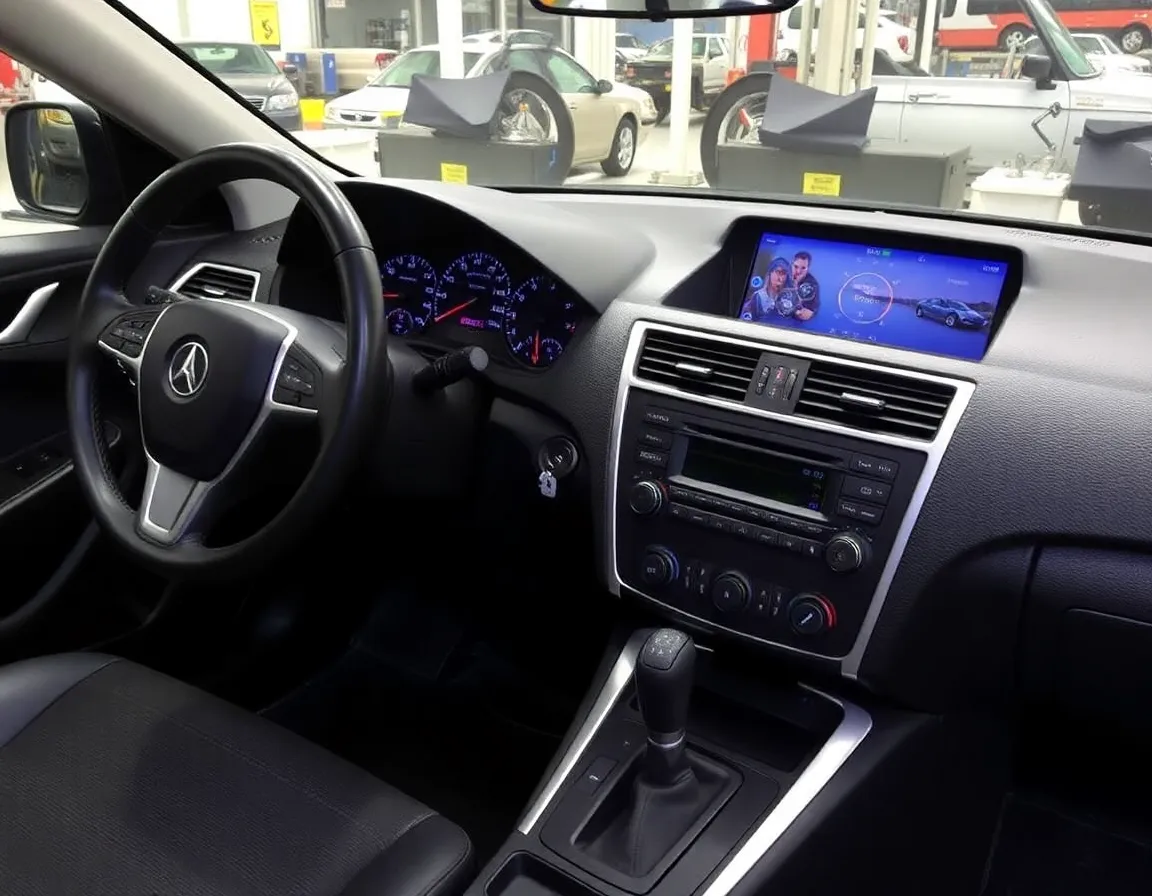
Introduzione: L'evoluzione delle plastiche per automotive e il ruolo dei fornitori di primo livello
L'industria automobilistica sta subendo una trasformazione radicale, guidata dalle esigenze di alleggerimento, elettrificazione e maggiore sostenibilità. Al centro di questa rivoluzione ci sono i fornitori di componenti in plastica per automotive di primo livello. Questi sono i produttori specializzati che progettano, ingegnerizzano e producono componenti plastici complessi direttamente per i produttori di apparecchiature originali (OEM) come Ford, Toyota e Volkswagen. A differenza dei produttori di materie prime (tier 2 o tier 3), i fornitori di tier 1 sono responsabili del pezzo finale, integrando materiali avanzati, stampaggio di precisione e spesso interi sottoassiemi.
I veicoli moderni contengono ora oltre il 15% di plastica in peso, e questa percentuale è in aumento. Dai componenti sottocofano ai pannelli della carrozzeria strutturali e ai moduli interni complessi, le plastiche hanno sostituito i metalli in innumerevoli applicazioni. Questo cambiamento non riguarda solo la riduzione dei costi; riguarda il consentire guadagni di prestazioni che prima erano impossibili. In questo articolo esploreremo le cinque migliori innovazioni emergenti dai principali fornitori di componenti plastici per automotive di tier 1, esaminando come funzionano queste tecnologie, i loro vantaggi e le loro applicazioni nel mondo reale.
Innovazione 1: Alleggerimento avanzato con termoplastici a fibra lunga (LFT)
Cos'è e come funziona
I termoplastici a fibra lunga (LFT) rappresentano un salto significativo rispetto ai tradizionali plastici rinforzati con fibre corte. Mentre i compositi standard utilizzano fibre di lunghezza inferiore a 1 mm, i composti LFT contengono fibre di vetro o carbonio lunghe da 10 mm a 25 mm. I fornitori di tier 1 hanno perfezionato il processo di compounding di queste fibre lunghe in matrici di polipropilene (PP), poliammide (PA) o poliuretano. L'innovazione chiave risiede nel processo di stampaggio: durante lo stampaggio a iniezione o compressione, le fibre lunghe rimangono intatte, creando una rete di rinforzo tridimensionale in tutto il pezzo.
Vantaggi e applicazioni
Il vantaggio principale dell'LFT è il suo eccezionale rapporto resistenza-peso. I componenti realizzati in LFT possono essere dal 30 al 50% più leggeri rispetto a parti in acciaio equivalenti, offrendo al contempo una resistenza all'impatto e una durata a fatica superiori. I principali fornitori di tier 1 ora producono moduli frontali in LFT, supporti per cruscotto e vassoi per batterie per veicoli elettrici (EV). Ad esempio, un singolo supporto frontale in LFT può sostituire un assemblaggio saldato di 10-15 stampati in acciaio, riducendo il peso di oltre 8 kg per veicolo. Questa innovazione contribuisce direttamente a migliorare l'efficienza del carburante e ad aumentare l'autonomia dei veicoli elettrici.
Migliori pratiche per l'implementazione
- Progettazione per l'orientamento delle fibre: Gli ingegneri devono utilizzare software di simulazione per prevedere il flusso delle fibre durante lo stampaggio, garantendo una resistenza ottimale nelle direzioni di carico.
- Controlled processing temperatures: Maintaining precise temperature profiles prevents fiber degradation during compounding and injection.
- Hybrid tooling strategies: Combine LFT with metal inserts or other polymers for multi-material assemblies that optimize cost and performance.
Innovation #2: In-Mold Coating and Decoration (IMC/IMD)
Cos'è e come funziona
Traditional manufacturing requires painting or coating plastic parts in a secondary operation, which is time-consuming, expensive, and environmentally harmful. Tier 1 suppliers have revolutionized this through in-mold coating (IMC) e in-mold decoration (IMD). In IMC, a liquid coating is injected into the mold after the plastic part has formed but before it cools completely. The coating chemically bonds to the surface, creating a durable, high-gloss finish. IMD takes this further by placing a pre-printed film (with textures, patterns, or metallized layers) into the mold before injection. The plastic bonds to the film during molding, producing a fully decorated part in a single cycle.
Vantaggi e applicazioni
The advantages are substantial: zero VOC emissions (no volatile organic compounds from paint solvents), 40-60% lower manufacturing costs, and dramatically improved scratch and UV resistance. Interior trim pieces, dashboard bezels, and exterior body claddings are now produced using these techniques. Automotive manufacturers benefit from perfect color matching across vehicle fleets and the ability to create realistic wood, carbon fiber, or brushed metal finishes without actual natural materials. For EV makers, this innovation supports sustainable manufacturing goals by eliminating painting waste streams.
Migliori pratiche per l'implementazione
- Film selection: Choose polycarbonate or acrylic films with high thermal stability to withstand injection pressures and temperatures.
- Mold surface treatment: Use textured or polished mold surfaces to achieve specific gloss levels (from matte to mirror finish).
- Cycle time optimization: Balance coating curing time with part cooling to maximize productivity without sacrificing quality.
Innovation #3: Structural Thermoplastic Composites for Crash-Safety Components
Cos'è e come funziona
Historically, plastics were considered unsuitable for safety-critical structural components. That perception has been shattered by the development of continuous fiber-reinforced thermoplastic composites. Tier 1 suppliers now use unidirectional tapes and woven fabrics made from carbon or glass fibers pre-impregnated with thermoplastics like PEEK (polyether ether ketone) or PAEK (polyaryl ether ketone). These materials are processed using automated tape laying (ATL) or compression molding to create parts that are not only lightweight but also capable of absorbing crash energy better than steel or aluminum.
Vantaggi e applicazioni
The specific energy absorption (SEA) of these composites can reach 80-100 kJ/kg, compared to 15-20 kJ/kg for high-strength steel. This means a crash rail or bumper beam made from thermoplastic composite can be 60% lighter while providing superior occupant protection. Leading tier 1 suppliers have commercialized composite front crash rails, door impact beams, and seat structures. For electric vehicles, these components also provide the added benefit of electrical insulation and corrosion resistance, which is critical for battery pack enclosures.
Migliori pratiche per l'implementazione
- Hybrid metal-composite joints: Use adhesive bonding combined with mechanical fasteners to prevent galvanic corrosion between carbon fiber and aluminum.
- Process simulation: Model the consolidation and cooling phases to avoid void formation and ensure consistent fiber alignment.
- Repair and recyclability: Design components with thermoplastic matrices that can be remelted and reformed, enabling circular economy practices.
Innovation #4: Smart Plastics with Integrated Electronics (Molded Interconnect Devices)
Cos'è e come funziona
As vehicles become increasingly connected and autonomous, the demand for integrated electronics has skyrocketed. Tier 1 suppliers have responded with molded interconnect devices (MIDs)—plastic parts that incorporate conductive circuit traces directly into their three-dimensional surfaces. Using a process called laser direct structuring (LDS), the supplier molds a special thermoplastic compound containing a laser-activated metal additive. A laser then writes the circuit pattern onto the part's surface, and the part is immersed in an electroless copper plating bath. The copper selectively deposits only on the laser-activated areas, creating highly conductive traces with precision down to 50 microns.
Vantaggi e applicazioni
MIDs eliminate the need for separate wiring harnesses, connectors, and printed circuit boards (PCBs), reducing assembly complexity by up to 70%. This innovation is used for interior lighting modules, antenna housings, sensor brackets, and even structural parts like steering column stalks that contain touch controls. For tier 1 suppliers, the ability to mold 3D circuits enables designs that were impossible with traditional 2D PCBs—such as antennas that wrap around curved surfaces or sensors integrated into door handles. The weight savings are significant, with some MIDs replacing 15-20 separate components with a single molded part.
Migliori pratiche per l'implementazione
- Material selection: Use LCP (liquid crystal polymer) or PPA (polyphthalamide) for high-temperature stability during soldering and reflow processes.
- Design rules: Maintain minimum trace spacing of 150 microns to prevent short circuits during plating.
- Testing protocols: Implement thermal shock and humidity cycling tests to validate adhesion and conductivity under automotive operating conditions (-40°C to 125°C).
Innovation #5: Bio-Based and Recycled Polymer Compounds for Sustainable Mobility
Cos'è e come funziona
Environmental regulations and consumer demand are pushing tier 1 suppliers toward circular material solutions. The latest innovation involves developing high-performance compounds using bio-based polymers (derived from corn, sugarcane, or castor oil) and mechanically or chemically recycled post-consumer plastics. These are not simple low-grade materials; they are engineered compounds that meet the same stringent specifications as virgin polymers—including tensile strength, heat resistance, and weatherability. Tier 1 suppliers collaborate with chemical companies to create formulations where, for example, 50-80% of the polypropylene content comes from recycled sources, reinforced with natural fibers like hemp or flax.
Vantaggi e applicazioni
The environmental impact is profound: a switch to 100% bio-based polyamide can reduce CO2 emissions by up to 6.5 kg per kilogram of plastic compared to petroleum-based alternatives. These materials are now used for interior panels, underhood covers, fluid reservoirs, and even exterior parts like wheel arch liners. For automakers, using these compounds contributes directly to achieving carbon neutrality targets and qualifies for green building certifications. Importantly, the cost premium for bio-based materials has dropped to only 10-20% over conventional plastics, making them commercially viable for mass production.
Migliori pratiche per l'implementazione
- Supply chain traceability: Use blockchain or certified mass balance systems to verify the origin and content of recycled materials.
- Processing adjustments: Bio-based polymers often have different melt flow indexes; modify screw designs and cooling channels accordingly.
- End-of-life planning: Design parts with material labeling (ISO 11469) to facilitate sorting and recycling at vehicle end-of-life.
Conclusion: The Future of Automotive Plastic Innovation
The five innovations detailed above represent the cutting edge of what fornitori di componenti in plastica per automotive di primo livello can achieve. From long-fiber thermoplastics that replace steel structures to smart MIDs that eliminate wiring, these technologies are not incremental improvements—they are paradigm shifts. The benefits cascade through the entire automotive ecosystem: lighter vehicles reduce energy consumption, integrated electronics enable autonomous driving features, and sustainable materials shrink the industry's environmental footprint.
For automotive engineers and procurement professionals, the key takeaway is that modern plastic parts are no longer "cheap alternatives." They are sophisticated, engineered systems that require deep collaboration between OEMs and tier 1 suppliers. As we look toward 2030 and beyond, we can expect further breakthroughs in areas like self-healing polymers, thermoplastics that change color on demand, and fully recyclable battery enclosures. The tier 1 suppliers who master these innovations will not only survive the transition to electric and autonomous mobility—they will lead it.
To stay competitive, companies must invest in advanced simulation tools, multi-material joining technologies, e closed-loop recycling infrastructure. The journey from petroleum-based commodity plastics to high-performance, sustainable, and intelligent materials is well underway, and tier 1 automotive plastic part suppliers are driving the change.