
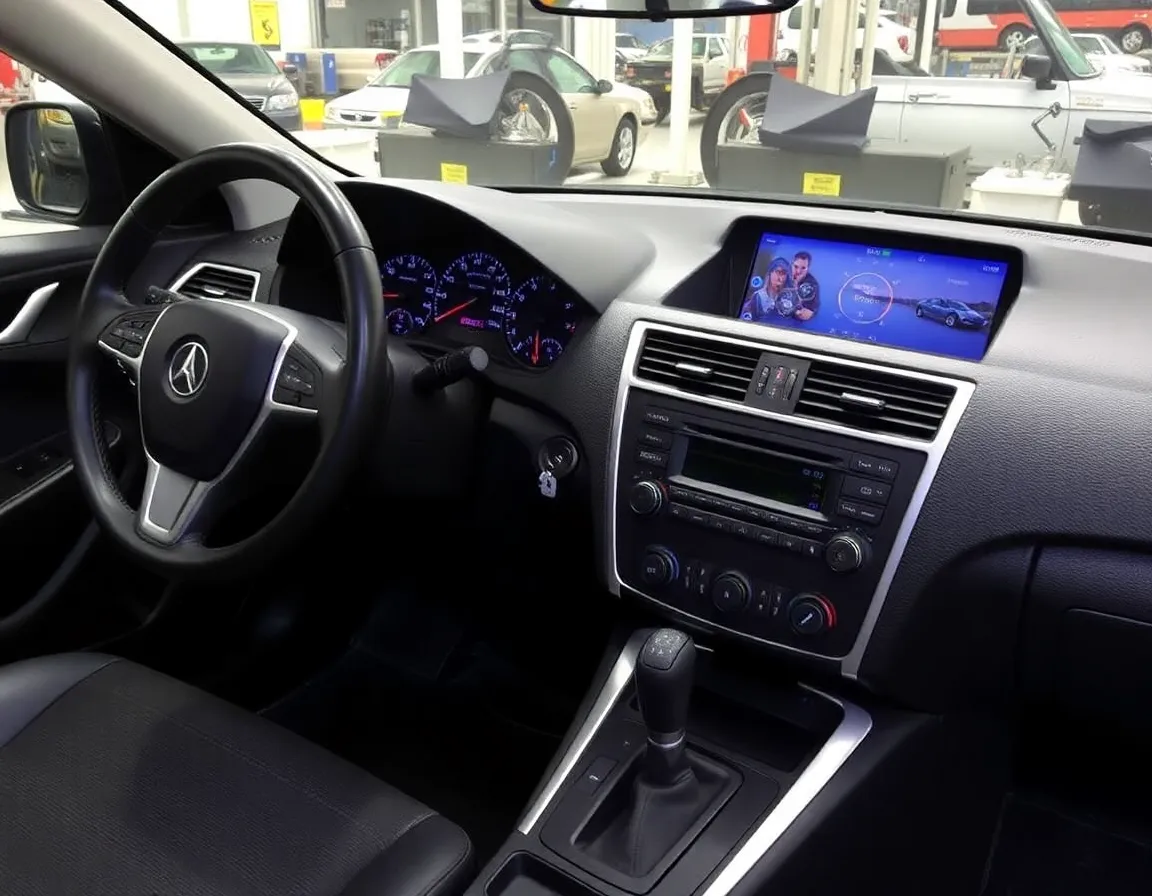
مقدمة: تطور البلاستيك في صناعة السيارات ودور موردي المستوى الأول
تشهد صناعة السيارات تحولًا جذريًا، مدفوعًا بمتطلبات تخفيف الوزن والكهربة وتعزيز الاستدامة. في قلب هذه الثورة يوجد موردو قطع الغيار البلاستيكية من المستوى الأول لصناعة السيارات. هذه هي الشركات المصنعة المتخصصة التي تصمم وتطور وتنتج المكونات البلاستيكية المعقدة مباشرة لمصنعي المعدات الأصلية (OEMs) مثل فورد وتويوتا وفولكس فاجن. على عكس منتجي المواد الخام (المستوى 2 أو المستوى 3)، فإن موردي المستوى 1 مسؤولون عن الجزء النهائي، ودمج المواد المتقدمة، والقولبة الدقيقة، وغالبًا التجميعات الفرعية الكاملة.
تحتوي المركبات الحديثة الآن على أكثر من 15% بالوزن من البلاستيك، وهذه النسبة في ارتفاع. من المكونات تحت غطاء المحرك إلى ألواح الهيكل الهيكلية ووحدات المقصورة الداخلية المعقدة، حلت البلاستيك محل المعادن في تطبيقات لا حصر لها. هذا التحول لا يتعلق فقط بخفض التكاليف؛ بل يتعلق بتمكين مكاسب الأداء التي كانت مستحيلة سابقًا. في هذه المقالة، سوف نستكشف أفضل خمس ابتكارات الناشئة من موردي قطع غيار السيارات البلاستيكية الرائدين من المستوى 1، وندرس كيف تعمل هذه التقنيات، وفوائدها، وتطبيقاتها في العالم الحقيقي.
الابتكار 1: التخفيف المتقدم باستخدام اللدائن الحرارية المقواة بالألياف الطويلة (LFT)
ما هو وكيف يعمل
تمثل اللدائن الحرارية المقواة بالألياف الطويلة (LFT) قفزة كبيرة مقارنة بالبلاستيك التقليدي المقوى بالألياف القصيرة. بينما تستخدم المركبات القياسية أليافًا يقل طولها عن 1 مم، تحتوي مركبات LFT على ألياف زجاجية أو كربونية يتراوح طولها بين 10 مم إلى 25 مم. أتقن موردو المستوى 1 عملية خلط هذه الألياف الطويلة في مصفوفات البولي بروبيلين (PP) أو البولي أميد (PA) أو البولي يوريثان. يكمن الابتكار الرئيسي في عملية القولبة: أثناء القولبة بالحقن أو الضغط، تظل الألياف الطويلة سليمة، مما يخلق شبكة تقوية ثلاثية الأبعاد في جميع أنحاء الجزء.
الفوائد والتطبيقات
الفائدة الأساسية من LFT هي نسبة القوة إلى الوزن الاستثنائية. يمكن أن تكون المكونات المصنوعة من LFT أخف بنسبة 30-50% من الأجزاء الفولاذية المكافئة مع توفير مقاومة فائقة للصدمات وعمر إجهاد أطول. ينتج كبار موردي المستوى 1 الآن وحدات أمامية من LFT، وحاملات لوحة العدادات، وصواني البطاريات للمركبات الكهربائية (EVs). على سبيل المثال، يمكن لحامل أمامي واحد من LFT أن يحل محل تجميع ملحوم من 10-15 قطعة فولاذية مختومة، مما يقلل الوزن بأكثر من 8 كجم لكل مركبة. يساهم هذا الابتكار مباشرة في تحسين كفاءة استهلاك الوقود وزيادة مدى المركبات الكهربائية.
أفضل الممارسات للتنفيذ:
- التصميم لاتجاه الألياف: يجب على المهندسين استخدام برامج المحاكاة للتنبؤ بتدفق الألياف أثناء القولبة، مما يضمن القوة المثلى في اتجاهات الحمل.
- درجات حرارة المعالجة المتحكم بها: الحفاظ على ملفات درجات حرارة دقيقة يمنع تدهور الألياف أثناء الخلط والحقن.
- استراتيجيات الأدوات الهجينة: دمج LFT مع الإدخالات المعدنية أو البوليمرات الأخرى لتجميعات متعددة المواد تعمل على تحسين التكلفة والأداء.
الابتكار #2: الطلاء والزخرفة داخل القالب (IMC/IMD)
ما هو وكيف يعمل
يتطلب التصنيع التقليدي طلاء أو تغليف الأجزاء البلاستيكية في عملية ثانوية، وهو أمر يستغرق وقتًا طويلاً ومكلفًا وضارًا بالبيئة. وقد أحدث موردو المستوى الأول ثورة في هذا المجال من خلال الطلاء داخل القالب (IMC) و الزخرفة داخل القالب (IMD). في IMC، يتم حقن طلاء سائل في القالب بعد تشكيل الجزء البلاستيكي ولكن قبل أن يبرد تمامًا. يرتبط الطلاء كيميائيًا بالسطح، مما ينتج لمسة نهائية متينة وعالية اللمعان. تأخذ IMD هذا الأمر إلى أبعد من ذلك عن طريق وضع فيلم مطبوع مسبقًا (مع أنسجة أو أنماط أو طبقات معدنية) في القالب قبل الحقن. يرتبط البلاستيك بالفيلم أثناء القولبة، مما ينتج جزءًا مزخرفًا بالكامل في دورة واحدة.
الفوائد والتطبيقات
المزايا كبيرة: صفر انبعاثات VOC (لا مركبات عضوية متطايرة من مذيبات الطلاء)، وتكاليف تصنيع أقل بنسبة 40-60%، وتحسين كبير في مقاومة الخدش والأشعة فوق البنفسجية. يتم الآن إنتاج قطع التنجيد الداخلية، وحواف لوحة القيادة، والكسوات الخارجية للهيكل باستخدام هذه التقنيات. يستفيد مصنعو السيارات من مطابقة الألوان المثالية عبر أساطيل المركبات والقدرة على إنشاء تشطيبات خشبية أو ألياف كربونية أو معدنية مصقولة واقعية دون مواد طبيعية فعلية. بالنسبة لصانعي السيارات الكهربائية، يدعم هذا الابتكار أهداف التصنيع المستدام من خلال القضاء على نفايات الطلاء.
أفضل الممارسات للتنفيذ:
- اختيار الفيلم: اختر أفلام البولي كربونات أو الأكريليك ذات الثبات الحراري العالي لتحمل ضغوط ودرجات حرارة الحقن.
- Mold surface treatment: Use textured or polished mold surfaces to achieve specific gloss levels (from matte to mirror finish).
- Cycle time optimization: Balance coating curing time with part cooling to maximize productivity without sacrificing quality.
Innovation #3: Structural Thermoplastic Composites for Crash-Safety Components
ما هو وكيف يعمل
Historically, plastics were considered unsuitable for safety-critical structural components. That perception has been shattered by the development of continuous fiber-reinforced thermoplastic composites. Tier 1 suppliers now use unidirectional tapes and woven fabrics made from carbon or glass fibers pre-impregnated with thermoplastics like PEEK (polyether ether ketone) or PAEK (polyaryl ether ketone). These materials are processed using automated tape laying (ATL) or compression molding to create parts that are not only lightweight but also capable of absorbing crash energy better than steel or aluminum.
الفوائد والتطبيقات
The specific energy absorption (SEA) of these composites can reach 80-100 kJ/kg, compared to 15-20 kJ/kg for high-strength steel. This means a crash rail or bumper beam made from thermoplastic composite can be 60% lighter while providing superior occupant protection. Leading tier 1 suppliers have commercialized composite front crash rails, door impact beams, and seat structures. For electric vehicles, these components also provide the added benefit of electrical insulation and corrosion resistance, which is critical for battery pack enclosures.
أفضل الممارسات للتنفيذ:
- Hybrid metal-composite joints: Use adhesive bonding combined with mechanical fasteners to prevent galvanic corrosion between carbon fiber and aluminum.
- Process simulation: Model the consolidation and cooling phases to avoid void formation and ensure consistent fiber alignment.
- Repair and recyclability: Design components with thermoplastic matrices that can be remelted and reformed, enabling circular economy practices.
Innovation #4: Smart Plastics with Integrated Electronics (Molded Interconnect Devices)
ما هو وكيف يعمل
As vehicles become increasingly connected and autonomous, the demand for integrated electronics has skyrocketed. Tier 1 suppliers have responded with molded interconnect devices (MIDs)—plastic parts that incorporate conductive circuit traces directly into their three-dimensional surfaces. Using a process called laser direct structuring (LDS), the supplier molds a special thermoplastic compound containing a laser-activated metal additive. A laser then writes the circuit pattern onto the part's surface, and the part is immersed in an electroless copper plating bath. The copper selectively deposits only on the laser-activated areas, creating highly conductive traces with precision down to 50 microns.
الفوائد والتطبيقات
MIDs eliminate the need for separate wiring harnesses, connectors, and printed circuit boards (PCBs), reducing assembly complexity by up to 70%. This innovation is used for interior lighting modules, antenna housings, sensor brackets, and even structural parts like steering column stalks that contain touch controls. For tier 1 suppliers, the ability to mold 3D circuits enables designs that were impossible with traditional 2D PCBs—such as antennas that wrap around curved surfaces or sensors integrated into door handles. The weight savings are significant, with some MIDs replacing 15-20 separate components with a single molded part.
أفضل الممارسات للتنفيذ:
- Material selection: Use LCP (liquid crystal polymer) or PPA (polyphthalamide) for high-temperature stability during soldering and reflow processes.
- Design rules: Maintain minimum trace spacing of 150 microns to prevent short circuits during plating.
- Testing protocols: Implement thermal shock and humidity cycling tests to validate adhesion and conductivity under automotive operating conditions (-40°C to 125°C).
Innovation #5: Bio-Based and Recycled Polymer Compounds for Sustainable Mobility
ما هو وكيف يعمل
Environmental regulations and consumer demand are pushing tier 1 suppliers toward circular material solutions. The latest innovation involves developing high-performance compounds using bio-based polymers (derived from corn, sugarcane, or castor oil) and mechanically or chemically recycled post-consumer plastics. These are not simple low-grade materials; they are engineered compounds that meet the same stringent specifications as virgin polymers—including tensile strength, heat resistance, and weatherability. Tier 1 suppliers collaborate with chemical companies to create formulations where, for example, 50-80% of the polypropylene content comes from recycled sources, reinforced with natural fibers like hemp or flax.
الفوائد والتطبيقات
The environmental impact is profound: a switch to 100% bio-based polyamide can reduce CO2 emissions by up to 6.5 kg per kilogram of plastic compared to petroleum-based alternatives. These materials are now used for interior panels, underhood covers, fluid reservoirs, and even exterior parts like wheel arch liners. For automakers, using these compounds contributes directly to achieving carbon neutrality targets and qualifies for green building certifications. Importantly, the cost premium for bio-based materials has dropped to only 10-20% over conventional plastics, making them commercially viable for mass production.
أفضل الممارسات للتنفيذ:
- Supply chain traceability: Use blockchain or certified mass balance systems to verify the origin and content of recycled materials.
- Processing adjustments: Bio-based polymers often have different melt flow indexes; modify screw designs and cooling channels accordingly.
- End-of-life planning: Design parts with material labeling (ISO 11469) to facilitate sorting and recycling at vehicle end-of-life.
Conclusion: The Future of Automotive Plastic Innovation
The five innovations detailed above represent the cutting edge of what موردو قطع الغيار البلاستيكية من المستوى الأول لصناعة السيارات can achieve. From long-fiber thermoplastics that replace steel structures to smart MIDs that eliminate wiring, these technologies are not incremental improvements—they are paradigm shifts. The benefits cascade through the entire automotive ecosystem: lighter vehicles reduce energy consumption, integrated electronics enable autonomous driving features, and sustainable materials shrink the industry's environmental footprint.
For automotive engineers and procurement professionals, the key takeaway is that modern plastic parts are no longer "cheap alternatives." They are sophisticated, engineered systems that require deep collaboration between OEMs and tier 1 suppliers. As we look toward 2030 and beyond, we can expect further breakthroughs in areas like self-healing polymers, thermoplastics that change color on demand, and fully recyclable battery enclosures. The tier 1 suppliers who master these innovations will not only survive the transition to electric and autonomous mobility—they will lead it.
To stay competitive, companies must invest in advanced simulation tools, multi-material joining technologies, و closed-loop recycling infrastructure. The journey from petroleum-based commodity plastics to high-performance, sustainable, and intelligent materials is well underway, and tier 1 automotive plastic part suppliers are driving the change.