
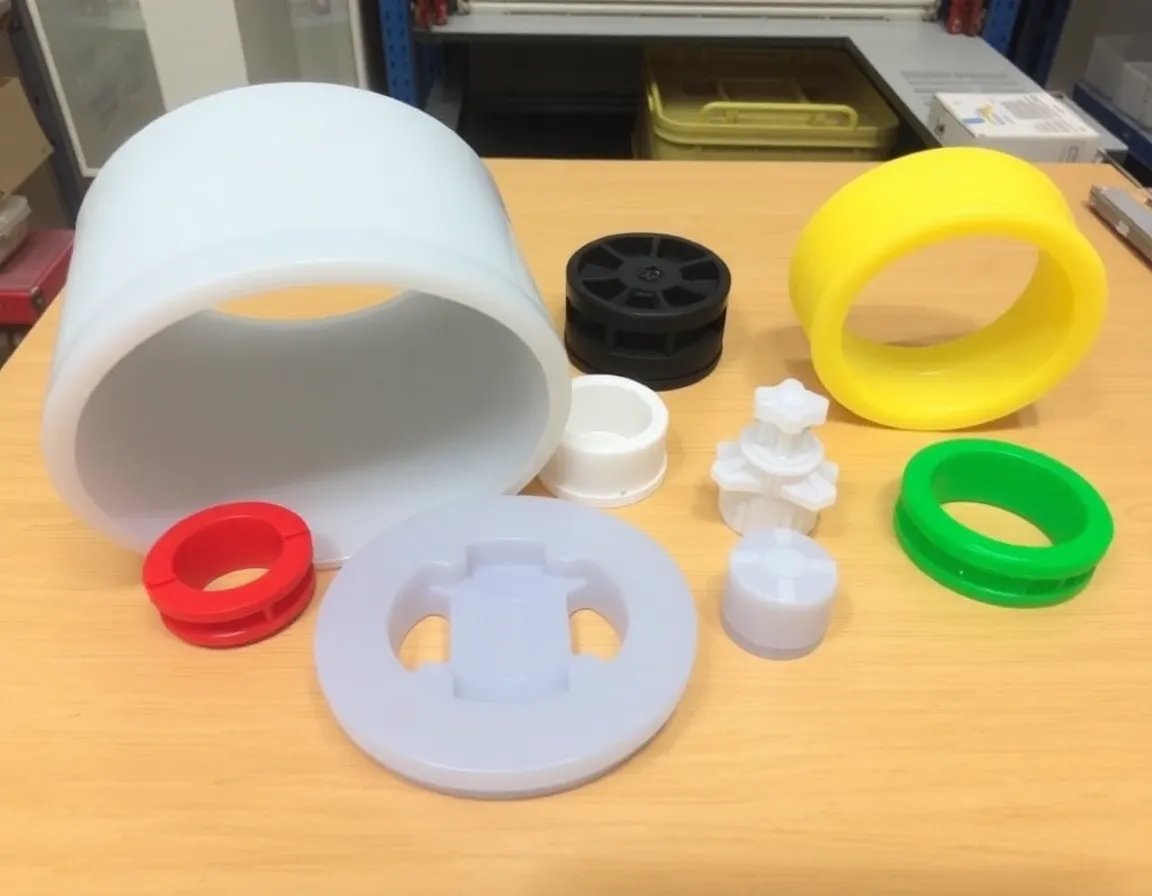
تطور قولبة البلاستيك لمجموعة نقل الحركة
تشهد صناعة السيارات تحولًا عميقًا، مدفوعًا بالحتميتين المزدوجتين لكفاءة استهلاك الوقود والأداء. في قلب هذا التطور يكمن تخصص هندسي حاسم: قولبة الأجزاء البلاستيكية لمجموعة نقل الحركة. يتضمن هذا المجال المتخصص تصميم وتصنيع المكونات البلاستيكية للمحرك وناقل الحركة وأنظمة الدفع باستخدام تقنيات القولبة بالحقن المتقدمة. كانت مجموعة نقل الحركة تقليديًا تهيمن عليها المعادن الثقيلة مثل الحديد الزهر والألمنيوم، وهي الآن تشهد ثورة في تخفيف الوزن، حيث تحل البلاستيكيات عالية الأداء محل الأجزاء المعدنية لتقليل الوزن وتحسين الاقتصاد في استهلاك الوقود وخفض الانبعاثات. تستكشف هذه المقالة تعقيدات قولبة البلاستيك لمجموعة نقل الحركة، وأسسها التكنولوجية، وفوائدها، وتطبيقاتها، وأفضل الممارسات لتحقيق النتائج المثلى.
قولبة البلاستيك لمجموعة نقل الحركة ليست مجرد استبدال البلاستيك بالمعدن؛ فهي تتطلب فهمًا عميقًا لعلوم المواد والديناميكا الحرارية والهندسة الميكانيكية. تتعرض المكونات في بيئة مجموعة نقل الحركة لدرجات حرارة قصوى وضغوط عالية وسوائل مسببة للتآكل واهتزاز مستمر. لذلك، يجب تصميم البلاستيكيات المستخدمة لتحمل هذه الظروف القاسية مع تقديم وفورات في الوزن ومرونة في التصميم لا يمكن للمعادن مضاهاتها. والنتيجة هي فئة من المكونات أخف وزنًا وأكثر متانة وغالبًا أكثر فعالية من حيث التكلفة من نظيراتها المعدنية.
كيف يعمل قولبة البلاستيك لمجموعة نقل الحركة
اختيار المواد للتطبيقات عالية الأداء
أساس نجاح قولبة البلاستيك لمجموعة نقل الحركة هو اختيار المواد. على عكس البلاستيك السلعي المستخدم في الكسوة الداخلية، تتطلب مكونات مجموعة نقل الحركة لدائن حرارية بدرجة هندسية بخصائص استثنائية. تشمل المواد الشائعة:
- بولي أميد (PA) 6 و 66: معروف بقوة ميكانيكية ممتازة، ومقاومة للحرارة، ومقاومة كيميائية للزيوت وسوائل التبريد. غالبًا ما يتم تقويته بألياف زجاجية لزيادة الصلابة.
- بولي فثالاميد (PPA): يوفر مقاومة حرارة أعلى من النايلون القياسي، مما يجعله مثاليًا لمكونات المحرك القريبة من غرفة الاحتراق.
- كبريتيد البولي فينيلين (PPS): يوفر مقاومة كيميائية ممتازة وثباتًا أبعاديًا في درجات الحرارة العالية، ويستخدم في أجزاء ناقل الحركة ونظام الوقود.
- بولي إيثر إيثر كيتون (PEEK): بوليمر عالي الأداء يستخدم للبيئات القاسية، مثل الأختام والمحامل في ناقلات الحركة.
- لدائن حرارية مقواة بألياف طويلة (LFRT): توفر مقاومة صدمات فائقة وأداء زحف ممتاز للمكونات الهيكلية مثل أحواض الزيت وأغطية المحرك.
تبدأ عملية القولبة بتجفيف حبيبات البلاستيك لإزالة الرطوبة، والتي يمكن أن تسبب عيوبًا مثل الفقاعات أو الضعف. ثم يتم تغذية الحبيبات في أسطوانة مسخنة، وصهرها، وحقنها تحت ضغط عالٍ في قالب فولاذي مصنوع بدقة. تم تصميم القالب لتكرار الشكل الهندسي الدقيق للجزء، بما في ذلك الميزات المعقدة مثل القنوات الداخلية، وألسنة التثبيت، والمشابك المفاجئة. بعد الحقن، يُترك البلاستيك ليبرد ويتصلب قبل فتح القالب وإخراج الجزء.
تقنيات القولبة المتقدمة لأجزاء مجموعة نقل الحركة
غالبًا ما يستخدم قولبة البلاستيك لمجموعة نقل الحركة تقنيات متخصصة لتلبية المتطلبات الصارمة. قولبة الإدراج شائعة، حيث يتم وضع الإدخالات المعدنية - مثل الصواميل الملولبة أو البطانات - في القالب قبل الحقن، مما يسمح للبلاستيك بالتشكل حولها. وهذا يخلق رابطة قوية ومحكمة ضد التسرب لنقاط التثبيت. القولبة الزائدة هي تقنية أخرى، حيث يتم قولبة مادة ناعمة الملمس أو مانعة للتسرب فوق ركيزة بلاستيكية صلبة، وهي مفيدة للحشيات أو ميزات تخميد الاهتزاز.
بالنسبة للأشكال الهندسية المعقدة مثل مشعبات السحب أو مجاري الهواء،, قولبة الحقن بمساعدة الغاز تُستخدم. في هذه العملية، يتم حقن غاز النيتروجين في البلاستيك المنصهر لإنشاء أقسام مجوفة، مما يقلل الوزن واستخدام المواد مع الحفاظ على السلامة الهيكلية. قولبة اللقطتين يسمح بدمج مواد مختلفة في دورة واحدة، مما يتيح مكونات ذات أختام مدمجة أو موصلات مرمزة بالألوان.
الفوائد الرئيسية للبلاستيك في مجموعة نقل الحركة
تقليل الوزن وكفاءة استهلاك الوقود
الميزة الأكثر أهمية لقولبة البلاستيك لمجموعة نقل الحركة هي تقليل الوزن. البلاستيك أخف بنسبة 40-60% تقريبًا من الألومنيوم وأخف بنسبة تصل إلى 80% من الفولاذ. كل كيلوغرام يتم توفيره في مجموعة نقل الحركة له تأثير مضاعف: المكونات الأخف تقلل الحمل على المحرك وناقل الحركة والتعليق، مما يحسن الكفاءة بشكل أكبر. بالنسبة لمحركات الاحتراق الداخلي، يمكن أن يؤدي تقليل وزن المركبة بنسبة 10% إلى تحسين الاقتصاد في استهلاك الوقود بنسبة 6-8%. في المركبات الكهربائية، يترجم تقليل الوزن مباشرة إلى زيادة المدى، مما يجعل قولبة البلاستيك عاملًا حاسمًا لتمكين الجيل القادم من التنقل.
حرية التصميم والتكامل
تسمح قولبة حقن البلاستيك بـ هندسات معقدة مستحيلة أو باهظة التكلفة مع الصب أو التشغيل الآلي للمعادن. يمكن للمهندسين تصميم أجزاء بقنوات داخلية معقدة لتدفق سائل التبريد أو الزيت، ونقاط تثبيت متكاملة، وملامح ديناميكية هوائية تقلل من الخسائر الطفيلية. تتيح حرية التصميم هذه دمج الأجزاء, حيث يمكن استبدال مكونات معدنية متعددة بجزء بلاستيكي واحد. على سبيل المثال، يمكن لمشعب سحب بلاستيكي دمج غلاف مرشح الهواء وغرف الرنين وحوامل المستشعرات في وحدة واحدة، مما يقلل وقت التجميع والتكلفة ونقاط التسرب المحتملة.
مقاومة التآكل وتقليل الضوضاء والاهتزاز والخشونة
على عكس المعادن، فإن البلاستيك مقاوم بطبيعته للتآكل الناتج عن سوائل التبريد والزيوت وأملاح الطرق. هذا يطيل عمر المكونات ويقلل تكاليف الصيانة. بالإضافة إلى ذلك، يتمتع البلاستيك بـ خصائص تخميد, ممتازة، حيث يمتص الاهتزازات ويقلل الضوضاء والاهتزاز والخشونة. هذا مفيد بشكل خاص لأغطية المحرك وأحواض الزيت وعلب ناقل الحركة، حيث يمكن للأجزاء المعدنية نقل الضوضاء والاهتزاز إلى المقصورة. تساهم المكونات البلاستيكية في تجربة قيادة أكثر هدوءًا وراحة.
كفاءة التكلفة والاستدامة
توفر قولبة البلاستيك لمجموعة نقل الحركة مزايا كبيرة من حيث التكلفة مقارنة بتصنيع المعادن. حقن القولبة هي عملية عالية الحجم وآلية بأوقات دورات قصيرة (غالبًا 30-60 ثانية لكل جزء). تكاليف الأدوات أقل من قوالب الصب بالقالب، والقدرة على دمج الأجزاء تقلل من عمالة التجميع والمخزون. علاوة على ذلك، فإن العديد من اللدائن الهندسية قابلة لإعادة التدوير, والطبيعة الخفيفة للأجزاء البلاستيكية تقلل من استهلاك الوقود طوال عمر المركبة، مما يقلل من بصمتها الكربونية الإجمالية. تعمل المواد البلاستيكية الناشئة القائمة على المواد الحيوية والمحتوى المعاد تدويره على تعزيز ملف الاستدامة لهذه المكونات.
تطبيقات قولبة البلاستيك لمجموعة نقل الحركة
مكونات المحرك
لقد حقق البلاستيك تقدمًا كبيرًا في حجرة المحرك. مشعبات السحب هي واحدة من أكثر التطبيقات شيوعًا، حيث يوفر النايلون المملوء بالزجاج القوة لتحمل الهواء الساخن وضغوط الفراغ مع توفير سطح داخلي أملس لتدفق الهواء الأمثل. أغطية المحرك و أغطية عمود الكامات أصبحت الآن بلاستيكية بالكامل تقريبًا، مما يوفر جاذبية جمالية وعزلًا للضوضاء وأختامًا محكمة للزيت. أحواض الزيت تُصنع بشكل متزايد من البلاستيك المقوى، لتحل محل الفولاذ المختوم أو الألومنيوم المصبوب. هذه الأوعية البلاستيكية للزيت أخف وزنًا ومقاومة للتآكل ويمكن تصميمها بحواجز مدمجة وأجهزة استشعار لمستوى الزيت.
تشمل تطبيقات المحرك الأخرى مضخات سائل التبريد بدفاعات وأغلفة بلاستيكية،, أدلة سلسلة التوقيت مصنوعة من PPA المقاوم للتآكل، و أجسام الخانق with integrated plastic components. Even turbocharger air ducts are now molded from high-temperature plastics like PPS to handle the extreme heat and pressure of forced induction systems.
Transmission and Drivetrain Parts
Modern automatic and dual-clutch transmissions rely on plastic components for their hydraulic control systems. Valve bodies و solenoid housings are molded from PPA or PPS to maintain dimensional stability under high oil pressures and temperatures. Transmission oil pans are another growing application, offering weight savings and the ability to integrate filters and baffles. Seal rings و thrust washers made from PEEK or other high-performance plastics reduce friction and wear in gearboxes.
In the drivetrain, plastic is used for transfer case components, differential covers, و driveshaft center bearings. The shift toward electric drivetrains has opened new opportunities: plastic housings for electric motors و inverters are being developed to reduce weight while providing electrical insulation and thermal management.
Powertrain Cooling and Fluid Management
The thermal management system is a major area for plastic molding. Water pump housings, thermostat housings, و coolant expansion tanks are commonly made from glass-reinforced nylon. These parts must withstand constant exposure to high-temperature coolant and pressure cycles. Oil cooler housings و transmission fluid lines are also increasingly plastic, using materials like PA12 for its flexibility and chemical resistance. Heat exchangers with plastic end caps and manifolds are lighter and less prone to galvanic corrosion than all-metal designs.
Best Practices for Powertrain Plastic Molding
Design for Manufacturing (DFM)
Successful powertrain plastic molding begins with design for manufacturing. Engineers must consider the flow of molten plastic, cooling rates, and shrinkage. Wall thickness should be uniform to prevent sink marks and warpage. Sharp corners should be avoided; generous radii reduce stress concentrations and improve mold filling. Draft angles of 1-3 degrees are essential for easy part ejection. For metal inserts, proper knurling or undercuts must be designed to ensure a secure mechanical bond.
Process Control and Quality Assurance
Given the critical nature of powertrain components, process control is paramount. Mold temperature, injection speed, packing pressure, and cooling time must be precisely monitored and controlled. Mold flow analysis software is used to simulate the injection process, identifying potential issues like air traps, weld lines, or incomplete fill. In-process sensors can detect variations in viscosity or pressure, allowing real-time adjustments. Post-molding, parts undergo rigorous testing, including dimensional inspection, leak testing, burst pressure testing, and thermal cycling to ensure reliability under extreme conditions.
مناولة المواد وتجفيفها
Engineering plastics are hygroscopic, meaning they absorb moisture from the air. Proper drying is essential to prevent hydrolysis during molding, which can degrade the polymer and cause weak parts. Drying ovens or desiccant dryers must be used to reduce moisture content to manufacturer-recommended levels (often below 0.1%). The dried material should be kept in sealed hoppers and used within a specified time window to avoid re-absorption.
Supplier Collaboration and Validation
Developing powertrain plastic parts requires close collaboration between the OEM, the molder, and the material supplier. Early supplier involvement ensures that material selection, mold design, and processing parameters are optimized for the application. Prototyping using rapid tooling or 3D printing can validate part function before committing to production tooling. Validation testing should simulate the full lifecycle of the part, including thermal aging, chemical exposure, and mechanical fatigue. Compliance with industry standards such as ISO 9001, IATF 16949, and specific OEM specifications is mandatory.
The Future of Powertrain Plastic Molding
The trend toward electrification is reshaping the landscape of powertrain plastic molding. While internal combustion engines will remain relevant for years, the growth of electric vehicles is driving demand for new plastic applications. Battery pack housings, electric motor stators, and power electronics enclosures all require materials that combine electrical insulation, thermal conductivity, and flame retardancy. Thermally conductive plastics are being developed to dissipate heat from batteries and inverters, replacing metal heat sinks.
Additionally, additive manufacturing (3D printing) is beginning to complement injection molding for low-volume production and complex tooling. Hybrid approaches, where 3D-printed inserts are used in injection molds, are reducing lead times. The continued development of sustainable materials, including bio-based polymers and chemically recycled plastics, will further enhance the environmental credentials of powertrain plastic molding.
In conclusion, powertrain plastic molding is a cornerstone of lightweight innovation in the automotive industry. By combining advanced materials, sophisticated molding techniques, and rigorous quality control, manufacturers are creating components that are lighter, stronger, and more efficient than ever before. As the industry moves toward cleaner and more efficient vehicles, the role of plastic in the powertrain will only continue to expand, driving the next generation of automotive engineering.