
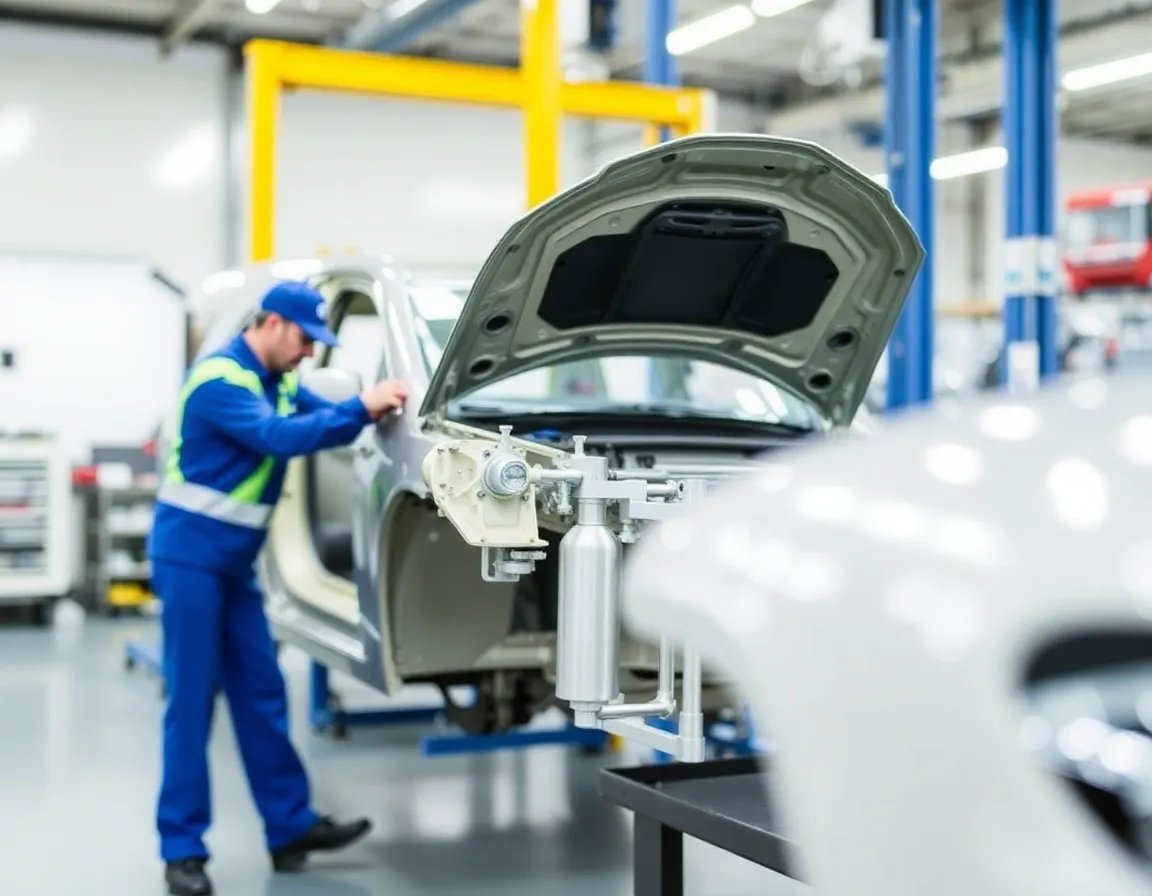
مقدمة: ضرورة السرعة والدقة في التصنيع الحديث للسيارات
صناعة السيارات هي محرك لا يكل للطلب، حيث تتطلب إنتاج ملايين المكونات بمواصفات دقيقة، بدون عيوب، وبوتيرة تواكب خطوط التجميع العالمية. في قلب هذا النظام البيئي للتصنيع تكمن قولبة أجزاء السيارات بكميات كبيرة. هذا المجال المتخصص من قولبة الحقن لا يقتصر على صنع الأجزاء البلاستيكية؛ بل هو نظام متطور يوازن بين الأهداف المتناقضة ظاهريًا لدورات زمنية سريعة ودقة مجهرية. من لوحة القيادة التي تستقبل السائق إلى مكونات حجرة المحرك المعقدة تحت الغطاء، فإن القولبة عالية الحجم هي الحصان العامل الصامت الذي يجعل إنتاج المركبات الحديثة ممكنًا ومربحًا. تتعمق هذه المقالة في التقنيات الأساسية والفوائد والتطبيقات وأفضل الممارسات التي تحدد هذه العملية التصنيعية الحرجة.
ما هي قولبة أجزاء السيارات بكميات كبيرة؟
يشير قولبة أجزاء السيارات عالية الحجم إلى الإنتاج الضخم للمكونات البلاستيكية والمركبة باستخدام آلات القولبة بالحقن التي تعمل بمعدلات دورات عالية. على عكس القولبة النموذجية أو منخفضة الحجم، التي تعطي الأولوية للمرونة والتكرار، فإن القولبة عالية الحجم مصممة للإنتاجية. تتضمن العملية عادةً قوالب متعددة التجاويف، وأنظمة قنوات ساخنة، ومعدات مساعدة آلية لإنتاج مئات الآلاف أو حتى ملايين القطع المتطابقة سنويًا. الفارق الرئيسي هو التركيز المستمر على التكرارية: يجب أن تكون كل قطعة نسخة طبق الأصل من التصميم، بغض النظر عما إذا كانت أول قطعة في اليوم أو العشرة آلاف.
العملية الأساسية: القولبة بالحقن على نطاق واسع
تبقى العملية الأساسية كما هي في القولبة بالحقن القياسية، ولكنها معززة للسرعة. يتم تغذية حبيبات البوليمر البلاستيكية الحرارية أو المتصلدة بالحرارة في برميل ساخن، وتذوب، ثم تُحقن تحت ضغط عالٍ في قالب من الفولاذ أو الألومنيوم. يُغلق القالب بقوة هائلة—غالبًا مئات أو آلاف الأطنان—لتحمل ضغط الحقن. بمجرد أن يبرد البلاستيك ويتصلب، يفتح القالب، وتُخرج القطعة. في بيئة عالية الحجم، يمكن أن تتم هذه الدورة بأكملها في أقل من 30 ثانية للأجزاء الأصغر، مع تشغيل الآلة على مدار الساعة طوال أيام الأسبوع.
التقنيات الرئيسية التي تمكن الإنتاج عالي الحجم
هناك العديد من التقنيات المتقدمة الحاسمة لتحقيق السرعة والدقة المطلوبة:
- قوالب متعددة التجاويف: بدلاً من إنتاج قطعة واحدة لكل دورة، يمكن أن تحتوي القوالب على 2 أو 4 أو 8 أو 16 أو حتى 32 تجويفًا. هذا يضاعف الإنتاج دون زيادة وقت الدورة.
- أنظمة القنوات الساخنة: تحافظ هذه الأنظمة على البلاستيك منصهرًا داخل قنوات القالب، مما يلغي الحاجة إلى إخراج وإعادة صهر القناة (المادة المهدرة) مع كل حقنة. هذا يوفر المواد، ويقلل وقت الدورة، ويحسن جودة القطعة.
- آلات الحقن عالية السرعة التي تعمل بالسيرفو: توفر آلات الحقن الكهربائية والهجينة حركة قالب أسرع، وتحديدًا دقيقًا لموضع اللولب، واستهلاكًا أقل للطاقة مقارنة بالأنظمة الهيدروليكية. وهي ضرورية لتحقيق تخفيضات في زمن الدورة أقل من ثانية واحدة.
- الأتمتة والروبوتات: تقوم الروبوتات بإزالة الأجزاء النهائية، والتعامل مع الإدخالات، وتنفيذ العمليات الثانوية (مثل التشذيب أو التكديس) دون تدخل بشري، مما يحافظ على تشغيل آلة القولبة بأقصى كفاءة.
كيف يتم تحقيق السرعة والدقة في وقت واحد
التحدي الأكبر في القولبة عالية الحجم هو الحفاظ على الدقة مع السعي لتحقيق دورات أسرع. تسبب السرعة إجهادات حرارية وميكانيكية يمكن أن تؤدي إلى الالتواء، أو علامات الانكماش، أو تباين الأبعاد. يتطلب إتقان هذا التوازن نهجًا هندسيًا شاملاً.
تصميم القالب وتحسين التبريد
القالب هو العامل الأكثر أهمية على الإطلاق. قنوات التبريد المطابقة—التي تتبع المحيط الدقيق للجزء—يتم تصميمها باستخدام برامج محاكاة متقدمة. تعمل هذه القنوات على إزالة الحرارة بشكل أسرع وأكثر انتظامًا من خطوط التبريد التقليدية المحفورة بخط مستقيم. من خلال تقليل مرحلة التبريد (التي غالبًا ما تمثل 60-70٪ من زمن الدورة)، يمكن للمصنعين زيادة السرعة بشكل كبير دون المساس بسلامة الجزء. يمكن للقالب المصمم جيدًا أن يقلل زمن الدورة بنسبة 20-30٪ مع تحسين الاستقرار البعدي.
علم المواد والتحكم في العملية
ليست كل المواد البلاستيكية متساوية في القولبة عالية السرعة. المواد ذات خصائص التدفق العالية، مثل البولي بروبيلين (PP)، وABS، والبولي أميد (النايلون), ، مفضلة لأنها تملأ القالب بسرعة وبشكل متساوٍ. يمكن للإضافات، مثل الألياف الزجاجية أو الحشوات المعدنية، تحسين القوة ولكنها قد تتطلب درجات حرارة أعلى للبرميل أو سرعات حقن أبطأ لمنع التدهور. يتم الحفاظ على الدقة من خلال أنظمة التحكم في العملية ذات الحلقة المغلقة التي تراقب وتضبط ضغط الحقن ودرجة الحرارة وموضع اللولب في الوقت الفعلي، مع تعويض أي تغيرات في لزوجة المادة أو الظروف المحيطة.
المراقبة داخل القالب وضمان الجودة
للاكتشاف العيوب قبل أن تصبح نفايات، تستخدم خطوط الإنتاج عالية الحجم أجهزة استشعار ضغط التجويف ومجسات الحرارة المدمجة مباشرة في القالب. توفر هذه المستشعرات "بصمة" للحقنة الجيدة. إذا انحرف منحنى الضغط عن خط الأساس، يمكن للنظام رفض الجزء تلقائيًا أو ضبط معلمات الماكينة للدورة التالية. هذا المستوى من التغذية الراجعة في الوقت الفعلي ضروري للحفاظ على مستويات جودة ستة سيجما التي تطلبها شركات تصنيع السيارات الأصلية.
فوائد قولبة قطع السيارات بكميات كبيرة
يندفع التحول إلى القولبة بكميات كبيرة بفضل مزايا واضحة وقابلة للقياس تؤثر على سلسلة التوريد بأكملها.
كفاءة تكلفة لا مثيل لها على نطاق واسع
الفائدة الأساسية هي وفورات الحجم. في حين أن الاستثمار الأولي في قالب متعدد التجاويف وماكينة عالية السرعة قد يكون كبيرًا (غالبًا مئات الآلاف من الدولارات)، فإن تكلفة القطعة الواحدة تنخفض بشكل حاد مع زيادة حجم الإنتاج. تعني أوقات الدورة الأسرع إنتاج المزيد من القطع في الساعة، مما يقلل تكاليف العمالة والطاقة والتكاليف العامة لكل وحدة. بالنسبة لمكوّن مثل مشبك أو حامل أو موصل، يمكن خفض التكلفة إلى سنتات قليلة.
جودة متسقة وتقليل الهدر
تنتج العمليات الآلية الخاضعة لرقابة صارمة قطعًا متسقة بشكل ملحوظ. يتم تقليل الخطأ البشري إلى الحد الأدنى، ويتم تصحيح انحراف العملية على الفور. يؤدي هذا إلى معدلات هدر أقل من 1% في المنشآت الجيدة الإدارة. بالنسبة لمصنّعي السيارات، هذه الموثوقية غير قابلة للتفاوض، لأن قطعة معيبة واحدة يمكن أن تسبب استدعاءً أو توقف خط التجميع بتكلفة تصل إلى الملايين.
حرية التصميم ودمج الأجزاء
تتيح القولبة بالحقن أشكالًا هندسية معقدة يكون من المستحيل أو الباهظ التكلفة تحقيقها بالختم المعدني أو التشغيل الآلي. يمكن للمصممين دمج وظائف متعددة—مثل المشابك والنتوءات والأضلاع والوصلات الطقطقية—في قطعة مصبوبة واحدة. هذا دمج الأجزاء يقلل من وقت التجميع والمخزون والوزن الإجمالي للمركبة، مما يساهم في كفاءة الوقود وتقليل الانبعاثات.
التطبيقات عبر المركبة
تلامس القولبة عالية الحجم تقريبًا كل نظام في السيارة الحديثة. يمكن تصنيف التطبيقات إلى ثلاثة مجالات رئيسية:
التشطيبات الداخلية والخارجية
هذا هو التطبيق الأكثر وضوحًا. تنتج القوالب عالية الحجم لوحات العدادات، ولوحات الأبواب، ووحدات التحكم المركزية، وتشطيبات الأعمدة، وصناديق القفازات، وحاملات الأكواب. تتطلب هذه الأجزاء تشطيب سطح من الفئة A دون خطوط تدفق مرئية أو انخسافات أو علامات بوابات. غالبًا ما تُستخدم القوالب المنقوشة وعمليات الزخرفة داخل القالب (IMD) لإنشاء تشطيبات خشبية أو من ألياف الكربون أو معدنية دون طلاء.
المكونات تحت غطاء المحرك ومجموعة نقل الحركة
يجب أن تتحمل هذه الأجزاء الحرارة الشديدة والتعرض الكيميائي والإجهاد الميكانيكي. تنتج القولبة عالية الحجم مشعبات سحب الهواء، وأغطية المحرك، وأحواض الزيت، وخزانات سائل التبريد، وأدلة سلسلة التوقيت. تستخدم هذه المكونات عادةً نايلون معزز بالألياف الزجاجية (PA6 أو PA66) أو PPS (كبريتيد البولي فينيلين) لمقاومتهما العالية للحرارة والمواد الكيميائية. الدقة حاسمة هنا، حيث يجب أن تُحكم أسطح التلاقي تمامًا ضد الحشوات.
الأنظمة الكهربائية والإضاءة
مع صعود المركبات الكهربائية (EVs)، انفجر الطلب على المكونات الكهربائية المقولبة. تنتج القولبة عالية الحجم الموصلات، وهياكل أنظمة إدارة البطارية، وهياكل المستشعرات، وعدسات المصابيح الأمامية LED. تتطلب هذه الأجزاء تفاوتات شديدة الضيق (غالبًا ±0.01 مم) لضمان التلامس الكهربائي المناسب ونقل الضوء. يُستخدم أيضًا قولبة مطاط السيليكون السائل (LSR) للموصلات عالية الجهد التي تتطلب خصائص إحكام ممتازة.
أفضل الممارسات لنجاح القولبة عالية الحجم
يتطلب تنفيذ برنامج قولبة عالي الحجم ناجح الانضباط من التصميم حتى الإنتاج. الالتزام بهذه أفضل الممارسات يمكن أن يمنع الأخطاء المكلفة.
التصميم للتصنيع (DFM)
أشرك القالب مبكرًا في مرحلة التصميم. تشمل اعتبارات DFM الرئيسية: سماكة جدار موحدة لمنع علامات الانخفاض والالتواء؛ زوايا سحب سخية (عادة 1-3 درجات) لسهولة الإخراج؛ والوضع الصحيح لبوابات الحقن ومسامير القذف. تجنب الزوايا الحادة، التي تخلق تركيزات إجهاد وتعيق تدفق المادة. التصميم المُحسَّن للقولبة سيعمل دائمًا بشكل أسرع وينتج جودة أعلى.
صيانة القوالب القوية والتحقق منها
قالب عالي الحجم هو أداة دقيقة تتعرض لملايين الدورات. نفّذ جدول صيانة استباقي يتضمن التنظيف المنتظم لقنوات التبريد، وفحص أطراف القناة الساخنة، واستبدال المكونات المعرضة للتآكل مثل الحشوات وجلب التوجيه. قبل بدء الإنتاج، نفّذ عملية تحقق صارمة من القالب باستخدام التحكم الإحصائي في العمليات (SPC) لتحديد المعلمات الأساسية ومؤشرات القدرة (Cpk > 1.67 هو هدف شائع).
مناولة المواد وتجفيفها
الرطوبة عدو القولبة الدقيقة. العديد من البلاستيكات الهندسية (مثل النايلون والبولي كربونات) تمتص الرطوبة ويجب تجفيفها إلى أقل من 0.02% من محتوى الرطوبة قبل المعالجة. استخدم مجففات بمجفف ماص مع مراقبة نقطة الندى لضمان جودة مادة متسقة. المواد الملوثة أو المجففة بشكل غير صحيح يمكن أن تسبب تشققًا وفقاعات وهشاشة، مما يفسد ميزة السرعة في العملية.
استفد من المحاكاة والتوائم الرقمية
قبل قطع الفولاذ، استخدم برنامج محاكاة تدفق القالب للتنبؤ بأنماط الملء ومعدلات التبريد والعيوب المحتملة. أ digital twin of the mold and process can be used to optimize parameters virtually, reducing the trial-and-error time on the production floor. This is especially valuable for complex parts with thin walls or long flow paths.
Conclusion: The Future of Automotive Molding
High volume car part molding is far more than a manufacturing method; it is a strategic capability that defines the competitiveness of automotive suppliers. The ability to produce millions of parts with sub-second cycle times and micron-level precision is the foundation upon which modern vehicle production is built. As the industry transitions toward electric vehicles, lightweight materials, and increasingly complex electronic architectures, the demands on molding technology will only intensify. Innovations in bi-injection molding, in-mold electronics, and real-time adaptive process control will continue to push the boundaries of what is possible. For manufacturers who master the delicate balance of speed and precision, the road ahead is paved with opportunity.