
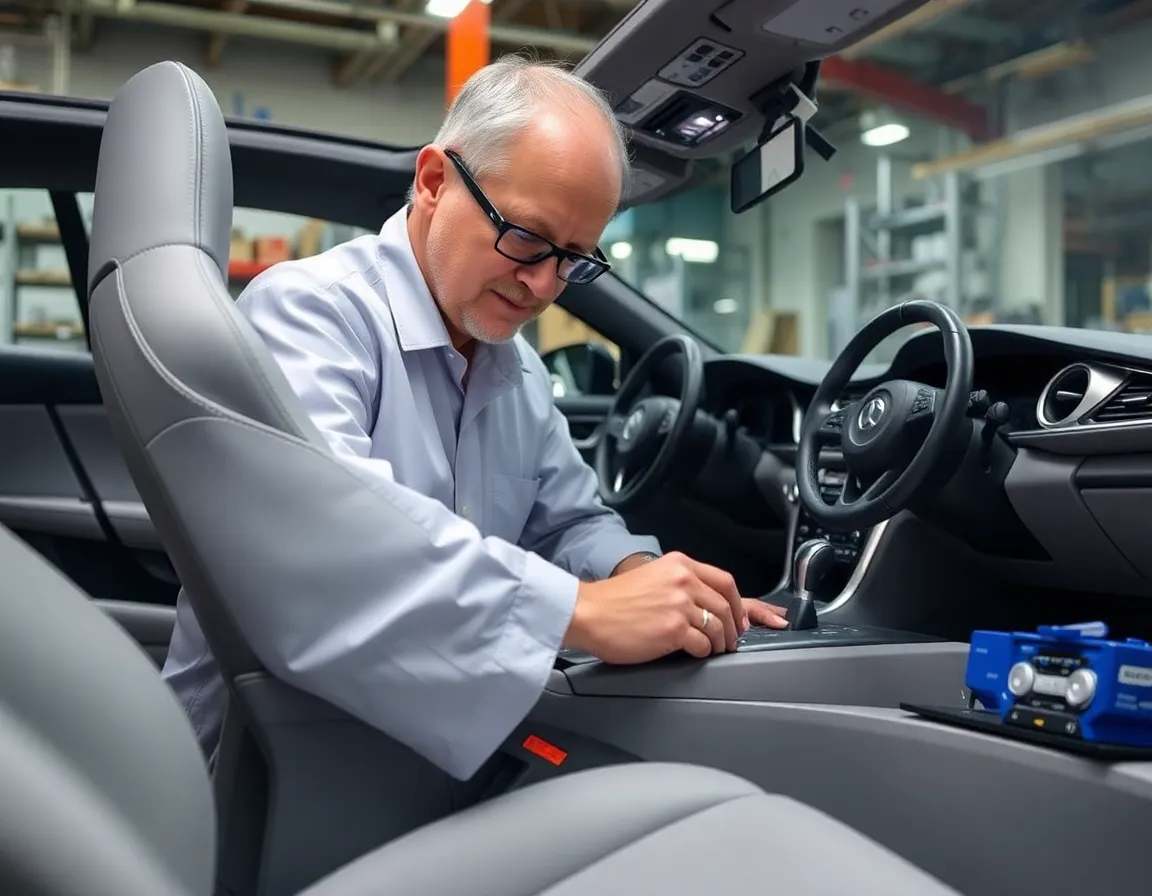
مقدمة: الدور الحاسم لمورد حقن البلاستيك للسيارات
صناعة السيارات الحديثة هي أعجوبة من الهندسة الدقيقة، حيث يجب أن تعمل آلاف المكونات في تناغم تام. من بين المساهمين الأكثر حيوية والتي غالبًا ما يتم تجاهلها في هذا النظام البيئي هو مورد حقن البلاستيك للسيارات. ينتج هؤلاء المصنعون المتخصصون كل شيء بدءًا من لوحات العدادات ومقابض الأبواب إلى مكونات المحرك المعقدة والأغلفة الكهربائية. مع أصبحت المركبات أخف وزناً وأكثر كفاءة في استهلاك الوقود وكهربائية بشكل متزايد، ارتفع الطلب على الأجزاء البلاستيكية عالية الجودة والمتينة بشكل كبير. ومع ذلك، ليس كل الموردين متساوين. يمكن أن يؤدي اختيار الشريك الخاطئ إلى تأخير الإنتاج وفشل الجودة وعمليات سحب مكلفة. تستكشف هذه المقالة أفضل خمس صفات تحدد مورد حقن بلاستيك موثوق للسيارات، مما يوفر لك إطارًا شاملاً للتقييم والشراكة.
الجودة 1: دقة لا تقبل المساومة ومراقبة الجودة
في قطاع السيارات، لا يوجد أي تسامح مع الخطأ. يمكن للجزء المعيب الواحد أن يعرض سلامة المركبة للخطر، ويؤدي إلى مطالبات الضمان، ويضر بسمعة العلامة التجارية. الجودة الأولى والأكثر أهمية لمورد قولبة الحقن الموثوق به في صناعة السيارات هي التزامه بـ الدقة التي لا تقبل المساومة وأنظمة مراقبة الجودة القوية.
الأدوات المتقدمة وتصميم القوالب
أساس الدقة يكمن في القالب. يستثمر المورد ذو السمعة الطيبة بشكل كبير في قوالب فولاذية عالية الجودة وقدرات التصنيع باستخدام الحاسب الآلي المتقدمة. يوظفون صانعي قوالب ذوي خبرة يفهمون الفروق الدقيقة في تدفق البلاستيك ومعدلات التبريد والانكماش. بدون قالب مثالي، حتى أفضل آلة قولبة بالحقن لا يمكنها إنتاج أجزاء متسقة ودقيقة الأبعاد. ابحث عن الموردين الذين يستخدمون برامج التصميم بمساعدة الكمبيوتر (CAD) والتصنيع بمساعدة الكمبيوتر (CAM) لمحاكاة وتحسين عملية القولبة قبل قطع الفولاذ.
أنظمة إدارة الجودة الصارمة
سيتم اعتماد المورد الموثوق به وفقًا لمعيار IATF 16949, ، وهو المعيار الدولي المحدد لإدارة الجودة في صناعة السيارات. تتجاوز هذه الشهادة بكثير متطلبات ISO 9001 العامة. تفرض هذه الشهادة مراقبة صارمة للعملية، والتحسين المستمر، ومنع العيوب، وتقليل التباين في سلسلة التوريد. علاوة على ذلك، يجب عليهم استخدام تقنيات الفحص أثناء العملية مثل:
- مراقبة العملية في الوقت الفعلي باستخدام أجهزة استشعار لتتبع درجة الحرارة والضغط وأوقات الدورة.
- التحكم الإحصائي في العمليات (SPC) لاكتشاف الاتجاهات قبل أن تؤدي إلى عيوب.
- آلات القياس الإحداثية (CMMs) للتحقق البعدي الدقيق.
- الاختبار غير الإتلافي طرق مثل الفحص بالأشعة السينية أو الموجات فوق الصوتية لسلامة الأجزاء الداخلية.
إمكانية التتبع والتوثيق
في حالة حدوث عطل ميداني، يمكن للمورد الموثوق تتبع كل دفعة من الأجزاء حتى دفعة المواد الخام المحددة، ومشغل الآلة، ومعلمات العملية المستخدمة. هذا المستوى من التتبع الكامل غير قابل للتفاوض بالنسبة لمصنعي المعدات الأصلية في صناعة السيارات. يحتفظون بتوثيق دقيق، بما في ذلك شهادات المواد، وتقارير الفحص، وسجلات انحرافات العملية، مما يضمن المساءلة الكاملة طوال دورة حياة الإنتاج.
الجودة 2: خبرة عميقة في علوم المواد والابتكار
لم تعد البلاستيكات المستخدمة في السيارات سلعًا بسيطة. إنها مواد هندسية ذات خصائص محددة للقوة، ومقاومة الحرارة، والاستقرار ضد الأشعة فوق البنفسجية، والمقاومة الكيميائية. يجب أن يمتلك مورد حقن البلاستيك الرائد في صناعة السيارات خبرة عميقة في علوم المواد للتوصية بالبوليمرات المناسبة ومعالجتها لكل تطبيق.
مجموعة واسعة من قدرات المواد
يعمل المورد الموثوق به مع مجموعة واسعة من المواد، من البولي بروبلين القياسي (PP) وأكريلونيتريل بوتادين ستايرين (ABS) إلى اللدائن الهندسية عالية الأداء مثل البولي أميد (PA) والبولي كربونات (PC) وإيثر الكيتون المتعدد الإيثر (PEEK). كما لديهم خبرة في المركبات المتخصصة مثل درجات الحشو الزجاجي والحشو الكربوني والمثبطات للهب. والأهم من ذلك، أنهم يفهمون كيفية معالجة هذه المواد لتحقيق الخصائص الميكانيكية المطلوبة دون تدهور بسبب الحرارة أو قوى القص.
دعم تخفيف الوزن والاستدامة
بينما تسعى شركات صناعة السيارات إلى تلبية لوائح الاقتصاد في استهلاك الوقود والانبعاثات الصارمة، فإن تخفيف الوزن هو استراتيجية أساسية. يمكن للمورد الموثوق به تقديم حلول مثل الرغوة الخلوية الدقيقة (MuCell) لتقليل وزن الأجزاء، أو استخدام اللدائن الحرارية ذات الألياف الطويلة التي تحل محل المكونات المعدنية. بالإضافة إلى ذلك، هم في طليعة التصنيع المستدام, حيث يقدمون خبرة في المحتوى المعاد تدويره (PCR) والبوليمرات الحيوية وأنظمة إعادة التدوير ذات الحلقة المغلقة لخردة الإنتاج. هذا الابتكار ليس مجرد قيمة مضافة؛ بل أصبح متطلبًا متزايدًا للتعامل مع العلامات التجارية الكبرى للسيارات.
التحقق من المواد والاختبار
إلى جانب مجرد معالجة المواد، يقوم المورد عالي الجودة بإجراء أو تسهيل اختبارات صارمة. يشمل ذلك قوة الشد ومقاومة الصدمات ودرجة حرارة الانحراف الحراري (HDT) واختبارات التعرض للعوامل الجوية المتسارعة. يحافظون على مختبرات داخلية أو يتعاونون مع مرافق اختبار معتمدة للتحقق من أن كل دفعة من المواد تلبي مواصفات الأداء المحددة من قبل الشركة المصنعة للمعدات الأصلية (OEM).
الجودة 3: سلسلة توريد قوية وقابلية التوسع في الإنتاج
تعمل صناعة السيارات على مبادئ التصنيع في الوقت المناسب (JIT)، حيث تكون التأخيرات كارثية. يجب على مورد حقن البلاستيك الموثوق به لصناعة السيارات أن يُظهر robust supply chain management and the ability to scale production seamlessly.
Reliable Capacity and Redundancy
Trusted suppliers maintain a fleet of modern, well-maintained injection molding machines ranging from small tonnage (for intricate connectors) to very large tonnage (for bumpers and body panels). They have redundant capacity and contingency plans for equipment breakdowns. They also strategically source raw materials from multiple suppliers to avoid disruptions caused by geopolitical issues, natural disasters, or supplier bankruptcies. A supplier that can guarantee 99.9% on-time delivery is worth its weight in gold.
Global Footprint and Logistics
For large automotive programs, a supplier with a global manufacturing footprint is a significant advantage. They can produce parts near the OEM’s assembly plants, reducing shipping costs and lead times. They also have expertise in international logistics, customs compliance, and packaging solutions that protect parts during transit. Whether you need parts delivered to a plant in Detroit, Shanghai, or Stuttgart, a capable supplier has the infrastructure in place.
Scalability for Ramp-Up and Sustained Production
A trusted supplier can handle the entire product lifecycle. They support prototype and low-volume production for new vehicle launches, then seamlessly ramp up to high-volume mass production (often exceeding millions of parts per year). They also manage end-of-life production and service parts requirements, ensuring that replacement parts remain available long after a model has been discontinued. This flexibility is a hallmark of a mature and reliable partner.
Quality 4: Comprehensive Value-Added Services
Modern automotive injection molding suppliers are more than just manufacturers; they are integrated service providers. The best suppliers offer a suite of value-added services that streamline the development process and reduce total cost of ownership.
التصميم للتصنيع (DFM)
Early supplier involvement is critical. A trusted supplier provides design for manufacturability (DFM) feedback during the product design phase. They analyze part geometry, wall thickness, draft angles, and gate locations to identify potential molding issues before the tool is built. This collaboration prevents costly mold modifications and ensures that the part can be produced efficiently and consistently. Their engineers act as a partner, not just a vendor.
Secondary Operations and Assembly
Many automotive parts require secondary operations such as ultrasonic welding, heat staking, pad printing, laser etching, or overmolding. A full-service supplier has these capabilities in-house, which eliminates the need to manage multiple vendors. They can also perform sub-assembly, delivering complete modules (e.g., a fully assembled door panel with switches and wiring) directly to the automotive assembly line. This reduces the OEM’s inventory and handling costs.
Tooling Maintenance and Lifecycle Management
Injection molds are expensive capital assets that require regular maintenance. A trusted supplier offers comprehensive tooling management, including preventive maintenance schedules, mold repair, and refurbishment. They can extend the life of a mold through engineering changes and surface treatments. This proactive approach prevents unplanned downtime and ensures consistent part quality over millions of cycles.
Quality 5: Proven Industry Track Record and Financial Stability
Finally, trust is built on a foundation of experience and reliability. The fifth quality of a trusted automotive injection molding supplier is a proven track record and demonstrable financial stability.
Established Relationships with Major OEMs
A supplier’s client list speaks volumes. If they have long-standing contracts with major automotive manufacturers (Tier 1 suppliers or OEMs like Toyota, Volkswagen, Ford, or Tesla), it indicates they have passed rigorous audits and consistently met demanding requirements. Ask for references and case studies. A supplier that has successfully launched dozens of new vehicle programs understands the complexities of the industry’s Advanced Product Quality Planning (APQP) and Production Part Approval Process (PPAP).
Financial Health and Investment Capacity
Automotive programs are capital-intensive, often requiring significant upfront investment in tooling and equipment. A financially stable supplier has the resources to invest in new technology, expand capacity, and weather economic downturns. Review their financial statements or credit ratings. A supplier that is debt-free or has strong cash reserves is less likely to go bankrupt mid-program, which would leave you with unfinished tooling and no parts.
Commitment to Continuous Improvement
The best suppliers are never satisfied with the status quo. They embrace methodologies like Lean Manufacturing, Six Sigma, and Kaizen to drive continuous improvement in quality, cost, and delivery. They regularly benchmark their performance against industry standards and invest in employee training. This culture of excellence ensures that their capabilities evolve with the automotive industry’s changing demands, particularly in areas like electric vehicle (EV) components and autonomous driving sensor housings.
Conclusion: Choosing a Partner for the Long Haul
Selecting a trusted automotive injection molding supplier is one of the most consequential decisions an automotive manufacturer can make. It is not merely a transactional relationship but a strategic partnership that impacts product quality, time-to-market, and overall competitiveness. By prioritizing uncompromising precision, material science expertise, robust supply chain capabilities, comprehensive value-added services, and a proven industry track record, you can identify a supplier that will not only meet your immediate needs but also grow with you into the future.
Remember, the cheapest quote is rarely the best value in the long run. Invest the time to audit potential suppliers, visit their facilities, and speak with their existing customers. The right partner will be transparent, communicative, and committed to your success. In the demanding world of automotive manufacturing, a trusted injection molding supplier is not just a vendor—they are an essential pillar of your operational excellence.