
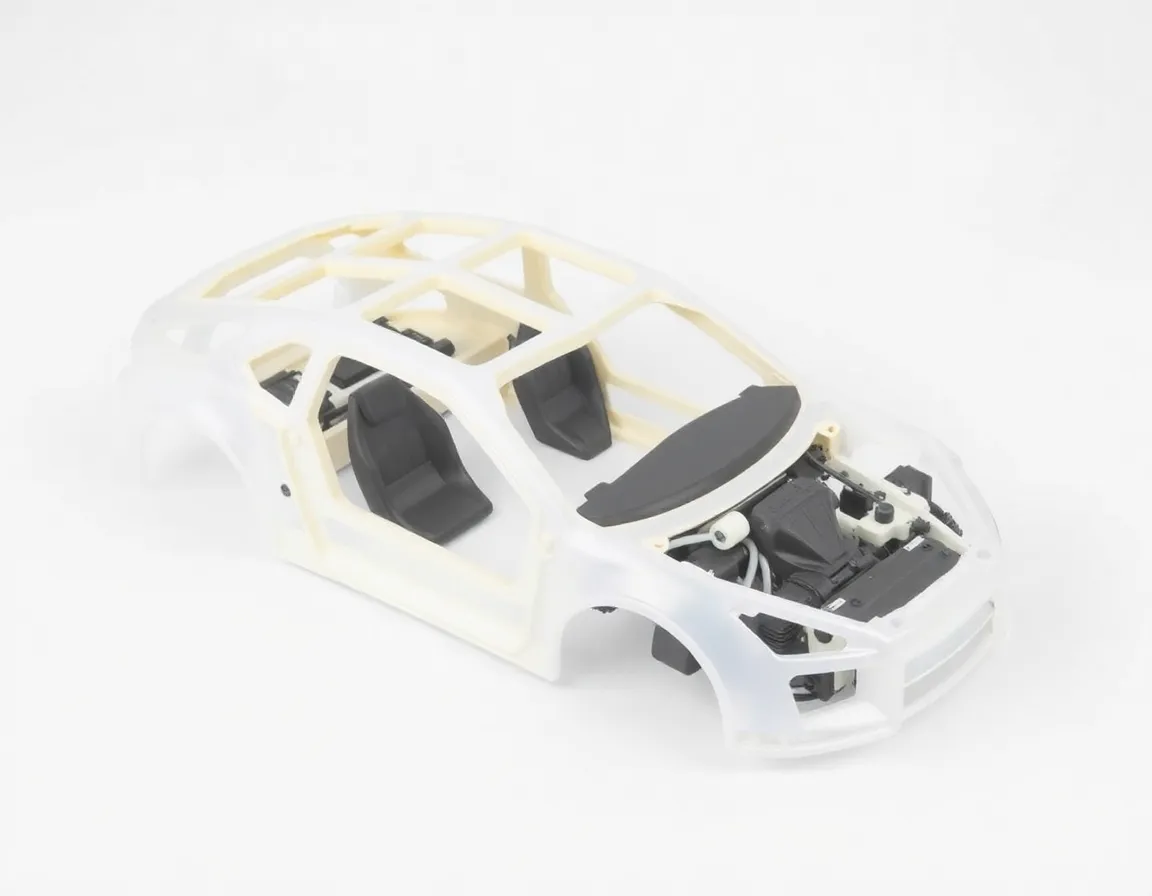
تطور المقصورات الداخلية للسيارات: عصر جديد من التصنيع
تشهد صناعة السيارات تحولًا عميقًا، ولا يوجد مكان أكثر وضوحًا من داخل مقصورة المركبة. تصنيع مكونات المقصورة الداخلية للسيارات قد تحول التركيز من مجرد الوظيفة البسيطة وخفض التكاليف إلى تخصص معقد يوازن بين الفخامة والاستدامة والتكنولوجيا والسلامة. ومع تحول المركبات إلى مساحات معيشة متنقلة ومكاتب ثانية، أصبح الطلب على التصميمات الداخلية عالية الجودة والذكية والصديقة للبيئة أعلى من أي وقت مضى. تستكشف هذه المقالة خمسة اتجاهات حاسمة تشكل مستقبل كيفية تصميم وتصنيع وإنتاج التصميمات الداخلية للسيارات.
الاتجاه الأول: المواد المستدامة وتكامل الاقتصاد الدائري
تؤدي المخاوف البيئية واللوائح الصارمة إلى تحول جذري في مصادر المواد لمكونات التصميم الداخلي. يتحول المصنعون بعيدًا عن البلاستيك البكر والجلود الحيوانية نحو المواد الحيوية والمعاد تدويرها والقابلة لإعادة التدوير. لا يقتصر هذا الاتجاه على التسويق فحسب؛ بل هو تغيير جوهري في سلسلة التوريد وعمليات الإنتاج.
ما هو وكيف يعمل
يتضمن تصنيع المواد المستدامة استخدام بدائل مثل الجلود النباتية المصنوعة من الصبار أو قشور التفاح أو الفطر, ، بالإضافة إلى البوليستر المعاد تدويره من البلاستيك المحيطي وزجاجات PET. بالنسبة للمكونات الهيكلية، تحل الألياف الطبيعية مثل القنب والكتان والكيناف محل الألياف الزجاجية في ألواح الأبواب ولوحات العدادات. تتطلب العملية تعاونًا وثيقًا مع موردي المواد الكيميائية لضمان تلبية هذه المواد لمعايير السيارات الصارمة لمقاومة الأشعة فوق البنفسجية والمتانة ومثبطات اللهب.
الفوائد والتطبيقات
- انخفاض البصمة الكربونية: يمكن أن يؤدي استخدام المواد المعاد تدويرها إلى خفض انبعاثات ثاني أكسيد الكربون بنسبة تصل إلى 60% مقارنة بالبلاستيك البكر.
- قابلية إعادة التدوير في نهاية العمر: تعمل التصميمات أحادية المادة (مثل أغطية المقاعد والرغاوي المصنوعة بالكامل من البوليستر) على تبسيط التفكيك وإعادة التدوير.
- تمييز العلامة التجارية: يستفيد المصنعون الفاخرون مثل BMW (باستخدام شباك الصيد المعاد تدويرها) ومرسيدس-بنز (باستخدام الجلود المصنوعة من الفطر) من الاستدامة كنقطة بيع رئيسية.
تتراوح التطبيقات من تنجيد المقاعد والسجاد إلى زخارف الكونسول الوسطي وبطانات السقف. يظل التحدي في توسيع نطاق الإنتاج مع الحفاظ على تكافؤ التكلفة مع المواد التقليدية.
Trend 2: Smart Surfaces and Human-Machine Interface (HMI) Integration
The traditional dashboard with separate gauges, buttons, and knobs is rapidly disappearing. Smart surfaces are turning interior components into interactive, digital canvases. This trend merges decorative trim with functional electronics, creating a seamless user experience.
ما هو وكيف يعمل
Smart surfaces are manufactured by embedding capacitive touch sensors, haptic feedback modules, and LED lighting directly behind or within decorative materials like wood, metal, or leather. Advanced manufacturing techniques such as in-mold electronics (IME) and 3D printed electronics allow circuits to be printed onto thermoformable films, which are then molded into the final component. This eliminates the need for separate switch assemblies and wiring harnesses.
الفوائد والتطبيقات
- Minimalist Design: Clean, uninterrupted surfaces that appear inert until touched, activating backlit icons or controls.
- Improved Ergonomics: Haptic feedback provides tactile confirmation without looking away from the road.
- Weight Reduction: Eliminating mechanical switches and wiring can reduce component weight by up to 30%.
Key applications include center stacks, steering wheel controls, door panels with window switches, and ambient lighting strips that double as notification systems. Best practices involve rigorous testing for durability, as these surfaces must withstand extreme temperatures, UV exposure, and thousands of touch cycles.
Trend 3: Modular Architecture and Simplified Assembly
As vehicle platforms become electrified and shared across multiple models, interior component manufacturing is adopting modular design principles. This approach standardizes core structures while allowing for high levels of customization in visible surfaces.
ما هو وكيف يعمل
Modularity in interior manufacturing involves creating a common "cockpit module" or "door module" that houses all electronics, airbag systems, and structural supports. Trim pieces, seat covers, and decorative elements are then attached as snap-on or clip-in components on the final assembly line. Advanced injection molding with multi-shot capabilities allows for the production of a single part with hard structural plastic, soft-touch surfaces, and integrated seals in one cycle.
الفوائد والتطبيقات
- Faster Production: Pre-assembled modules can be installed in minutes rather than hours.
- Lower Inventory Costs: Common base modules reduce the number of unique part numbers.
- Easier Customization: Automakers can offer dozens of color and material combinations without retooling the entire production line.
Best practices include designing for robust snap-fit connections to avoid screws and adhesives, and using digital twin simulations to verify assembly sequences before physical tooling is created. This trend is particularly critical for electric vehicle startups that need to rapidly scale production.
Trend 4: Advanced Lighting and Ambient Experience Engineering
Lighting has evolved from a simple functional necessity to a core element of interior design and brand identity. Ambient lighting systems are now complex, multi-zone installations that interact with vehicle functions, driver state, and infotainment systems.
ما هو وكيف يعمل
Manufacturing advanced lighting involves integrating RGB LEDs, light guides, and diffusers into trim panels, door cards, and dashboards. The latest trend is "surface lighting," where light is distributed evenly across large areas using micro-optical structures etched into plastic films. These components are produced using precision injection molding with light-guiding polymers and are often combined with opaque overmolding to create sharp, defined light lines.
الفوائد والتطبيقات
- Personalization: Users can select from millions of colors and dynamic effects (e.g., pulsing to match music).
- Safety Communication: Lighting can warn of blind-spot objects, guide navigation turns, or indicate charging status.
- Wellness: Circadian rhythm lighting adjusts color temperature to reduce driver fatigue on long journeys.
Applications are expanding beyond traditional footwell and door pocket lighting to include illuminated speaker grilles, glowing seatbelt buckles, and holographic head-up displays projected onto the windshield. Manufacturing best practices demand strict quality control for color consistency and brightness uniformity across all parts.
Trend 5: Lightweighting and Structural Integration
Reducing vehicle weight is critical for extending electric vehicle range and improving fuel efficiency. Consequently, interior components are being redesigned to serve dual purposes: aesthetic trim and structural support. This structural integration trend is revolutionizing how parts are engineered.
ما هو وكيف يعمل
Manufacturers are using carbon fiber composites, magnesium alloys, and high-strength polypropylene foams to replace heavier steel and traditional plastics. Injection molding processes like foaming (MuCell) create parts with a solid skin and a cellular core, reducing weight by 15-20% while maintaining stiffness. Additionally, components like seat frames and cross-car beams are being integrated with airbag housings and electronic modules, eliminating separate brackets and fasteners.
الفوائد والتطبيقات
- Improved Range: Every kilogram saved in the interior contributes directly to electric vehicle efficiency.
- Enhanced Safety: Advanced composites can absorb more energy in a crash than traditional materials.
- Design Freedom: Lightweight materials allow for thinner, more sculptural forms that were previously impossible.
Key applications include seat structures, instrument panel carriers, door inner panels, and center console frames. Best practices involve using hybrid molding (combining metal inserts with plastic overmolding) and employing computer-aided engineering to optimize material placement for maximum strength with minimal weight.
Conclusion: The Future of Car Interior Manufacturing
The five trends outlined above—sustainable materials, smart surfaces, modular architecture, advanced lighting, and lightweighting—are not isolated developments. They are converging to create a new paradigm for تصنيع مكونات المقصورة الداخلية للسيارات. The factory of the future will be a highly automated, digitally integrated environment where bio-based polymers are injection molded with embedded electronics, and where lighting systems are assembled into clip-on modules that can be swapped in seconds.
For manufacturers, the key to success lies in investing in flexible production systems that can adapt to rapidly changing consumer preferences and regulatory demands. Collaboration between material scientists, electronics engineers, and industrial designers is no longer optional—it is essential. As vehicles continue to evolve into personalized, connected spaces, the quality and innovation of their interiors will be a primary differentiator for automakers worldwide.