
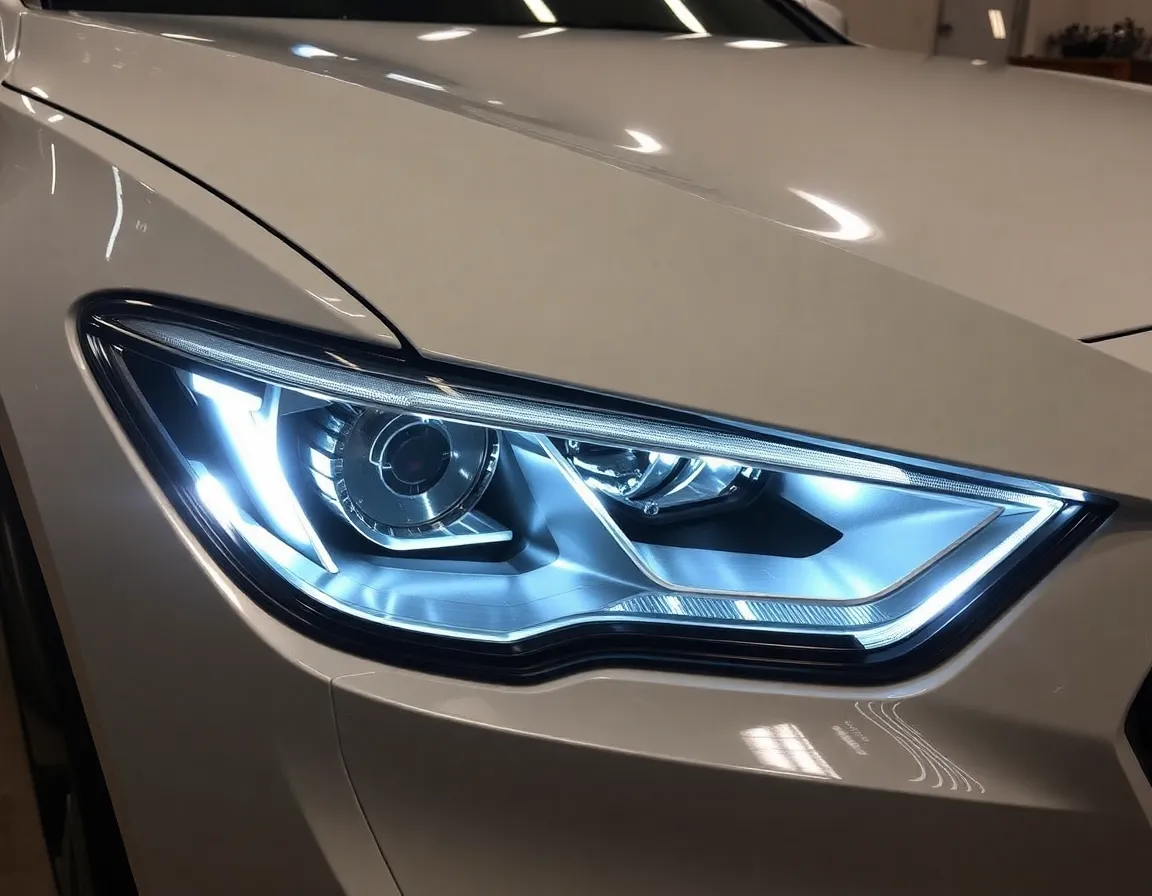
مقدمة: الدور الحاسم لأغلفة الحساسات في أنظمة السيارات الحديثة
في المشهد سريع التطور لهندسة السيارات، أصبحت الحساسات الجهاز العصبي للمركبات الحديثة. من مراقبة أداء المحرك إلى تمكين أنظمة مساعدة السائق المتقدمة (ADAS)، الحساسات موجودة في كل مكان. ومع ذلك، البطل المجهول الذي يضمن عمل هذه الحساسات بشكل موثوق في الظروف القاسية هو غلاف الحساس. . مصنع أغلفة حساسات السيارات يجب أن يتنقل عبر مصفوفة معقدة من علوم المواد، والديناميكا الحرارية، والمقاومة الكيميائية، والسلامة الميكانيكية. بدون غلاف مصمم بشكل صحيح، حتى أكثر أجهزة الاستشعار تطورًا ستفشل، مما يؤدي إلى أعطال في النظام، ومخاطر على السلامة، وعمليات استدعاء مكلفة. تتناول هذه المقالة العوامل الرئيسية التي تحدد متانة السيارات في أغلفة أجهزة الاستشعار، وتقدم دليلاً شاملاً للمهندسين، ومتخصصي المشتريات، ومديري الجودة.
فهم متطلبات بيئة السيارات
تتعرض أجهزة استشعار السيارات لبعض من أقسى الظروف الموجودة في أي تطبيق صناعي. يجب أن يحمي غلاف جهاز الاستشعار مكوناته الداخلية الحساسة من هجوم لا هوادة فيه من الضغوط البيئية. يجب أن مصنع أغلفة حساسات السيارات يأخذ في الاعتبار دورة حياة السيارة بأكملها، من بدايات الشتاء تحت الصفر إلى حرارة الصحراء الحارقة، ومن غسيل السيارات عالي الضغط إلى الاهتزاز المستمر على الطرق الوعرة.
الظروف الحرارية القاسية والتقلبات الحرارية
تعتبر البيئة أسفل غطاء المحرك قاسية بشكل خاص. يمكن أن تتجاوز درجات الحرارة بالقرب من كتلة المحرك 150 درجة مئوية (302 درجة فهرنهايت), ، بينما قد تواجه أجهزة الاستشعار المجاورة للعادم زيادات فوق 300 درجة مئوية (572 درجة فهرنهايت). على العكس من ذلك، يجب أن تتحمل أجهزة الاستشعار في المواقع الخارجية -40 درجة مئوية (-40 درجة فهرنهايت) في الظروف القطبية. يجب ألا تتحمل مادة الغلاف هذه الظروف القصوى فحسب، بل يجب أيضًا أن تنجو من التقلبات الحرارية المتكررة، والتي يمكن أن تسبب تمددًا وانكماشًا تفاضليًا، مما يؤدي إلى تشققات، أو فشل في الختم، أو اختلال في المكونات الداخلية. غالبًا ما يتم اختيار اللدائن الحرارية عالية الأداء مثل PPS (كبريتيد البوليفينيلين) و PEEK (إيثر إيثر كيتون البولي) لقدرتها الاستثنائية على الاستقرار البعدي عبر نطاق واسع من درجات الحرارة.
التعرض للمواد الكيميائية والسوائل
سوائل السيارات عدوانية. زيت المحرك، وسائل ناقل الحركة، وسائل الفرامل، وسوائل التبريد، والبنزين، والديزل، وحمض البطارية (في المركبات الكهربائية) ليست سوى عدد قليل من المواد الكيميائية التي قد يواجهها غلاف جهاز الاستشعار. بالإضافة إلى ذلك، يمكن لملح الطريق، وعوامل إزالة الجليد، ومياه الأمطار الحمضية أن تهاجم الغلاف من الخارج. مادة مصنع أغلفة حساسات السيارات يجب اختيار مواد ذات مقاومة كيميائية مثبتة. على سبيل المثال،, نايلون 6/6 يوفر مقاومة جيدة للزيوت ولكنه قد يتدهور مع التعرض المطول لبعض سوائل التبريد القائمة على الجليكول. الفولاذ المقاوم للصدأ (316L) يُستخدم غالبًا في المناطق عالية التعرض بسبب مقاومته الفائقة للتآكل، على الرغم من أنه يضيف وزنًا وتكلفة.
الإجهاد الميكانيكي والاهتزاز
المركبات في حركة مستمرة، مما يعرض أجهزة الاستشعار لاهتزاز مستمر، وأحمال صدمات، وتأثيرات من حطام الطريق. يجب أن يكون الغلاف قويًا ميكانيكيًا لمنع فشل الكلال، أو التشقق، أو ارتخاء المكونات الداخلية. يجب أن يأخذ التصميم في الاعتبار ترددات الرنين التي يمكن أن تضخم الاهتزازات وتسبب فشلًا مبكرًا. تحليل العناصر المحدودة (FEA) هو أداة قياسية يستخدمها كبار المصنعين لتحسين سمك الجدار، والتضليع، ونقاط التثبيت لتحقيق أقصى قدر من السلامة الهيكلية.
معايير اختيار المواد الرئيسية للمتانة
يعد اختيار المادة هو القرار الأكثر أهمية في تصميم غلاف المستشعر. يحتفظ الخبير المتمرس مصنع أغلفة حساسات السيارات بمحفظة من المواد، كل منها مصمم خصيصًا لتطبيقات محددة. توازن مصفوفة القرار بين الأداء والتكلفة والوزن وقابلية التصنيع.
اللدائن الحرارية: العمود الفقري للصناعة
تهيمن اللدائن الحرارية على سوق أغلفة أجهزة الاستشعار بسبب تكلفتها المنخفضة، ومرونة التصميم، ومقاومتها الكيميائية الممتازة. تشمل المواد الرئيسية:
- PBT (بولي بوتيلين تيريفثالات): ثبات أبعادي ممتاز، وعزل كهربائي جيد، ومقاومة لمعظم سوائل السيارات. يُستخدم عادةً في مستشعرات موضع دواسة الوقود ومستشعرات سرعة ناقل الحركة.
- PA6/6 (نايلون): قوة وصلابة عالية، ومقاومة جيدة للتآكل، ولكنه يمتص الرطوبة مما قد يؤثر على ثبات الأبعاد. يُستخدم غالبًا في مستشعرات حجرة المحرك مع إحكام غلق مناسب.
- PPS (كبريتيد البوليفينيلين): أداء ممتاز في درجات الحرارة العالية (حتى 240 درجة مئوية بشكل مستمر)، ومقاومة كيميائية ممتازة، ومثبط للهب بطبيعته. مثالي لمستشعرات درجة حرارة غاز العادم ومستشعرات الشاحن التوربيني.
- PEEK (بولي إيثر إيثر كيتون): الخيار المتميز للبيئات القاسية. يتحمل درجات حرارة تصل إلى 260 درجة مئوية ويظهر قوة ميكانيكية ومقاومة كيميائية استثنائية. يُستخدم في مستشعرات سيارات السباق الفاخرة والمركبات التجارية الثقيلة.
المعادن: للبيئات القاسية
عندما تتجاوز درجات الحرارة حدود البلاستيك، أو عندما يكون الإحكام عالي الضغط مطلوبًا، تصبح المعادن هي المادة المختارة.
- الفولاذ المقاوم للصدأ (304، 316L): مقاومة ممتازة للتآكل وقوة ميكانيكية. تُستخدم لمستشعرات الضغط ومستشعرات الأكسجين والمستشعرات المعرضة لملح الطرق. يوفر الفولاذ المقاوم للصدأ 316L مقاومة فائقة للتآكل الناتج عن الكلوريد.
- سبائك الألومنيوم (6061، 7075): خفيفة الوزن وموصلية حرارية جيدة. تُستخدم غالبًا لأغلفة المستشعرات في حزم بطاريات السيارات الكهربائية حيث يكون الوزن أمرًا حاسمًا. تتطلب أنودة أو طلاء للحماية من التآكل.
- النحاس الأصفر: قابلية تشغيل جيدة ومقاومة للتآكل في البيئات غير الحمضية. استُخدم تاريخيًا لمستشعرات درجة الحرارة ومرسلات ضغط الزيت ولكنه يُستبدل بالبلاستيك في العديد من التطبيقات.
المواد المركبة المتقدمة والسيراميك
Emerging technologies are driving the adoption of advanced materials. Ceramic sensor housings, such as alumina (Al2O3) or zirconia (ZrO2), offer unparalleled high-temperature performance and chemical inertness, making them ideal for exhaust gas sensors in diesel engines with active regeneration cycles. Glass-filled composites combine the processability of plastics with enhanced stiffness and thermal stability.
Design and Manufacturing Best Practices for Longevity
Material selection alone does not guarantee durability. The design and manufacturing processes employed by the مصنع أغلفة حساسات السيارات are equally vital. A poorly designed housing, even made from premium materials, will fail prematurely.
Sealing and Ingress Protection (IP)
Moisture and particulate ingress are leading causes of sensor failure. The housing must achieve a high IP rating, typically IP67 or IP69K for automotive applications. IP69K is particularly demanding, requiring resistance to high-pressure, high-temperature steam jets used in commercial vehicle cleaning. Key sealing strategies include:
- Overmolding: Encapsulating the sensor and connector in a single plastic molding eliminates potential leak paths. This is the gold standard for engine-mounted sensors.
- O-rings and Gaskets: Used in modular designs where serviceability is required. Must be made from materials like FKM (Viton) or silicone for temperature and chemical resistance.
- Ultrasonic Welding: Creates a hermetic seal between two plastic housing halves without the need for adhesives or gaskets. Ideal for high-volume production.
- Laser Welding: Provides a precise, strong, and clean seal for sensitive sensors, particularly in ADAS camera modules.
Thermal Management
Heat dissipation is critical for sensors that generate heat (e.g., current sensors) or are exposed to high ambient temperatures. The housing design must facilitate heat transfer away from sensitive electronics. This can be achieved through:
- Thermally Conductive Plastics: Filled with ceramic or graphite compounds to conduct heat while maintaining electrical insulation.
- Heat Sinks: Integrated metal fins or pads on the housing to increase surface area for convective cooling.
- Thermal Interface Materials (TIMs): Gap pads or thermal greases placed between the sensor die and the housing to improve heat transfer.
Connector Integration and Strain Relief
The electrical connector is often the weakest link in the sensor assembly. A reputable مصنع أغلفة حساسات السيارات integrates the connector directly into the housing design, ensuring a robust electrical and mechanical interface. Key considerations:
- Locking Mechanisms: Positive locking features (e.g., latch, screw, or bayonet) prevent accidental disconnection due to vibration.
- Strain Relief: The housing must provide adequate strain relief for the wiring harness to prevent wire breakage at the solder joint or crimp.
- Sealed Connectors: Connector pins must be sealed with individual wire seals (e.g., silicone grommets) or a bulkhead seal to prevent moisture wicking along the wires.
Application-Specific Considerations
Different sensor types have unique durability requirements. A one-size-fits-all approach is rarely successful. The مصنع أغلفة حساسات السيارات must tailor the design to the specific sensor function and location.
Powertrain Sensors: Engine and Transmission
These sensors are exposed to the most extreme heat, vibration, and fluid contamination. Housing materials must be oil-resistant و high-temperature rated. Examples include:
- Knock Sensors: Require robust vibration damping and a sealed housing to prevent oil ingress. Often use a PPS housing with a stainless steel diaphragm.
- Crankshaft Position Sensors: Must withstand high magnetic fields and thermal cycling. Typically use a PBT or PA6/6 housing with an integrated O-ring seal.
- Exhaust Gas Temperature (EGT) Sensors: Require ceramic or high-nickel alloy housings to withstand continuous exposure to exhaust gases above 800°C.
ADAS and Autonomous Driving Sensors
Cameras, radar, and lidar sensors are located on the vehicle exterior, exposed to UV radiation, rain, snow, and physical impact from debris. Housing requirements include:
- Optical Clarity: Camera housings must protect the lens while allowing a clear field of view. Heated or anti-fog windows are often integrated.
- Radar Transparency: The housing material must be transparent to radio waves (e.g., ABS, PC, or PBT) and must not interfere with signal propagation.
- Impact Resistance: Housings must withstand stone impacts without cracking. Polycarbonate (PC) is often used for its high impact strength.
Electric Vehicle (EV) Sensors
EVs introduce unique challenges, including high-voltage isolation, thermal management of battery packs, and electromagnetic compatibility (EMC). Sensor housings for EVs must:
- Provide High-Voltage Isolation: Materials must have high dielectric strength to prevent arcing and short circuits.
- Manage Battery Thermal Runaway: Housings for battery temperature sensors must be flame-retardant and capable of surviving a thermal event without melting or emitting toxic fumes.
- Shield Against EMI: Housings may need conductive coatings or metal inserts to shield sensitive electronics from electromagnetic interference generated by high-power inverters and motors.
Quality Assurance and Testing Protocols
Durability is not assumed; it is proven through rigorous testing. A world-class مصنع أغلفة حساسات السيارات implements a comprehensive validation program that simulates the entire vehicle lifecycle. Key tests include:
- Thermal Shock Testing: Cycling between extreme hot and cold temperatures (e.g., -40°C to +150°C) in seconds to simulate rapid temperature changes.
- Vibration and Shock Testing: Subjecting the housing to random and sinusoidal vibration profiles, as well as mechanical shocks (e.g., 50g impact).
- Ingress Protection Testing: IP67 (immersion in 1m water) and IP69K (high-pressure steam cleaning) tests to verify seal integrity.
- Chemical Resistance Testing: Immersion in various automotive fluids at elevated temperatures for extended periods (e.g., 1000 hours in oil at 125°C).
- Salt Spray Testing: Exposure to a corrosive salt fog (ASTM B117) to evaluate corrosion resistance, typically for 500-1000 hours.
Conclusion: Partnering for Performance and Reliability
Choosing the right sensor housing is a strategic decision that directly impacts vehicle reliability, safety, and warranty costs. The مصنع أغلفة حساسات السيارات must be a true engineering partner, not just a supplier. From material science expertise and advanced design capabilities to rigorous testing and high-volume manufacturing precision, the manufacturer's capabilities determine the success of the final product. As vehicles become increasingly electrified, autonomous, and connected, the demands on sensor housings will only intensify. By prioritizing thermal management, chemical resistance, mechanical robustness, and advanced sealing technologies, manufacturers can deliver housings that not only protect sensors but also enable the next generation of automotive innovation. The key to durability lies in understanding the environment, selecting the right materials, and executing flawless design and manufacturing processes—a trifecta that separates exceptional manufacturers from the rest.