
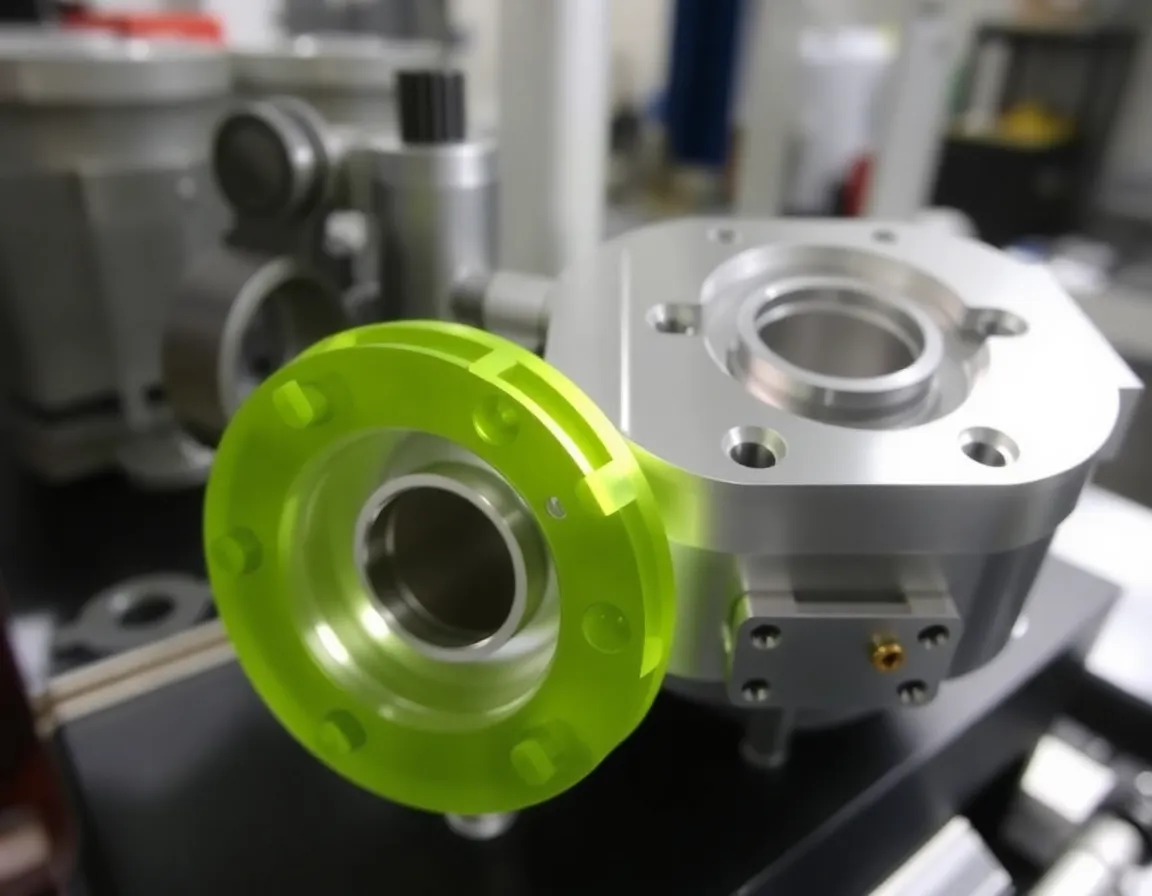
Introdução à Moldagem Plástica de Precisão para Peças de Painel e Console
O interior automotivo é a principal interface entre o motorista e o veículo. Entre seus componentes mais críticos estão o painel de instrumentos (painel) e console central, que abrigam controles essenciais, sistemas de infotretenimento e armazenamento. A fabricação dessas peças exige extrema precisão, durabilidade e qualidade estética. Moldagem de plástico de precisão emergiu como o processo definitivo para produzir esses componentes complexos e de alto volume. Este artigo fornece uma visão geral abrangente da moldagem de plástico de painéis e consoles, detalhando as tecnologias, benefícios e melhores práticas que definem a fabricação moderna de interiores automotivos.
Ao contrário dos painéis externos da carroceria, as peças de painel e console devem atender a requisitos rigorosos de toque, apelo visual, estabilidade dimensional e integração de múltiplos subcomponentes. Do acabamento do cluster de instrumentos ao redor da alavanca de câmbio, cada peça exige uma abordagem meticulosa na seleção de materiais, projeto do molde e controle de processo. Este guia explorará as nuances deste campo especializado, oferecendo insights para engenheiros, especialistas em compras e gerentes de qualidade.
O que é Moldagem de Plástico de Precisão para Peças de Painel e Console?
A moldagem de plástico de precisão refere-se ao uso de processos de moldagem por injeção para criar componentes com tolerâncias extremamente apertadas, muitas vezes medidas em mícrons (0,001 mm). Para peças de painel e console, isso significa produzir geometrias que se encaixam perfeitamente com painéis adjacentes, módulos eletrônicos e fixadores, sem lacunas, empenamentos ou rebarbas. O processo normalmente utiliza materiais termoplásticos como ABS, blendas de PC/ABS, polipropileno (PP) e poliamida (PA), frequentemente reforçados com fibra de vidro ou cargas minerais para maior rigidez e resistência ao calor.
A distinção chave da moldagem por injeção padrão está no nível de controle. A moldagem de precisão para interiores automotivos emprega sistemas avançados de controle de máquina, aços de alta qualidade para moldes e software de simulação sofisticado para prever e mitigar problemas como encolhimento, marcas de afundamento e linhas de solda. O resultado é uma peça que atende às especificações rigorosas das montadoras para superfícies Classe A (áreas visíveis e cosméticas) e superfícies Classe B (áreas não visíveis e estruturais).
Características Principais da Moldagem de Painel e Console
- Geometrias Complexas: As peças frequentemente apresentam rebaixos, dobradiças vivas, encaixes de pressão e nervuras intrincadas para suporte estrutural.
- Integração Multi-Material: A sobremoldagem ou moldagem de dois disparos é frequentemente usada para combinar substratos rígidos com elastômeros de toque suave (por exemplo, TPE ou TPU) para uma sensação premium.
- Acabamentos de Alto Brilho ou Fosco: A texturização da superfície do molde (via EDM, corrosão química ou gravação a laser) é fundamental para alcançar o nível de brilho e o padrão de grão desejados.
- Moldagem por Inserção: Inserções metálicas (para fixadores roscados) ou conectores eletrônicos são frequentemente moldados diretamente na peça plástica para reduzir etapas de montagem.
- Padrões de Zero Defeito: Os OEMs automotivos impõem padrões cosméticos rigorosos (por exemplo, sem marcas de fluxo, sem manchas, sem contaminação) devido à alta visibilidade das áreas do painel e do console.
Como Funciona a Moldagem de Plástico de Precisão para Interiores Automotivos
O processo de criação de uma peça de painel ou console de precisão envolve várias fases distintas, desde o design inicial até a inspeção final de qualidade. Compreender cada etapa é essencial para alcançar uma produção consistente e de alta qualidade.
Fase 1: Design da Peça e Seleção de Material
As equipes de engenharia usam software CAD (por exemplo, CATIA, NX, SolidWorks) para criar um modelo 3D da peça. Esse modelo deve considerar ângulos de saída (tipicamente 1-3 graus) para facilitar a ejeção do molde, uniformidade da espessura da parede (geralmente 2,5-4,0 mm para peças estruturais) e localização do ponto de injeção para minimizar marcas visíveis. A seleção do material é orientada por requisitos mecânicos (resistência ao impacto, temperatura de deflexão térmica), resistência química (a óleos, produtos de limpeza e UV) e comportamento de processamento (índice de fluidez, taxa de contração). Por exemplo, um compartimento de console central pode usar polipropileno de alto impacto, enquanto uma peça de acabamento do painel pode usar uma mistura de PC/ABS para um acabamento de alto brilho.
Fase 2: Design e Fabricação do Molde
O molde (ou ferramenta) é o coração do processo. Para peças de painel e console de precisão, os moldes são tipicamente feitos de aço ferramenta endurecido (por exemplo, P20, H13 ou S7) para suportar milhões de ciclos. Os elementos-chave de design incluem:
- Sistemas de Canais Quentes: Estes mantêm o plástico fundido no distribuidor, reduzindo o desperdício e permitindo controle preciso sobre o tempo e a pressão do ponto de injeção.
- Canais de refrigeração: Resfriamento conformal (usando insertos impressos em 3D) ou canais tradicionais perfurados garantem remoção uniforme de calor, minimizando o tempo de ciclo e o empenamento.
- Ventilação: Respiros de tamanho micro (0,001-0,003 polegadas de profundidade) permitem que o ar e os gases presos escapem, evitando queimaduras e enchimentos incompletos.
- Deslizantes e elevadores: Esses componentes móveis criam rebaixos (por exemplo, para clipes de montagem lateral ou contornos complexos) e são acionados por cilindros hidráulicos ou pneumáticos.
Fase 3: Processo de moldagem por injeção
O ciclo de moldagem propriamente dito envolve quatro estágios principais: fechamento, injeção, resfriamento e ejeção. A moldagem de precisão exige controle rigoroso de vários parâmetros:
- Velocidade e pressão de injeção: Perfis de injeção multiestágio são usados para preencher a cavidade uniformemente, evitando jateamento ou hesitação. As pressões de pico podem exceder 2000 bar.
- Temperatura de Fusão: Normalmente entre 220°C e 280°C para plásticos automotivos comuns, monitorados por termopares no bico e no cilindro.
- Temperatura do Molde: Controlado por uma unidade de controle de temperatura (TCU) para manter temperaturas superficiais que promovem cristalização adequada e replicação da superfície.
- Recalque e manutenção: Após o preenchimento inicial, uma pressão de manutenção (frequentemente 50-70% da pressão de injeção) é aplicada para compensar a retração do material à medida que a peça arrefece.
Fase 4: Pós-processamento e Controlo de Qualidade
Após a ejecção, as peças podem ser submetidas a operações secundárias como remoção de canais (remoção do canal de alimentação), remoção de rebarbas (remoção de excesso de plástico fino) e inspeção superficial. Os métodos avançados de controlo de qualidade incluem:
- CMM (Máquina de Medição por Coordenadas): Para verificação dimensional em relação aos dados CAD.
- Inspeção Ótica: Sistemas de visão automatizados verificam defeitos superficiais, consistência de cor e textura correta.
- Testes Funcionais: Testes de resistência de encaixe por pressão, durabilidade de dobradiças e força de arrancamento de insertos são realizados em peças de amostra.
Principais Vantagens da Moldagem de Plástico de Precisão para Peças de Painéis e Consolas
A adoção de técnicas de moldagem de precisão oferece vantagens substanciais em relação a métodos alternativos de fabricação (por exemplo, usinagem, fundição ou impressão 3D) para a produção automotiva em grande volume.
Precisão Dimensional e Repetibilidade Inigualáveis
A moldagem por injeção de precisão pode manter tolerâncias de ±0,05 mm ou melhores em dimensões críticas. Isso garante que as peças do painel e do console se encaixem perfeitamente com outros componentes internos, eliminando folgas e ruídos que comprometeriam a qualidade percebida. A repetibilidade do processo (peça a peça e lote a lote) é essencial para a produção em massa, na qual milhares de peças idênticas devem ser produzidas diariamente.
Flexibilidade de Design e Consolidação de Peças
A moldagem permite a criação de formas complexas que seriam impossíveis ou proibitivamente caras de usinar. Recursos como encaixes por pressão, bossas e dobradiças vivas podem ser integrados diretamente na peça, reduzindo o número de componentes separados e eliminando operações secundárias de montagem. Por exemplo, um único painel de console moldado pode incorporar pontos de montagem para um porta-copos, portas USB e uma tampa de compartimento de armazenamento, substituindo o que de outra forma seria uma montagem com várias peças.
Acabamento Superficial e Estética Superiores
As técnicas modernas de texturização de moldes permitem a replicação de praticamente qualquer padrão de grão, de couro fino a metal escovado. O controle de precisão sobre a temperatura do molde e a velocidade de injeção garante que o plástico reproduza fielmente a superfície do molde, resultando em uma aparência consistente e de alta qualidade. Isso é crítico para peças do painel que estão diretamente na linha de visão do motorista e devem atender a rigorosos padrões de brilho e cor dos OEMs.
Custo-Benefício em Grandes Volumes
Embora o investimento inicial em um molde de precisão possa ser significativo ($50.000 a $500.000+ para ferramentas complexas), o custo por peça diminui drasticamente com o volume. Os tempos de ciclo para peças de painel e console variam de 30 a 90 segundos, permitindo volumes de produção anuais de centenas de milhares de peças. Além disso, a eliminação de operações secundárias e as taxas reduzidas de refugo diminuem ainda mais os custos totais de fabricação.
Desempenho Aprimorado dos Materiais
A moldagem de precisão permite o uso de plásticos de engenharia avançados que oferecem propriedades mecânicas, térmicas e químicas superiores. O náilon com fibra de vidro proporciona alta rigidez para suportes estruturais de console. O ASA ou PC/ABS estabilizado contra UV mantém a cor e o brilho ao longo de anos de exposição ao sol. A sobremoldagem soft-touch melhora a ergonomia e reduz ruído, vibração e aspereza (NVH).
Aplicações da Moldagem de Precisão em Sistemas de Painel e Console
O escopo da moldagem plástica de precisão em interiores automotivos é vasto. Abaixo estão exemplos específicos de componentes comumente produzidos usando essa tecnologia.
Componentes do Painel
- Moldura do Painel de Instrumentos: A highly visible part surrounding the speedometer and gauges, requiring a flawless Class A surface and precise fit to the cluster housing.
- Air Vent Assemblies: Complex multi-piece parts with movable louvers, often using two-shot molding for a soft-touch perimeter and a hard interior vane.
- Glove Box Door: A large, structurally reinforced part with integrated latch mechanisms and dampening features.
- Center Stack Trim: The panel that houses the radio, climate controls, and display screen, often featuring intricate cutouts and a high-gloss or piano-black finish.
Center Console Components
- Console Upper Panel: The main visible surface surrounding the gear shifter, cup holders, and armrest. It must resist scratches, spills, and daily wear.
- Storage Bin Liners: Molded from textured polypropylene for durability and easy cleaning.
- Armrest Covers: Often produced using foam-in-place or overmolding techniques to provide a padded, comfortable surface.
- USB and Power Port Housings: Precision-molded inserts that must align perfectly with electronic modules and provide secure mounting.
Best Practices for Successful Dash and Console Molding
Achieving consistent, defect-free production requires adherence to several best practices throughout the product lifecycle.
Invest in Robust Mold Design and Simulation
Before cutting steel, use mold flow analysis software (e.g., Moldflow, Moldex3D) to simulate the filling, packing, cooling, and warpage of the part. This can identify potential issues such as air traps, weld lines in cosmetic areas, or excessive shrinkage. Optimize gate location, runner balance, and cooling channel layout based on simulation results. A well-designed mold reduces trial-and-error during the tool tryout phase and ensures faster ramp-up to full production.
Implement Statistical Process Control (SPC)
Monitor key process parameters (melt temperature, injection pressure, cycle time, and part weight) in real-time. Use control charts to detect trends or shifts before they result in defective parts. For example, a gradual increase in part weight may indicate a leaking check valve or inconsistent material feed. Automate data collection via machine interfaces to enable rapid corrective actions.
Prioritize Mold Maintenance
Precision molds require regular maintenance to preserve tolerances and surface finish. Establish a preventive maintenance schedule that includes cleaning of vent channels, inspection of hot runner tips, and measurement of critical mold inserts. Replace worn components (e.g., seals, springs, and slides) proactively. A well-maintained mold can produce millions of parts without significant degradation in quality.
Optimize Material Handling and Drying
Many engineering plastics used in dash and console parts are hygroscopic (absorb moisture from the air). Inadequate drying can lead to splay (silver streaks), bubbles, or reduced mechanical properties. Use dryers with dew point monitoring and ensure that material is dried to manufacturer-recommended moisture levels (typically below 0.02% for PC/ABS). Implement closed-loop material handling systems to prevent contamination from dust or regrind.
Collaborate Early with the Molder
Engage the injection molder during the product design phase. Their expertise in gate placement, draft angles, and ejection can prevent costly mold modifications later. A Design para Manufaturabilidade (DFM) review should be conducted to identify potential issues, such as sharp corners that cause stress concentrations or deep ribs that trap air. Early collaboration also facilitates the selection of the most cost-effective material and mold construction.
Conclusion
Precision plastic molding is the cornerstone of modern automotive interior manufacturing, enabling the production of dash and console parts that meet the highest standards for fit, finish, and function. By leveraging advanced mold design, rigorous process control, and careful material selection, manufacturers can achieve the dimensional accuracy and repeatability required for these critical components. As vehicles become more sophisticated—with integrated displays, touch-sensitive surfaces, and ambient lighting—the demands on precision molding will only increase. Companies that invest in the best practices outlined in this article will be well-positioned to deliver interiors that delight drivers and passengers while maintaining cost efficiency and production scalability.