
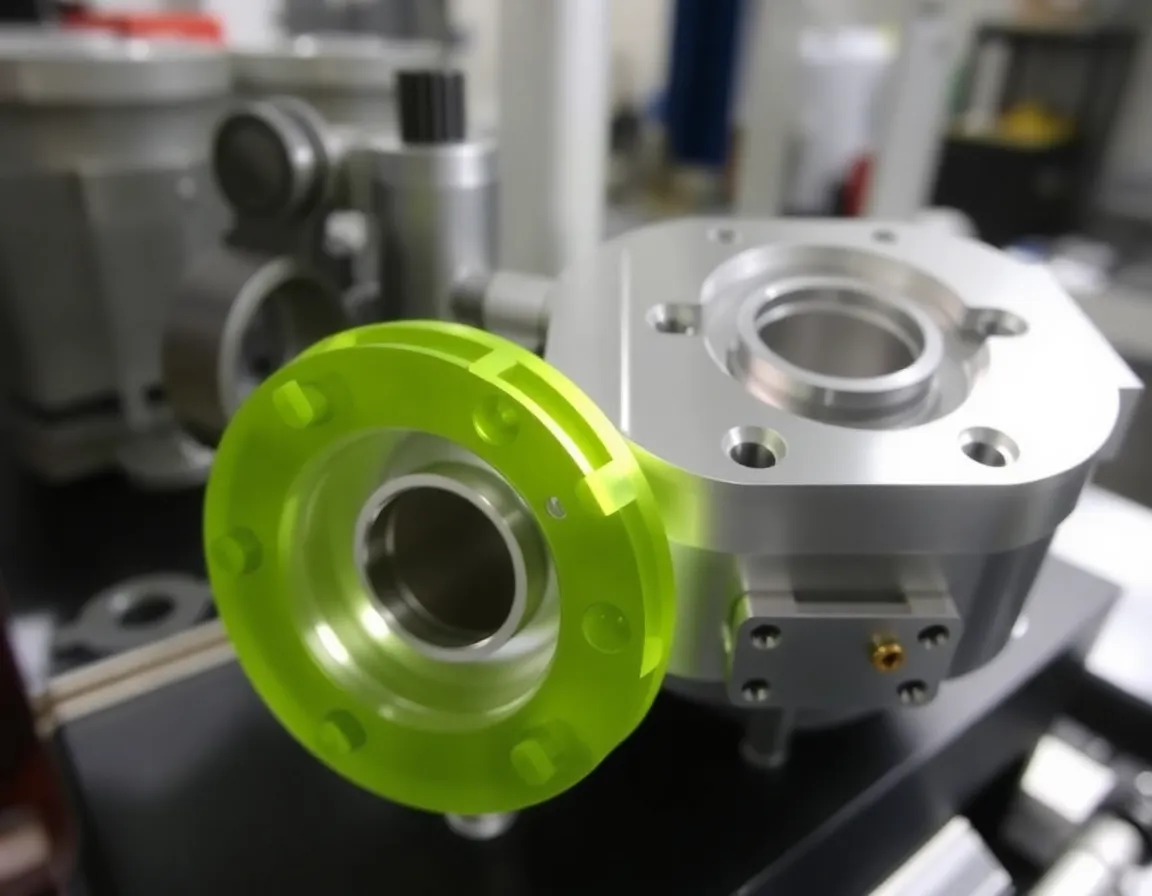
Введение в точное литье пластика для деталей приборной панели и консоли
Интерьер автомобиля — это основной интерфейс между водителем и транспортным средством. Среди его наиболее критичных компонентов — приборная панель (dash) и центральная консоль, которые размещают основные органы управления, информационно-развлекательные системы и места для хранения. Производство этих деталей требует исключительной точности, долговечности и эстетического качества. Прецизионное литье пластмасс стало определяющим процессом для производства этих сложных компонентов массового производства. Эта статья представляет всесторонний обзор литья пластмасс для панелей приборов и консолей, подробно описывая технологии, преимущества и передовые методы, определяющие современное производство автомобильных интерьеров.
В отличие от наружных панелей кузова, детали панелей приборов и консолей должны соответствовать строгим требованиям к тактильным ощущениям, визуальной привлекательности, размерной стабильности и интеграции нескольких подкомпонентов. От рамки щитка приборов до обрамления рычага переключения передач, каждая деталь требует тщательного подхода к выбору материала, проектированию пресс-формы и контролю процесса. Это руководство исследует нюансы этой специализированной области, предлагая идеи для инженеров, специалистов по закупкам и менеджеров по качеству.
Что такое прецизионное литье пластмасс для деталей панелей приборов и консолей?
Прецизионное литье пластмасс относится к использованию процессов литья под давлением для создания компонентов с чрезвычайно жесткими допусками, часто измеряемыми в микронах (0,001 мм). Для деталей панелей приборов и консолей это означает производство геометрий, которые идеально подходят к соседним панелям, электронным модулям и крепежным элементам без зазоров, коробления или облоя. Процесс обычно использует термопластичные материалы такие как АБС, смеси ПК/АБС, полипропилен (ПП) и полиамид (ПА), часто армированные стекловолокном или минеральными наполнителями для повышения жесткости и термостойкости.
Ключевое отличие от стандартного литья под давлением заключается в уровне контроля. Прецизионное литье для автомобильных интерьеров использует современные системы управления станками, высококачественные стали для пресс-форм и сложное имитационное программное обеспечение для прогнозирования и устранения таких проблем, как усадка, утяжины и линии спая. Результатом является деталь, соответствующая строгим спецификациям OEM для поверхностей класса А (видимые, косметические зоны) и поверхностей класса В (невидимые, структурные зоны).
Ключевые характеристики литья панелей приборов и консолей
- Сложные геометрии: Детали часто имеют поднутрения, живые шарниры, защелки и сложные ребра жесткости для структурной поддержки.
- Многослойная интеграция материалов: Литье с облицовкой или двухкомпонентное литье часто используется для сочетания жестких подложек с мягкими на ощупь эластомерами (например, ТПЭ или ТПУ) для премиального ощущения.
- High Gloss or Matte Finishes: Mold surface texturing (via EDM, chemical etching, or laser engraving) is critical to achieve the desired gloss level and grain pattern.
- Insert Molding: Metal inserts (for threaded fasteners) or electronic connectors are often molded directly into the plastic part to reduce assembly steps.
- Zero Defect Standards: Automotive OEMs enforce stringent cosmetic standards (e.g., no flow marks, no blush, no contamination) due to the high visibility of dash and console areas.
How Precision Plastic Molding Works for Automotive Interiors
The process of creating a precision dash or console part involves several distinct phases, from initial design to final quality inspection. Understanding each step is essential for achieving consistent, high-quality output.
Phase 1: Part Design and Material Selection
Engineering teams use CAD software (e.g., CATIA, NX, SolidWorks) to create a 3D model of the part. This model must account for draft angles (typically 1-3 degrees) to facilitate ejection from the mold, wall thickness uniformity (usually 2.5-4.0 mm for structural parts), and gate location to minimize visible marks. Material selection is driven by mechanical requirements (impact resistance, heat deflection temperature), chemical resistance (to oils, cleaners, and UV), and processing behavior (melt flow index, shrinkage rate). For example, a center console bin might use a high-impact polypropylene, while a dashboard trim piece might use a PC/ABS blend for a high-gloss finish.
Phase 2: Mold Design and Fabrication
The mold (or tool) is the heart of the process. For precision dash and console parts, molds are typically made from hardened tool steel (e.g., P20, H13, or S7) to withstand millions of cycles. Key design elements include:
- Горячеканальные системы: These keep the plastic molten in the manifold, reducing waste and allowing precise control over gate timing and pressure.
- Cooling Channels: Conformal cooling (using 3D-printed inserts) or traditional drilled channels ensure uniform heat removal, minimizing cycle time and warpage.
- Venting: Micro-sized vents (0.001-0.003 inches deep) allow trapped air and gases to escape, preventing burns and short shots.
- Slides and Lifters: These moving components create undercuts (e.g., for side mounting clips or complex contours) and are actuated by hydraulic or pneumatic cylinders.
Phase 3: Injection Molding Process
The actual molding cycle involves four primary stages: clamp, inject, cool, and eject. Precision molding demands tight control over several parameters:
- Injection Speed and Pressure: Multi-stage injection profiles are used to fill the cavity uniformly, avoiding jetting or hesitation. Peak pressures can exceed 2000 bar.
- Температура расплава: Typically between 220°C and 280°C for common automotive plastics, monitored by thermocouples in the nozzle and barrel.
- Температура формы: Controlled by a temperature control unit (TCU) to maintain surface temperatures that promote proper crystallization and surface replication.
- Packing and Holding: After initial fill, a holding pressure (often 50-70% of injection pressure) is applied to compensate for material shrinkage as the part cools.
Phase 4: Post-Processing and Quality Control
After ejection, parts may undergo secondary operations such as de-gating (removing the runner), de-flashing (removing thin excess plastic), and surface inspection. Advanced quality control methods include:
- КИМ (координатно-измерительная машина): For dimensional verification against CAD data.
- Optical Inspection: Automated vision systems check for surface defects, color consistency, and correct texture.
- Functional Testing: Snap-fit strength, hinge durability, and insert pull-out force tests are performed on sample parts.
Key Benefits of Precision Plastic Molding for Dash and Console Parts
The adoption of precision molding techniques offers substantial advantages over alternative manufacturing methods (e.g., machining, casting, or 3D printing) for high-volume automotive production.
Unmatched Dimensional Accuracy and Repeatability
Precision injection molding can hold tolerances of ±0.05 mm or better on critical dimensions. This ensures that dash and console parts fit seamlessly with other interior components, eliminating gaps and rattles that would compromise perceived quality. The repeatability of the process (part-to-part and batch-to-batch) is essential for mass production, where thousands of identical parts must be produced daily.
Design Flexibility and Part Consolidation
Molding allows for the creation of complex shapes that would be impossible or prohibitively expensive to machine. Features like snap-fits, bosses, and living hinges can be integrated directly into the part, reducing the number of separate components and eliminating secondary assembly operations. For example, a single molded console panel can incorporate mounting points for a cup holder, USB ports, and a storage compartment lid, replacing what would otherwise be a multi-part assembly.
Superior Surface Finish and Aesthetics
Modern mold texturing techniques enable the replication of virtually any grain pattern, from fine leather to brushed metal. Precision control over mold temperature and injection speed ensures that the plastic faithfully reproduces the mold surface, resulting in a consistent, high-quality appearance. This is critical for dash parts that are directly in the driver’s line of sight and must meet strict OEM gloss and color standards.
Cost-Effectiveness at High Volumes
While the initial investment in a precision mold can be significant ($50,000 to $500,000+ for complex tools), the per-part cost decreases dramatically with volume. Cycle times for dash and console parts range from 30 to 90 seconds, allowing for annual production volumes of hundreds of thousands of parts. Additionally, the elimination of secondary operations and reduced scrap rates further lower total manufacturing costs.
Enhanced Material Performance
Precision molding allows for the use of advanced engineering plastics that offer superior mechanical, thermal, and chemical properties. Glass-filled nylon provides high stiffness for structural console brackets. UV-stabilized ASA or PC/ABS maintains color and gloss over years of sun exposure. Soft-touch overmolding improves ergonomics and reduces noise, vibration, and harshness (NVH).
Applications of Precision Molding in Dash and Console Systems
The scope of precision plastic molding in automotive interiors is vast. Below are specific examples of components commonly produced using this technology.
Dashboard Components
- Instrument Cluster Bezel: A highly visible part surrounding the speedometer and gauges, requiring a flawless Class A surface and precise fit to the cluster housing.
- Air Vent Assemblies: Complex multi-piece parts with movable louvers, often using two-shot molding for a soft-touch perimeter and a hard interior vane.
- Glove Box Door: A large, structurally reinforced part with integrated latch mechanisms and dampening features.
- Center Stack Trim: The panel that houses the radio, climate controls, and display screen, often featuring intricate cutouts and a high-gloss or piano-black finish.
Center Console Components
- Console Upper Panel: The main visible surface surrounding the gear shifter, cup holders, and armrest. It must resist scratches, spills, and daily wear.
- Storage Bin Liners: Molded from textured polypropylene for durability and easy cleaning.
- Armrest Covers: Often produced using foam-in-place or overmolding techniques to provide a padded, comfortable surface.
- USB and Power Port Housings: Precision-molded inserts that must align perfectly with electronic modules and provide secure mounting.
Best Practices for Successful Dash and Console Molding
Achieving consistent, defect-free production requires adherence to several best practices throughout the product lifecycle.
Invest in Robust Mold Design and Simulation
Before cutting steel, use mold flow analysis software (e.g., Moldflow, Moldex3D) to simulate the filling, packing, cooling, and warpage of the part. This can identify potential issues such as air traps, weld lines in cosmetic areas, or excessive shrinkage. Optimize gate location, runner balance, and cooling channel layout based on simulation results. A well-designed mold reduces trial-and-error during the tool tryout phase and ensures faster ramp-up to full production.
Implement Statistical Process Control (SPC)
Monitor key process parameters (melt temperature, injection pressure, cycle time, and part weight) in real-time. Use control charts to detect trends or shifts before they result in defective parts. For example, a gradual increase in part weight may indicate a leaking check valve or inconsistent material feed. Automate data collection via machine interfaces to enable rapid corrective actions.
Prioritize Mold Maintenance
Precision molds require regular maintenance to preserve tolerances and surface finish. Establish a preventive maintenance schedule that includes cleaning of vent channels, inspection of hot runner tips, and measurement of critical mold inserts. Replace worn components (e.g., seals, springs, and slides) proactively. A well-maintained mold can produce millions of parts without significant degradation in quality.
Optimize Material Handling and Drying
Many engineering plastics used in dash and console parts are hygroscopic (absorb moisture from the air). Inadequate drying can lead to splay (silver streaks), bubbles, or reduced mechanical properties. Use dryers with dew point monitoring and ensure that material is dried to manufacturer-recommended moisture levels (typically below 0.02% for PC/ABS). Implement closed-loop material handling systems to prevent contamination from dust or regrind.
Collaborate Early with the Molder
Engage the injection molder during the product design phase. Their expertise in gate placement, draft angles, and ejection can prevent costly mold modifications later. A Проектирование с учетом технологичности (DFM) review should be conducted to identify potential issues, such as sharp corners that cause stress concentrations or deep ribs that trap air. Early collaboration also facilitates the selection of the most cost-effective material and mold construction.
Заключение
Precision plastic molding is the cornerstone of modern automotive interior manufacturing, enabling the production of dash and console parts that meet the highest standards for fit, finish, and function. By leveraging advanced mold design, rigorous process control, and careful material selection, manufacturers can achieve the dimensional accuracy and repeatability required for these critical components. As vehicles become more sophisticated—with integrated displays, touch-sensitive surfaces, and ambient lighting—the demands on precision molding will only increase. Companies that invest in the best practices outlined in this article will be well-positioned to deliver interiors that delight drivers and passengers while maintaining cost efficiency and production scalability.