
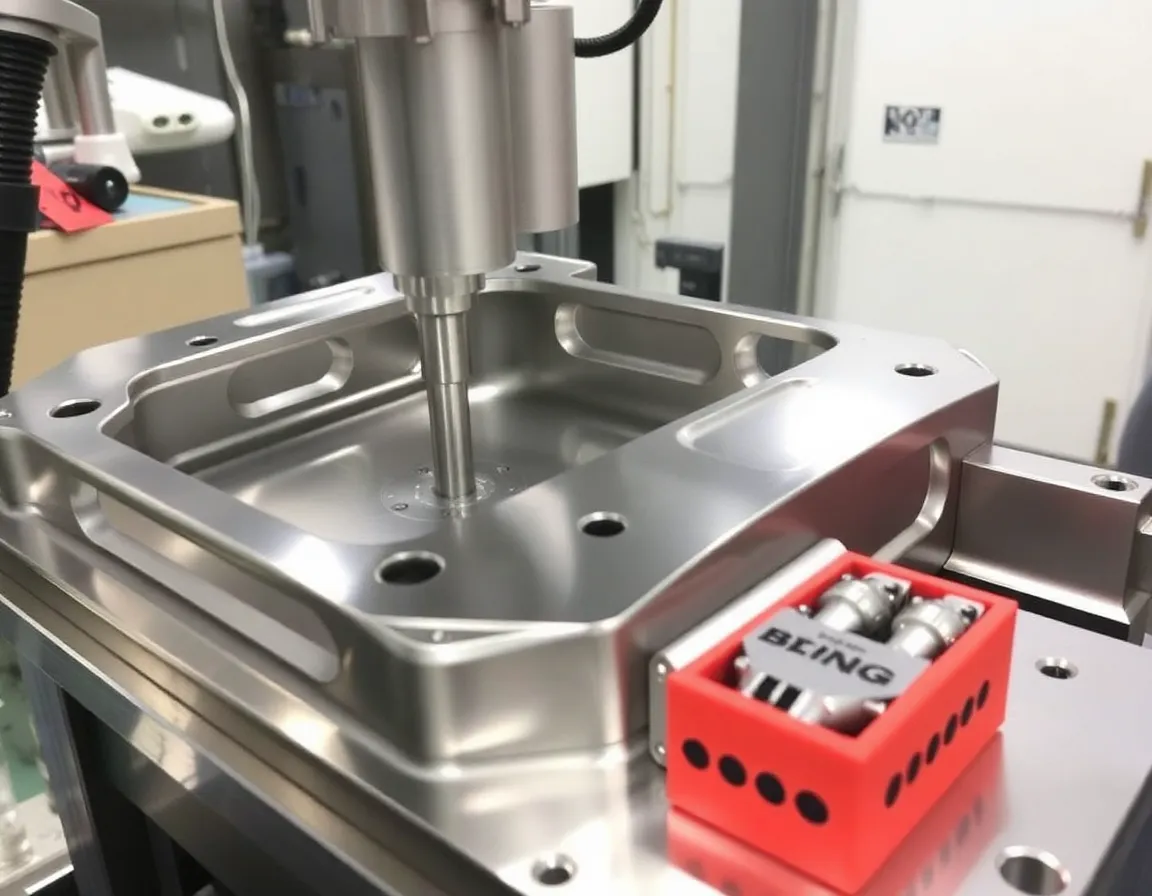
Introduction: The Critical Role of Molding in the EV Revolution
The global shift toward electric vehicles (EVs) is not merely a change in powertrain technology; it is a fundamental reimagining of vehicle architecture, materials, and manufacturing processes. At the heart of this transformation lies electric vehicle EV molding solutions, a specialized domain of manufacturing that addresses the unique demands of battery housings, lightweight structural components, thermal management systems, and intricate electrical connectors. Unlike traditional internal combustion engine vehicles, EVs require components that are lighter, more thermally conductive, electrically insulating, and capable of withstanding high-voltage environments. This article provides a comprehensive exploration of the top molding solutions shaping modern electric cars, from material selection to advanced process technologies.
Understanding EV Molding: Materials and Core Technologies
The Shift from Metal to Advanced Polymers
Traditional automotive molding focused heavily on steel and aluminum stamping. In the EV era, the priority is weight reduction to maximize range. Литьё под давлением of high-performance thermoplastics has become the dominant solution for non-structural and semi-structural parts. Materials such as polyamide (PA), polybutylene terephthalate (PBT), and polyphenylene sulfide (PPS) are now standard. These polymers offer excellent dimensional stability, chemical resistance, and the ability to be reinforced with glass or carbon fibers.
Critical Material Properties for EV Applications
Modern EV molding solutions must deliver on several fronts simultaneously:
- Flame Retardancy (UL94 V-0): Essential for battery pack components to prevent thermal runaway propagation.
- Dielectric Strength: High-voltage insulation requires materials that can withstand thousands of volts without breakdown.
- Thermal Conductivity: For heat sinks and thermal interface materials, polymers filled with ceramic or graphite additives are used.
- Lightweighting: Replacing metal with 30-50% lighter polymers directly improves vehicle range and efficiency.
Injection Molding vs. Compression Molding
Two primary processes dominate EV molding. Литьё под давлением is ideal for high-volume, complex geometries like connector housings, sensor brackets, and small battery module frames. Compression molding, often used with sheet molding compound (SMC) or bulk molding compound (BMC), excels in producing large, flat, or moderately curved parts such as battery pack enclosures and underbody shields. Compression molding offers superior fiber orientation control and lower tooling costs for large parts, while injection molding provides unmatched cycle speed for smaller, intricate components.
Top Molding Solutions for Battery Systems
Battery Module Housings and Cell Holders
The battery pack is the most critical and expensive subsystem in any EV. Molding solutions here must balance structural integrity, electrical insulation, and thermal management. Thin-wall injection molding of flame-retardant polycarbonate (PC) or PC/ABS blends is commonly used for cell holders. These parts must precisely space cylindrical cells (like 18650 or 21700 formats) or pouch cells, preventing short circuits while allowing for cooling channels.
For prismatic cell frames, overmolding with liquid silicone rubber (LSR) is gaining traction. This two-shot process creates a rigid thermoplastic frame with a soft, compressible silicone gasket, ensuring a watertight and vibration-resistant seal. The overmolding process reduces assembly steps and eliminates leak paths that traditional gaskets might create.
Battery Pack Enclosures (Trays and Covers)
Historically, battery enclosures were welded aluminum or steel. Today, compression-molded glass-fiber-reinforced SMC offers a compelling alternative. These enclosures are 30-40% lighter than metal, corrosion-proof, and can be molded with integrated ribs, bosses, and mounting points. The material's high stiffness-to-weight ratio is critical for protecting cells during crash events. Advanced SMC formulations now include intumescent additives that expand when exposed to extreme heat, providing passive fire protection for minutes—a vital safety feature.
Thermal Management Components
Thermal runaway prevention is the top safety priority in EV design. Molding solutions contribute directly through thermally conductive plastics. These materials, typically PPS or PA6 filled with boron nitride or aluminum oxide, are used for cooling plates, heat sinks, and busbar insulators. Injection molding allows for complex internal channel geometries that optimize coolant flow, improving heat transfer efficiency by up to 40% compared to machined metal parts. Additionally, die-cast metal replacement with thermally conductive polymers reduces weight while maintaining acceptable heat dissipation for power electronics.
Molding Solutions for Electric Drive Units and Power Electronics
Motor and Inverter Housings
The electric motor and inverter generate significant heat and require robust, dimensionally stable housings. High-pressure die-casting of aluminum remains common, but injection-molded thermoplastics are making inroads for lower-power auxiliary motors and integrated drive units. For example, the stator housing of an e-axle can be molded from a high-temperature nylon (PA46 or PA9T) with 50% glass fiber content. This reduces weight by 50% and eliminates secondary machining operations, as threads, oil channels, and sensor mounts are molded in place.
High-Voltage Connectors and Busbars
Reliable electrical connections are non-negotiable in a high-voltage system. Precision injection molding of LCP (liquid crystal polymer) or PBT is used for connector housings. These materials offer exceptional dimensional stability, low moisture absorption, and high tracking resistance (CTI). The molding process must achieve tight tolerances (often ±0.05 mm) to ensure proper pin alignment and sealing. Insert molding is widely used here: copper or aluminum busbars are placed in the mold, and plastic is injected around them. This creates a hermetic seal, eliminates separate gaskets, and provides superior mechanical retention compared to press-fit designs.
Sensor and Control Unit Enclosures
Modern EVs contain dozens of sensors for current, voltage, temperature, and position. These sensors require encapsulation molding to protect sensitive electronics from vibration, moisture, and thermal cycling. Low-pressure injection molding (LPIM) with polyurethane or epoxy-based compounds is used to pot electronic assemblies. This process fills every void, providing excellent thermal conductivity away from heat-generating chips while maintaining electrical isolation. The result is a rugged, waterproof module that can survive under-hood conditions for the vehicle's lifetime.
Best Practices for Implementing EV Molding Solutions
Design for Manufacturability (DFM) in EV Context
Successful EV molding requires a shift in design philosophy. Engineers must collaborate closely with molders early in the design phase. Key DFM considerations include:
- Uniform wall thickness: Avoids sink marks and warpage, critical for sealing surfaces in battery enclosures.
- Draft angles: Typically 1-3 degrees for thermoplastics, but may need to be higher for deep, textured parts.
- Gate placement: Must ensure balanced fill, especially for large, flow-length parts like battery trays.
- Living hinges and snap-fits: Reduce assembly costs by integrating features that eliminate screws or clips.
Process Control and Quality Assurance
EV components demand zero-defect quality. In-mold sensors that monitor pressure, temperature, and flow are now standard in advanced facilities. These sensors feed data into machine learning algorithms that adjust parameters in real-time, preventing flash, short shots, or voids. Automated optical inspection (AOI) systems scan every part for surface defects, contamination, and dimensional accuracy. For high-voltage parts, dielectric withstand testing (hipot testing) is performed inline to ensure no insulation breakdown occurs.
Sustainability and Material Recycling
The automotive industry is under pressure to reduce its carbon footprint. EV molding solutions are evolving to include bio-based and recycled polymers. For instance, PA6 derived from castor oil is now used for interior trim and non-critical brackets. Closed-loop recycling of thermoplastic scrap from injection molding is widely practiced, with regrind being blended back into new parts at controlled percentages. For thermoset SMC, new chemical recycling processes are being developed to recover glass fibers and resin components, reducing landfill waste.
Future Trends in EV Molding
Multi-Material and Hybrid Molding
The next frontier is combining different materials in a single molding cycle. Bi-injection allows a rigid structural core to be overmolded with a soft, elastomeric outer layer for sealing or vibration damping. Hybrid molding combines thermoplastic injection molding with metal inserts, creating parts that leverage the strength of metal and the design freedom of plastic. This is particularly promising for structural battery modules that double as crash members.
Additive Manufacturing for Tooling and Low-Volume Production
3D-printed mold inserts with conformal cooling channels are revolutionizing injection molding. These inserts, made from maraging steel or copper alloys, allow cooling to follow the exact contour of the part, reducing cycle times by 20-30%. For low-volume EV production (e.g., specialty vehicles or prototypes), additive manufacturing of final parts using high-performance thermoplastics like PEEK or ULTEM is becoming viable, bypassing the need for expensive steel tooling.
Smart Molding with Industry 4.0
EV molding is becoming a data-driven process. Digital twins of the mold and machine allow simulation of fill, pack, and cool phases before steel is cut. Real-time production data is fed into cloud-based analytics platforms that predict maintenance needs and optimize energy consumption. This level of automation is essential for meeting the high-volume, high-quality demands of mass-market EV production.
Заключение
Electric vehicle EV molding solutions are far more than a simple manufacturing method; they are a strategic enabler of the electric mobility transition. From lightweight battery enclosures that enhance range to precision-molded connectors that ensure safety at 800 volts, the quality and innovation of molding directly impact vehicle performance, cost, and reliability. As materials science advances and processes become smarter, the role of molding in EV production will only grow. Manufacturers that invest in advanced injection molding, compression molding, and hybrid techniques, while adhering to rigorous DFM and quality standards, will be best positioned to lead in the rapidly evolving electric vehicle market.