
The right cavity count is the number the program can fill, cool, eject, inspect, and use economically—not simply the largest number that fits in a mold base. Start with demand by release window, then test machine capacity, part geometry, runner design, cooling, and cavity-level quality control. A higher count can raise output per cycle, but it also increases the number of cavities that must stay consistent and the consequences of an imbalance.
Translate demand into a shot requirement
`n`n`n`n
Begin with the required quantity of acceptable parts over a defined production window. Account for scheduled releases, expected downtime, inspection and packaging, and whether demand is steady or lumpy. Do not convert annual demand directly into a cavity count without checking the order pattern and the number of production hours realistically available.
For a first-pass comparison, estimate the shots needed for each candidate count by dividing the required good-part quantity by the number of cavities, then add a clearly stated allowance for process loss only if the project has a supported basis for it. This arithmetic is a planning aid, not a production guarantee. Trial results, scrap history, cycle constraints, and machine availability determine the final plan.
Check machine and tool limits
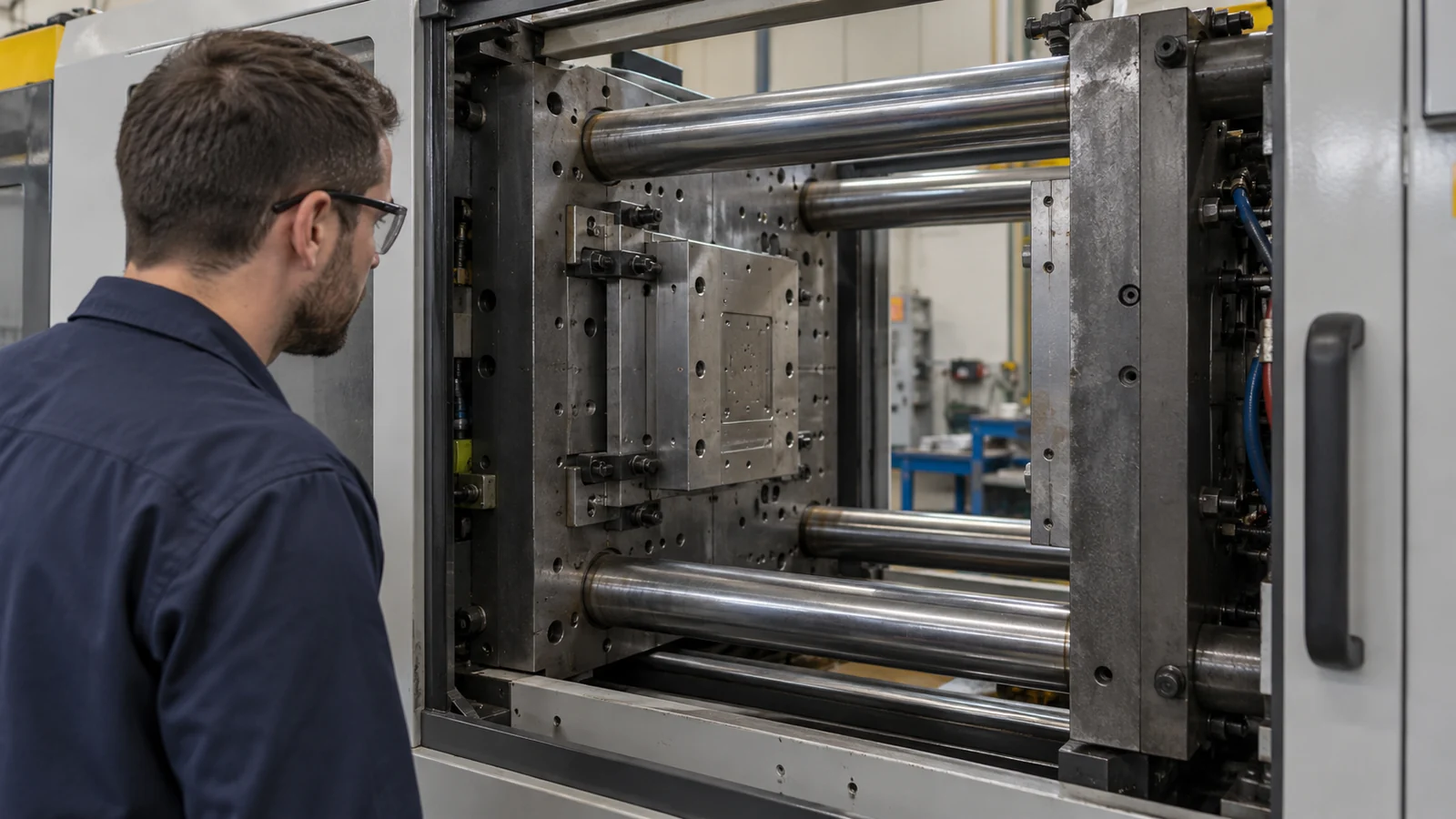
A candidate cavity count must fit the molding machine and the tool. Review shot capacity, clamp requirements, platen and tie-bar space, mold thickness, runner volume, and the available injection and plasticizing capability against the actual part and resin. These checks are machine- and application-specific; a cavity count that is feasible on one press may not suit another.
Part geometry also affects the decision. Long flow paths, thin sections, deep cores, or demanding appearance surfaces can make filling and cooling more difficult as the tool is replicated. The runner system must distribute melt appropriately, and cooling circuits need to support each cavity. Ask the tool team to explain how the proposed layout will be balanced and maintained rather than relying on a cavity-count label alone.
Price in cavity-to-cavity control
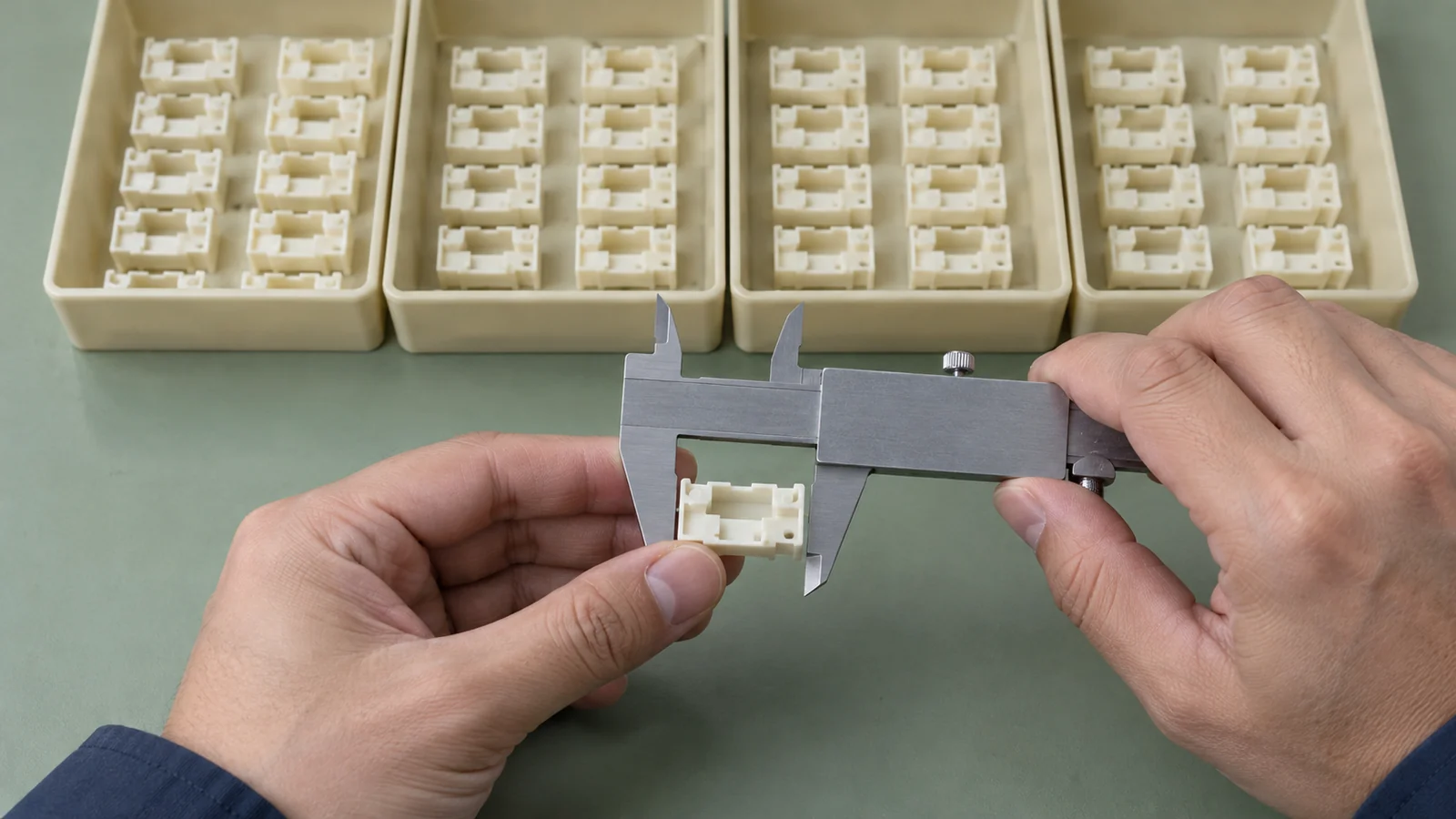
More cavities mean more locations to monitor. A dimension or cosmetic issue may occur in one cavity while others remain acceptable. The validation and production plan should therefore preserve cavity identity where practical and establish how samples will be selected, measured, and reviewed.
Consider the critical-to-quality features first. If the part has sealing surfaces, datum relationships, thin walls, or visible surfaces, the team should decide how to verify those characteristics across the tool. The sampling plan should reflect product risk, customer requirements, and trial evidence; there is no universal number of parts that makes every multi-cavity tool adequately validated.
A practical way to compare options
| Candidate layout | Potential fit | Main question |
|---|---|---|
| Lower cavity count | Variable demand, complex part, or early production stage | Does the schedule allow the required number of runs? |
| Mid-range cavity count | Demand and process capability are established | Can every cavity be cooled and checked consistently? |
| Higher cavity count | Stable demand for one repeated part | Do press limits, balance, maintenance, and inspection support it? |
Compare the options on the same basis: tool investment, shots and setups required, expected machine time, quality controls, maintenance access, and future demand. The lower-count option may be more adaptable; the higher-count option may reduce the number of cycles. Which is better depends on actual production constraints and the cost of quality risk.
Inputs to request before choosing
- current CAD and drawing with critical dimensions identified;
- resin manufacturer, grade, color, and any documented processing requirements;
- forecast demand by release period and order-size pattern;
- target machine or known press constraints, if already established;
- appearance, inspection, traceability, and validation requirements;
- expected product revisions and acceptable maintenance windows.
For the tooling concept, see multi-cavity injection mold design. Provide the demand model and part requirements together so cavity count is chosen as a production decision, not an isolated tool specification.
FAQ
Does doubling the cavity count double output?
It doubles the number of cavity positions, but acceptable output also depends on cycle time, process stability, downtime, and whether all cavities meet requirements. Validate actual production performance before treating nominal cavity count as delivered output.
Should a new part start with a lower cavity count?
Not automatically. A lower count can reduce initial complexity in some programs, while stable high demand may justify a larger tool. Compare the product’s maturity, demand evidence, machine limits, and quality plan.
Can one cavity be shut off when demand falls?
That depends on the tool design and process. The team must confirm whether individual cavities can be disabled without affecting balance, cooling, or quality in the remaining cavities.