
A high-speed injection molding process window is not a single best speed setting. It is the verified range of fill and related conditions in which the part continues to meet its requirements despite normal variation in material, machine, tool, and environment. Establish it by defining what must remain acceptable, changing controlled inputs deliberately, and checking the resulting parts—not by increasing speed until one sample looks good.
Define what the window must protect
Start with the part’s acceptance criteria: critical dimensions, appearance zones, fill completion, weld-line condition, mechanical function, and any customer-specific checks. Decide which defects would invalidate the part and how each feature will be measured. Without this step, a process study may optimize cycle time while missing the failure that matters to the customer.
Identify the factors likely to affect fast filling: injection profile, transfer point, material condition, gate and vent design, mold temperature, cooling, and machine response. Not every factor should be changed in one study. Prioritize those most closely connected to the observed risk and define what will remain fixed.
Set a controlled baseline
Record the resin grade and lot, material handling, tool revision, machine, current settings, startup condition, cavity identity if relevant, and sample measurement method. Produce a baseline that meets the drawing and appearance requirements before testing a wider range. If the baseline is already unstable, identify why before treating it as a reference.
Keep samples under comparable conditioning and measurement conditions. A dimension measured at a different time or with a different fixture may appear to change even when the molding process has not. The study should distinguish process variation from measurement variation wherever practical.
Challenge one variable at a time
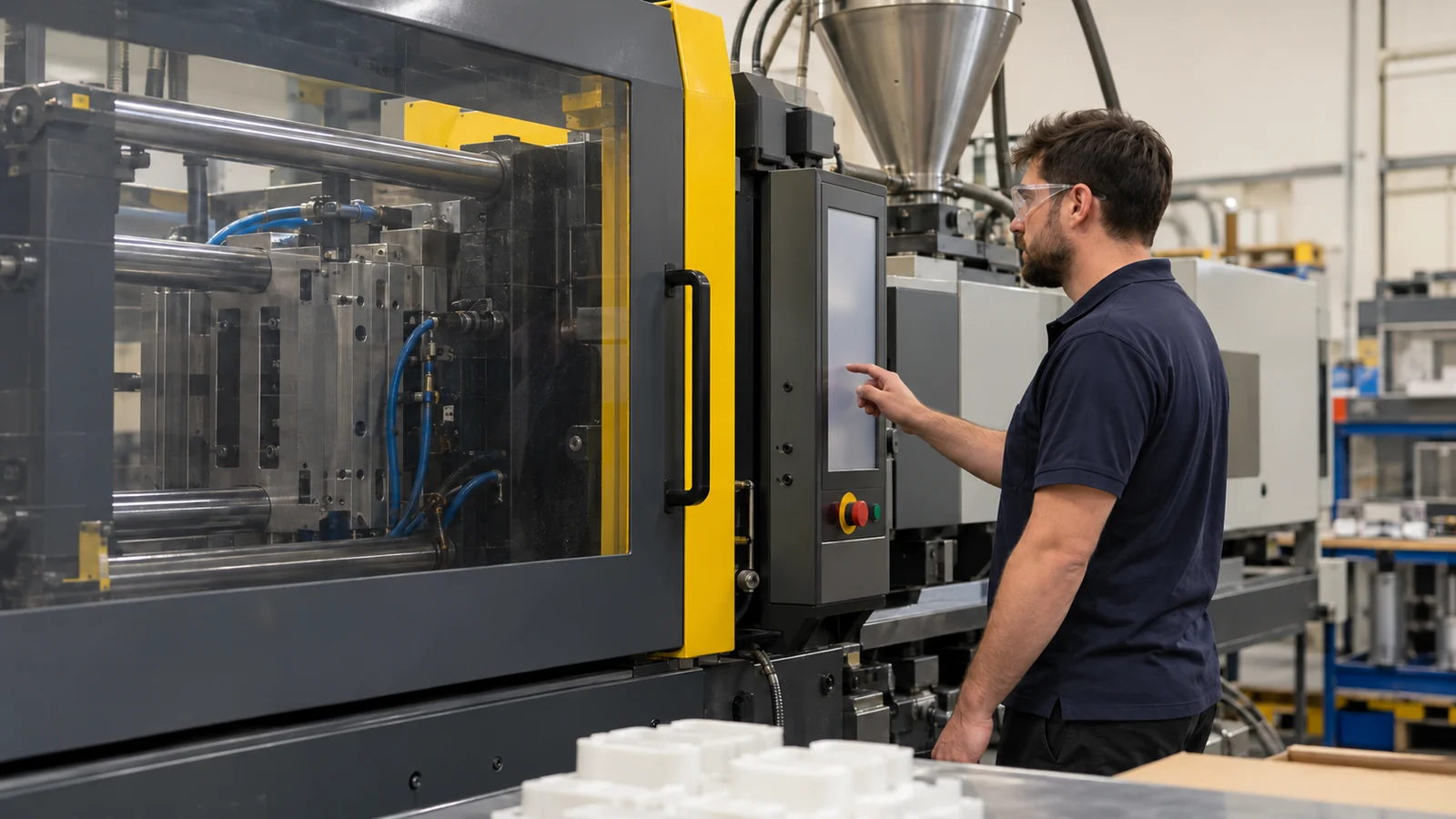
Change a controlled input in planned steps and observe the entire response. A higher fill rate may improve completion in a thin section but reveal trapped air, jetting, flash, or a surface issue elsewhere. A lower speed may suppress a mark while creating hesitation or extending the cycle. Record both improvements and regressions.
Do not assume that injection speed alone defines the window. Transfer behavior, packing, mold temperature, cooling, resin handling, and tool condition can interact with fill. If a designed experiment is appropriate, select factors and levels with engineering input and keep the trial traceable; otherwise, use a disciplined one-factor study and state its limits.
| Study checkpoint | What to preserve |
|---|---|
| Input settings | Actual machine records and the specific factor intentionally changed |
| Part samples | Cavity identity, time/order, and the condition under which each sample was produced |
| Acceptance evidence | Measurements and appearance checks tied to the approved criteria |
| Side effects | New defects, unstable response, alarms, or process interruptions |
Record failure boundaries and interactions
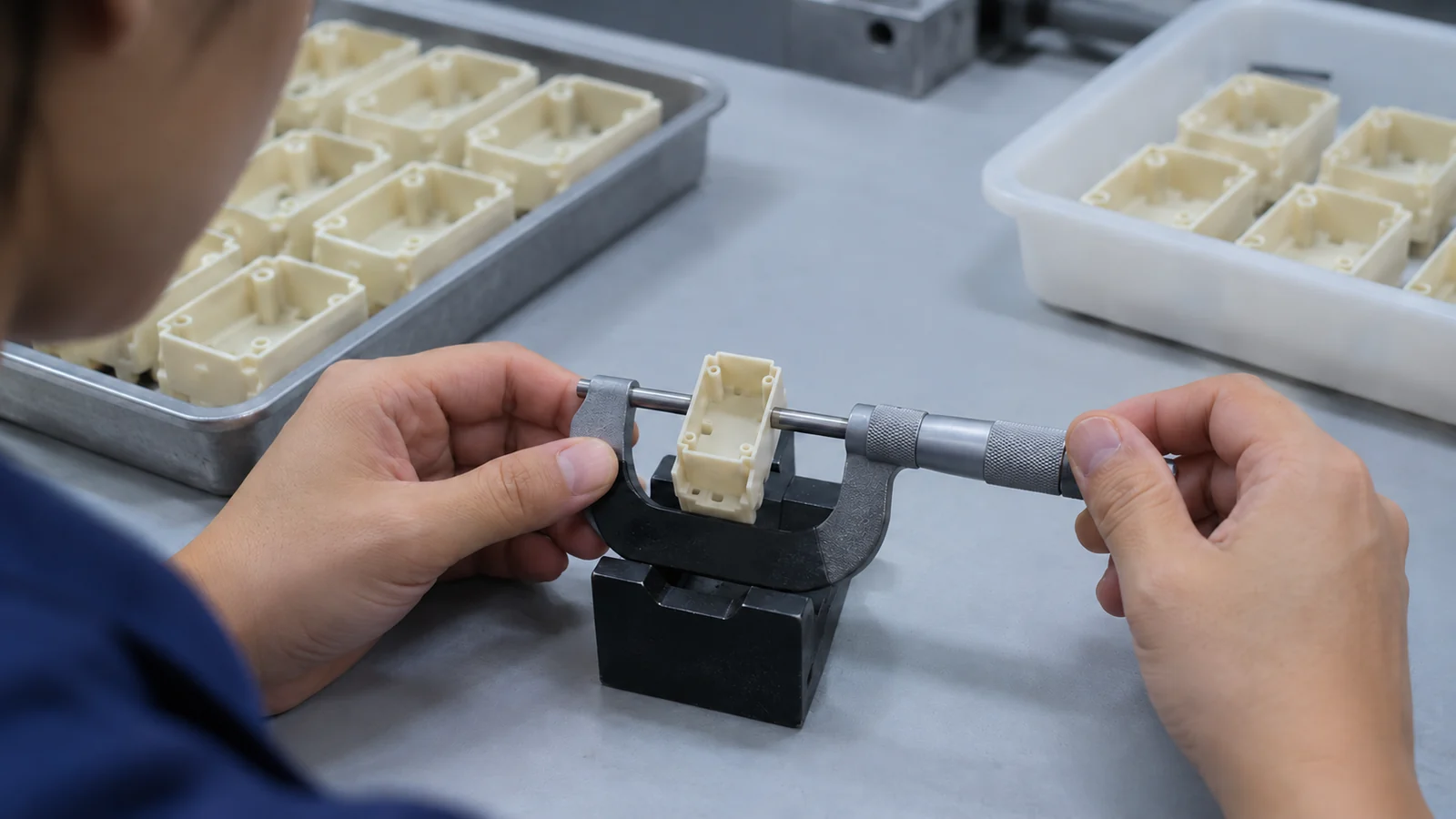
A useful window includes boundaries: where short fill begins, where flash appears, where an appearance limit is crossed, or where dimensional behavior stops meeting requirements. Those boundaries should be based on observed parts and recorded test conditions. Do not publish a generic numeric range as if it applied to every resin, tool, and machine.
Repeatability matters. A setting that works once may not tolerate routine shifts in material lot, machine startup, or tool condition. Repeat checks around the proposed operating region and confirm that the response is not driven by one cavity or one isolated sample. If two variables interact strongly, document that limitation and plan additional validation rather than overclaiming a robust window.
Turn the study into a production control plan
Convert the validated settings into a controlled process record with approved material, tool and machine identification, checks, response actions, and change-control rules. State which features are monitored and what to do when a signal or part measurement drifts. Keep the record aligned with the actual production route, not a theoretical range from an early trial.
For the broader production context, see high-volume injection molding. A validated process window should support quality and repeatability at the intended scale; cycle-time reduction is a result to evaluate only after the part requirements remain satisfied.
FAQ
Does a wider process window always mean a better process?
Not by itself. The tested range must meet defined part requirements, repeat under relevant conditions, and include the factors that can change in production. A wide range that ignores appearance or performance limits is not useful.
Can I use the machine’s maximum injection speed as the upper limit?
No. The practical limit is determined by the part, resin, gate, vents, mold, machine response, and acceptance criteria. The machine capability alone does not establish a qualified setting.
Should cycle time be optimized during the same study?
Only if the study design can evaluate both quality and cycle impact without confusing the result. Protect the acceptance criteria first, then quantify cycle-time implications separately or as a planned factor.