
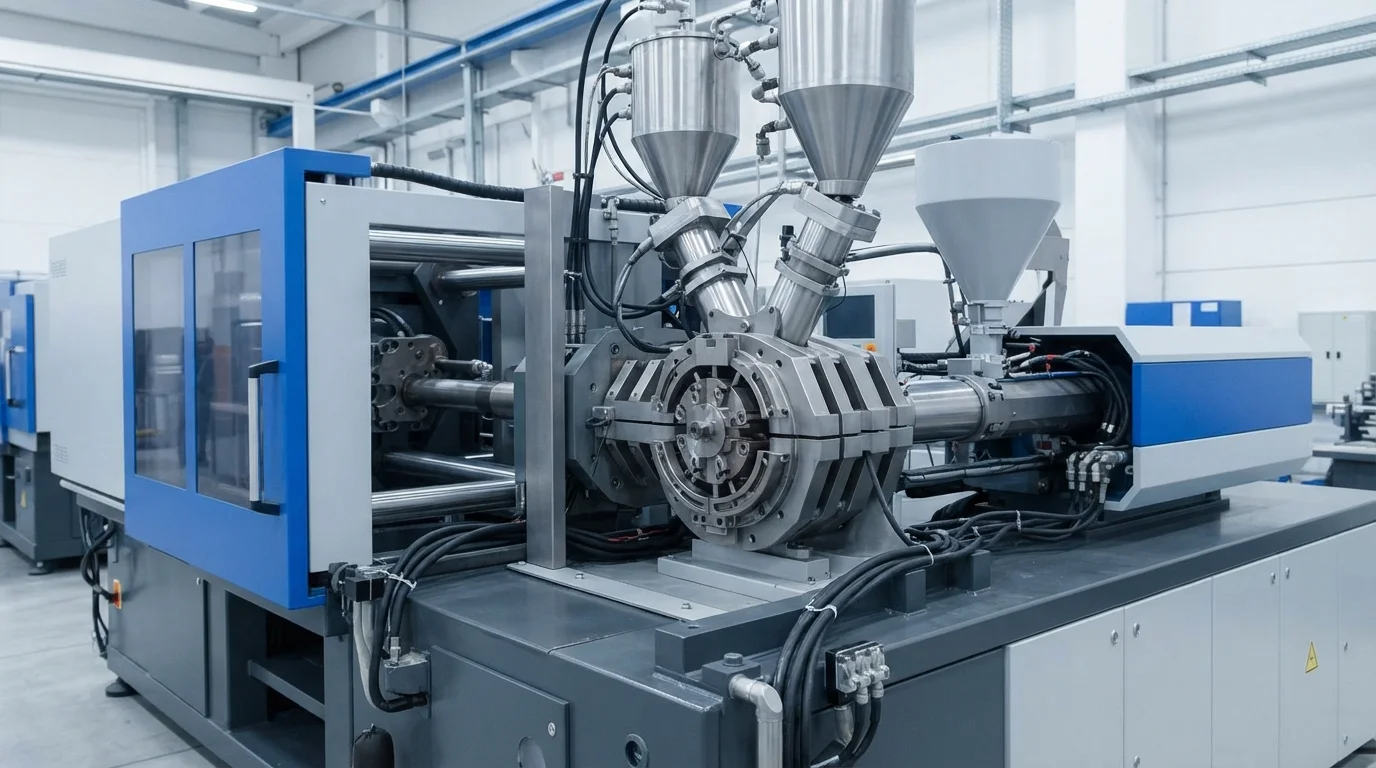
비용 효율적인 구조적 하우징과 다기능 플라스틱 하드웨어를 제조하려면 깨끗한 표면 미학과 낮은 원자재 비용의 균형이 필요합니다. 버진 엔지니어링 수지를 사용한 단일 재료 고체 부품은 생산 비용을 증가시키는 반면, 100% 재활용 폴리머를 사용하면 표면 외관과 충격 강도가 저하됩니다. 전문적인 코인젝션 몰딩 을 지정하면 저비용 또는 재활용 폴리머 코어를 고순도 버진 외부 스킨 내부에 캡슐화하여 이러한 상충되는 요구 사항을 해결합니다. 주청은 고객의 기술 CAD 도면에 따라 다층 구조 부품을 엄격히 제공하는 특수 다중 배럴 코인젝션 기계를 운영합니다.
목차
샌드위치 몰딩: 재활용/재분쇄 코어가 있는 버진 외부 스킨
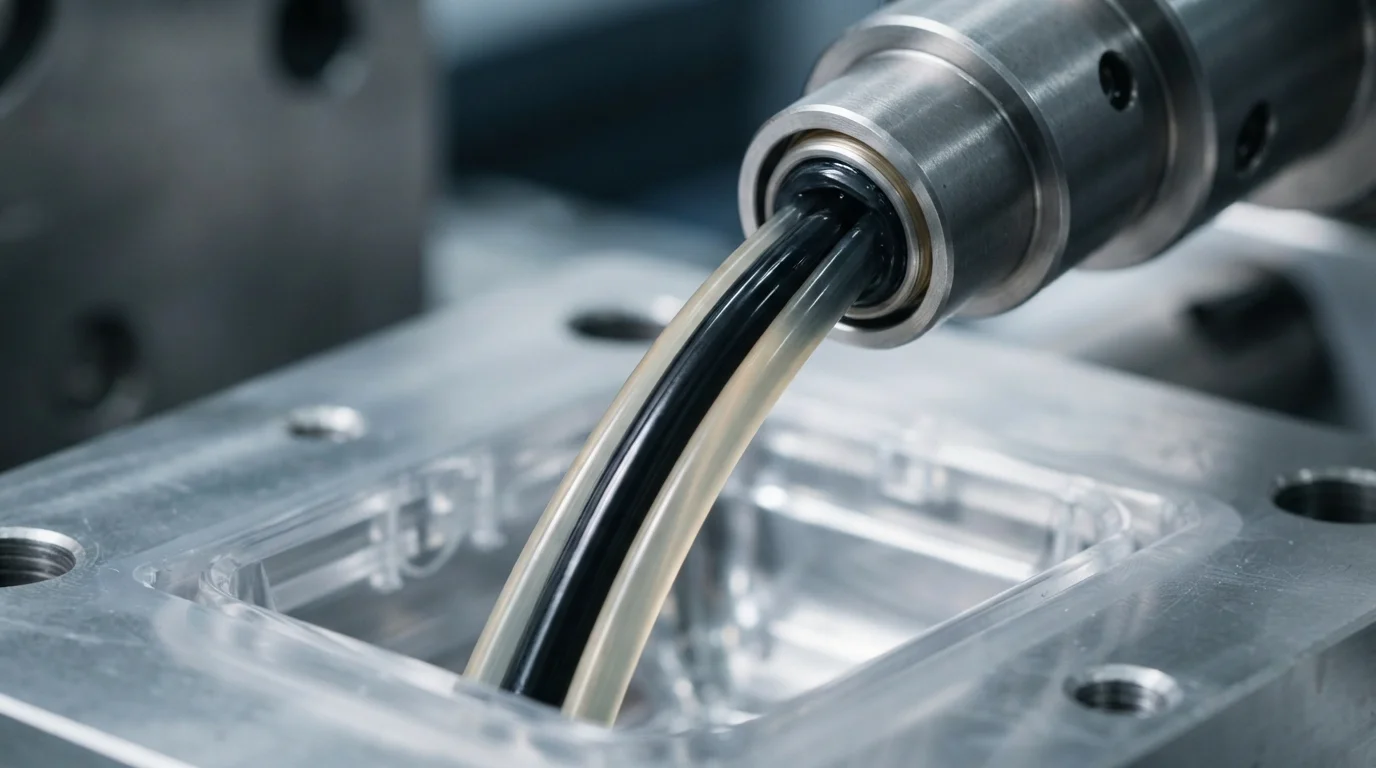
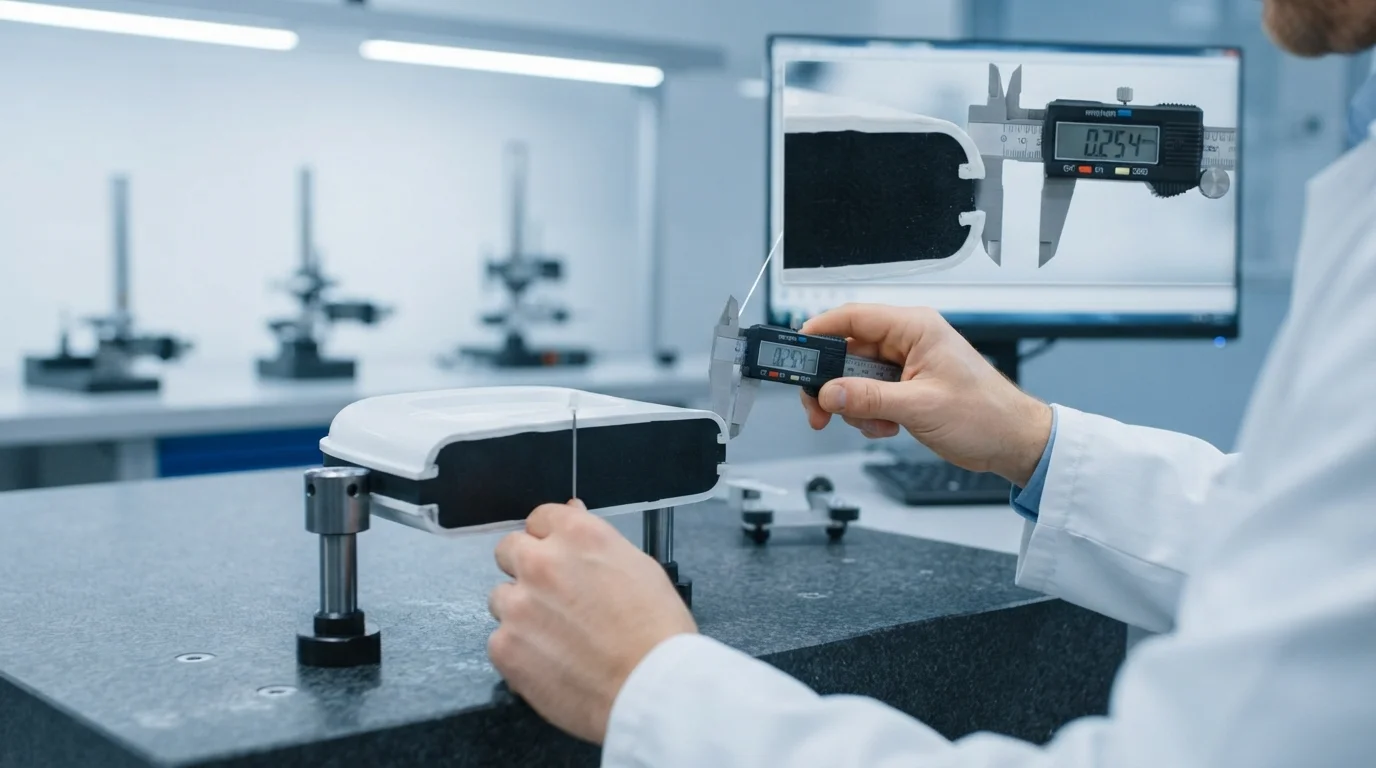
다층 가공을 실행하려면 특수 이중 동심 노즐 또는 순차 매니폴드 밸브를 통한 샌드위치 몰딩 기술을 활용합니다. 1단계 사출은 버진 스킨 수지를 도입하여 캐비티 벽을 채워 깨끗한 외부 표면을 형성합니다. 2단계 사출은 코어 재료를 스킨 멜트의 따뜻한 중심에 직접 도입하여 내부에서 코어를 팽창시킵니다. 재분쇄 코어 또는 재활용 폴리머를 버진 스킨 내부에 넣으면 표면 마감을 변경하지 않고 원자재 비용을 최대 30%~50% 절감할 수 있습니다. 최종 스킨 퍼지 사출은 스프루 게이트를 버진 수지로 밀봉하여 외부 표면에 재활용 재료가 노출되지 않도록 합니다.
코인젝션 샌드위치 시퀀스 단계는 다음과 같습니다:
- 버진 스킨 사출—고순도 외피 수지 주입으로 차가운 금형 벽면에 완벽한 표면층을 형성합니다.
- 코어 멜트 변위—중앙 매니폴드를 통해 코어 수지를 주입하여 샌드위치 층을 균일하게 팽창시킵니다.
- 게이트 스킨 퍼징—짧은 최종 샷의 버진 스킨 수지를 주입하여 게이트를 밀봉하고 코어 노출을 방지합니다.
- 캐비티 압력 패킹—패킹 압력을 유지하여 균일한 밀도를 보장하고 싱크 마크 형성을 방지합니다.
이중 사출에서의 재료 층간 접착 및 점도 매칭
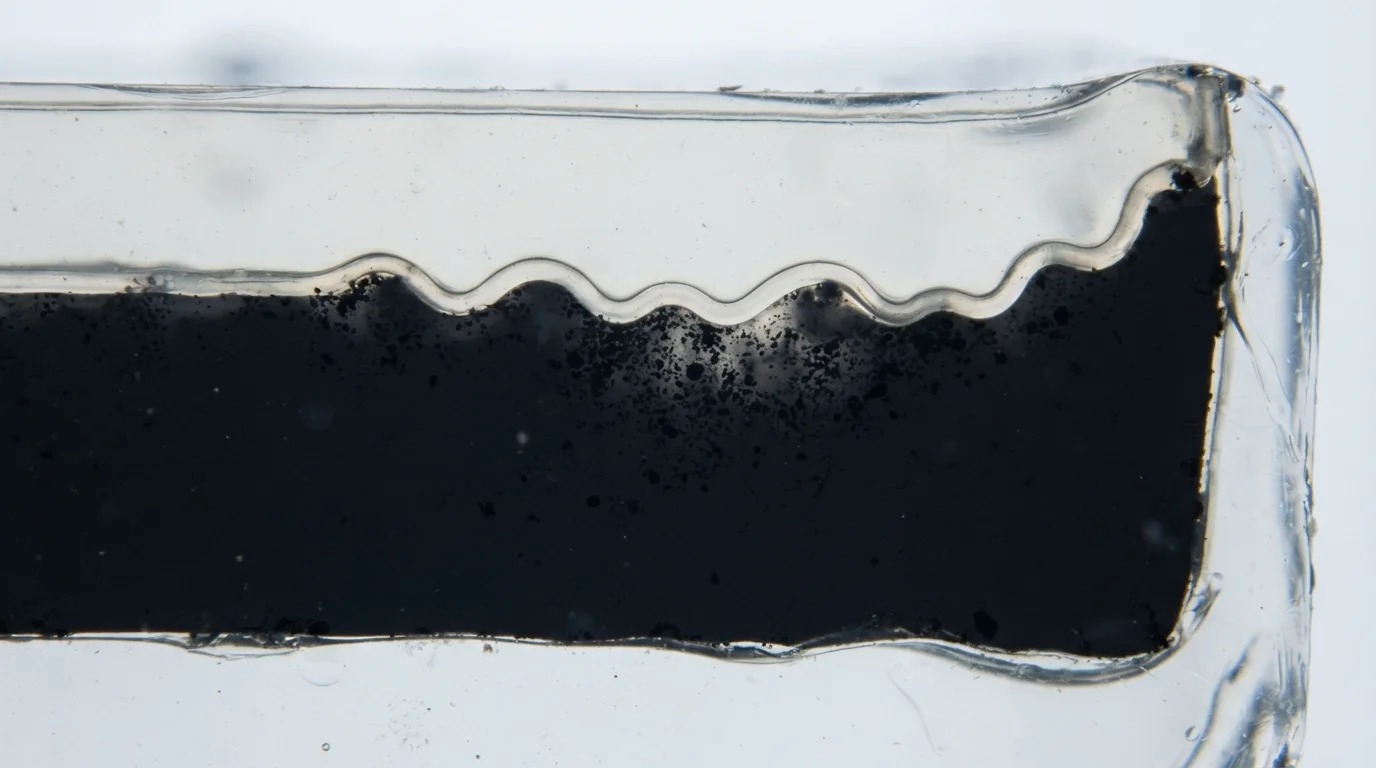
안정적인 샌드위치 층을 달성하려면 스킨과 코어 멜트 흐름 사이의 정밀한 점도 매칭 이 필요합니다. 20%를 초과하는 멜트 점도 차이는 코어 재료가 스킨을 뚫고 나와 스킨 브레이크스루. 를 유발합니다. 스킨 브레이크스루는 부품 표면에 내부 코어 재료를 노출시켜 외관 불량을 초래합니다. PC/ABS 또는 폴리프로필렌(PP) 과 같은 호환 가능한 열가소성 수지를 선택하면 층간 경계를 따라 강력한 화학적 융합이 보장됩니다. 적절한 온도 프로파일링은 유사한 유변학적 흐름 선단을 유지하여 코어가 외부 스킨 내에서 동심을 유지하도록 합니다.
| 외부 스킨 재질 | 캡슐화 코어 재질 | 점도 비율 목표 | 코어 부피 비율 (%) | 주요 기능적 이점 |
|---|---|---|---|---|
| 버진 PC/ABS (Bayblend) | 재활용 PC/ABS + 탄소 섬유 | 1.0 : 1.1 | 35% – 45% | 내장 EMI/RFI 차폐 및 낮은 수지 비용 |
| 버진 PP (SABIC PP 570P) | 소비 후 재활용 PP | 1.0 : 1.05 | 40% – 50% | 지속 가능한 구조 패널 및 팔레트 |
| 버진 ABS (Polylac PA-757) | 중충전 재분쇄 ABS | 1.0 : 1.15 | 30% – 40% | Thick appliance housings with high stiffness |
Cost-Effective Structural Panels & EMI Shielded Enclosures
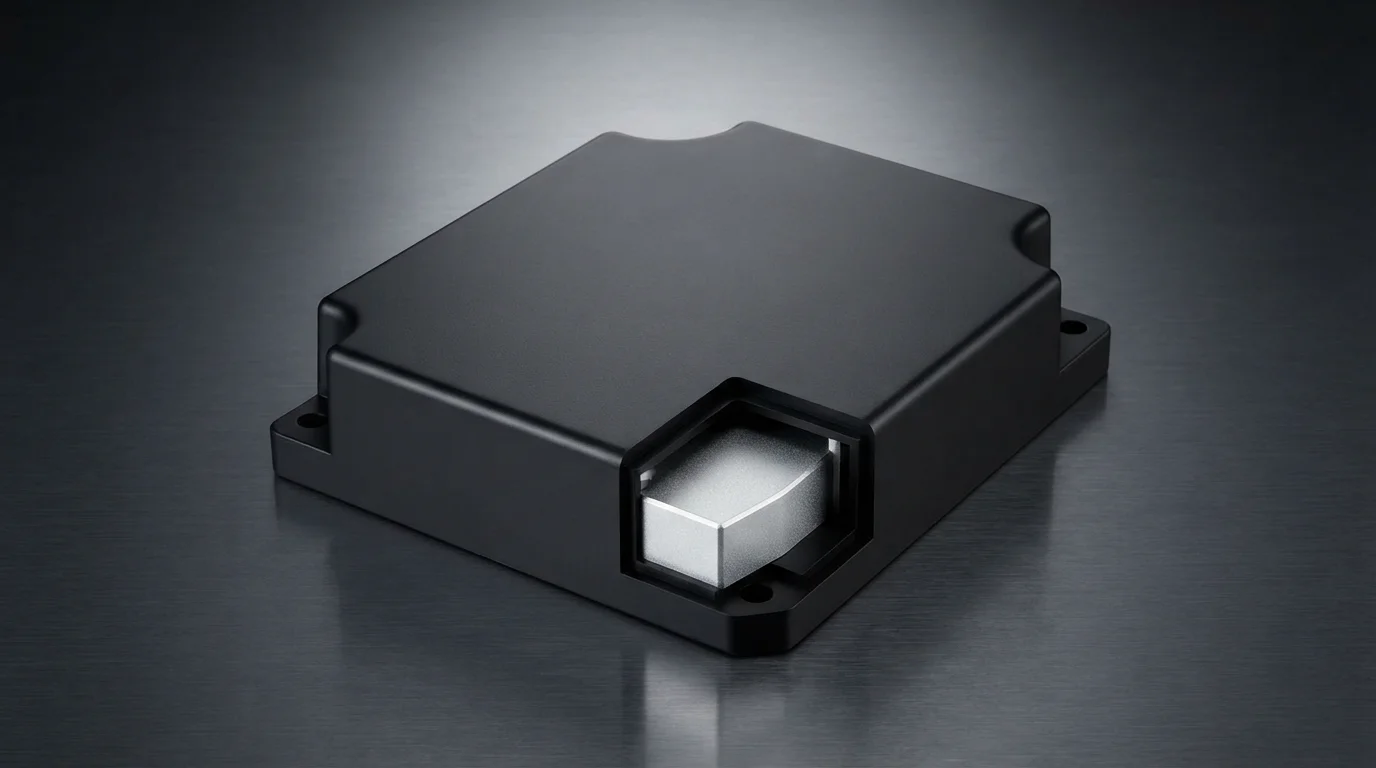
Co-injection processing enables unique functional material combinations impossible with single-shot molding. Electronic housings incorporate a carbon-filled conductive core inside a cosmetic PC/ABS outer skin, providing built-in EMI/RFI shielding without secondary conductive painting. Industrial transport pallets and structural panels encapsulate low-cost post-consumer recycled resin inside a weather-resistant virgin PP outer shell. Multi-layer encapsulation satisfies strict environmental sustainability criteria while lowering total part manufacturing expenses.
Key industry co-injection advantages include:
- Raw material cost reduction—Encapsulating up to 50% recycled or regrind core material reduces overall resin expenditure.
- Built-in conductive shielding—Enclosing conductive carbon black cores delivers internal EMI attenuation without secondary painting.
- Pristine surface appearance—Hiding discolored or heavily filled core resins behind a virgin skin maintains A-class cosmetic standards.
자주 묻는 질문 (FAQ)
What is the difference between co injection molding and two shot (2K) molding?
Co injection molding injects two different material streams simultaneously or sequentially through a single gate to form a multi-layer sandwich structure (skin and core). Two shot molding injects two materials into distinct sections of a part using a rotating mold platen.
How much recycled material can be encapsulated inside a co-injection core?
Core ratios typically account for 30% to 50% of total part weight depending on geometry and wall thickness. Maintaining a minimum outer skin thickness of 1.0 mm to 1.5 mm prevents core breakthrough and preserves surface strength.
How do you prevent core breakthrough in sandwich molding?
Preventing core breakthrough requires matching the melt viscosity of skin and core polymers within a 15% range. Controlling initial skin shot volume and injection speed ensures a uniform boundary layer before core resin enters.