
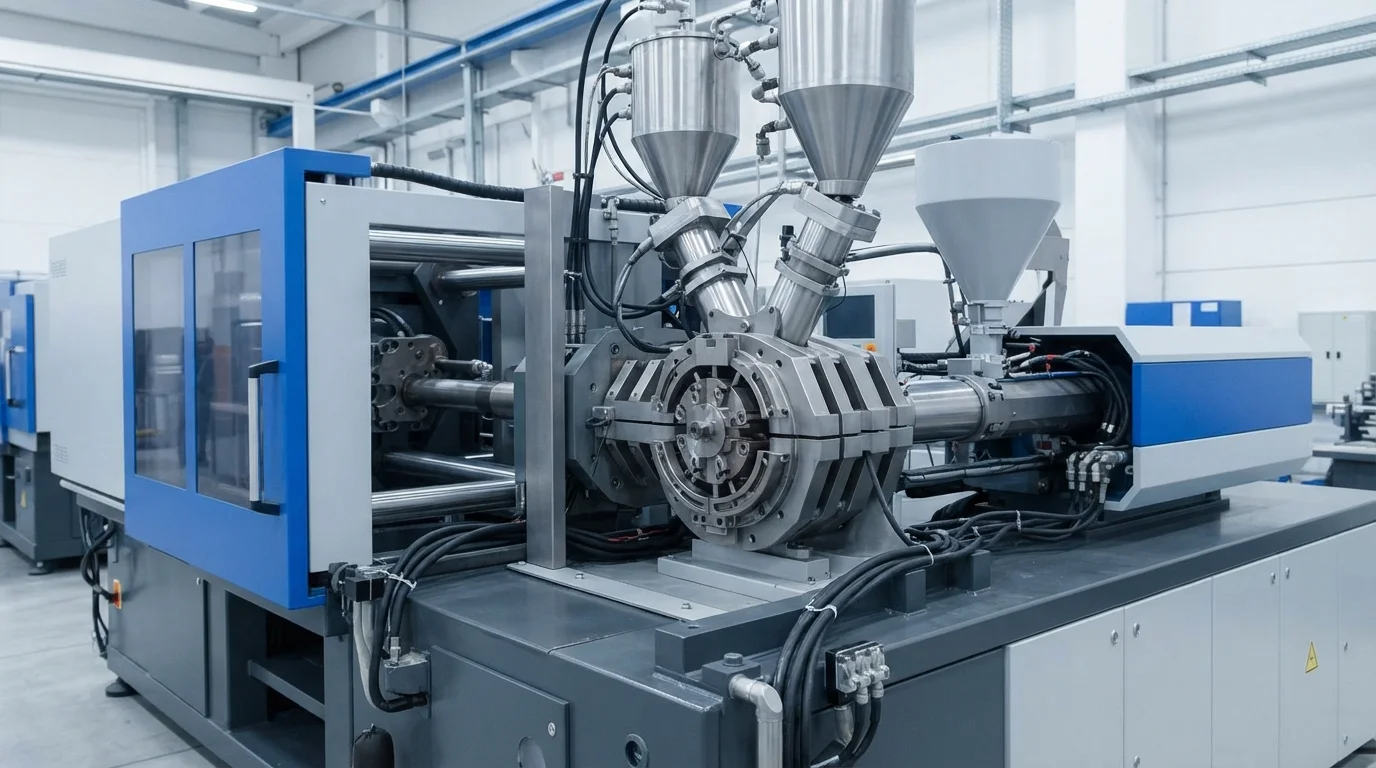
Die Herstellung kostengünstiger Strukturgehäuse und multifunktionaler Kunststoffteile erfordert ein Gleichgewicht zwischen makelloser Oberflächenästhetik und niedrigen Rohstoffkosten. Massive Einmaterialkomponenten aus neuem technischem Harz treiben die Produktionskosten in die Höhe, während die Verwendung von 100% recycelten Polymeren die Oberflächenoptik und Schlagfestigkeit beeinträchtigt. Die Spezifikation professioneller Co-Spritzguss löst diese widersprüchlichen Anforderungen, indem ein kostengünstiger oder recycelter Polymerkern in eine hochreine Neumaterial-Außenhaut eingekapselt wird. JUCHENG betreibt spezialisierte Mehrzylinder-Co-Spritzgießmaschinen und liefert mehrschichtige Strukturteile streng nach den technischen CAD-Zeichnungen des Kunden.
Inhaltsverzeichnis
Sandwich-Spritzguss: Neumaterial-Außenhaut mit recyceltem/Mahlgut-Kern
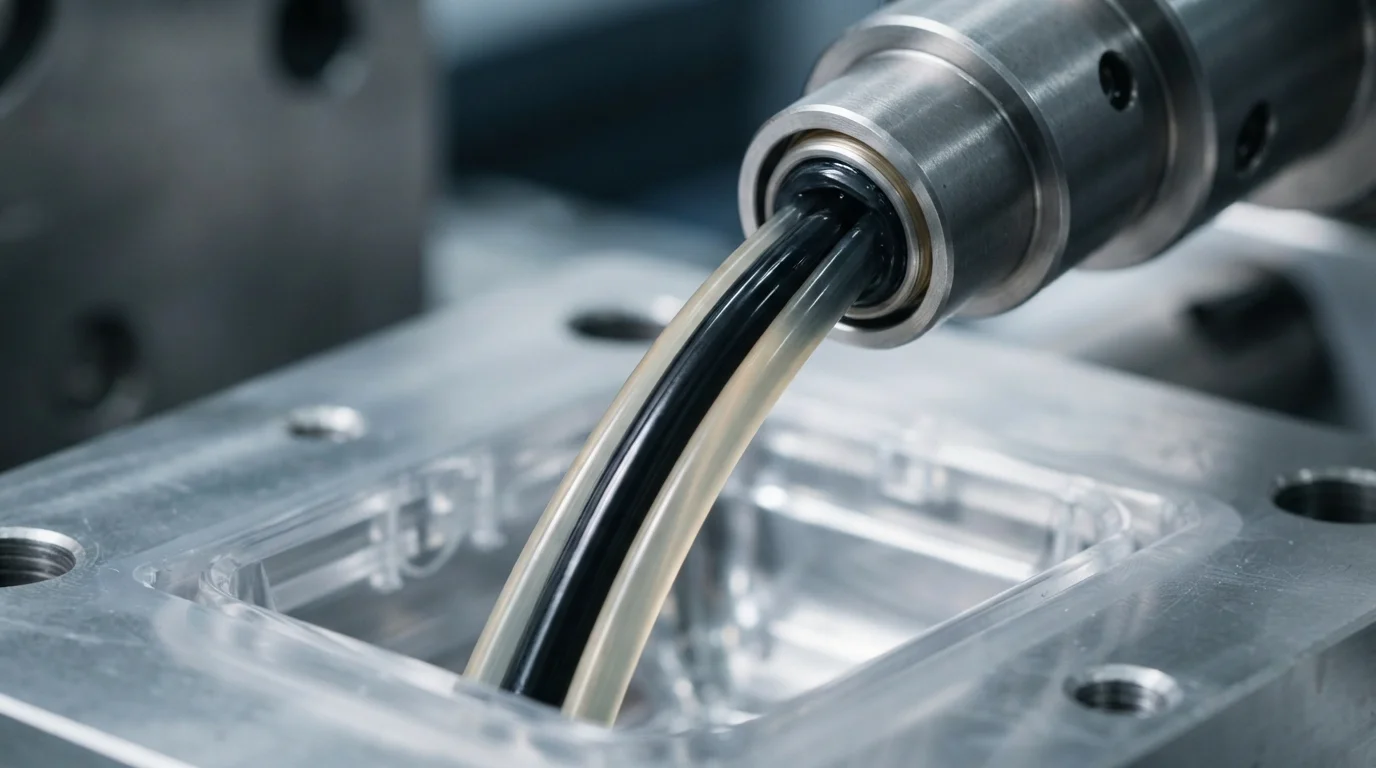
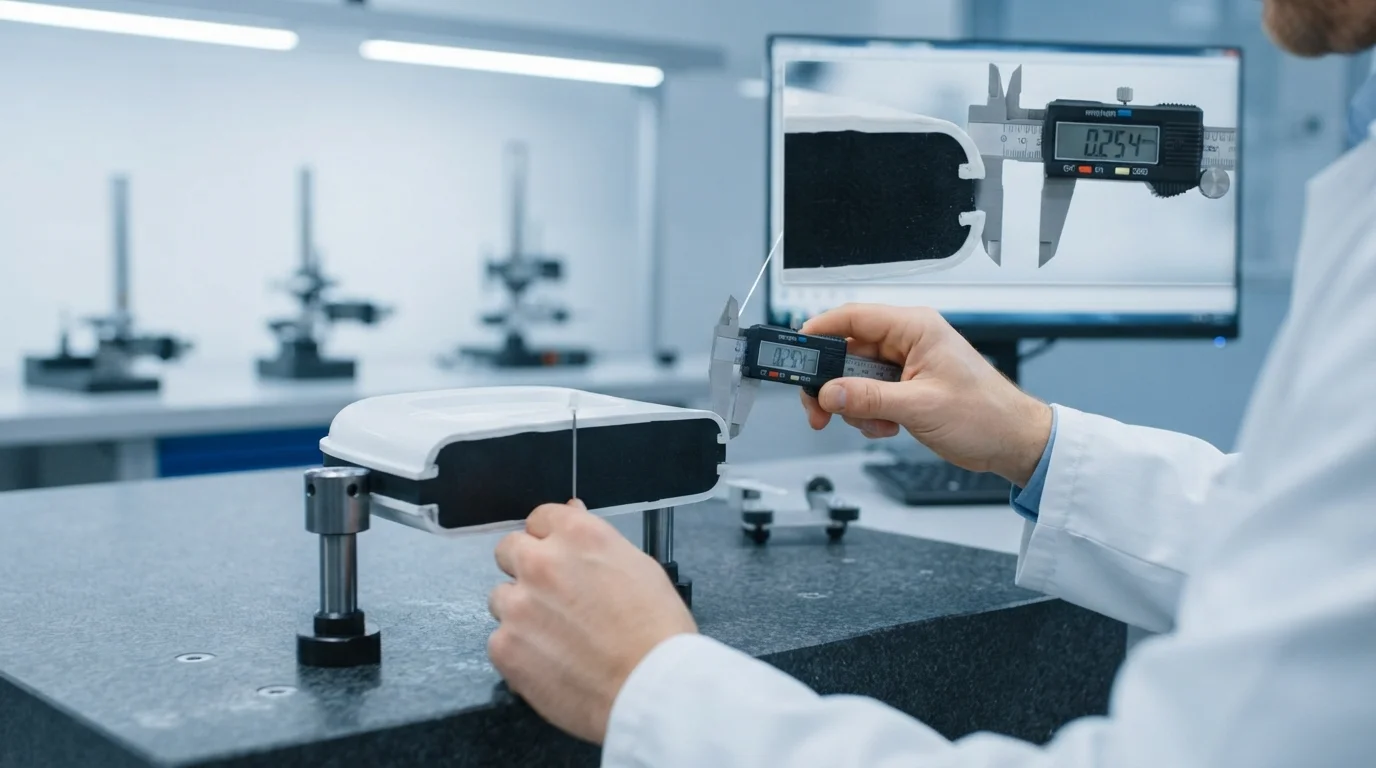
Die Ausführung der Mehrschichtverarbeitung nutzt Sandwich-Spritzguss Technologie durch spezielle Doppelkonzentrischdüsen oder sequentielle Verteilerventile. Die Erststufen-Einspritzung führt das Neumaterial-Hautharz ein und füllt die Kavitätswände, um eine makellose Außenfläche zu bilden. Die Zweitstufen-Einspritzung führt das Kernmaterial direkt in das warme Zentrum der Hautschmelze ein und dehnt den Kern von innen aus. Das Einschließen eines Mahlgutkerns oder recycelten Polymers in einer Neumaterialhaut senkt die Rohstoffkosten um bis zu 30% bis 50%, ohne die Oberflächenbeschaffenheit zu verändern. Die abschließende Haut-Spüleinspritzung versiegelt den Anguss mit Neumaterialharz und stellt sicher, dass kein recyceltes Material an den Außenflächen freiliegt.
Die Schritte der Co-Spritzguss-Sandwichsequenz umfassen:
- Neumaterial-Hautspritzung—Das Einspritzen von hochreinem Außenhautharz erzeugt eine makellose Oberflächenschicht an den kalten Formwänden.
- Kernschmelzeverdrängung—Das Einspritzen von Kernharz durch den zentralen Verteiler expandiert die Sandwichschicht gleichmäßig.
- Anguss-Hautspülung—Das Einspritzen eines kurzen Endschusses aus jungfräulichem Hautharz versiegelt den Anguss und verhindert die Freilegung des Kerns.
- Kavitätsdruck-Nachdruck—Das Halten des Nachdruckes gewährleistet eine gleichmäßige Dichte und verhindert die Bildung von Einfallstellen.
Material-Zwischenschichthaftung & Viskositätsabstimmung bei Doppelspritzguss
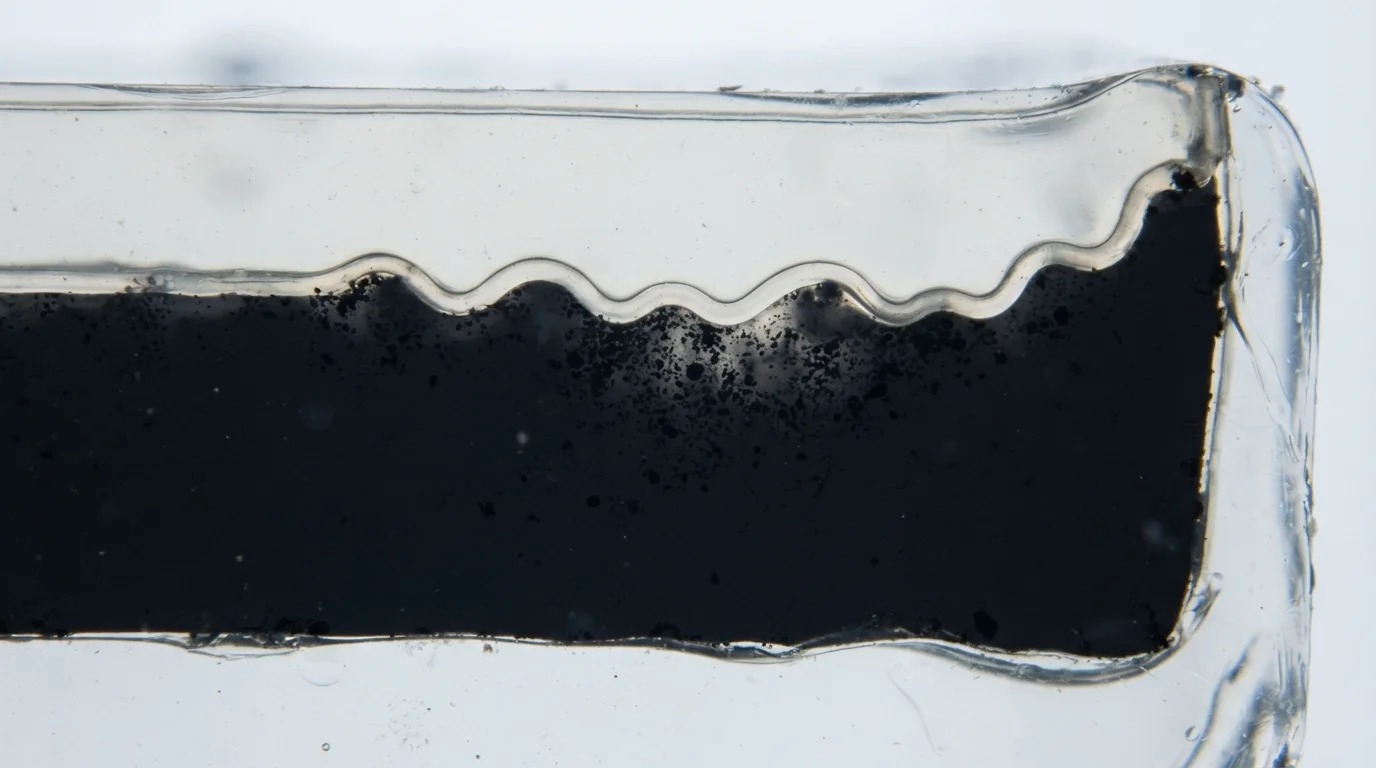
Um stabile Sandwichschichten zu erreichen, ist eine präzise Viskositätsabstimmung zwischen den Haut- und Kernschmelzeströmen erforderlich. Schmelzeviskositätsunterschiede über 20% führen dazu, dass das Kernmaterial die Haut durchbricht, was zu Hautdurchbruch. führt. Hautdurchbruch legt das innere Kernmaterial an Bauteiloberflächen frei und verursacht kosmetische Ablehnung. Die Auswahl kompatibler Thermoplaste wie PC/ABS oder Polypropylen (PP) gewährleistet eine starke chemische Verbindung entlang der Zwischenschichtgrenze. Eine ordnungsgemäße Temperaturprofilierung hält ähnliche rheologische Fließfronten aufrecht und hält den Kern konzentrisch innerhalb der äußeren Haut.
| Äußeres Hautmaterial | Eingekapseltes Kernmaterial | Zielviskosität-Verhältnis | Kernvolumenanteil (%) | Primärer funktionaler Nutzen |
|---|---|---|---|---|
| Neues PC/ABS (Bayblend) | Recyceltes PC/ABS + Kohlenstofffaser | 1.0 : 1.1 | 35% – 45% | Integrierte EMI/RFI-Abschirmung & geringere Harzkosten |
| Neues PP (SABIC PP 570P) | Post-Consumer-Recycling-PP | 1.0 : 1.05 | 40% – 50% | Nachhaltige Strukturplatten & Paletten |
| Neues ABS (Polylac PA-757) | Stark gefülltes Regrind-ABS | 1.0 : 1.15 | 30% – 40% | Dicke Gerätegehäuse mit hoher Steifigkeit |
Kostengünstige Strukturplatten & EMI-abgeschirmte Gehäuse
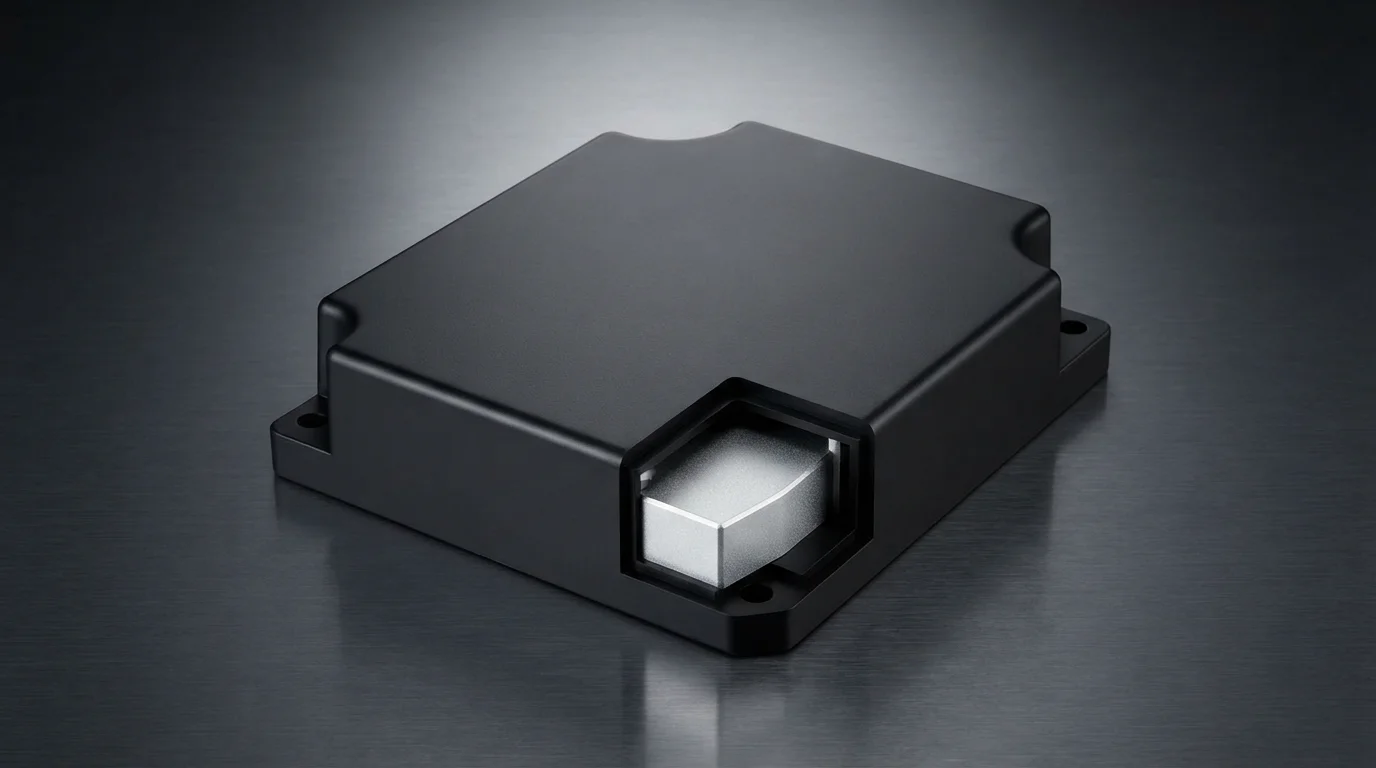
Co-Injektionsverarbeitung ermöglicht einzigartige funktionale Materialkombinationen, die mit Einzelkomponentenspritzguss unmöglich sind. Elektronikgehäuse enthalten einen kohlenstoffgefüllten leitfähigen Kern in einer kosmetischen PC/ABS-Außenhaut, die einen eingebauten EMI/RFI-Schutz ohne sekundäre leitfähige Lackierung bietet. Industrielle Transportpaletten und Strukturplatten kapseln kostengünstiges Post-Consumer-Recyclingharz in einer witterungsbeständigen Neumaterial-PP-Außenschale ein. Mehrschichtige Umhüllung erfüllt strenge ökologische Nachhaltigkeitskriterien und senkt gleichzeitig die Gesamtfertigungskosten des Bauteils.
Zu den wichtigsten Vorteilen der Co-Injektion in der Industrie gehören:
- Reduzierung der Rohstoffkosten—Die Umhüllung von bis zu 50% recyceltem oder Regrind-Kernmaterial reduziert die Gesamtausgaben für Harz.
- Integrierte leitfähige Abschirmung—Das Einschließen leitfähiger Carbon-Black-Kerne bietet eine interne EMI-Dämpfung ohne sekundäre Lackierung.
- Makellose Oberflächenoptik—Das Verbergen von verfärbten oder stark gefüllten Kernharzen hinter einer Neumaterialhaut gewährleistet A-Klasse-Kosmetikstandards.
Häufig gestellte Fragen (FAQs)
Was ist der Unterschied zwischen Co-Injektionsspritzguss und Zwei-Komponenten-Spritzguss (2K)?
Beim Co-Injektionsspritzguss werden zwei verschiedene Materialströme gleichzeitig oder nacheinander durch einen einzigen Anguss eingespritzt, um eine mehrschichtige Sandwichstruktur (Haut und Kern) zu bilden. Beim Zwei-Komponenten-Spritzguss werden zwei Materialien in verschiedene Bereiche eines Bauteils eingespritzt, wobei eine rotierende Formplatte verwendet wird.
Wie viel recyceltes Material kann in einem Co-Injektionskern eingekapselt werden?
Kernverhältnisse machen typischerweise 30 % bis 50 % des Gesamtteilgewichts aus, abhängig von Geometrie und Wanddicke. Die Einhaltung einer minimalen Außenhautdicke von 1,0 mm bis 1,5 mm verhindert Kerndurchbruch und erhält die Oberflächenfestigkeit.
Wie verhindert man Kerndurchbruch beim Sandwich-Spritzgießen?
Zur Verhinderung von Kerndurchbruch muss die Schmelzeviskosität von Haut- und Kernpolymeren innerhalb eines Bereichs von 15 % übereinstimmen. Die Steuerung des anfänglichen Hautschussvolumens und der Einspritzgeschwindigkeit gewährleistet eine gleichmäßige Grenzschicht, bevor das Kernharz eintritt.