
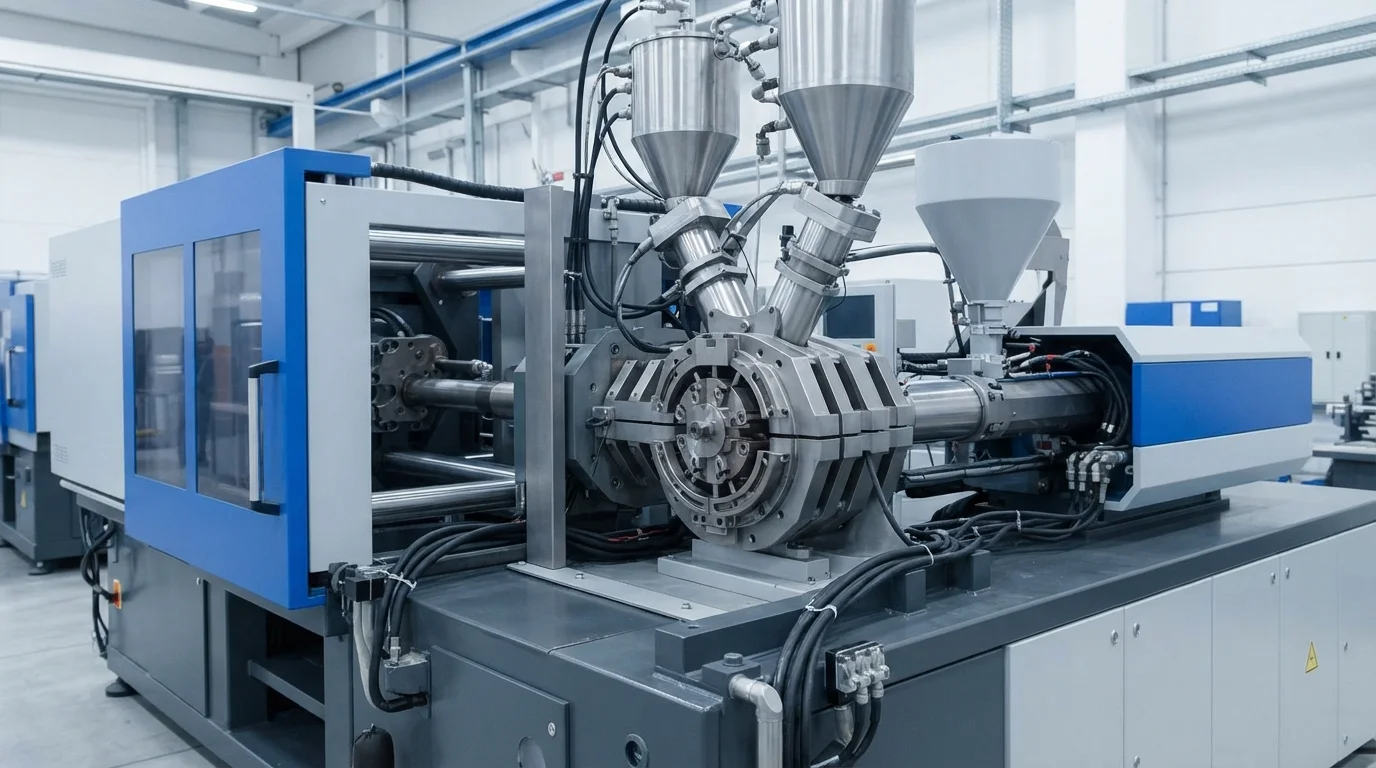
Manufacturing cost-effective structural enclosures and multi-functional plastic hardware requires balancing pristine surface aesthetics with low raw material expenses. Solid single-material components using virgin engineering resins drive up production costs, whereas using 100% recycled polymers compromises surface cosmetics and impact strength. Specifying professional co injection molding resolves these conflicting requirements by encapsulating a low-cost or recycled polymer core inside a high-purity virgin outer skin. JUCHENG operates specialized multi-barrel co-injection machinery, delivering multi-layer structural parts strictly according to customer technical CAD drawings.
目次
Sandwich Molding: Virgin Outer Skin with Recycled/Regrind Core
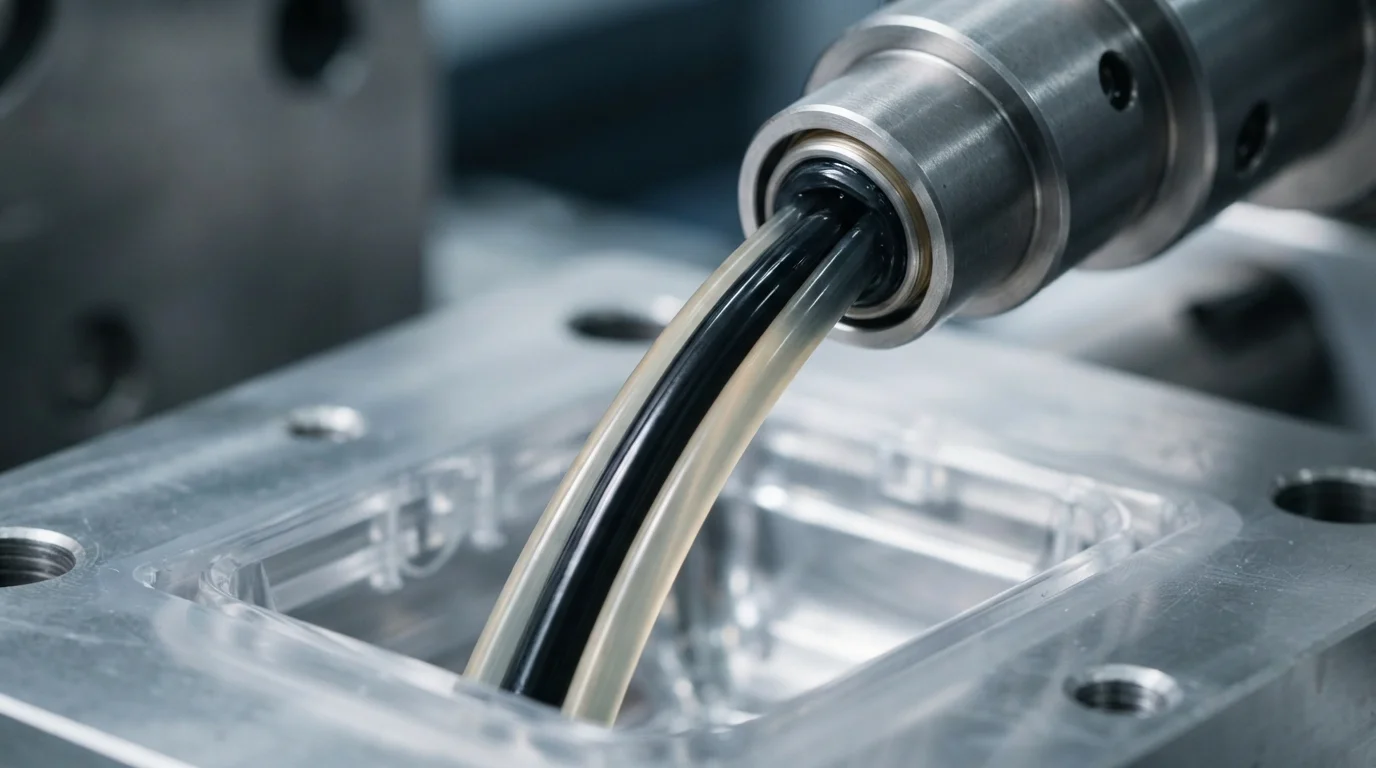
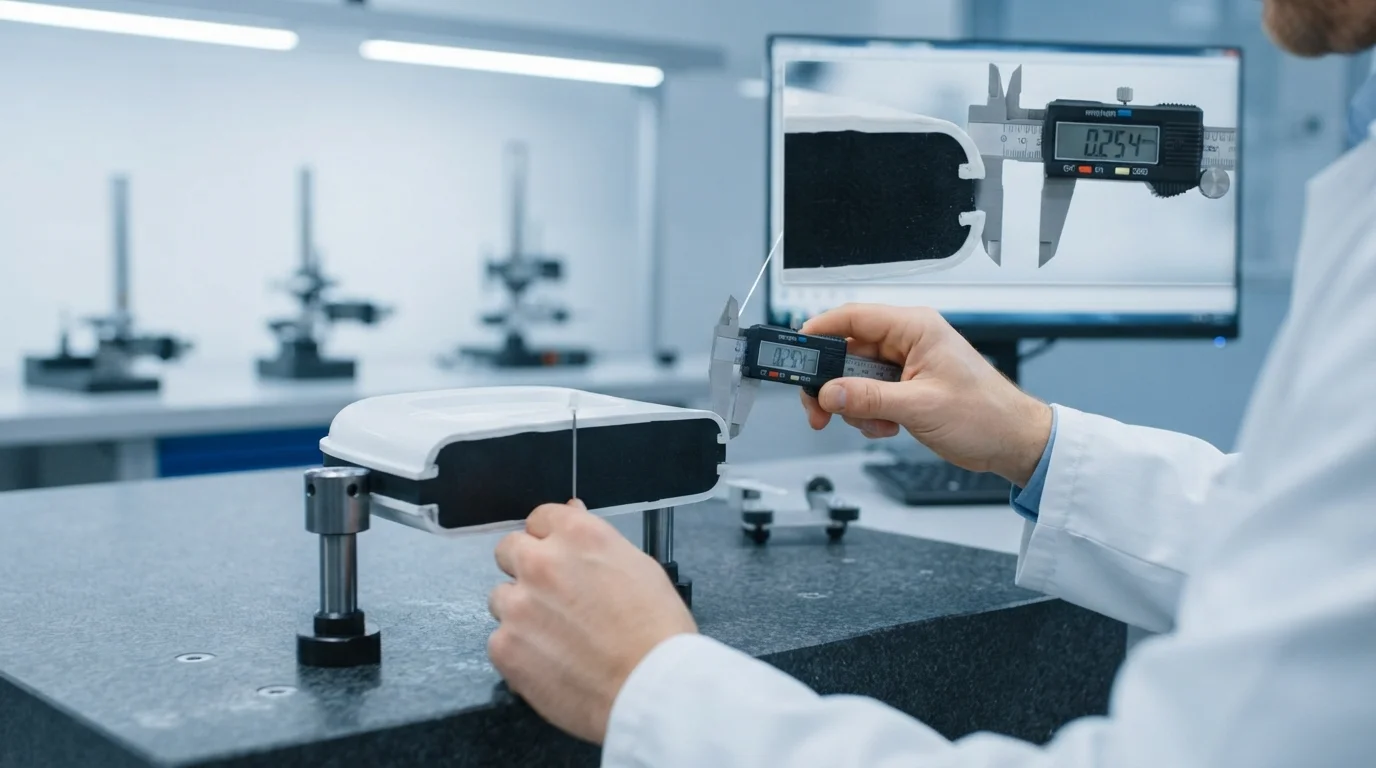
Executing multi-layer processing utilizes sandwich molding technology through specialized dual-concentric nozzles or sequential manifold valves. First-stage injection introduces the virgin skin resin, filling the cavity walls to form a pristine outer surface. Second-stage injection introduces the core material directly into the warm center of the skin melt, expanding the core from within. Enclosing a regrind core or recycled polymer inside a virgin skin cuts raw material costs by up to 30% to 50% without altering surface finish. Final skin-purge injection seals the sprue gate with virgin resin, ensuring zero recycled material remains exposed on external surfaces.
Co-injection sandwich sequence steps include:
- Virgin skin injection—高純度スキン樹脂を射出することで、冷たい金型壁面に対して欠陥のない表面層を形成します。.
- コアメルト置換—センターマニホールドからコア樹脂を射出することで、サンドイッチ層を均一に拡張します。.
- ゲートスキンパージ—バージンスキン樹脂の短い最終ショットを射出してゲートを封止し、コアの露出を防ぎます。.
- キャビティ圧力パッキング—パッキング圧力を保持することで、均一な密度を確保し、ヒケの形成を防ぎます。.
二重射出における材料層間接着と粘度マッチング
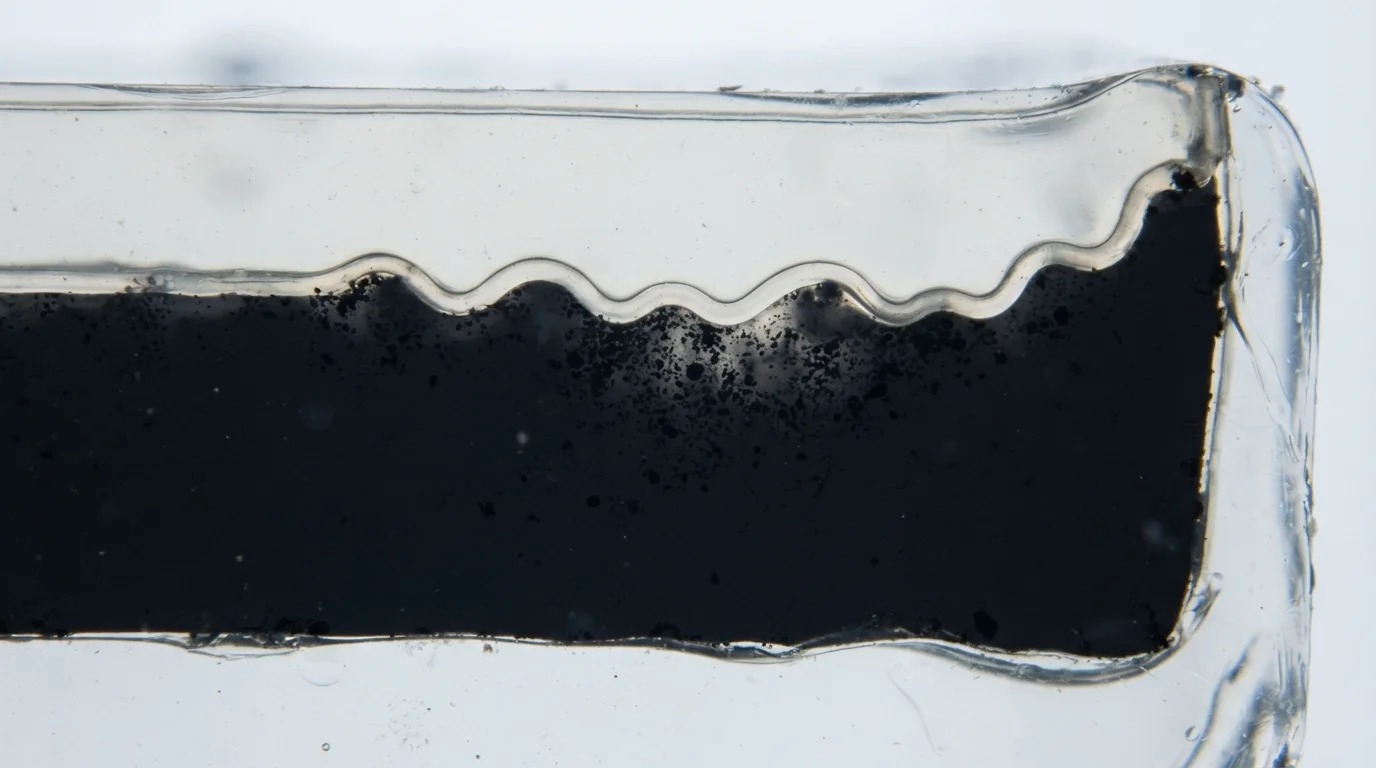
安定したサンドイッチ層を実現するには、スキンとコアのメルトストリーム間の正確な 粘度マッチング が必要です。メルト粘度差が20%を超えると、コア材料がスキンを突破し、 スキンブレークスルー. が発生します。スキンブレークスルーは、部品表面に内部コア材料を露出させ、外観不良を引き起こします。 PC/ABS または ポリプロピレン(PP) のような互換性のある熱可塑性プラスチックを選択することで、層間境界に沿った強力な化学融合が保証されます。適切な温度プロファイリングにより、同様のレオロジー流動フロントが維持され、コアが外側スキン内で同心円状に保たれます。.
| 外側スキン材料 | 封入コア材料 | 粘度比目標 | コア体積割合 (%) | 主な機能的利点 |
|---|---|---|---|---|
| バージンPC/ABS (ベイブレンド) | リサイクルPC/ABS + カーボンファイバー | 1.0 : 1.1 | 35% – 45% | 内蔵EMI/RFIシールド & 樹脂コスト低減 |
| バージンPP (SABIC PP 570P) | ポストコンシューマーリサイクルPP | 1.0 : 1.05 | 40% – 50% | 持続可能な構造パネル & パレット |
| バージンABS (ポリラック PA-757) | 高充填リグラインドABS | 1.0 : 1.15 | 30% – 40% | 高剛性の厚肉家電ハウジング |
Cost-Effective Structural Panels & EMI Shielded Enclosures
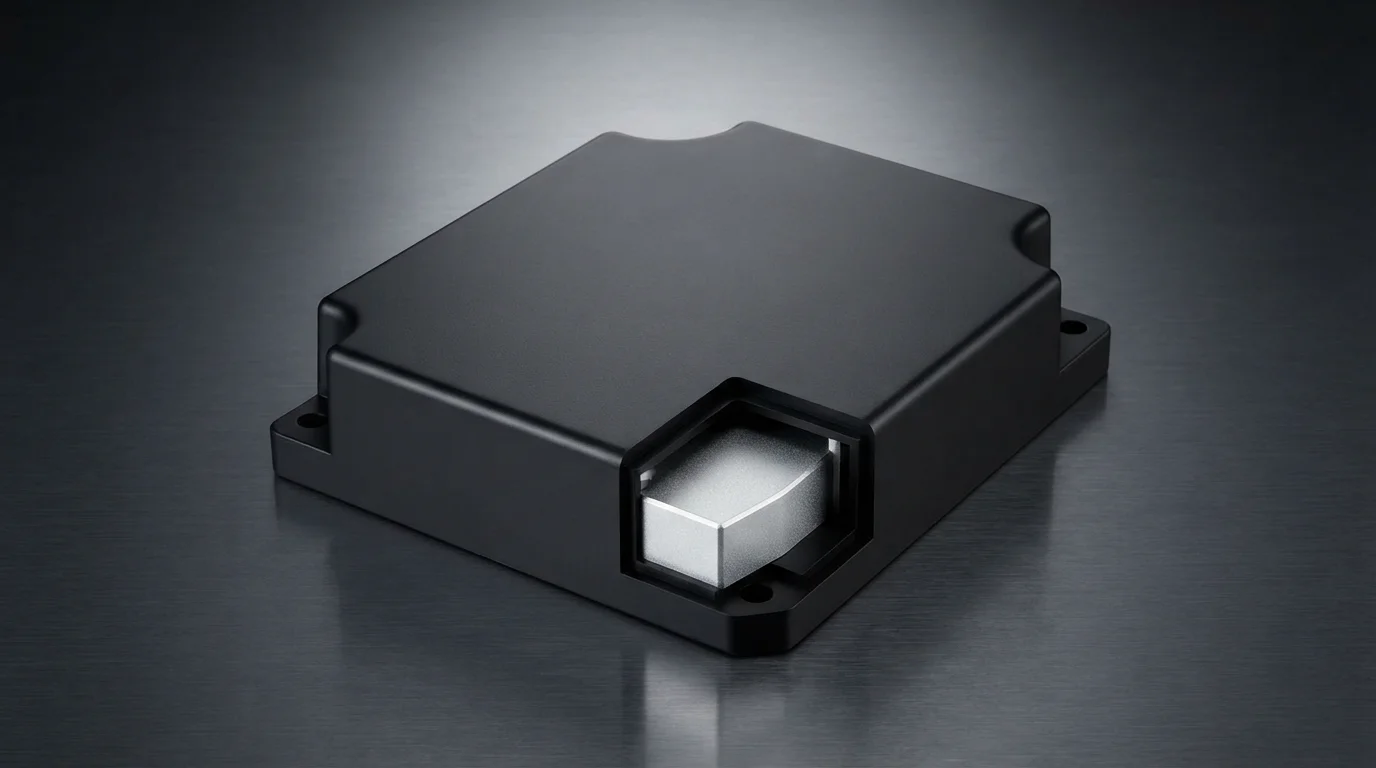
Co-injection processing enables unique functional material combinations impossible with single-shot molding. Electronic housings incorporate a carbon-filled conductive core inside a cosmetic PC/ABS outer skin, providing built-in EMI/RFI shielding without secondary conductive painting. Industrial transport pallets and structural panels encapsulate low-cost post-consumer recycled resin inside a weather-resistant virgin PP outer shell. Multi-layer encapsulation satisfies strict environmental sustainability criteria while lowering total part manufacturing expenses.
Key industry co-injection advantages include:
- Raw material cost reduction—Encapsulating up to 50% recycled or regrind core material reduces overall resin expenditure.
- Built-in conductive shielding—Enclosing conductive carbon black cores delivers internal EMI attenuation without secondary painting.
- Pristine surface appearance—Hiding discolored or heavily filled core resins behind a virgin skin maintains A-class cosmetic standards.
よくある質問 (FAQ)
What is the difference between co injection molding and two shot (2K) molding?
Co injection molding injects two different material streams simultaneously or sequentially through a single gate to form a multi-layer sandwich structure (skin and core). Two shot molding injects two materials into distinct sections of a part using a rotating mold platen.
How much recycled material can be encapsulated inside a co-injection core?
コア比率は、形状や壁厚にもよりますが、通常、総部品重量の30%から50%を占めます。最小外皮厚さを1.0mmから1.5mmに保つことで、コアの突き破りを防ぎ、表面強度を維持します。.
サンドイッチ成形におけるコアの突き破りをどのように防ぎますか?
コアの突き破りを防ぐには、スキンとコアのポリマーの溶融粘度を15%の範囲内で一致させる必要があります。初期スキン射出量と射出速度を制御することで、コア樹脂が入る前に均一な境界層を確保します。.