
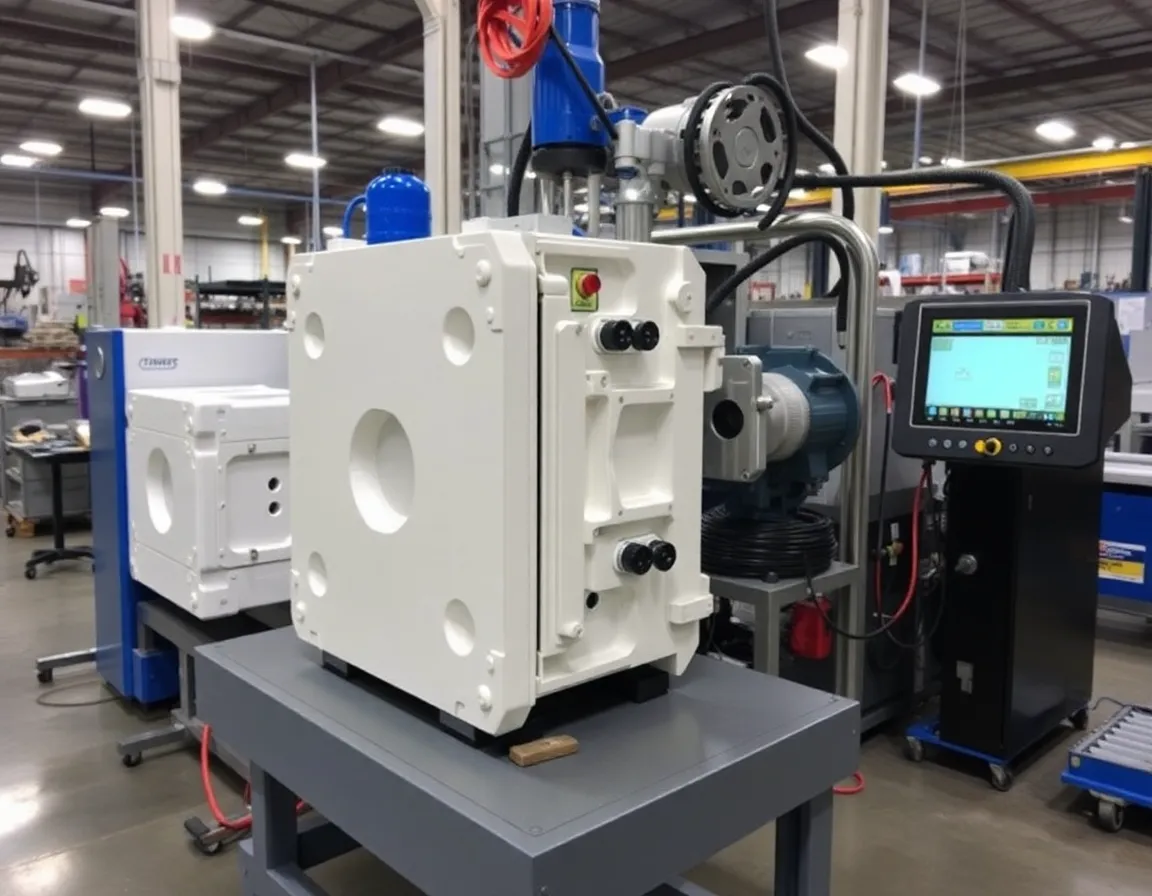
Understanding Turnkey Injection Molding and Assembly
In the modern manufacturing landscape, efficiency is not merely a goal—it is the currency of survival. Companies are constantly seeking ways to compress lead times, reduce capital expenditures, and eliminate the friction that occurs when products move between multiple vendors. This is where turnkey injection molding and assembly emerges as a transformative solution. Unlike traditional manufacturing models where a company must source a molder, a finisher, and an assembler separately, a turnkey provider manages the entire process under one roof, from raw material to fully packaged, ready-to-ship product.
At its core, turnkey manufacturing represents a shift in responsibility. The client provides a design specification or a CAD file, and the supplier takes ownership of the entire production cycle. This includes mold design and fabrication, material selection, injection molding, secondary operations such as ultrasonic welding or pad printing, and final assembly of multi-component parts. The result is a single point of accountability, which dramatically simplifies project management for original equipment manufacturers (OEMs) and startups alike.
The philosophy behind this approach is rooted in the concept of vertical integration. When molding and assembly are separated, parts must be packed, shipped to a different facility, unpacked, and then processed. Each step introduces risk: damage during transit, misalignment of tolerances, and communication delays. A turnkey operation eliminates these handoffs. The molded part moves directly from the injection press to the assembly line via conveyor or robotic transfer, maintaining environmental control and reducing the chance of contamination or physical damage.
The Anatomy of a Turnkey Facility
A true turnkey facility is not just a factory with extra tables for screwing parts together. It is a meticulously designed ecosystem. The layout is engineered for flow optimization, with injection molding machines positioned in cells adjacent to automated assembly stations. In-line quality inspection using vision systems is integrated directly into the process, rather than being a separate, post-production step. This allows for real-time feedback and adjustments, ensuring that defects are caught at the source rather than at final inspection.
Furthermore, these facilities typically house advanced cleanrooms for medical or electronic components, as well as specialized equipment for processes like overmolding, insert molding, and two-shot molding. The assembly side is equally sophisticated, offering everything from manual workstations for complex, low-volume products to fully automated robotic assembly lines for high-volume consumer goods. This diversity allows the turnkey provider to scale production up or down based on demand without the client having to manage multiple contracts.
The Strategic Advantages of a Single-Source Partnership
The benefits of adopting a turnkey molding and assembly strategy extend far beyond simple convenience. They touch on the financial, operational, and strategic pillars of a business. Below, we dissect the critical advantages that make this model so compelling.
Reduced Total Cost of Ownership
While the per-unit price from a turnkey supplier might sometimes appear higher than a specialized molder’s quote, the total cost of ownership is invariably lower. Consider the hidden costs of the traditional model: freight between facilities, customs brokerage if the assembler is overseas, inventory buffer stock required to cover transit time, and the administrative overhead of managing multiple purchase orders and supplier relationships. A turnkey provider consolidates all these costs into a single invoice. Moreover, because the supplier is responsible for the final assembled product, they are incentivized to reduce waste and optimize material usage, knowing that any inefficiency directly impacts their own profit margin.
Accelerated Time-to-Market
In industries like consumer electronics or medical devices, being first to market can determine a product’s entire commercial viability. Turnkey manufacturing compresses the schedule significantly. By co-locating mold making, production, and assembly, the supplier can begin assembly line setup and testing while the molds are still being machined. This parallel processing is impossible when working with separate vendors. Furthermore, design changes are implemented faster. Instead of a change order bouncing between a molder and an assembler, a single engineering team assesses the impact on the whole system, implements the change, and validates it in a fraction of the time.
Unified Quality Assurance and Traceability
When a defect is found in a fully assembled product, tracing the root cause can be a nightmare if parts came from different sources. Was it the plastic resin that was contaminated at the molder? Was it the torque applied at the assembler? With turnkey production, the provider has complete visibility over the entire genealogy of the product. They can trace a specific unit back to the exact molding machine, the exact cavity of the mold, the specific batch of resin, and the specific assembly station and operator. This unified traceability is not just a convenience; it is a regulatory requirement in sectors like aerospace and medical devices. It ensures that if a recall is necessary, it is precise and limited, protecting both the brand’s reputation and the end user’s safety.
Streamlined Supply Chain and Logistics
Managing a global supply chain is fraught with volatility—port strikes, raw material shortages, and geopolitical instability. By consolidating molding and assembly, a company reduces its supplier count and simplifies its inbound logistics. The turnkey provider takes on the burden of sourcing the plastic pellets, the metal inserts, the electronic components, and the packaging materials. They manage the sub-tier supplier risks. For the client, this means fewer disruption points and a more resilient supply chain. The client receives a single, predictable shipment of finished goods, ready for distribution, rather than juggling multiple inbound deliveries that must be coordinated precisely to avoid production stoppages.
How the Turnkey Process Works: From Concept to Crate
Understanding the operational mechanics of a turnkey project is essential for any procurement manager or engineer looking to engage such a partner. The process is highly structured and typically follows a phased approach, ensuring that all engineering, quality, and commercial requirements are aligned before mass production begins.
Phase 1: Design for Manufacturability (DFM) and Quote
The journey begins with an engineering review. The turnkey provider’s team analyzes the client’s CAD files, not just for moldability, but for assemble-ability. They look for features that might be difficult to grip by a robot, or geometries that require excessive manual labor to fit. They provide a comprehensive DFM report, suggesting changes that will reduce cycle time, simplify assembly, and lower costs. This collaborative phase is critical, as it establishes the technical foundation and provides an accurate, all-inclusive quote that covers tooling, piece price, and assembly labor. The quote is not a guess; it is a detailed breakdown of how the product will be made.
Phase 2: Tooling and Automation Development
Once the contract is signed, the provider begins the simultaneous engineering of the mold and the assembly system. For high-volume projects, this involves designing custom automation—such as bowl feeders for screws, vision-guided robots for part placement, and automated testing rigs. The mold design incorporates features for hot runners, efficient cooling channels, and ejection systems that will present the part in the correct orientation for the next step. This phase is where the provider’s experience is most valuable, as they must ensure the mold’s cycle time is synchronized with the assembly line’s takt time to avoid bottlenecks. A mismatch here would negate all the benefits of the turnkey model.
Phase 3: Pilot Run and Process Validation
Before full-scale production, the provider runs a pilot batch. This is not merely a test of the mold, but a full simulation of the entire production line. They run the molding machines, transfer the parts to assembly, complete the assembly process, and perform final functional testing. This stage is used to validate the process capability (Cpk values) and to fine-tune robotic parameters. In regulated industries, this phase generates the validation documentation (IQ, OQ, PQ) required for regulatory submission. The client’s engineers are invited to witness these trials, providing a final sign-off before the production ramp-up.
Phase 4: Ramp-Up and Continuous Production
With validation complete, the provider ramps up to full volume. The key advantage here is the ability to adjust production rates dynamically. If a client’s sales forecast dips, the provider can slow the line. If demand spikes, they can run additional shifts without needing to coordinate with a secondary facility. Daily production reports are shared via a secure portal, giving the client real-time visibility into output, yield, and quality metrics. This transparency builds trust and allows for data-driven decisions regarding inventory levels and replenishment schedules.
Key Applications and Industries Benefiting from Turnkey Solutions
While any product with multiple components can benefit from turnkey manufacturing, certain industries have adopted this model more aggressively due to their stringent requirements for precision, cleanliness, and speed.
- Medical Devices: From insulin pens to surgical staplers, these devices require sterile assembly and absolute precision. Turnkey facilities offer ISO 13485 certified cleanrooms and full traceability, making them the preferred choice for Class II and Class III devices.
- Automotive Electronics: Sensors, connectors, and control modules require insert molding of metal contacts followed by precise assembly. The high volume and tight tolerances make automated turnkey lines economically essential.
- 民生用電子機器&ウェアラブル: Products like smartwatches and earbuds involve delicate components, overmolded soft-touch surfaces, and micro-assembly. Turnkey providers excel at handling these fragile parts without damage, using specialized handling systems.
- 航空宇宙&防衛: Though lower volume, these parts demand exotic materials and rigorous documentation. A turnkey partner handles the complex material certifications and provides the meticulous assembly records required for flight safety.
- Industrial Tools & Power Equipment: Products like drills and lawn equipment require robust assembly of gears, motors, and housings. Turnkey molding allows for multi-material grips and seals to be molded directly onto the housing, reducing assembly steps and improving durability.
Best Practices for Selecting and Managing a Turnkey Partner
Engaging a turnkey partner is a strategic decision that requires due diligence. Not all providers are created equal, and the cost of a poor choice is high. The following best practices will help ensure a successful partnership.
Audit the Engineering Depth, Not Just the Sales Pitch
When visiting a potential partner, do not just look at the number of injection molding machines. Look at the engineering staff. Ask to see their simulation software for mold flow analysis and their failure mode and effects analysis (FMEA) documentation. A provider that cannot demonstrate proactive engineering is likely just a broker of services, not a true turnkey manufacturer. Ensure they have in-house mold makers who can repair tools quickly, rather than sending them to an external shop, which causes delays.
Define Clear Specifications and Exit Criteria
Ambiguity is the enemy of turnkey success. Before production begins, define every specification in writing, from the gloss level of the plastic to the torque required for a screw. More importantly, define the exit criteria for each phase. What constitutes a successful pilot run? What is the acceptable defect rate (PPM) for the assembly line? Having these numbers locked in prevents disputes later. Your contract should include penalties for missed milestones and clear Service Level Agreements (SLAs) for production uptime and quality.
Prioritize Communication and Cultural Fit
Because the turnkey partner has immense control over your product’s destiny, you must have a high level of trust. This requires open communication channels and regular business reviews. Look for a partner who is transparent about challenges, rather than one who hides issues until they become crises. A weekly conference call to review production metrics is a minimum requirement. Furthermore, consider the geographic proximity. While overseas turnkey providers offer cost advantages, a partner in a similar time zone or with a local support office can be invaluable when urgent issues arise on the factory floor.
Start Small, Scale Strategically
If you are new to turnkey manufacturing, do not transfer your entire product portfolio to a single provider on day one. Instead, select one critical, medium-complexity product as a test case. This allows you to evaluate the partner’s performance, communication, and quality systems without putting all your eggs in one basket. Once they have proven their capability on this initial project, you can confidently expand the partnership to include more complex, higher-volume products. This phased approach mitigates risk and builds a solid foundation for a long-term, mutually beneficial relationship.
The Future of Turnkey Manufacturing: Industry 4.0 and Beyond
As we look ahead, the turnkey model is evolving with the advent of the Industrial Internet of Things (IIoT) and digital twin technology. Modern turnkey facilities are becoming "lights-out" operations, where machines communicate with each other via M2M (machine-to-machine) protocols. The molding machine automatically signals the assembly robot about a slight variation in part dimensions, and the robot adjusts its gripper pressure accordingly. This level of adaptive control is the next frontier of quality.
Furthermore, the rise of on-demand manufacturing is pushing turnkey providers to become more agile. Instead of requiring large minimum order quantities, they are leveraging data analytics to forecast demand and run smaller, more frequent batches. This reduces the client’s inventory carrying costs and allows for more frequent design refreshes. In conclusion, turnkey injection molding and assembly is not just a service; it is a strategic partnership that leverages engineering synergy, operational efficiency, and technological innovation to deliver a superior product, faster and more cost-effectively than fragmented manufacturing ever could.