
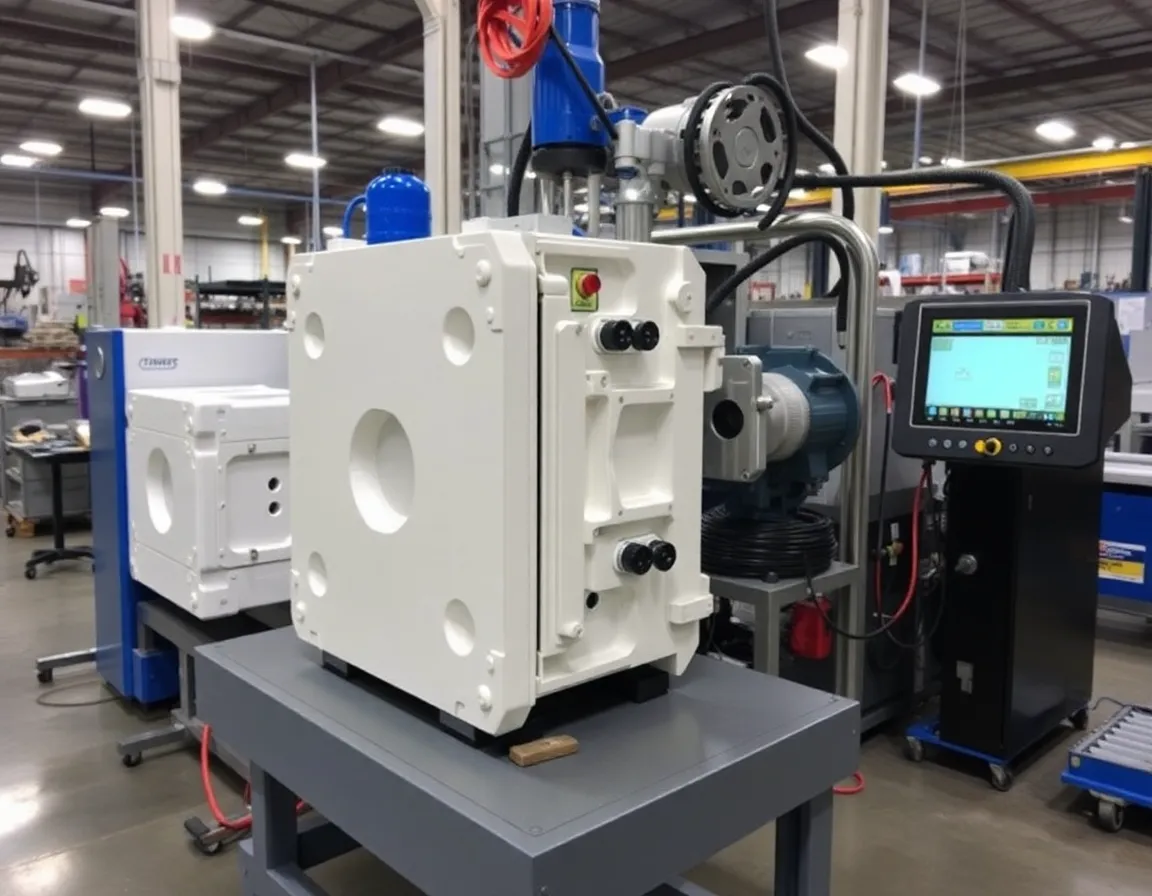
Entendendo a Moldagem por Injeção e Montagem Turnkey
No cenário moderno da manufatura, a eficiência não é apenas uma meta — é a moeda da sobrevivência. As empresas buscam constantemente maneiras de comprimir prazos de entrega, reduzir despesas de capital e eliminar o atrito que ocorre quando os produtos transitam entre vários fornecedores. É aqui que moldagem por injeção e montagem turnkey surge como uma solução transformadora. Ao contrário dos modelos tradicionais de manufatura, em que uma empresa precisa contratar separadamente um moldador, um acabador e um montador, um fornecedor turnkey gerencia todo o processo sob um mesmo teto, da matéria-prima ao produto totalmente embalado e pronto para envio.
Em sua essência, a manufatura turnkey representa uma mudança de responsabilidade. O cliente fornece uma especificação de design ou um arquivo CAD, e o fornecedor assume a propriedade de todo o ciclo de produção. Isso inclui projeto e fabricação de moldes, seleção de materiais, moldagem por injeção, operações secundárias como soldagem ultrassônica ou impressão por transferência, e montagem final de peças multicomponentes. O resultado é um ponto único de responsabilidade, que simplifica drasticamente o gerenciamento de projetos tanto para fabricantes de equipamentos originais (OEMs) quanto para startups.
A filosofia por trás dessa abordagem está enraizada no conceito de integração vertical. Quando a moldagem e a montagem são separadas, as peças precisam ser embaladas, enviadas para uma instalação diferente, desembaladas e então processadas. Cada etapa introduz riscos: danos durante o transporte, desalinhamento de tolerâncias e atrasos de comunicação. Uma operação turnkey elimina essas transferências. A peça moldada passa diretamente da injetora para a linha de montagem por meio de transportador ou transferência robótica, mantendo o controle ambiental e reduzindo a chance de contaminação ou dano físico.
A Anatomia de uma Instalação Turnkey
Uma verdadeira instalação turnkey não é apenas uma fábrica com mesas extras para aparafusar peças. É um ecossistema meticulosamente projetado. O layout é projetado para otimização de fluxo, com máquinas de moldagem por injeção posicionadas em células adjacentes a estações de montagem automatizadas. A inspeção de qualidade em linha usando sistemas de visão é integrada diretamente ao processo, em vez de ser uma etapa separada de pós-produção. Isso permite feedback e ajustes em tempo real, garantindo que os defeitos sejam detectados na origem, e não na inspeção final.
Além disso, essas instalações normalmente abrigam salas limpas avançadas para componentes médicos ou eletrônicos, bem como equipamentos especializados para processos como overmolding, insert molding e two-shot molding. O lado da montagem é igualmente sofisticado, oferecendo desde estações de trabalho manuais para produtos complexos e de baixo volume até linhas de montagem robóticas totalmente automatizadas para bens de consumo de alto volume. Essa diversidade permite que o fornecedor turnkey aumente ou reduza a produção com base na demanda, sem que o cliente precise gerenciar vários contratos.
As Vantagens Estratégicas de uma Parceria de Fonte Única
Os benefícios de adotar uma estratégia turnkey de moldagem e montagem vão muito além da simples conveniência. Eles tocam os pilares financeiro, operacional e estratégico de um negócio. A seguir, dissecamos as vantagens críticas que tornam esse modelo tão atraente.
Custo Total de Propriedade Reduzido
Embora o preço por unidade de um fornecedor turnkey às vezes possa parecer mais alto do que o orçamento de um moldador especializado, o custo total de propriedade é invariavelmente menor. Considere os custos ocultos do modelo tradicional: frete entre instalações, despacho aduaneiro se o montador estiver no exterior, estoque de segurança necessário para cobrir o tempo de trânsito e a sobrecarga administrativa de gerenciar vários pedidos de compra e relacionamentos com fornecedores. Um fornecedor turnkey consolida todos esses custos em uma única fatura. Além disso, como o fornecedor é responsável pelo produto final montado, ele é incentivado a reduzir desperdícios e otimizar o uso de materiais, sabendo que qualquer ineficiência impacta diretamente sua própria margem de lucro.
Tempo de Lançamento Acelerado
Em setores como eletrônicos de consumo ou dispositivos médicos, ser o primeiro a chegar ao mercado pode determinar toda a viabilidade comercial de um produto. A manufatura turnkey comprime significativamente o cronograma. Ao co-localizar a fabricação de moldes, a produção e a montagem, o fornecedor pode iniciar a configuração e os testes da linha de montagem enquanto os moldes ainda estão sendo usinados. Esse processamento paralelo é impossível ao trabalhar com fornecedores separados. Além disso, as mudanças de design são implementadas mais rapidamente. Em vez de uma ordem de alteração ficar oscilando entre um moldador e um montador, uma única equipe de engenharia avalia o impacto em todo o sistema, implementa a mudança e a valida em uma fração do tempo.
Garantia de Qualidade e Rastreabilidade Unificadas
Quando um defeito é encontrado em um produto totalmente montado, rastrear a causa raiz pode ser um pesadelo se as peças vierem de fontes diferentes. Foi a resina plástica que foi contaminada no moldador? Foi o torque aplicado no montador? Com a produção turnkey, o fornecedor tem visibilidade completa sobre toda a genealogia do produto. Ele pode rastrear uma unidade específica até a máquina de moldagem exata, a cavidade exata do molde, o lote específico de resina e a estação de montagem e o operador específicos. Essa rastreabilidade unificada não é apenas uma conveniência; é um requisito regulatório em setores como aeroespacial e dispositivos médicos. Ela garante que, se um recall for necessário, ele seja preciso e limitado, protegendo tanto a reputação da marca quanto a segurança do usuário final.
Cadeia de Suprimentos e Logística Simplificadas
Gerenciar uma cadeia de suprimentos global é repleto de volatilidade — greves portuárias, escassez de matérias-primas e instabilidade geopolítica. Ao consolidar a moldagem e a montagem, uma empresa reduz seu número de fornecedores e simplifica sua logística de entrada. O fornecedor turnkey assume o ônus de adquirir os pellets plásticos, os insertos metálicos, os componentes eletrônicos e os materiais de embalagem. Ele gerencia os riscos dos fornecedores de níveis inferiores. Para o cliente, isso significa menos pontos de interrupção e uma cadeia de suprimentos mais resiliente. O cliente recebe um único embarque previsível de produtos acabados, prontos para distribuição, em vez de fazer malabarismos com múltiplas entregas de entrada que devem ser coordenadas com precisão para evitar paralisações na produção.
Como Funciona o Processo Turnkey: Do Conceito à Caixa
Compreender a mecânica operacional de um projeto turnkey é essencial para qualquer gerente de compras ou engenheiro que deseje contratar esse parceiro. O processo é altamente estruturado e normalmente segue uma abordagem em fases, garantindo que todos os requisitos de engenharia, qualidade e comerciais estejam alinhados antes do início da produção em massa.
Fase 1: Design para Manufaturabilidade (DFM) e Orçamento
A jornada começa com uma revisão de engenharia. A equipe do fornecedor turnkey analisa os arquivos CAD do cliente, não apenas quanto à moldabilidade, mas também quanto à montabilidade. Eles procuram características que possam ser difíceis de agarrar por um robô, ou geometrias que exijam mão de obra manual excessiva para encaixe. Eles fornecem um relatório DFM abrangente, sugerindo mudanças que reduzirão o tempo de ciclo, simplificarão a montagem e diminuirão os custos. Essa fase colaborativa é crítica, pois estabelece a base técnica e fornece um orçamento preciso e completo que cobre ferramental, preço por peça e mão de obra de montagem. O orçamento não é um palpite; é um detalhamento de como o produto será fabricado.
Phase 2: Tooling and Automation Development
Once the contract is signed, the provider begins the simultaneous engineering of the mold and the assembly system. For high-volume projects, this involves designing custom automation—such as bowl feeders for screws, vision-guided robots for part placement, and automated testing rigs. The mold design incorporates features for hot runners, efficient cooling channels, and ejection systems that will present the part in the correct orientation for the next step. This phase is where the provider’s experience is most valuable, as they must ensure the mold’s cycle time is synchronized with the assembly line’s takt time to avoid bottlenecks. A mismatch here would negate all the benefits of the turnkey model.
Phase 3: Pilot Run and Process Validation
Before full-scale production, the provider runs a pilot batch. This is not merely a test of the mold, but a full simulation of the entire production line. They run the molding machines, transfer the parts to assembly, complete the assembly process, and perform final functional testing. This stage is used to validate the process capability (Cpk values) and to fine-tune robotic parameters. In regulated industries, this phase generates the validation documentation (IQ, OQ, PQ) required for regulatory submission. The client’s engineers are invited to witness these trials, providing a final sign-off before the production ramp-up.
Phase 4: Ramp-Up and Continuous Production
With validation complete, the provider ramps up to full volume. The key advantage here is the ability to adjust production rates dynamically. If a client’s sales forecast dips, the provider can slow the line. If demand spikes, they can run additional shifts without needing to coordinate with a secondary facility. Daily production reports are shared via a secure portal, giving the client real-time visibility into output, yield, and quality metrics. This transparency builds trust and allows for data-driven decisions regarding inventory levels and replenishment schedules.
Key Applications and Industries Benefiting from Turnkey Solutions
While any product with multiple components can benefit from turnkey manufacturing, certain industries have adopted this model more aggressively due to their stringent requirements for precision, cleanliness, and speed.
- Dispositivos Médicos: From insulin pens to surgical staplers, these devices require sterile assembly and absolute precision. Turnkey facilities offer ISO 13485 certified cleanrooms and full traceability, making them the preferred choice for Class II and Class III devices.
- Automotive Electronics: Sensors, connectors, and control modules require insert molding of metal contacts followed by precise assembly. The high volume and tight tolerances make automated turnkey lines economically essential.
- Eletrônicos de Consumo e Wearables: Products like smartwatches and earbuds involve delicate components, overmolded soft-touch surfaces, and micro-assembly. Turnkey providers excel at handling these fragile parts without damage, using specialized handling systems.
- Aeroespacial e Defesa: Though lower volume, these parts demand exotic materials and rigorous documentation. A turnkey partner handles the complex material certifications and provides the meticulous assembly records required for flight safety.
- Industrial Tools & Power Equipment: Products like drills and lawn equipment require robust assembly of gears, motors, and housings. Turnkey molding allows for multi-material grips and seals to be molded directly onto the housing, reducing assembly steps and improving durability.
Best Practices for Selecting and Managing a Turnkey Partner
Engaging a turnkey partner is a strategic decision that requires due diligence. Not all providers are created equal, and the cost of a poor choice is high. The following best practices will help ensure a successful partnership.
Audit the Engineering Depth, Not Just the Sales Pitch
When visiting a potential partner, do not just look at the number of injection molding machines. Look at the engineering staff. Ask to see their simulation software for mold flow analysis and their failure mode and effects analysis (FMEA) documentation. A provider that cannot demonstrate proactive engineering is likely just a broker of services, not a true turnkey manufacturer. Ensure they have in-house mold makers who can repair tools quickly, rather than sending them to an external shop, which causes delays.
Define Clear Specifications and Exit Criteria
Ambiguity is the enemy of turnkey success. Before production begins, define every specification in writing, from the gloss level of the plastic to the torque required for a screw. More importantly, define the exit criteria for each phase. What constitutes a successful pilot run? What is the acceptable defect rate (PPM) for the assembly line? Having these numbers locked in prevents disputes later. Your contract should include penalties for missed milestones and clear Service Level Agreements (SLAs) for production uptime and quality.
Prioritize Communication and Cultural Fit
Because the turnkey partner has immense control over your product’s destiny, you must have a high level of trust. This requires open communication channels and regular business reviews. Look for a partner who is transparent about challenges, rather than one who hides issues until they become crises. A weekly conference call to review production metrics is a minimum requirement. Furthermore, consider the geographic proximity. While overseas turnkey providers offer cost advantages, a partner in a similar time zone or with a local support office can be invaluable when urgent issues arise on the factory floor.
Start Small, Scale Strategically
If you are new to turnkey manufacturing, do not transfer your entire product portfolio to a single provider on day one. Instead, select one critical, medium-complexity product as a test case. This allows you to evaluate the partner’s performance, communication, and quality systems without putting all your eggs in one basket. Once they have proven their capability on this initial project, you can confidently expand the partnership to include more complex, higher-volume products. This phased approach mitigates risk and builds a solid foundation for a long-term, mutually beneficial relationship.
The Future of Turnkey Manufacturing: Industry 4.0 and Beyond
As we look ahead, the turnkey model is evolving with the advent of the Industrial Internet of Things (IIoT) and digital twin technology. Modern turnkey facilities are becoming "lights-out" operations, where machines communicate with each other via M2M (machine-to-machine) protocols. The molding machine automatically signals the assembly robot about a slight variation in part dimensions, and the robot adjusts its gripper pressure accordingly. This level of adaptive control is the next frontier of quality.
Furthermore, the rise of on-demand manufacturing is pushing turnkey providers to become more agile. Instead of requiring large minimum order quantities, they are leveraging data analytics to forecast demand and run smaller, more frequent batches. This reduces the client’s inventory carrying costs and allows for more frequent design refreshes. In conclusion, turnkey injection molding and assembly is not just a service; it is a strategic partnership that leverages engineering synergy, operational efficiency, and technological innovation to deliver a superior product, faster and more cost-effectively than fragmented manufacturing ever could.