
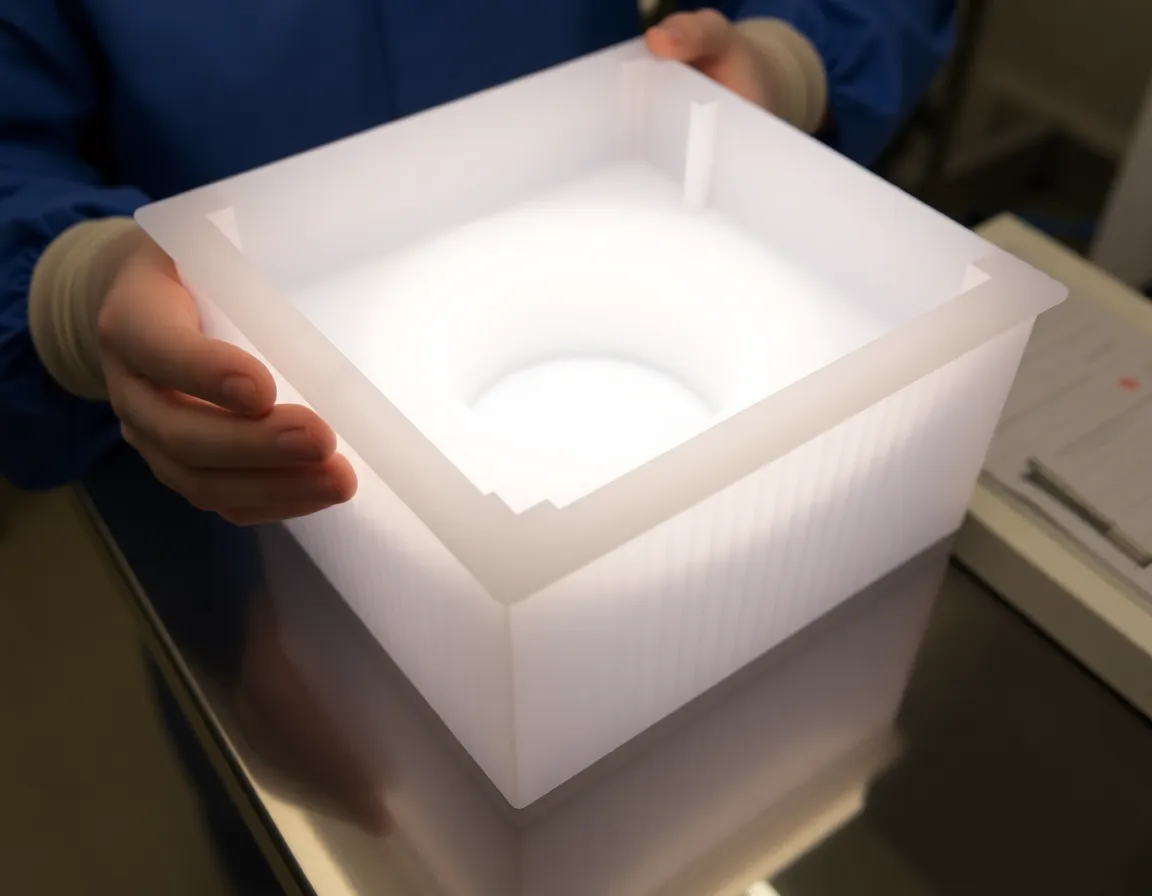
Einleitung: Die kritische Rolle von Kunststoffverpackungen in der Pharmaindustrie
In der Pharmaindustrie ist Verpackung weit mehr als ein Behälter. Sie ist ein kritischer Bestandteil von Arzneimittelsicherheit, Wirksamkeit und Patiententreue. Die Formgebung pharmazeutischer Kunststoffverpackungen stellt eine spezialisierte Schnittstelle von Materialwissenschaft, Präzisionstechnik und strenger regulatorischer Compliance dar. Da die globale Nachfrage nach komplexen Biologika, personalisierter Medizin und patientenzentrierten Abgabesystemen wächst, sind Innovationen in der Formgebung von Kunststoffverpackungen zu einem zentralen Fokus für Hersteller geworden. Dieser Artikel untersucht die modernsten Technologien, Materialien und Prozesse, die neu definieren, wie pharmazeutische Produkte geschützt, geliefert und verabreicht werden.
Verständnis der Formgebung pharmazeutischer Kunststoffverpackungen
Die Formgebung pharmazeutischer Kunststoffverpackungen bezeichnet die Fertigungsprozesse, die zur Herstellung von Behältern, Verschlüssen, Abgabevorrichtungen und Schutzbauteilen aus polymeren Materialien verwendet werden. Diese Komponenten müssen außergewöhnlich hohe Standards hinsichtlich Reinheit, Maßgenauigkeit, Barriereeigenschaften und Kompatibilität mit einer breiten Palette von Arzneimittelformulierungen erfüllen. Zu den primär eingesetzten Formgebungstechnologien gehören Spritzguss, Blasformen, und Formpressen, jeweils geeignet für unterschiedliche Produktgeometrien und Leistungsanforderungen.
Wichtige Kriterien für die Materialauswahl
Die Wahl des Kunstharzes ist grundlegend für die Verpackungsleistung. Häufig verwendete Materialien sind:
- Polypropylen (PP): Bietet hervorragende chemische Beständigkeit und Dampfsterilisierbarkeit, was es ideal für Vials, Spritzen und Flaschenverschlüsse macht.
- Polyethylen (PE): Bietet hohe Schlagfestigkeit und Flexibilität, häufig verwendet für Flaschen, Tropfer und IV-Beutel.
- Cyclisches Olefin-Copolymer (COC) und cyclisches Olefin-Polymer (COP): Diese hochtransparenten Materialien mit geringer Extraktbildung werden zunehmend für vorgefüllte Spritzen und Vials für empfindliche Biologika bevorzugt.
- Polyethylenterephthalat (PET): Wird wegen seiner überlegenen Gasbarriereeigenschaften und Transparenz für Flaschen und Blisterverpackungen verwendet.
- Polycarbonat (PC): Wird wegen seiner hohen Festigkeit und Hitzebeständigkeit für spezialisierte Geräte und Konnektoren gewählt.
Jedes Material muss einer strengen Prüfung auf extrahierbare und auslaugbare Stoffe (E&L) unterzogen werden, um sicherzustellen, dass über die Haltbarkeitsdauer keine schädlichen Substanzen in das Arzneimittel migrieren.
Der Arbeitsablauf des Formgebungsprozesses
Die Kernschritte bei der Formgebung pharmazeutischer Kunststoffverpackungen sind streng kontrolliert:
- Harztrocknung: Hygroskopische Polymere wie PET und PC müssen auf präzise Feuchtigkeitswerte getrocknet werden, um Defekte wie Hydrolyse oder Blasen zu verhindern.
- Spritzguss oder Blasformen: Geschmolzener Kunststoff wird in einen präzisionsbearbeiteten Stahlformhohlraum eingespritzt (Spritzguss) oder zu einem Vorformling extrudiert, der gegen eine Form aufgeblasen wird (Blasformen).
- Kühlung und Auswerfen: Das Teil wird unter kontrollierten Bedingungen gekühlt, um Schrumpfung und Verzug zu minimieren, und dann von Robotersystemen ausgeworfen.
- In-Mold-Inspektion: Fortschrittliche Kameras und Sensoren überprüfen kritische Abmessungen, Oberflächenbeschaffenheit und das Fehlen von Grat oder Verunreinigungen, bevor das Teil die Form verlässt.
- Nachbearbeitung nach dem Formen: Dies kann Tempern, Oberflächenbehandlung, Ultraschallschweißen oder die Montage mit elastomeren Komponenten wie Gummistopfen umfassen.
Innovation #1: Fortschrittliche Barriere-Technologien und Mehrschichtformung
Eine der bedeutendsten Herausforderungen in der pharmazeutischen Verpackung ist der Schutz sauerstoff- und feuchtigkeitsempfindlicher Arzneimittel. Traditionelle einschichtige Kunststoffe bieten häufig keine ausreichende Barriereleistung. Innovationen bei Mehrschicht-Co-Injektionsverfahren und Co-Extrusions-Blasformen ermöglichen Herstellern nun die Herstellung von Verpackungen mit bis zu sieben unterschiedlichen Schichten. Diese Schichten kombinieren verschiedene Polymere, um Eigenschaften zu erzielen, die kein einzelnes Material bieten kann.
Beispielsweise könnte eine typische Mehrschichtflasche für flüssige Formulierungen Folgendes umfassen:
- Eine Außenschicht aus Polypropylen für strukturelle Integrität und Bedruckbarkeit.
- Eine mittlere Barriereschicht aus Ethylen-Vinylalkohol-Copolymer (EVOH) oder Polyamid zur Sauerstoffbarriere.
- Eine Innenschicht aus Polyethylen oder cyclischem Olefin-Copolymer für Arzneimittelkontaktverträglichkeit und geringe extrahierbare Stoffe.
Diese Technologie ist besonders wichtig für biologics und gene therapies, which are often highly sensitive to degradation. The ability to tailor barrier properties through precise layer thickness control, achieved via advanced servo-driven injection units, represents a major leap forward in extending drug shelf life without the need for secondary packaging like foil pouches.
Innovation #2: Precision Micro-Molding for Delivery Devices
The rise of self-administered injectable drugs, including insulin, GLP-1 agonists, and monoclonal antibodies, has driven demand for Mikrospritzguss of complex device components. These parts—such as needle hubs, plunger rods, dose buttons, and flow restrictors—require tolerances measured in microns. Innovations in this space include:
- Multi-component injection molding: Machines with multiple injection units can produce a single part from two or more different materials in one cycle. For example, a syringe barrel can be molded with a rigid polypropylene body and an integrated soft-touch thermoplastic elastomer (TPE) grip, eliminating secondary assembly steps.
- In-mold sensors and closed-loop control: Real-time monitoring of cavity pressure, temperature, and melt flow allows the molding machine to adjust parameters dynamically, ensuring consistent part quality even with high-speed cycles.
- Liquid silicone rubber (LSR) molding: LSR is increasingly used for seals, valves, and gaskets in drug delivery devices due to its biocompatibility and flexibility. Dedicated LSR injection molding systems with cold-runner technology minimize material waste and cure times.
These innovations enable the production of wearable injectors und auto-injectors that are smaller, more reliable, and easier for patients to use, directly improving therapeutic adherence.
Innovation #3: Sustainable and Eco-Friendly Molding Practices
Sustainability is no longer optional in pharmaceutical packaging. While the industry must prioritize patient safety, significant progress is being made in reducing environmental impact through molding innovations:
Use of Recycled and Bio-Based Resins
Pharmaceutical-grade post-consumer recycled (PCR) polyethylene und Polypropylen are now available that meet strict extractables and purity standards. These materials are being used in secondary packaging (e.g., bottle caps, outer containers) and, in some cases, primary packaging for less sensitive oral solid dosage forms. Similarly, bio-based polymers derived from sugarcane or corn starch, such as bio-PET und bio-PP, offer a lower carbon footprint without compromising performance.
Lightweighting Through Mold Design
Advanced computational fluid dynamics (CFD) and mold flow simulation software enable engineers to design thinner, lighter parts while maintaining structural integrity. This Gewichtsreduzierung reduces material consumption by 15-30% per part. Combined with hot-runner systems that eliminate sprues and runners, material utilization rates can exceed 95%.
Energy-Efficient Molding Machines
All-electric and hybrid injection molding machines now dominate pharmaceutical production due to their precision and energy efficiency. These machines use servo motors instead of hydraulic pumps, reducing energy consumption by up to 70% compared to older models. Furthermore, inductive heating of mold surfaces and adiabatic cooling techniques shorten cycle times and lower overall energy demand.
Innovation #4: Smart Packaging and Serialization Integration
The pharmaceutical supply chain demands robust traceability to combat counterfeiting and ensure patient safety. Innovations in molding now enable the integration of smart features directly into the packaging during the molding process:
- In-mold labeling (IML): RFID tags or QR code labels are placed inside the mold cavity before injection. The plastic fuses with the label during molding, creating a tamper-evident, permanent identification system that cannot be removed or altered.
- Micro-texturing and laser marking: Mold surfaces can be engineered with micro-scale textures that create unique, machine-readable patterns (similar to fingerprints) on the plastic surface. This allows for anti-counterfeiting without additional labels or inks.
- Molded-in sensors: Emerging technologies allow for the embedding of thin-film sensors or conductive polymer traces during molding. These can monitor temperature, humidity, or even drug degradation and communicate data via NFC to a smartphone.
These innovations support compliance with global serialization regulations (e.g., EU Falsified Medicines Directive, US DSCSA) while adding value through enhanced patient engagement and supply chain visibility.
Best Practices for Pharmaceutical Plastic Packaging Molding
To consistently achieve the highest quality and regulatory compliance, manufacturers must adhere to several best practices:
Design for Manufacturing (DFM) and Regulatory Alignment
Early collaboration between packaging engineers, mold designers, and regulatory affairs teams is essential. Mold designs must account for draft angles, gleichmäßige Wandstärke, und gate placement to minimize stress and defects. Simultaneously, the design must comply with USP <660> (containers for injection), USP <671> (container performance), and ISO 15378 (GMP for primary packaging materials).
Cleanroom Manufacturing and Contamination Control
Pharmaceutical molding typically occurs in ISO Class 7 or 8 cleanrooms (Class 10,000 or 100,000). Key practices include:
- Use of Edelstahl mold frames and ceramic oder coated cavities to prevent metallic contamination.
- Automated robotic part removal and packaging to minimize human contact.
- Continuous particulate monitoring und HEPA filtration of the molding environment.
Validation and Process Control
Every molding process must undergo rigorous IQ/OQ/PQ (Installation, Operational, Performance Qualification). Critical process parameters (CPP) such as melt temperature, injection pressure, cooling time, and mold temperature must be monitored and documented. Statistische Prozesskontrolle (SPC) using real-time data from cavity sensors helps detect drift before non-conforming parts are produced.
Material Traceability and Lot Control
Every resin lot used must be fully traceable from supplier to finished product. This includes documenting Certificate of Analysis (CoA) data, storage conditions, and drying parameters. For multi-layer or multi-component parts, each material source must be tracked independently.
Conclusion: The Future of Pharmaceutical Molding
The innovations in pharmaceutical plastic packaging molding are reshaping the industry’s ability to deliver safe, effective, and patient-friendly therapies. From advanced multilayer barriers that protect biologics to sustainable materials and smart packaging with embedded traceability, the pace of change is accelerating. As drug development moves toward more potent and sensitive molecules, the role of precision molding will only grow in importance. Manufacturers who invest in state-of-the-art equipment, robust quality systems, and cross-functional collaboration will be best positioned to meet the dual demands of regulatory rigor and environmental responsibility. Ultimately, these innovations are not just about molding plastic—they are about molding trust in the pharmaceutical supply chain.