
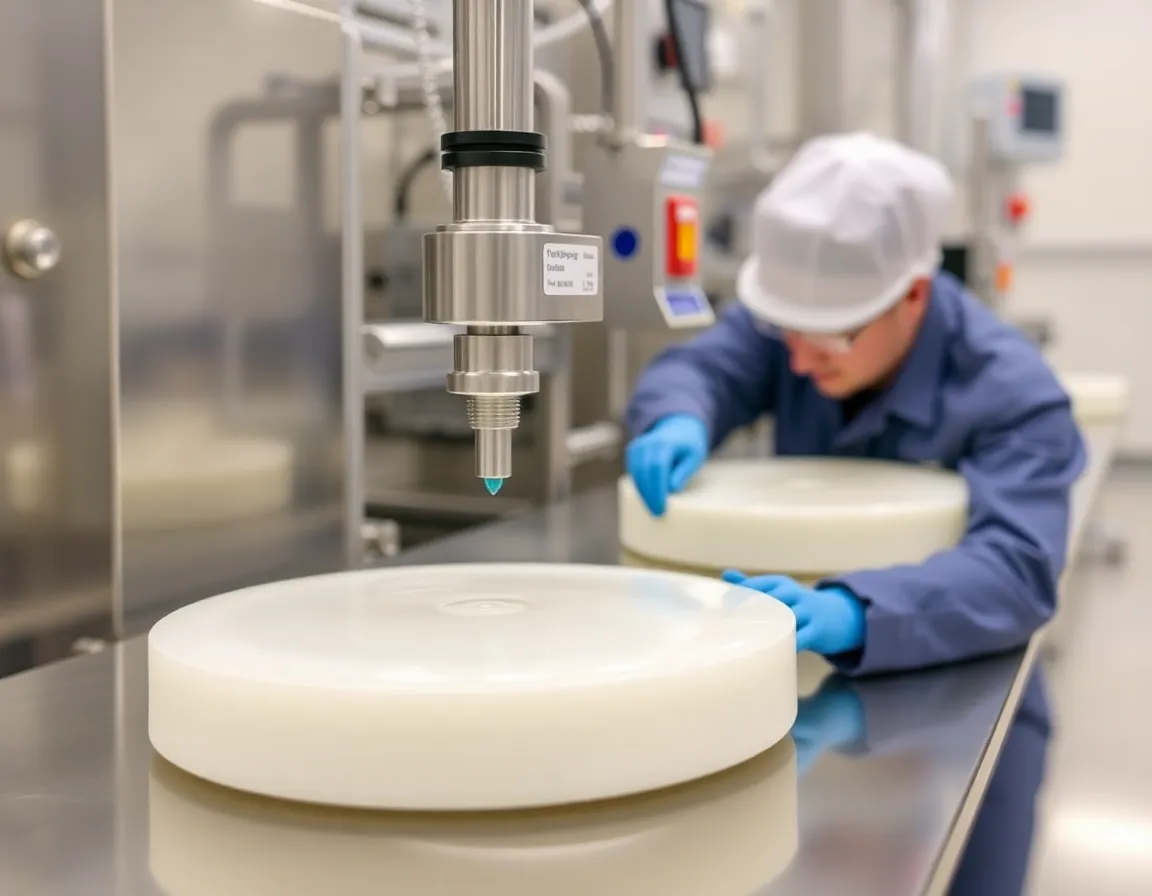
Einführung in die präzise Montage medizinischer Kunststoffe
Die Medizinprodukteindustrie zählt zu den am strengsten regulierten Sektoren der Weltwirtschaft und verlangt ein beispielloses Maß an Präzision, Zuverlässigkeit und Sterilität. Im Zentrum vieler lebensrettender und diagnostischer Geräte steht Montage medizinischer Kunststoffe– der spezialisierte Prozess des Fügens, Verbindens und Integrierens von Kunststoffkomponenten zu funktionsfähigen medizinischen Produkten. Von Einwegchirurgieinstrumenten bis hin zu komplexen implantierbaren Arzneimittelabgabesystemen wirkt sich die Integrität dieser Baugruppen direkt auf die Patientensicherheit und klinische Ergebnisse aus. Dieser Artikel untersucht die entscheidenden Vorteile präziser Montageservices für medizinische Kunststoffe und bietet einen umfassenden Überblick darüber, was diese Services umfassen, wie sie funktionieren und warum sie für moderne Innovationen im Gesundheitswesen unverzichtbar sind.
Was ist die Montage medizinischer Kunststoffe?
Medizinische Kunststoffmontage bezieht sich auf die Fertigungsprozesse, die verwendet werden, um mehrere Kunststoffteile – oft spritzgegossen, extrudiert oder warmgeformt – zu einem fertigen Medizinprodukt oder einer Baugruppe zusammenzufügen. Im Gegensatz zur allgemeinen Kunststoffmontage erfordern medizinische Anwendungen die Einhaltung strenger regulatorischer Standards wie ISO 13485, FDA 21 CFR Part 820 und Good Manufacturing Practices (GMP). Diese Dienstleistungen umfassen ein breites Spektrum an Fügetechniken, darunter Ultraschallschweißen, Laserschweißen, Lösungsmittelkleben, Klebebonding, Heißverstemmen und Presspassung. Jede Methode wird basierend auf den Materialeigenschaften, der Konstruktionsgeometrie und den funktionalen Anforderungen des Produkts ausgewählt, um sicherzustellen, dass die endgültige Baugruppe strenge Leistungs- und Biokompatibilitätskriterien erfüllt.
Hauptkomponenten von Dienstleistungen zur medizinischen Kunststoffmontage
Ein professioneller Anbieter von medizinischer Kunststoffmontage bietet in der Regel End-to-End-Unterstützung, von der Beratung zum Design for Manufacturability (DFM) bis hin zur abschließenden Qualitätsprüfung. Zu den Kernleistungen gehören:
- Materialauswahlberatung: Fachkundige Beratung bei der Auswahl medizinischer Polymere wie Polycarbonat, ABS, PEEK, Polypropylen und Silikon, die die Biokompatibilitätsstandards USP Class VI oder ISO 10993 erfüllen.
- Entwicklung von Fügeverfahren: Optimierung von Schweißparametern, Klebstoffformulierungen oder Lösungsmittelsystemen, um starke, leckdichte und reproduzierbare Verbindungen zu erzielen.
- Reinraummontage: Fertigung in kontrollierten Umgebungen (ISO Klasse 7 oder 8), um Partikelkontamination zu minimieren und die Sterilität für kritische Produkte sicherzustellen.
- Automatisierte und manuelle Montage: Integration von Robotik für eine konsistente Produktion in hohen Stückzahlen, kombiniert mit qualifizierter manueller Montage für komplexe oder Produkte mit geringem Volumen.
- Qualitätssicherung und Prüfung: Implementierung von In-Prozess-Inspektionen, Zugprüfungen, Berstdruckprüfungen, Dichtheitsprüfungen und Maßverifikation zur Validierung der Integrität der Baugruppe.
Wie die präzise medizinische Kunststoffmontage funktioniert
Der Arbeitsablauf der Präzisionsmontage von medizinischem Kunststoff ist akribisch strukturiert, um Variabilität zu eliminieren und die Konformität sicherzustellen. Er beginnt mit einer gründlichen Überprüfung des Gerätedesigns und der vorgesehenen klinischen Anwendung. Ingenieure analysieren die Geometrie, Wandstärke und Materialverträglichkeit, um die am besten geeignete Fügemethode zu bestimmen. Zum Beispiel wird, Ultraschallschweißen oft für starre Thermoplaste gewählt, aufgrund seiner Geschwindigkeit und der Fähigkeit, hermetische Dichtungen ohne Verbrauchsmaterialien zu erzeugen, während Laserschweißen für Baugruppen bevorzugt wird, die minimale thermische Belastung erfordern, oder für das Fügen transparenter und opaker Materialien.
Schritt-für-Schritt-Montageprozess
Ein typischer Montagezyklus umfasst mehrere kritische Phasen:
- Komponentenvorbereitung: Kunststoffteile werden auf Maßgenauigkeit und Oberflächenreinheit geprüft. Eventuelle Grate, Formtrennmittel oder Verunreinigungen werden entfernt, um eine optimale Verbindung sicherzustellen.
- Vorrichtung und Ausrichtung: Die Komponenten werden mithilfe von kundenspezifisch konstruierten Vorrichtungen präzise positioniert, die sie während des Fügeprozesses exakt ausgerichtet halten. Dies ist entscheidend für die Einhaltung von Toleranzen von bis zu ±0,001 Zoll.
- Fügeausführung: Der ausgewählte Prozess wird unter kontrollierten Parametern – Temperatur, Druck, Zeit und Frequenz – angewendet, um eine gleichbleibende Verbindung zu erzeugen. Beim Kleben kann die Aushärtung in Kammern mit kontrollierter Luftfeuchtigkeit oder UV-Licht erfolgen.
- In-Prozess-Prüfung: Bediener oder automatisierte Bildverarbeitungssysteme prüfen auf visuelle Defekte, Gleichmäßigkeit der Verbindungslinie und korrekten Sitz. Daten der statistischen Prozesskontrolle (SPC) werden gesammelt, um Trends zu überwachen.
- Post-Assembly Testing: Finished assemblies undergo functional tests such as leak testing for fluid pathways, pull tests for mechanical strength, and sterilization validation if required.
- Packaging and Traceability: Assemblies are packaged in cleanroom-compatible materials with full lot traceability, including date codes, material lot numbers, and process parameters.
Key Benefits of Precision Medical Plastic Assembly Services
The adoption of professional medical plastic assembly services offers transformative advantages that extend far beyond basic component joining. These benefits are critical for device manufacturers aiming to accelerate time-to-market while maintaining the highest safety standards.
Enhanced Product Reliability and Safety
The foremost benefit is the dramatic improvement in device reliability. Precision assembly techniques, such as laser welding or ultrasonic bonding, create joints that are often stronger than the parent materials themselves. For example, a blood filter housing assembled via Ultraschallschweißen can withstand repeated pressure cycles without leakage, directly preventing patient exposure to contaminants. Furthermore, the elimination of screws, fasteners, or adhesives that could degrade over time reduces the risk of device failure in vivo. Rigorous testing protocols—including burst pressure, tensile strength, and fatigue testing—ensure that every assembly meets the demanding requirements of medical applications.
Regulatory Compliance and Documentation
Navigating the complex landscape of medical device regulations is a formidable challenge. Professional assembly services provide comprehensive documentation, including material certifications, process validation reports (IQ/OQ/PQ), and device history records (DHR). This documentation is essential for FDA submissions, CE marking, and ISO audits. By partnering with a certified assembly provider, manufacturers gain confidence that their products comply with standards such as ISO 13485:2016 und 21 CFR Part 820. This reduces the risk of costly recalls or regulatory non-compliance, which can have severe financial and reputational consequences.
Cost Efficiency and Scalability
While precision assembly may seem cost-intensive, it actually reduces total manufacturing costs in several ways. Automated assembly systems achieve high throughput with minimal scrap rates, lowering per-unit costs for high-volume products. Additionally, the use of design for assembly (DFA) principles minimizes the number of components and simplifies joining steps, further reducing material and labor expenses. For low-volume or custom devices, flexible assembly cells can be quickly reconfigured, avoiding the need for expensive dedicated tooling. This scalability allows manufacturers to efficiently transition from prototyping to full-scale production without capital-intensive investments.
Design Flexibility and Innovation
Advanced plastic assembly techniques enable design possibilities that are impossible with traditional metal fasteners or adhesives. For instance, Laserschweißen can join complex three-dimensional geometries, allowing engineers to create compact, lightweight devices with integrated fluid channels, snap-fit features, or optical windows. Solvent bonding can produce transparent, bubble-free joints ideal for viewing windows in diagnostic cartridges. This design freedom fosters innovation in areas such as wearable drug delivery systems, miniaturized surgical tools, and point-of-care diagnostic devices. Manufacturers can push the boundaries of functionality while maintaining the structural integrity required for clinical use.
Sterility and Cleanliness Assurance
Medical devices often require sterilization before use, and assembly processes must not compromise sterility. Precision assembly in cleanroom environments ensures that components are joined without introducing contaminants. Techniques like Ultraschallschweißen generate localized heat that can actually sterilize the bond interface, while adhesive bonding uses medical-grade, biocompatible adhesives that resist microbial growth. Post-assembly, the entire product can be sterilized via ethylene oxide (EtO), gamma radiation, or autoclaving without degrading the plastic joints. This integrated approach to cleanliness is vital for devices used in surgical, implantable, or injectable applications.
Applications Across the Medical Device Spectrum
Medical plastic assembly services are utilized across a vast array of device categories, each with unique requirements:
Diagnostic and Point-of-Care Devices
In vitro diagnostic (IVD) devices, such as blood glucose test strips, lateral flow assays, and microfluidic cartridges, rely on precise assembly of plastic housings, membranes, and fluidic channels. Laser welding is commonly used to seal microfluidic chips without blocking micron-sized channels, ensuring accurate sample flow and reliable test results. The assembly must be free of leaks and particulate contamination to prevent false positives or negatives.
Surgical Instruments and Implants
Single-use surgical instruments, including trocars, clip appliers, and biopsy needles, require assemblies that withstand high mechanical loads and sterilization cycles. Ultraschallschweißen provides strong, hermetic seals for handles and shafts, while adhesive bonding attaches metal cutting tips to plastic bodies. For implantable devices like orthopedic anchors or drug-eluting stents, assembly must occur in cleanrooms with strict control over particulate and biological contamination.
Drug Delivery Systems
Prefilled syringes, autoinjectors, and insulin pumps depend on precision assembly to maintain sterility and dosing accuracy. The joining of syringe barrels, plungers, and needle hubs must create leak-proof seals that prevent contamination and ensure consistent delivery volumes. Solvent bonding is often used for polycarbonate and acrylic components in these systems, as it creates optical clarity and strong chemical resistance.
Respiratory and Anesthesia Equipment
CPAP masks, ventilator circuits, and nebulizers require assemblies that are airtight, lightweight, and comfortable for patients. Heat staking and press-fitting are employed to attach silicone seals to rigid plastic frames, while ultrasonic welding joins tubing connectors. The assemblies must pass stringent leak tests to ensure proper airflow and prevent patient injury.
Best Practices for Partnering with a Medical Plastic Assembly Provider
To maximize the benefits of medical plastic assembly services, device manufacturers should follow these best practices:
- Engage Early in the Design Phase: Involve the assembly partner during product design to optimize for manufacturability. Early DFM reviews can identify potential issues like incompatible materials, difficult-to-weld geometries, or inadequate draft angles for fixturing.
- Demand Comprehensive Validation: Ensure the provider offers process validation (IQ/OQ/PQ) and maintains a robust change management system. This is critical for regulatory submissions and long-term quality consistency.
- Prioritize Material Traceability: All plastic resins and adhesives should be traceable to their original lots. Request certificates of analysis (COA) and material safety data sheets (MSDS) for every component.
- Evaluate Cleanroom Capabilities: Verify that the assembly facility operates at the appropriate ISO class for your device. For implantable or injectable products, ISO Class 7 (10,000 particles/ft³) or better is typically required.
- Test Under Realistic Conditions: Conduct accelerated aging, sterilization cycle testing, and functional testing on assembled devices to simulate real-world use. This validates that the assembly process does not introduce hidden weaknesses.
- Establish Clear Communication Protocols: Define quality metrics, inspection frequencies, and reporting formats upfront. Regular audits and performance reviews help maintain alignment throughout the production lifecycle.
Conclusion
Precision medical plastic assembly is far more than a manufacturing step—it is a strategic enabler of medical device innovation, safety, and market success. By leveraging advanced joining technologies, cleanroom environments, and rigorous quality systems, professional assembly services deliver devices that meet the exacting demands of healthcare. The benefits—enhanced reliability, regulatory compliance, cost efficiency, design flexibility, and sterility assurance—directly translate into better patient outcomes and competitive advantage for device manufacturers. As the medical device industry continues to evolve toward miniaturization, smart devices, and personalized medicine, the role of precision plastic assembly will only grow in importance, making it a critical capability for any organization committed to advancing healthcare.