
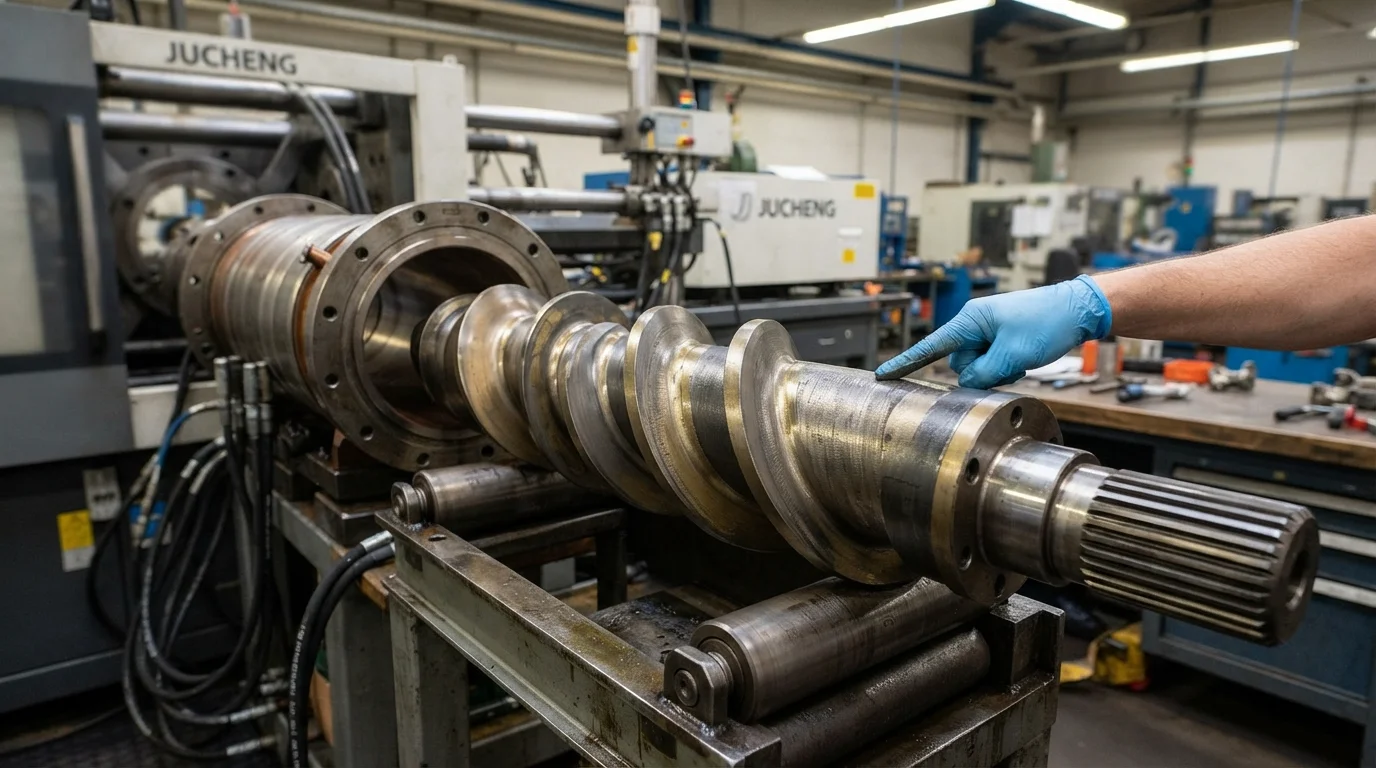
Einführung in den ISO-13485-Spritzguss
In der stark regulierten Welt der Medizinproduktefertigung ist Präzision nicht nur ein Ziel – sie ist eine rechtliche und ethische Notwendigkeit. ISO-13485-Spritzguss stellt den Goldstandard für die Herstellung von Kunststoffkomponenten im Gesundheitswesen dar, von chirurgischen Instrumenten bis hin zu implantierbaren Geräten. Ein ISO-13485-Spritzgussunternehmen arbeitet unter einem strengen Qualitätsmanagementsystem (QMS), das speziell für Medizinproduktehersteller entwickelt wurde. Im Gegensatz zum allgemeinen Spritzguss stellt diese Zertifizierung sicher, dass jeder Produktionsschritt – vom Umgang mit Rohmaterialien bis zur Endkontrolle – strenge internationale Standards für Sicherheit, Rückverfolgbarkeit und Konsistenz erfüllt.
Dieser Artikel untersucht die Grundlagen des ISO 13485-Spritzgusses, sein operatives Rahmenwerk, die wichtigsten Vorteile, reale Anwendungen und Best Practices für die Erreichung von Exzellenz in der Produktion von Teilen in Medizinqualität. Ob Sie ein Medizintechnik-Startup oder ein etablierter OEM sind, das Verständnis dieses Prozesses ist entscheidend für die regulatorische Konformität und die Patientensicherheit.
Was ist ISO 13485-Spritzguss?
ISO 13485 ist eine internationale Norm, die die Anforderungen an ein umfassendes Qualitätsmanagementsystem für Hersteller von Medizinprodukten festlegt. Auf den Spritzguss angewendet, schafft sie ein Rahmenwerk, das den gesamten Lebenszyklus einer Kunststoffkomponente regelt – von der Konstruktion und Formenherstellung über die Produktion und Verpackung bis hin zur Post-Market-Überwachung. Ein ISO-13485-Spritzgussunternehmen muss nachweisen, dass seine Prozesse in der Lage sind, konsistent Teile herzustellen, die die Kunden- und regulatorischen Anforderungen erfüllen.
Hauptunterschiede zum allgemeinen Spritzguss
Während der Standard-Spritzguss auf Effizienz und Kosten ausgerichtet ist, priorisiert der ISO 13485-Spritzguss Risikomanagement und Dokumentation. Zu den wichtigsten Unterscheidungen gehören:
- Validierungsanforderungen: Jeder Prozess, einschließlich Spritzgussparameter und Sterilisation, muss validiert werden (IQ/OQ/PQ).
- Materialrückverfolgbarkeit: Rohmaterialien müssen vom Lieferanten bis zum Fertigprodukt nachverfolgt werden, mit vollständiger Chargenkontrolle.
- Änderungskontrolle: Jede Änderung an Form, Material oder Prozess erfordert eine formale Überprüfung und erneute Validierung.
- Reinraumfähigkeit: Viele medizinische Teile erfordern eine Formgebung in Reinräumen der ISO-Klasse 7 oder Klasse 8, um Kontamination zu verhindern.
- Dokumentation: Detaillierte Device History Records (DHR) und Device Master Records (DMR) müssen für jeden Produktionslauf geführt werden.
Wie ISO 13485 Spritzguss funktioniert
Der Arbeitsablauf innerhalb eines ISO-13485-Spritzgussunternehmen ist systematisch und stark reguliert. Er beginnt mit dem Verständnis des Verwendungszwecks und der regulatorischen Klassifizierung des Medizinprodukts (Klasse I, II oder III). Der Prozess lässt sich in mehrere kritische Phasen unterteilen:
1. Design und Entwicklung
Design for Manufacturability (DFM) ist von größter Bedeutung. Ingenieure arbeiten mit Kunden zusammen, um sicherzustellen, dass die Bauteilgeometrie eine effiziente Formgebung unterstützt und gleichzeitig die Anforderungen an die Biokompatibilität erfüllt. Risikoanalyse (gemäß ISO 14971) wird frühzeitig durchgeführt, um potenzielle Fehlermodi wie Grat, Einfallstellen oder Maßinstabilität zu identifizieren. Das Design-Output umfasst detaillierte Zeichnungen, Materialspezifikationen und eine Risikomanagementakte.
2. Werkzeugherstellung und Validierung
Das Werkzeug (Form) wird aus medizinischem Edelstahl und mit Präzisionsbearbeitung hergestellt. Nach der Fertigstellung durchläuft das Werkzeug eine Installation Qualification (IQ), Operational Qualification (OQ), und Leistungsqualifizierung (PQ). Diese dreistufige Validierung stellt sicher, dass Form und Maschine Teile innerhalb der festgelegten Toleranzen unter allen erwarteten Betriebsbedingungen produzieren.
3. Produktions- und Prozesskontrolle
Während der Produktion überwacht der ISO-13485-Spritzgussunternehmen kritische Prozessparameter (CPPs) wie Schmelztemperatur, Einspritzdruck, Kühlzeit und Zykluszeit. Statistische Prozesskontrolle (SPC)-Diagramme werden verwendet, um Trends zu erkennen, bevor Teile außerhalb der Spezifikation fallen. In-Prozess-Inspektionen, oft mit Vision-Systemen oder Koordinatenmessmaschinen (CMM), erfolgen in definierten Intervallen.
4. Nachgelagerte Operationen
Medizinische Teile erfordern oft Sekundäroperationen wie Ultraschallschweißen, Tampondruck oder Montage. Diese werden unter demselben QMS durchgeführt. Schließlich werden die Teile gereinigt, verpackt und in einer kontrollierten Umgebung sterilisiert (z. B. Gamma, Ethylenoxid oder Autoklavieren). Jede Charge wird mit einer eindeutigen Chargennummer für die vollständige Rückverfolgbarkeit gekennzeichnet.
Vorteile einer Partnerschaft mit einem ISO 13485-Spritzgussunternehmen
Die Wahl eines zertifizierten Partners bietet deutliche Vorteile, die über die Compliance hinausgehen. Diese Vorteile wirken sich direkt auf Produktqualität, Markteinführungszeit und Haftungsreduzierung aus.
Regulatorische Compliance und Marktzugang
Medizinische Geräte müssen strenge Audits durch Stellen wie die FDA (in den USA) oder benannte Stellen (für die CE-Kennzeichnung in Europa) bestehen. Ein ISO-13485-Spritzgussunternehmen stellt die Dokumentation und Prozesskontrollen bereit, die erforderlich sind, um diese Audits zu erfüllen. Dazu gehört die Führung einer Technischen Datei oder Design-History-Datei die von Regulierungsbehörden überprüft werden kann. Ohne diese Zertifizierung kann ein Hersteller Verzögerungen oder Ablehnungen während der Marktzulassung erleiden.
Enhanced Product Quality and Consistency
The standard mandates a culture of continuous improvement. Through corrective and preventive actions (CAPA), internal audits, and management reviews, the company systematically reduces variation. This results in tighter tolerances (often ±0.001 inches), fewer defects (measured in parts per million), and superior surface finishes—critical for components like catheter hubs, syringe barrels, or implantable drug delivery systems.
Risk Mitigation and Traceability
In the event of a product recall or adverse event, complete traceability is essential. An ISO-13485-Spritzgussunternehmen maintains records that link each finished part to its raw material lot, molding machine, operator, and inspection results. This capability allows for targeted recalls, minimizing cost and protecting patient health. Furthermore, the risk management framework reduces the likelihood of design or production errors that could lead to device failure.
Supply Chain Reliability
Medical device OEMs often require long-term, high-volume supply agreements. ISO 13485 certification signals that the molder has robust business continuity plans, validated backup equipment, and supplier management protocols. This reliability is crucial for life-saving devices where stockouts are unacceptable.
Applications of ISO 13485 Injection Molding
The versatility of injection molding combined with ISO 13485 controls enables the production of a vast array of medical components. Below are key application areas:
Surgical Instruments and Tools
Handles for scalpels, forceps, and retractors are often molded from medical-grade ABS or polycarbonate. These parts require high impact resistance, ergonomic design, and the ability to withstand repeated sterilization. ISO-13485-Spritzguss ensures that the dimensional accuracy of locking mechanisms or pivot points is maintained across millions of units.
Drug Delivery Systems
Auto-injectors, insulin pens, and inhalers are complex assemblies with multiple molded components. The interaction between plastic parts (e.g., springs, plungers, and needles) must be precise to deliver accurate dosages. An ISO-13485-Spritzgussunternehmen uses validated processes to control critical dimensions like inner diameters and sealing surfaces, directly impacting drug efficacy.
Diagnostic and Laboratory Equipment
Microfluidic chips, cuvettes, and test strip housings require optical clarity and chemical resistance. Molding these parts under ISO 13485 ensures minimal warpage and consistent wall thickness, which are essential for accurate diagnostic results. Cleanroom molding prevents particulate contamination that could interfere with assays.
Implantable Devices
While many implants are metal or ceramic, some non-load-bearing implants (e.g., bone screws, spinal cages, or drug-eluting polymers) are injection molded from biocompatible materials like PEEK or PLGA. These applications demand the highest level of control, as any defect can lead to implant failure or adverse biological response.
Best Practices for ISO 13485 Injection Molding Success
To maximize the benefits of working with an ISO-13485-Spritzgussunternehmen, both the molder and the client must adhere to certain best practices. These strategies ensure a smooth partnership and superior outcomes.
Early Supplier Involvement
Engage the molder during the design phase. Their expertise in mold flow analysis, gate placement, and material selection can prevent costly redesigns. For example, they can advise on draft angles to avoid ejection problems or recommend a material with the correct melt flow index for thin-wall applications.
Robust Material Selection and Testing
Use only materials that are USP Class VI or ISO 10993 compliant for biocompatibility. Request Material Certificates of Analysis from the molder. Additionally, consider environmental factors: will the device be sterilized? If so, the material must withstand gamma, ETO, or autoclaving without degrading. The ISO-13485-Spritzgussunternehmen should perform incoming material inspection and lot testing.
Comprehensive Validation Documentation
Insist on receiving full validation reports (IQ/OQ/PQ) for the mold and process. These documents should include pass/fail criteria, measurement data, and signatures from authorized personnel. This documentation is not just a formality; it is a legal requirement for FDA submissions and ISO audits.
Continuous Monitoring and Communication
Establish regular communication channels for production reviews. Many ISO 13485 injection molding companies provide online portals where clients can view real-time production data, inspection results, and shipping status. Regular face-to-face or virtual meetings help address issues like yield improvements or design changes proactively.
Post-Market Surveillance Support
Select a partner who commits to retaining records for the device’s lifetime (often 10-15 years). They should also have a protocol for handling complaints and implementing CAPAs. This long-term partnership is vital for maintaining regulatory compliance after the product is launched.
Conclusion
ISO-13485-Spritzguss is far more than a manufacturing process—it is a comprehensive system that ensures medical devices are safe, effective, and reliable. An ISO-13485-Spritzgussunternehmen brings discipline, traceability, and a risk-based mindset to every project, from initial design through post-market support. As the medical device industry continues to evolve with miniaturization, smart devices, and personalized medicine, the demand for certified injection molding partners will only grow.
By understanding the requirements, benefits, and best practices outlined in this article, medical device manufacturers can make informed decisions that protect patients, satisfy regulators, and accelerate innovation. In the world of healthcare, there is no room for error—only medical grade precision.