
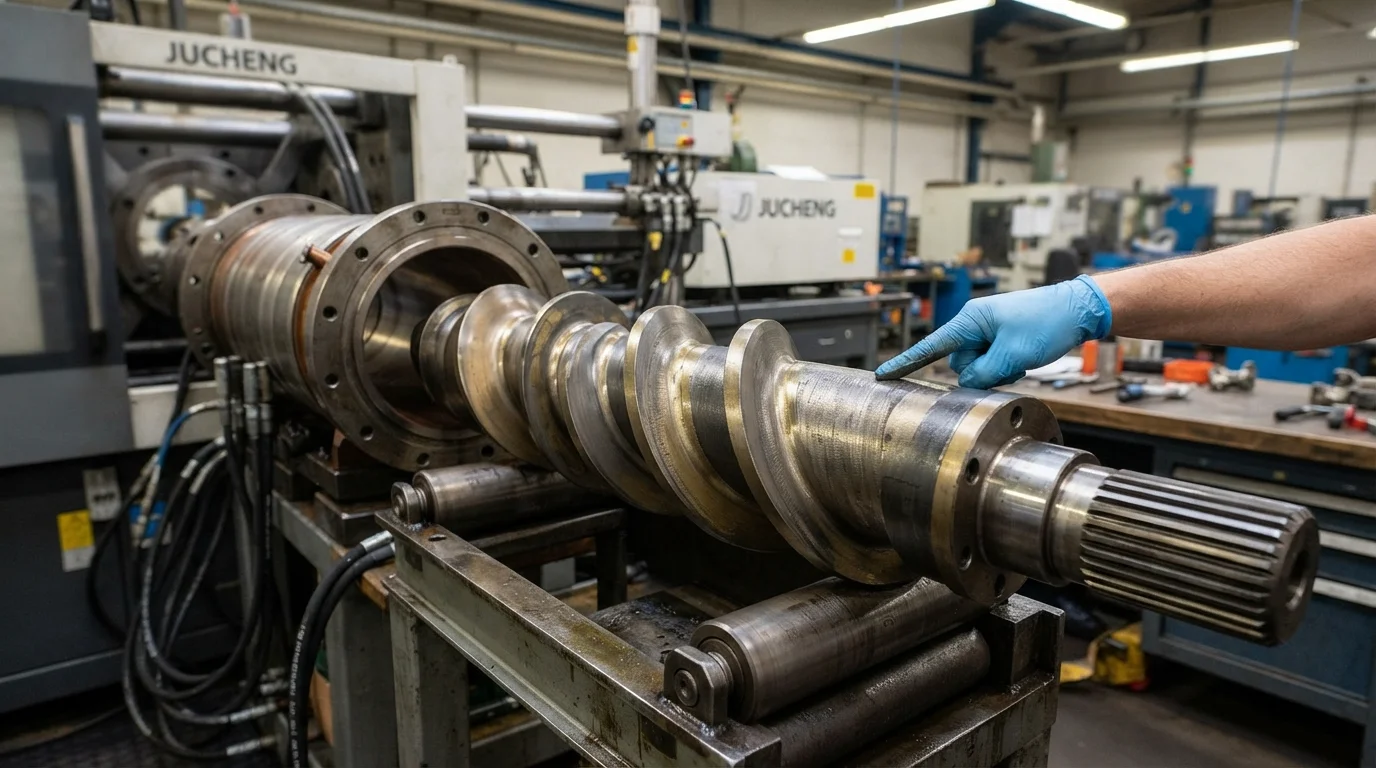
Introduction to ISO 13485 Injection Molding
In the highly regulated world of medical device manufacturing, precision is not just a goal—it is a legal and ethical necessity. ISO 13485 injection molding represents the gold standard for producing plastic components used in healthcare, from surgical instruments to implantable devices. An ISO 13485 injection molding company operates under a strict quality management system (QMS) specifically designed for medical device manufacturers. Unlike general injection molding, this certification ensures that every step of production—from raw material handling to final inspection—meets rigorous international standards for safety, traceability, and consistency.
This article explores the fundamentals of ISO 13485 injection molding, its operational framework, key benefits, real-world applications, and best practices for achieving excellence in medical-grade part production. Whether you are a medical device startup or an established OEM, understanding this process is critical for regulatory compliance and patient safety.
What is ISO 13485 Injection Molding?
ISO 13485 is an international standard that outlines the requirements for a comprehensive quality management system for medical device manufacturers. When applied to injection molding, it creates a framework that governs the entire lifecycle of a plastic component—from design and mold fabrication to production, packaging, and post-market surveillance. An ISO 13485 injection molding company must demonstrate that its processes are capable of consistently producing parts that meet customer and regulatory requirements.
Key Differences from General Injection Molding
While standard injection molding focuses on efficiency and cost, ISO 13485 injection molding prioritizes risk management и documentation. Key distinctions include:
- Validation Requirements: Every process, including molding parameters and sterilization, must be validated (IQ/OQ/PQ).
- Material Traceability: Raw materials must be tracked from supplier to finished product, with full lot control.
- Change Control: Any modification to the mold, material, or process requires a formal review and re-validation.
- Cleanroom Capability: Many medical parts require molding in ISO Class 7 or Class 8 cleanrooms to prevent contamination.
- Documentation: Detailed Device History Records (DHR) and Device Master Records (DMR) must be maintained for each production run.
How ISO 13485 Injection Molding Works
The workflow within an ISO 13485 injection molding company is systematic and heavily regulated. It begins with understanding the medical device’s intended use and regulatory classification (Class I, II, or III). The process can be broken down into several critical stages:
1. Design and Development
Design for Manufacturability (DFM) is paramount. Engineers collaborate with clients to ensure the part geometry supports efficient molding while meeting biocompatibility requirements. Risk analysis (per ISO 14971) is conducted early to identify potential failure modes, such as flash, sink marks, or dimensional instability. The design output includes detailed drawings, material specifications, and a risk management file.
2. Mold Fabrication and Validation
The mold (tool) is built with medical-grade steel and precision machining. Once completed, the mold undergoes Installation Qualification (IQ), Operational Qualification (OQ), и Performance Qualification (PQ). This three-stage validation ensures the mold and machine produce parts within specified tolerances under all expected operating conditions.
3. Production and Process Control
During production, the ISO 13485 injection molding company monitors critical process parameters (CPPs) such as melt temperature, injection pressure, cooling time, and cycle time. Statistical Process Control (SPC) charts are used to detect trends before parts fall out of specification. In-process inspection, often using vision systems or coordinate measuring machines (CMM), occurs at defined intervals.
4. Post-Molding Operations
Medical parts often require secondary operations like ultrasonic welding, pad printing, or assembly. These are performed under the same QMS. Finally, parts are cleaned, packaged, and sterilized (e.g., gamma, ethylene oxide, or autoclaving) in a controlled environment. Each batch is labeled with a unique lot number for full traceability.
Benefits of Partnering with an ISO 13485 Injection Molding Company
Choosing a certified partner offers distinct advantages that extend beyond compliance. These benefits directly impact product quality, time-to-market, and liability reduction.
Regulatory Compliance and Market Access
Medical devices must pass rigorous audits by bodies like the FDA (in the US) or notified bodies (for CE marking in Europe). An ISO 13485 injection molding company provides the documentation and process controls necessary to satisfy these audits. This includes maintaining a Technical File или Design History File that regulators can review. Without this certification, a manufacturer may face delays or rejection during pre-market approval.
Enhanced Product Quality and Consistency
The standard mandates a culture of continuous improvement. Through corrective and preventive actions (CAPA), internal audits, and management reviews, the company systematically reduces variation. This results in tighter tolerances (often ±0.001 inches), fewer defects (measured in parts per million), and superior surface finishes—critical for components like catheter hubs, syringe barrels, or implantable drug delivery systems.
Risk Mitigation and Traceability
In the event of a product recall or adverse event, complete traceability is essential. An ISO 13485 injection molding company maintains records that link each finished part to its raw material lot, molding machine, operator, and inspection results. This capability allows for targeted recalls, minimizing cost and protecting patient health. Furthermore, the risk management framework reduces the likelihood of design or production errors that could lead to device failure.
Supply Chain Reliability
Medical device OEMs often require long-term, high-volume supply agreements. ISO 13485 certification signals that the molder has robust business continuity plans, validated backup equipment, and supplier management protocols. This reliability is crucial for life-saving devices where stockouts are unacceptable.
Applications of ISO 13485 Injection Molding
The versatility of injection molding combined with ISO 13485 controls enables the production of a vast array of medical components. Below are key application areas:
Surgical Instruments and Tools
Handles for scalpels, forceps, and retractors are often molded from medical-grade ABS or polycarbonate. These parts require high impact resistance, ergonomic design, and the ability to withstand repeated sterilization. ISO 13485 injection molding ensures that the dimensional accuracy of locking mechanisms or pivot points is maintained across millions of units.
Drug Delivery Systems
Auto-injectors, insulin pens, and inhalers are complex assemblies with multiple molded components. The interaction between plastic parts (e.g., springs, plungers, and needles) must be precise to deliver accurate dosages. An ISO 13485 injection molding company uses validated processes to control critical dimensions like inner diameters and sealing surfaces, directly impacting drug efficacy.
Diagnostic and Laboratory Equipment
Microfluidic chips, cuvettes, and test strip housings require optical clarity and chemical resistance. Molding these parts under ISO 13485 ensures minimal warpage and consistent wall thickness, which are essential for accurate diagnostic results. Cleanroom molding prevents particulate contamination that could interfere with assays.
Implantable Devices
While many implants are metal or ceramic, some non-load-bearing implants (e.g., bone screws, spinal cages, or drug-eluting polymers) are injection molded from biocompatible materials like PEEK or PLGA. These applications demand the highest level of control, as any defect can lead to implant failure or adverse biological response.
Best Practices for ISO 13485 Injection Molding Success
To maximize the benefits of working with an ISO 13485 injection molding company, both the molder and the client must adhere to certain best practices. These strategies ensure a smooth partnership and superior outcomes.
Early Supplier Involvement
Engage the molder during the design phase. Their expertise in mold flow analysis, gate placement, and material selection can prevent costly redesigns. For example, they can advise on draft angles to avoid ejection problems or recommend a material with the correct melt flow index for thin-wall applications.
Robust Material Selection and Testing
Use only materials that are USP Class VI or ISO 10993 compliant for biocompatibility. Request Material Certificates of Analysis from the molder. Additionally, consider environmental factors: will the device be sterilized? If so, the material must withstand gamma, ETO, or autoclaving without degrading. The ISO 13485 injection molding company should perform incoming material inspection and lot testing.
Comprehensive Validation Documentation
Insist on receiving full validation reports (IQ/OQ/PQ) for the mold and process. These documents should include pass/fail criteria, measurement data, and signatures from authorized personnel. This documentation is not just a formality; it is a legal requirement for FDA submissions and ISO audits.
Continuous Monitoring and Communication
Establish regular communication channels for production reviews. Many ISO 13485 injection molding companies provide online portals where clients can view real-time production data, inspection results, and shipping status. Regular face-to-face or virtual meetings help address issues like yield improvements or design changes proactively.
Post-Market Surveillance Support
Select a partner who commits to retaining records for the device’s lifetime (often 10-15 years). They should also have a protocol for handling complaints and implementing CAPAs. This long-term partnership is vital for maintaining regulatory compliance after the product is launched.
Заключение
ISO 13485 injection molding is far more than a manufacturing process—it is a comprehensive system that ensures medical devices are safe, effective, and reliable. An ISO 13485 injection molding company brings discipline, traceability, and a risk-based mindset to every project, from initial design through post-market support. As the medical device industry continues to evolve with miniaturization, smart devices, and personalized medicine, the demand for certified injection molding partners will only grow.
By understanding the requirements, benefits, and best practices outlined in this article, medical device manufacturers can make informed decisions that protect patients, satisfy regulators, and accelerate innovation. In the world of healthcare, there is no room for error—only medical grade precision.