
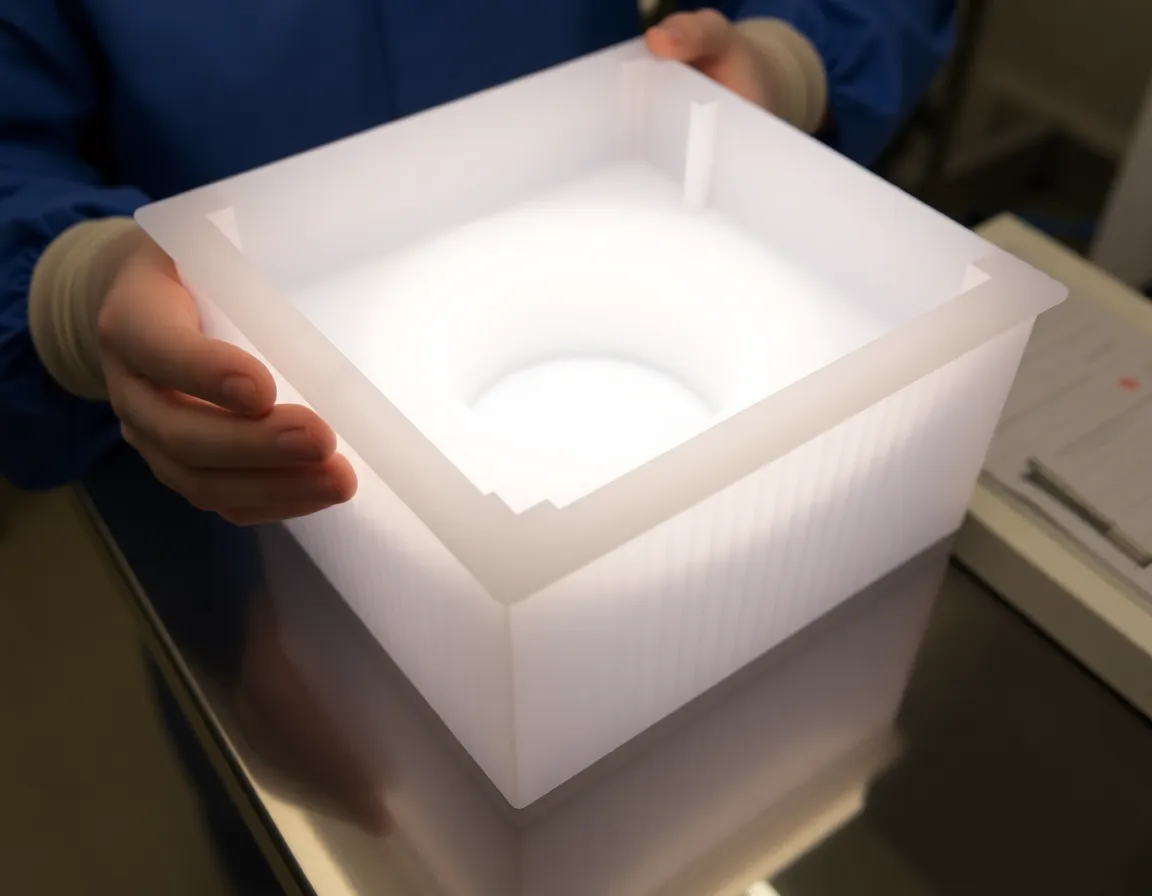
Введение: Критическая роль пластиковой упаковки в фармацевтике
В фармацевтической промышленности упаковка — это гораздо больше, чем просто контейнер. Это критически важный компонент безопасности, эффективности и соблюдения режима лечения. Формование пластиковой упаковки для фармацевтики представляет собой специализированное пересечение материаловедения, точного машиностроения и строгих нормативных требований. По мере роста глобального спроса на сложные биопрепараты, персонализированную медицину и системы доставки, ориентированные на пациента, инновации в формовании пластиковой упаковки стали центральным направлением для производителей. В этой статье рассматриваются передовые технологии, материалы и процессы, которые переопределяют способы защиты, доставки и применения фармацевтических продуктов.
Понимание формования пластиковой упаковки для фармацевтики
Формование пластиковой упаковки для фармацевтики относится к производственным процессам, используемым для создания контейнеров, укупорочных средств, устройств доставки и защитных компонентов из полимерных материалов. Эти компоненты должны соответствовать исключительно высоким стандартам чистоты, точности размеров, барьерных свойств и совместимости с широким спектром лекарственных форм. Основные используемые технологии формования включают литье под давлением, выдувное формование, и компрессионное формование, каждый из которых подходит для различных геометрий изделий и требований к производительности.
Ключевые критерии выбора материалов
Выбор пластиковой смолы является основополагающим для характеристик упаковки. К распространенным материалам относятся:
- Полипропилен (ПП): Обладает отличной химической стойкостью и выдерживает стерилизацию паром, что делает его идеальным для флаконов, шприцев и укупорочных средств для бутылок.
- Полиэтилен (ПЭ): Обеспечивает высокую ударопрочность и гибкость, обычно используется для бутылок, пипеток-капельниц и инфузионных пакетов.
- Циклический олефиновый сополимер (ЦОС) и циклический олефиновый полимер (ЦОП): Эти материалы с высокой прозрачностью и низкой экстрагируемостью все чаще используются для предварительно заполненных шприцев и флаконов для чувствительных биопрепаратов.
- Полиэтилентерефталат (ПЭТФ): Используется благодаря своим превосходным барьерным свойствам против газов и прозрачности в бутылках и блистерных упаковках.
- Поликарбонат (ПК): Выбирается за его высокую прочность и термостойкость в специализированных устройствах и соединителях.
Каждый материал должен пройти строгие испытания на экстрагируемые и выщелачиваемые вещества (E&L), чтобы гарантировать, что никакие вредные вещества не мигрируют в лекарственный препарат в течение его срока годности.
Рабочий процесс процесса формования
Основные этапы формования пластиковой упаковки для фармацевтики строго контролируются:
- Сушка смолы: Гигроскопичные полимеры, такие как ПЭТ и ПК, должны быть высушены до точного уровня влажности, чтобы предотвратить такие дефекты, как гидролиз или пузырьки.
- Литье под давлением или выдувное формование: Расплавленный пластик впрыскивается в прецизионно обработанную стальную полость формы (литье под давлением) или экструдируется в заготовку, которая раздувается против формы (выдувное формование).
- Охлаждение и извлечение: Деталь охлаждается в контролируемых условиях для минимизации усадки и коробления, затем извлекается роботизированными системами.
- Контроль в форме: Передовые камеры и датчики проверяют критические размеры, качество поверхности и отсутствие облоя или загрязнений до того, как деталь покинет форму.
- Пост-формовочная обработка: Это может включать отжиг, обработку поверхности, ультразвуковую сварку или сборку с эластомерными компонентами, такими как резиновые пробки.
Инновации #1: Передовые барьерные технологии и многослойное формование
Одной из самых значительных проблем в фармацевтической упаковке является защита лекарств, чувствительных к кислороду и влаге. Традиционные однослойные пластики часто не обеспечивают адекватных барьерных характеристик. Инновации в многослойное соинжекционное формование и соэкструзионное выдувное формование теперь позволяют производителям создавать упаковку с количеством слоев до семи. Эти слои объединяют различные полимеры для достижения свойств, которые не может обеспечить ни один отдельный материал.
Например, типичная многослойная бутылка для жидких составов может включать:
- Внешний слой из полипропилена для структурной целостности и возможности нанесения печати.
- Средний барьерный слой из этиленвинилового спирта (EVOH) или полиамида для блокировки кислорода.
- Внутренний слой из полиэтилена или циклического олефинового сополимера для совместимости с лекарственным препаратом и низкого уровня экстрагируемых веществ.
Эта технология особенно важна для биологических препаратов и генных терапий, которые часто очень чувствительны к деградации. Возможность адаптировать барьерные свойства за счет точного контроля толщины слоя, достигаемого с помощью современных сервоприводных инжекционных узлов, представляет собой значительный шаг вперед в продлении срока годности лекарств без необходимости вторичной упаковки, такой как фольгированные пакеты.
Инновация #2: Прецизионное микро-литье для устройств доставки
Рост самовводимых инъекционных препаратов, включая инсулин, агонисты GLP-1 и моноклональные антитела, стимулировал спрос на микро-литье сложных компонентов устройств. Эти детали — такие как игольные втулки, штоки плунжеров, кнопки дозирования и ограничители потока — требуют допусков, измеряемых в микронах. Инновации в этой области включают:
- Многокомпонентное литье под давлением: Машины с несколькими инжекционными узлами могут производить одну деталь из двух или более различных материалов за один цикл. Например, корпус шприца может быть отлит из жесткого полипропилена с интегрированной мягкой на ощупь рукояткой из термопластичного эластомера (ТПЭ), что исключает дополнительные этапы сборки.
- Датчики в форме и замкнутый контур управления: Мониторинг давления в полости формы, температуры и потока расплава в реальном времени позволяет машине для литья динамически корректировать параметры, обеспечивая стабильное качество деталей даже при высокоскоростных циклах.
- Литье жидкого силиконового каучука (LSR): LSR все чаще используется для уплотнений, клапанов и прокладок в устройствах доставки лекарств благодаря своей биосовместимости и гибкости. Специализированные системы литья LSR с технологией холодноканального литья минимизируют отходы материала и время отверждения.
Эти инновации позволяют производить носимые инъекторы и автоинъекторы которые меньше, надежнее и удобнее для пациентов, что напрямую улучшает приверженность терапии.
Инновация #3: Устойчивые и экологичные методы литья
Устойчивость больше не является опцией в фармацевтической упаковке. Хотя отрасль должна уделять первостепенное внимание безопасности пациентов, достигается значительный прогресс в снижении воздействия на окружающую среду благодаря инновациям в литье:
Использование переработанных и биологических смол
Фармацевтическая степень полиэтилен из вторичной переработки (ПЭВП) и полипропилена теперь доступны и соответствуют строгим стандартам экстрагируемых веществ и чистоты. Эти материалы используются во вторичной упаковке (например, крышки для бутылок, внешние контейнеры) и в некоторых случаях в первичной упаковке для менее чувствительных твердых пероральных лекарственных форм. Аналогично, биополимеры, полученные из сахарного тростника или кукурузного крахмала, такие как био-ПЭТ и био-ПП, предлагают меньший углеродный след без ущерба для производительности.
Облегчение за счет конструкции формы
Передовые вычислительные гидродинамические (CFD) и программы моделирования литья позволяют инженерам проектировать более тонкие и легкие детали, сохраняя структурную целостность. Это снижению веса снижает расход материала на 15-30% на деталь. В сочетании с системы горячеканальные которые устраняют литники и каналы, коэффициент использования материала может превышать 95%.
Энергоэффективные литьевые машины
Полностью электрические и гибридные литьевые машины теперь доминируют в фармацевтическом производстве благодаря своей точности и энергоэффективности. Эти машины используют серводвигатели вместо гидравлических насосов, снижая потребление энергии до 70% по сравнению со старыми моделями. Кроме того, индукционный нагрев поверхностей пресс-форм и адиабатическое охлаждение методы сокращают время цикла и снижают общую потребность в энергии.
Инновация #4: Интеграция интеллектуальной упаковки и сериализации
Цепочка поставок фармацевтической продукции требует надежной прослеживаемости для борьбы с контрафакцией и обеспечения безопасности пациентов. Инновации в литье теперь позволяют интегрировать интеллектуальные функции непосредственно в упаковку в процессе литья:
- Внутриформенная маркировка (IML): Метки RFID или QR-коды размещаются внутри полости формы перед впрыском. Пластик соединяется с меткой во время формования, создавая защищенную от несанкционированного доступа, постоянную систему идентификации, которую невозможно удалить или изменить.
- Микротекстурирование и лазерная маркировка: Поверхности форм могут быть engineered с микротекстурой, создающей уникальные машиночитаемые узоры (похожие на отпечатки пальцев) на пластиковой поверхности. Это позволяет защиту от подделки без дополнительных этикеток или чернил.
- Встроенные датчики: Новые технологии позволяют встраивать тонкопленочные датчики или токопроводящие полимерные дорожки во время формования. Они могут контролировать температуру, влажность или даже разложение лекарств и передавать данные через NFC на смартфон.
Эти инновации поддерживают соблюдение глобальных требований к сериализации (например, Директива ЕС о фальсифицированных лекарствах, DSCSA США), добавляя ценность за счет улучшения вовлеченности пациентов и прозрачности цепочки поставок.
Лучшие практики для формования пластиковой упаковки фармацевтических препаратов
Для стабильного достижения высочайшего качества и соответствия нормативным требованиям производители должны придерживаться нескольких лучших практик:
Проектирование для производства (DFM) и согласование с нормативными требованиями
Раннее сотрудничество между инженерами по упаковке, проектировщиками форм и специалистами по регуляторным вопросам является обязательным. Конструкция форм должна учитывать углы наклона, равномерную толщину стенок, и расположение литников для минимизации напряжений и дефектов. Одновременно конструкция должна соответствовать USP (контейнеры для инъекций), USP (характеристики контейнеров), и ISO 15378 (GMP для первичных упаковочных материалов).
Производство в чистых помещениях и контроль загрязнений
Фармацевтическое формование обычно происходит в чистых помещениях класса ISO 7 или 8 (класс 10 000 или 100 000). Ключевые практики включают:
- Использование нержавеющей стали для рам пресс-форм и керамических или покрытий полостей для предотвращения металлического загрязнения.
- Автоматизированное удаление деталей роботами и упаковка для минимизации контакта с человеком.
- Непрерывный контроль частиц и HEPA-фильтрация среды литья под давлением.
Валидация и контроль процесса
Каждый процесс литья под давлением должен пройти строгую IQ/OQ/PQ (Квалификация установки, эксплуатационная квалификация, квалификация рабочих характеристик). Критические параметры процесса (CPP), такие как температура расплава, давление впрыска, время охлаждения и температура формы, должны контролироваться и документироваться. Статистическое управление процессом (SPC) с использованием данных в реальном времени от датчиков в полости формы помогает обнаружить отклонения до того, как будут произведены несоответствующие детали.
Прослеживаемость материалов и контроль партий
Каждая используемая партия смолы должна быть полностью прослеживаемой от поставщика до готового продукта. Это включает документирование данных сертификата анализа (CoA), условий хранения и параметров сушки. Для многослойных или многокомпонентных деталей каждый источник материала должен отслеживаться независимо.
Заключение: Будущее фармацевтического литья под давлением
Инновации в литье пластиковой упаковки для фармацевтики меняют способность отрасли поставлять безопасные, эффективные и удобные для пациентов методы лечения. От современных многослойных барьеров, защищающих биопрепараты, до устойчивых материалов и интеллектуальной упаковки со встроенной прослеживаемостью — темпы изменений ускоряются. По мере того как разработка лекарств движется к более сильнодействующим и чувствительным молекулам, роль прецизионного литья будет только расти. Производители, которые инвестируют в современное оборудование, надежные системы качества и межфункциональное сотрудничество, будут наилучшим образом подготовлены к удовлетворению двойных требований нормативной строгости и экологической ответственности. В конечном счете, эти инновации касаются не только литья пластика — они касаются формирования доверия к фармацевтической цепочке поставок.