
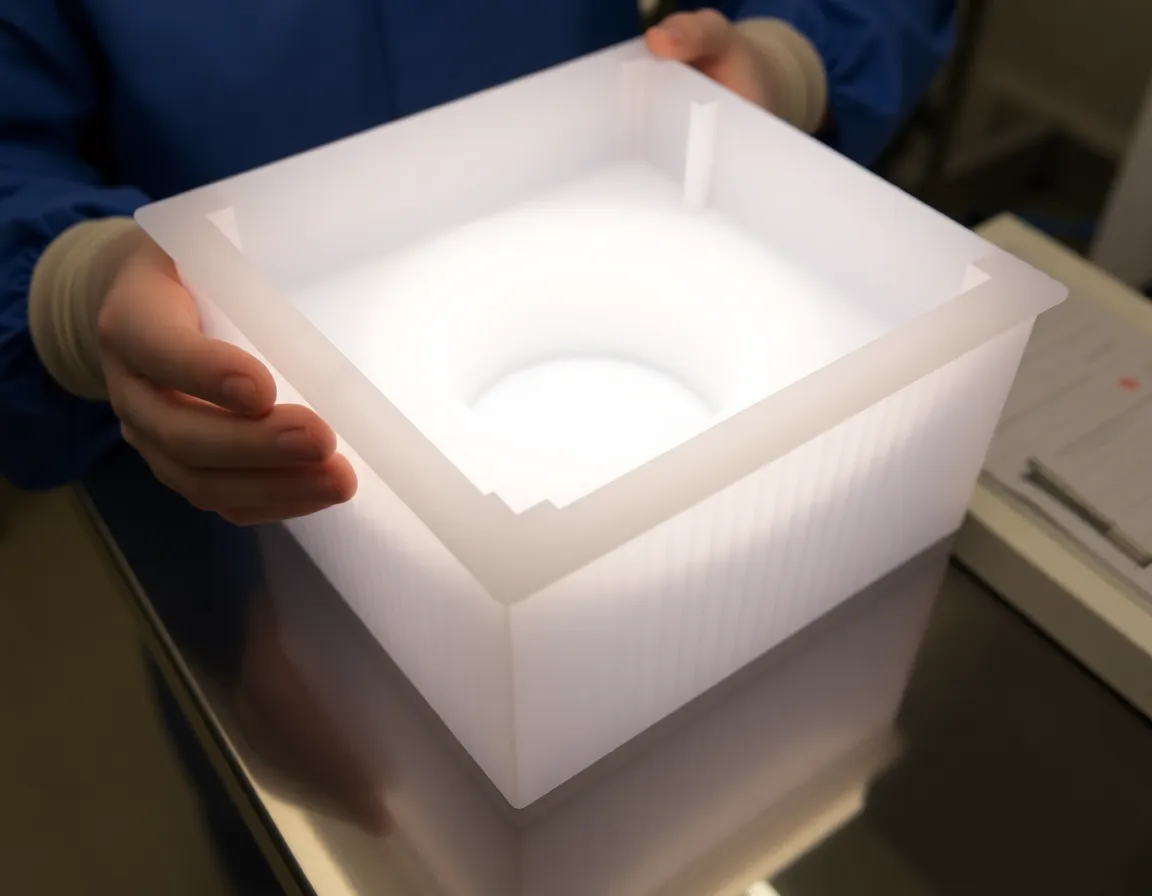
소개: 제약 분야에서 플라스틱 포장의 중요성
제약 산업에서 포장은 단순한 용기가 아닙니다. 이는 약물 안전성, 효능, 환자 순응도의 중요한 구성 요소입니다. 제약용 플라스틱 포장 성형은 재료 과학, 정밀 공학, 엄격한 규제 준수의 특수한 교차점을 나타냅니다. 복잡한 생물학적 제제, 맞춤형 의약품, 환자 중심 투약 시스템에 대한 전 세계적 수요가 증가함에 따라 플라스틱 포장 성형의 혁신은 제조업체의 핵심 초점이 되었습니다. 이 기사는 제약 제품이 보호, 전달, 투여되는 방식을 재정의하는 최첨단 기술, 재료 및 공정을 탐구합니다.
제약용 플라스틱 포장 성형 이해
제약용 플라스틱 포장 성형은 고분자 재료로 용기, 마개, 투약 장치 및 보호 구성 요소를 만드는 데 사용되는 제조 공정을 말합니다. 이러한 구성 요소는 순도, 치수 정확도, 차단 특성 및 다양한 약물 제형과의 호환성에 대해 매우 높은 기준을 충족해야 합니다. 사용되는 주요 성형 기술은 다음과 같습니다. 사출 성형, 블로우 성형, 및 압축 성형, 각각 다른 제품 형상과 성능 요구 사항에 적합합니다.
주요 재료 선정 기준
플라스틱 수지의 선택은 포장 성능의 기초입니다. 일반적인 재료는 다음과 같습니다:
- 폴리프로필렌(PP): 우수한 내화학성과 증기 멸균성을 제공하여 바이알, 주사기 및 병마개에 이상적입니다.
- 폴리에틸렌(PE): 높은 내충격성과 유연성을 제공하며, 병, 점적기 및 정맥 주사 백에 일반적으로 사용됩니다.
- 환상 올레핀 공중합체(COC) 및 환상 올레핀 중합체(COP): 이들은 고투명성, 저용출성 재료로, 민감한 생물학적 제제용 사전 충전 주사기와 바이알에 점점 더 선호되고 있습니다.
- 폴리에틸렌 테레프탈레이트(PET): 우수한 가스 차단성과 투명성으로 병과 블리스터 팩에 사용됩니다.
- 폴리카보네이트(PC): 높은 강도와 내열성으로 인해 특수 장치 및 커넥터에 선택됩니다.
각 재료는 유통 기한 동안 유해 물질이 의약품으로 이동하지 않도록 엄격한 추출물 및 용출물(E&L) 테스트를 거쳐야 합니다.
성형 공정 워크플로우
의약품 플라스틱 포장 성형의 핵심 단계는 고도로 통제됩니다:
- 수지 건조: PET 및 PC와 같은 흡습성 폴리머는 가수분해나 기포와 같은 결함을 방지하기 위해 정밀한 수분 수준으로 건조되어야 합니다.
- 사출 또는 블로우 성형: 용융 플라스틱은 정밀 가공된 강철 몰드 캐비티에 사출(사출 성형)되거나, 몰드에 대해 팽창되는 패리슨으로 압출(블로우 성형)됩니다.
- 냉각 및 취출: 부품은 수축과 휨을 최소화하기 위해 통제된 조건에서 냉각된 후 로봇 시스템에 의해 취출됩니다.
- 금형 내 검사: 고급 카메라와 센서는 부품이 금형을 떠나기 전에 중요 치수, 표면 마감, 플래시 또는 오염 부재를 검증합니다.
- 성형 후 처리: 여기에는 어닐링, 표면 처리, 초음파 용접 또는 고무 마개와 같은 엘라스토머 부품과의 조립이 포함될 수 있습니다.
혁신 #1: 고급 배리어 기술 및 다층 성형
One of the most significant challenges in pharmaceutical packaging is protecting oxygen- and moisture-sensitive drugs. Traditional single-layer plastics often fail to provide adequate barrier performance. Innovations in multilayer co-injection molding 및 co-extrusion blow molding now allow manufacturers to create packaging with up to seven distinct layers. These layers combine different polymers to achieve properties that no single material can offer.
For example, a typical multilayer bottle for liquid formulations might include:
- An outer layer of polypropylene for structural integrity and printability.
- A middle barrier layer of ethylene vinyl alcohol (EVOH) 또는 polyamide to block oxygen.
- An inner layer of polyethylene 또는 cyclic olefin copolymer for drug contact compatibility and low extractables.
This technology is particularly vital for biologics 및 gene therapies, which are often highly sensitive to degradation. The ability to tailor barrier properties through precise layer thickness control, achieved via advanced servo-driven injection units, represents a major leap forward in extending drug shelf life without the need for secondary packaging like foil pouches.
Innovation #2: Precision Micro-Molding for Delivery Devices
The rise of self-administered injectable drugs, including insulin, GLP-1 agonists, and monoclonal antibodies, has driven demand for micro-molding of complex device components. These parts—such as needle hubs, plunger rods, dose buttons, and flow restrictors—require tolerances measured in microns. Innovations in this space include:
- Multi-component injection molding: Machines with multiple injection units can produce a single part from two or more different materials in one cycle. For example, a syringe barrel can be molded with a rigid polypropylene body and an integrated soft-touch thermoplastic elastomer (TPE) grip, eliminating secondary assembly steps.
- In-mold sensors and closed-loop control: Real-time monitoring of cavity pressure, temperature, and melt flow allows the molding machine to adjust parameters dynamically, ensuring consistent part quality even with high-speed cycles.
- Liquid silicone rubber (LSR) molding: LSR is increasingly used for seals, valves, and gaskets in drug delivery devices due to its biocompatibility and flexibility. Dedicated LSR injection molding systems with cold-runner technology minimize material waste and cure times.
These innovations enable the production of wearable injectors 및 auto-injectors that are smaller, more reliable, and easier for patients to use, directly improving therapeutic adherence.
Innovation #3: Sustainable and Eco-Friendly Molding Practices
Sustainability is no longer optional in pharmaceutical packaging. While the industry must prioritize patient safety, significant progress is being made in reducing environmental impact through molding innovations:
Use of Recycled and Bio-Based Resins
Pharmaceutical-grade post-consumer recycled (PCR) polyethylene 및 polypropylene are now available that meet strict extractables and purity standards. These materials are being used in secondary packaging (e.g., bottle caps, outer containers) and, in some cases, primary packaging for less sensitive oral solid dosage forms. Similarly, bio-based polymers derived from sugarcane or corn starch, such as bio-PET 및 bio-PP, offer a lower carbon footprint without compromising performance.
Lightweighting Through Mold Design
Advanced computational fluid dynamics (CFD) and mold flow simulation software enable engineers to design thinner, lighter parts while maintaining structural integrity. This lightweighting reduces material consumption by 15-30% per part. Combined with hot-runner systems that eliminate sprues and runners, material utilization rates can exceed 95%.
Energy-Efficient Molding Machines
All-electric and hybrid injection molding machines now dominate pharmaceutical production due to their precision and energy efficiency. These machines use servo motors instead of hydraulic pumps, reducing energy consumption by up to 70% compared to older models. Furthermore, inductive heating of mold surfaces and adiabatic cooling techniques shorten cycle times and lower overall energy demand.
Innovation #4: Smart Packaging and Serialization Integration
The pharmaceutical supply chain demands robust traceability to combat counterfeiting and ensure patient safety. Innovations in molding now enable the integration of smart features directly into the packaging during the molding process:
- In-mold labeling (IML): RFID tags or QR code labels are placed inside the mold cavity before injection. The plastic fuses with the label during molding, creating a tamper-evident, permanent identification system that cannot be removed or altered.
- Micro-texturing and laser marking: Mold surfaces can be engineered with micro-scale textures that create unique, machine-readable patterns (similar to fingerprints) on the plastic surface. This allows for anti-counterfeiting without additional labels or inks.
- Molded-in sensors: Emerging technologies allow for the embedding of thin-film sensors or conductive polymer traces during molding. These can monitor temperature, humidity, or even drug degradation and communicate data via NFC to a smartphone.
These innovations support compliance with global serialization regulations (e.g., EU Falsified Medicines Directive, US DSCSA) while adding value through enhanced patient engagement and supply chain visibility.
Best Practices for Pharmaceutical Plastic Packaging Molding
To consistently achieve the highest quality and regulatory compliance, manufacturers must adhere to several best practices:
Design for Manufacturing (DFM) and Regulatory Alignment
Early collaboration between packaging engineers, mold designers, and regulatory affairs teams is essential. Mold designs must account for draft angles, uniform wall thickness, 및 gate placement to minimize stress and defects. Simultaneously, the design must comply with USP <660> (containers for injection), USP <671> (container performance), and ISO 15378 (GMP for primary packaging materials).
Cleanroom Manufacturing and Contamination Control
Pharmaceutical molding typically occurs in ISO Class 7 or 8 cleanrooms (Class 10,000 or 100,000). Key practices include:
- Use of stainless steel mold frames and ceramic 또는 coated cavities to prevent metallic contamination.
- Automated robotic part removal and packaging to minimize human contact.
- Continuous particulate monitoring 및 HEPA filtration of the molding environment.
Validation and Process Control
Every molding process must undergo rigorous IQ/OQ/PQ (Installation, Operational, Performance Qualification). Critical process parameters (CPP) such as melt temperature, injection pressure, cooling time, and mold temperature must be monitored and documented. Statistical process control (SPC) using real-time data from cavity sensors helps detect drift before non-conforming parts are produced.
Material Traceability and Lot Control
Every resin lot used must be fully traceable from supplier to finished product. This includes documenting Certificate of Analysis (CoA) data, storage conditions, and drying parameters. For multi-layer or multi-component parts, each material source must be tracked independently.
Conclusion: The Future of Pharmaceutical Molding
The innovations in pharmaceutical plastic packaging molding are reshaping the industry’s ability to deliver safe, effective, and patient-friendly therapies. From advanced multilayer barriers that protect biologics to sustainable materials and smart packaging with embedded traceability, the pace of change is accelerating. As drug development moves toward more potent and sensitive molecules, the role of precision molding will only grow in importance. Manufacturers who invest in state-of-the-art equipment, robust quality systems, and cross-functional collaboration will be best positioned to meet the dual demands of regulatory rigor and environmental responsibility. Ultimately, these innovations are not just about molding plastic—they are about molding trust in the pharmaceutical supply chain.