
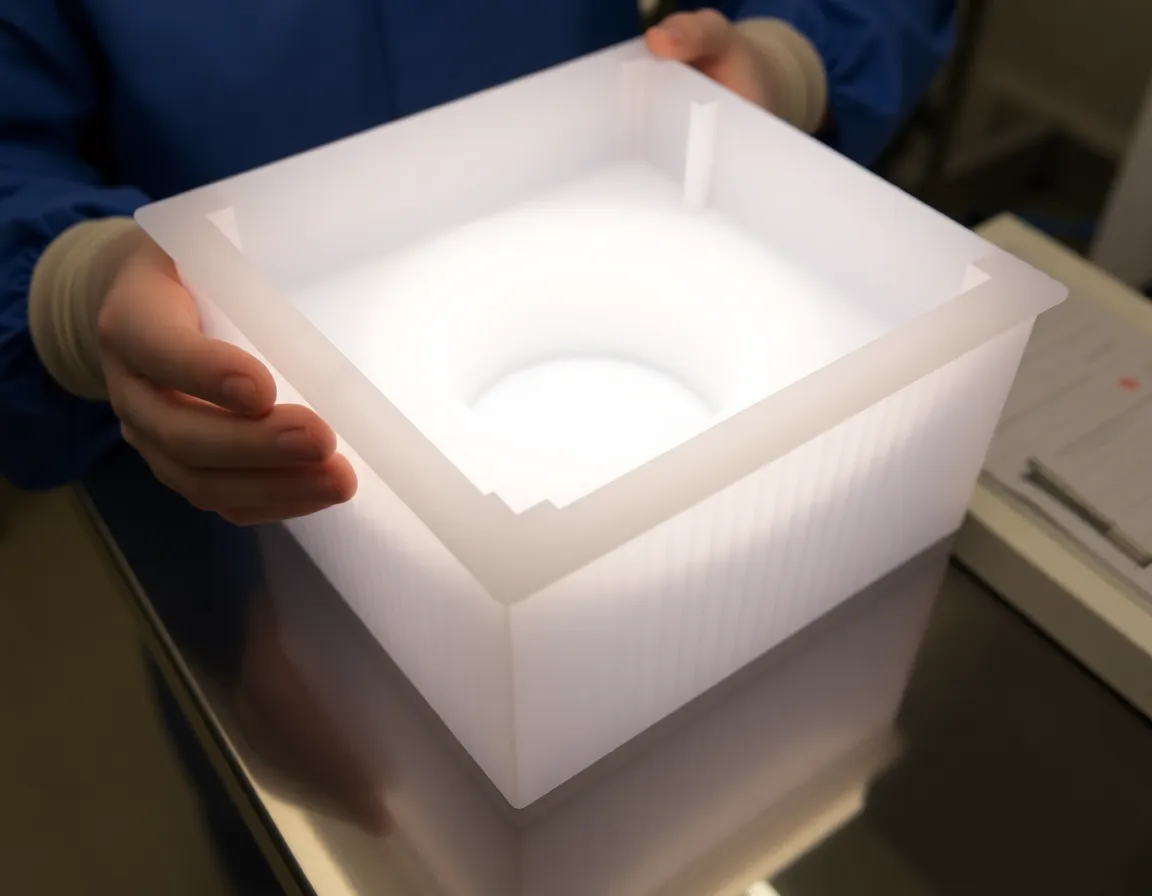
Introduzione: Il ruolo critico degli imballaggi in plastica nel settore farmaceutico
Nell'industria farmaceutica, l'imballaggio è molto più di un contenitore. È un componente critico per la sicurezza dei farmaci, l'efficacia e la conformità del paziente. Lo stampaggio di imballaggi in plastica farmaceutica rappresenta un'intersezione specializzata tra scienza dei materiali, ingegneria di precisione e rigorosa conformità normativa. Con la crescita della domanda globale di prodotti biologici complessi, medicina personalizzata e sistemi di somministrazione incentrati sul paziente, le innovazioni nello stampaggio di imballaggi in plastica sono diventate un punto focale per i produttori. Questo articolo esplora le tecnologie all'avanguardia, i materiali e i processi che stanno ridefinendo il modo in cui i prodotti farmaceutici vengono protetti, consegnati e somministrati.
Comprensione dello stampaggio di imballaggi in plastica farmaceutica
Lo stampaggio di imballaggi in plastica farmaceutica si riferisce ai processi di produzione utilizzati per creare contenitori, chiusure, dispositivi di somministrazione e componenti protettivi da materiali polimerici. Questi componenti devono soddisfare standard eccezionalmente elevati di purezza, precisione dimensionale, proprietà barriera e compatibilità con un'ampia gamma di formulazioni farmaceutiche. Le principali tecnologie di stampaggio impiegate includono stampaggio a iniezione, stampaggio per soffiatura, e stampaggio a compressione, ciascuno adatto a diverse geometrie di prodotto e requisiti prestazionali.
Criteri chiave per la selezione dei materiali
La scelta della resina plastica è fondamentale per le prestazioni dell'imballaggio. I materiali comuni includono:
- Polipropilene (PP): Offre un'eccellente resistenza chimica e sterilizzabilità a vapore, rendendolo ideale per fiale, siringhe e chiusure per bottiglie.
- Polietilene (PE): Offre un'elevata resistenza all'impatto e flessibilità, comunemente utilizzato per bottiglie, contagocce e sacche per flebo.
- Copolimero di olefina ciclica (COC) e polimero di olefina ciclica (COP): Questi materiali ad alta trasparenza e basso contenuto di estraibili sono sempre più preferiti per siringhe preriempite e fiale per prodotti biologici sensibili.
- Polietilene tereftalato (PET): Utilizzato per le sue superiori proprietà barriera ai gas e trasparenza in bottiglie e blister.
- Policarbonato (PC): Scelto per la sua elevata resistenza e stabilità termica in dispositivi e connettori specializzati.
Ogni materiale deve essere sottoposto a rigorosi test di estraibili e lisciviabili (E&L) per garantire che nessuna sostanza nociva migri nel prodotto farmaceutico durante la sua durata di conservazione.
Il Flusso di Lavoro del Processo di Stampaggio
Le fasi principali dello stampaggio di imballaggi farmaceutici in plastica sono altamente controllate:
- Essiccazione della Resina: I polimeri igroscopici come PET e PC devono essere essiccati a livelli di umidità precisi per prevenire difetti come idrolisi o bolle.
- Stampaggio a Iniezione o Soffiaggio: La plastica fusa viene iniettata in una cavità di stampo in acciaio lavorata con precisione (stampaggio a iniezione) o estrusa in una parison che viene gonfiata contro uno stampo (stampaggio a soffiaggio).
- Raffreddamento ed Estrazione: Il pezzo viene raffreddato in condizioni controllate per minimizzare ritiro e deformazione, quindi estratto da sistemi robotici.
- Ispezione in Stampo: Telecamere e sensori avanzati verificano dimensioni critiche, finitura superficiale e assenza di bave o contaminazione prima che il pezzo lasci lo stampo.
- Lavorazione Post-Stampaggio: Questa può includere ricottura, trattamento superficiale, saldatura a ultrasuoni o assemblaggio con componenti elastomerici come tappi di gomma.
Innovazione #1: Tecnologie Avanzate di Barriera e Stampaggio Multistrato
Una delle sfide più significative nel confezionamento farmaceutico è la protezione dei farmaci sensibili all'ossigeno e all'umidità. Le plastiche monostrato tradizionali spesso non riescono a fornire prestazioni di barriera adeguate. Le innovazioni nello stampaggio a co-iniezione multistrato e soffiaggio per co-estrusione ora consentono ai produttori di creare imballaggi con fino a sette strati distinti. Questi strati combinano diversi polimeri per ottenere proprietà che nessun singolo materiale può offrire.
Ad esempio, una tipica bottiglia multistrato per formulazioni liquide potrebbe includere:
- Uno strato esterno di polipropilene per l'integrità strutturale e la stampabilità.
- Uno strato barriera intermedio di alcol etilenvinilico (EVOH) o poliammide per bloccare l'ossigeno.
- Uno strato interno di polietilene o copolimero ciclico di olefina per la compatibilità con il contatto con farmaci e bassi livelli di estraibili.
Questa tecnologia è particolarmente vitale per prodotti biologici e terapie geniche, che sono spesso altamente sensibili alla degradazione. La capacità di adattare le proprietà barriera attraverso un controllo preciso dello spessore degli strati, ottenuto tramite avanzate unità di iniezione servoazionate, rappresenta un importante passo avanti nell'estensione della durata di conservazione dei farmaci senza la necessità di imballaggi secondari come buste di alluminio.
Innovazione #2: Micro-stampaggio di precisione per dispositivi di somministrazione
L'aumento dei farmaci iniettabili auto-somministrati, inclusi insulina, agonisti del GLP-1 e anticorpi monoclonali, ha guidato la domanda di micro-stampaggio di componenti complessi per dispositivi. Queste parti, come mozzi di aghi, stantuffi, pulsanti di dosaggio e limitatori di flusso, richiedono tolleranze misurate in micron. Le innovazioni in questo settore includono:
- Stampaggio a componenti multipli: Le macchine con più unità di iniezione possono produrre un singolo pezzo da due o più materiali diversi in un unico ciclo. Ad esempio, un cilindro di siringa può essere stampato con un corpo rigido in polipropilene e una impugnatura integrata in elastomero termoplastico (TPE) soft-touch, eliminando fasi di assemblaggio secondarie.
- Sensori nello stampo e controllo a circuito chiuso: Il monitoraggio in tempo reale della pressione in cavità, della temperatura e del flusso di fusione consente alla macchina di stampaggio di regolare i parametri in modo dinamico, garantendo una qualità costante del pezzo anche con cicli ad alta velocità.
- Stampaggio di silicone liquido (LSR): Il LSR è sempre più utilizzato per guarnizioni, valvole e tenute nei dispositivi di somministrazione di farmaci grazie alla sua biocompatibilità e flessibilità. I sistemi dedicati di stampaggio a iniezione di LSR con tecnologia a canale freddo riducono al minimo lo spreco di materiale e i tempi di polimerizzazione.
Queste innovazioni consentono la produzione di iniettabili indossabili e auto-iniettori più piccoli, più affidabili e più facili da usare per i pazienti, migliorando direttamente l'aderenza terapeutica.
Innovazione #3: Pratiche di stampaggio sostenibili ed ecologiche
La sostenibilità non è più un'opzione nel packaging farmaceutico. Sebbene l'industria debba dare priorità alla sicurezza del paziente, si stanno facendo progressi significativi nella riduzione dell'impatto ambientale attraverso innovazioni nello stampaggio:
Uso di resine riciclate e biobased
Polietilene riciclato post-consumo (PCR) di grado farmaceutico e polipropilene sono ora disponibili e soddisfano rigorosi standard di estraibili e purezza. Questi materiali sono utilizzati nel packaging secondario (ad esempio, tappi per bottiglie, contenitori esterni) e, in alcuni casi, nel packaging primario per forme di dosaggio solide orali meno sensibili. Allo stesso modo, i polimeri biobased derivati da canna da zucchero o amido di mais, come bio-PET e bio-PP, offrono una minore impronta di carbonio senza compromettere le prestazioni.
Alleggerimento attraverso la progettazione dello stampo
Software avanzati di fluidodinamica computazionale (CFD) e simulazione del flusso di stampo consentono agli ingegneri di progettare parti più sottili e leggere mantenendo l'integrità strutturale. Questo alleggerimento riduce il consumo di materiale del 15-30% per pezzo. Combinato con sistemi a canale caldo che eliminano canali e materozze, i tassi di utilizzo del materiale possono superare il 95%.
Macchine per stampaggio a risparmio energetico
Le macchine per stampaggio a iniezione completamente elettriche e ibride ora dominano la produzione farmaceutica grazie alla loro precisione ed efficienza energetica. Queste macchine utilizzano servomotori invece di pompe idrauliche, riducendo il consumo energetico fino al 70% rispetto ai modelli più vecchi. Inoltre, riscaldamento induttivo delle superfici dello stampo e tecniche di raffreddamento adiabatico riducono i tempi di ciclo e abbassano il fabbisogno energetico complessivo.
Innovazione #4: Integrazione di packaging intelligente e serializzazione
La catena di approvvigionamento farmaceutica richiede una tracciabilità robusta per combattere la contraffazione e garantire la sicurezza del paziente. Le innovazioni nello stampaggio ora consentono l'integrazione di funzionalità intelligenti direttamente nell'imballaggio durante il processo di stampaggio:
- Etichettatura in stampo (IML): Le etichette RFID o i codici QR vengono posizionati all'interno della cavità dello stampo prima dell'iniezione. La plastica si fonde con l'etichetta durante lo stampaggio, creando un sistema di identificazione permanente e a prova di manomissione che non può essere rimosso o alterato.
- Micro-trattamento superficiale e marcatura laser: Le superfici degli stampi possono essere progettate con texture a micro-scala che creano pattern unici e leggibili meccanicamente (simili a impronte digitali) sulla superficie plastica. Ciò consente anti-contraffazione senza etichette o inchiostri aggiuntivi.
- Sensori integrati nello stampaggio: Le tecnologie emergenti consentono l'incorporamento di sensori a film sottile o tracce polimeriche conduttive durante lo stampaggio. Questi possono monitorare temperatura, umidità o persino la degradazione dei farmaci e comunicare dati tramite NFC a uno smartphone.
Queste innovazioni supportano la conformità alle normative globali sulla serializzazione (es. Direttiva UE sui medicinali falsificati, DSCSA USA) aggiungendo valore attraverso un maggiore coinvolgimento del paziente e visibilità della catena di approvvigionamento.
Migliori Pratiche per lo Stampaggio di Imballaggi Farmaceutici in Plastica
Per raggiungere costantemente la massima qualità e conformità normativa, i produttori devono seguire diverse migliori pratiche:
Progettazione per la Produzione (DFM) e Allineamento Normativo
La collaborazione precoce tra ingegneri di imballaggio, progettisti di stampi e team di affari normativi è essenziale. I progetti degli stampi devono tenere conto di angoli di sformo, spessore uniforme delle pareti, e posizionamento dei punti di iniezione per minimizzare stress e difetti. Simultaneamente, il progetto deve essere conforme a USP (contenitori per iniezione), USP (prestazioni del contenitore), e ISO 15378 (GMP per materiali di confezionamento primario).
Produzione in camera bianca e controllo della contaminazione
Lo stampaggio farmaceutico avviene tipicamente in camere bianche di Classe ISO 7 o 8 (Classe 10.000 o 100.000). Le pratiche chiave includono:
- Uso di telai per stampi in acciaio inossidabile e rivestiti in o ceramica cavities to prevent metallic contamination.
- Automated robotic part removal and packaging to minimize human contact.
- Continuous particulate monitoring e HEPA filtration of the molding environment.
Validation and Process Control
Every molding process must undergo rigorous IQ/OQ/PQ (Installation, Operational, Performance Qualification). Critical process parameters (CPP) such as melt temperature, injection pressure, cooling time, and mold temperature must be monitored and documented. Statistical process control (SPC) using real-time data from cavity sensors helps detect drift before non-conforming parts are produced.
Material Traceability and Lot Control
Every resin lot used must be fully traceable from supplier to finished product. This includes documenting Certificate of Analysis (CoA) data, storage conditions, and drying parameters. For multi-layer or multi-component parts, each material source must be tracked independently.
Conclusion: The Future of Pharmaceutical Molding
The innovations in pharmaceutical plastic packaging molding are reshaping the industry’s ability to deliver safe, effective, and patient-friendly therapies. From advanced multilayer barriers that protect biologics to sustainable materials and smart packaging with embedded traceability, the pace of change is accelerating. As drug development moves toward more potent and sensitive molecules, the role of precision molding will only grow in importance. Manufacturers who invest in state-of-the-art equipment, robust quality systems, and cross-functional collaboration will be best positioned to meet the dual demands of regulatory rigor and environmental responsibility. Ultimately, these innovations are not just about molding plastic—they are about molding trust in the pharmaceutical supply chain.