
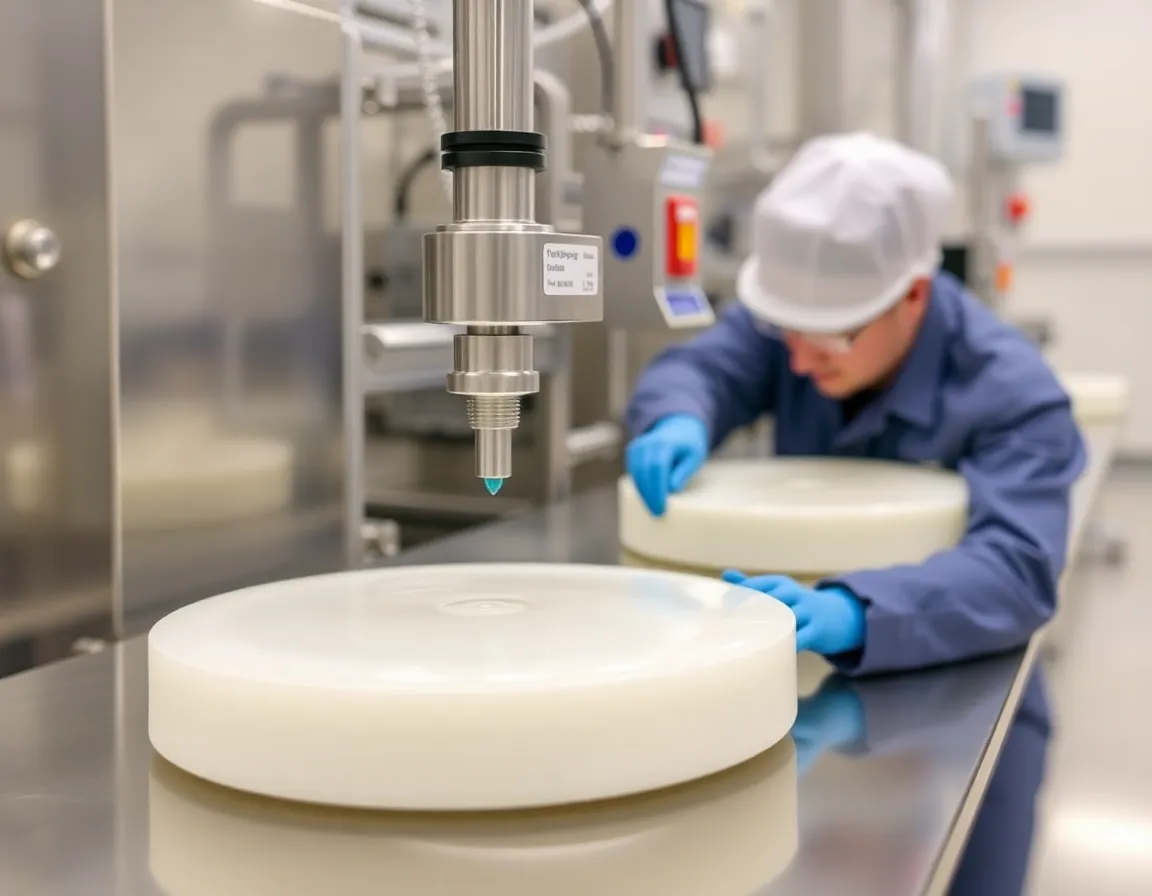
Introduction to Precision Medical Plastic Assembly
The medical device industry stands as one of the most rigorously regulated sectors in the global economy, demanding unparalleled levels of precision, reliability, and sterility. At the heart of many life-saving and diagnostic devices lies medical plastic assembly—the specialized process of joining, bonding, and integrating plastic components into functional medical products. From single-use surgical instruments to complex implantable drug delivery systems, the integrity of these assemblies directly impacts patient safety and clinical outcomes. This article explores the critical benefits of precision medical plastic assembly services, offering a comprehensive overview of what these services entail, their operational mechanisms, and why they are indispensable for modern healthcare innovation.
Qu'est-ce que l'assemblage de plastique médical ?
L'assemblage de plastique médical fait référence aux processus de fabrication utilisés pour combiner plusieurs pièces en plastique—souvent moulées par injection, extrudées ou thermoformées—en un dispositif médical fini ou un sous-ensemble. Contrairement à l'assemblage de plastique général, les applications médicales nécessitent le respect de normes réglementaires strictes telles que ISO 13485, FDA 21 CFR Partie 820, et les Bonnes Pratiques de Fabrication (BPF). Ces services englobent une large gamme de techniques d'assemblage, y compris le soudage par ultrasons, le soudage laser, le collage par solvant, le collage adhésif, le rivetage thermique, et l'emmanchement à force. Chaque méthode est sélectionnée en fonction des propriétés du matériau, de la géométrie de conception et des exigences fonctionnelles du dispositif, garantissant que l'assemblage final répond à des critères rigoureux de performance et de biocompatibilité.
Composants clés des services d'assemblage de plastique médical
Un fournisseur professionnel d'assemblage de plastique médical offre généralement un soutien de bout en bout, de la consultation sur la conception pour la fabricabilité (DFM) jusqu'aux tests de qualité finaux. Les services de base comprennent :
- Conseil en sélection de matériaux : Conseils d'experts sur le choix de polymères de qualité médicale tels que le polycarbonate, l'ABS, le PEEK, le polypropylène et le silicone qui répondent aux normes de biocompatibilité USP Classe VI ou ISO 10993.
- Développement du processus d'assemblage : Optimisation des paramètres de soudage, des formulations adhésives ou des systèmes de solvants pour obtenir des liaisons solides, étanches et reproductibles.
- Assemblage en salle blanche : Fabrication dans des environnements contrôlés (classe ISO 7 ou 8) pour minimiser la contamination particulaire et garantir la stérilité des dispositifs critiques.
- Assemblage automatisé et manuel : Intégration de la robotique pour une production à grand volume et constante, combinée à un assemblage manuel qualifié pour les produits complexes ou à faible volume.
- Assurance qualité et tests : Mise en œuvre d'inspections en cours de processus, de tests de traction, de tests de pression d'éclatement, de tests d'étanchéité et de vérification dimensionnelle pour valider l'intégrité de l'assemblage.
Comment fonctionne l'assemblage médical en plastique de précision
Le flux de travail de l'assemblage médical en plastique de précision est méticuleusement structuré pour éliminer la variabilité et garantir la conformité. Il commence par un examen approfondi de la conception du dispositif et de l'application clinique prévue. Les ingénieurs analysent la géométrie, l'épaisseur de paroi et la compatibilité des matériaux pour déterminer la méthode d'assemblage la plus appropriée. Par exemple, le soudage par ultrasons est souvent choisi pour les thermoplastiques rigides en raison de sa rapidité et de sa capacité à créer des joints hermétiques sans consommables, tandis que le soudage laser est préféré pour les assemblages nécessitant un stress thermique minimal ou pour joindre des matériaux transparents et opaques.
Processus d'assemblage étape par étape
Un cycle d'assemblage typique implique plusieurs étapes critiques :
- Préparation des composants : Les pièces en plastique sont inspectées pour vérifier la précision dimensionnelle et la propreté de surface. Toute bavure, agent de démoulage ou contaminant est éliminé pour garantir une liaison optimale.
- Fixation et alignement : Les composants sont positionnés avec précision à l'aide de fixations personnalisées qui les maintiennent en alignement exact pendant le processus d'assemblage. Ceci est crucial pour maintenir des tolérances aussi serrées que ±0,001 pouce.
- Exécution de l'assemblage : Le processus sélectionné est appliqué sous des paramètres contrôlés—température, pression, temps et fréquence—pour créer une liaison cohérente. Pour le collage adhésif, le durcissement peut avoir lieu dans des chambres à humidité contrôlée ou à lumière UV.
- Inspection en cours de processus : Operators or automated vision systems check for visual defects, bond line uniformity, and proper fit. Statistical process control (SPC) data is collected to monitor trends.
- Post-Assembly Testing: Finished assemblies undergo functional tests such as leak testing for fluid pathways, pull tests for mechanical strength, and sterilization validation if required.
- Packaging and Traceability: Assemblies are packaged in cleanroom-compatible materials with full lot traceability, including date codes, material lot numbers, and process parameters.
Key Benefits of Precision Medical Plastic Assembly Services
The adoption of professional medical plastic assembly services offers transformative advantages that extend far beyond basic component joining. These benefits are critical for device manufacturers aiming to accelerate time-to-market while maintaining the highest safety standards.
Enhanced Product Reliability and Safety
The foremost benefit is the dramatic improvement in device reliability. Precision assembly techniques, such as laser welding or ultrasonic bonding, create joints that are often stronger than the parent materials themselves. For example, a blood filter housing assembled via le soudage par ultrasons can withstand repeated pressure cycles without leakage, directly preventing patient exposure to contaminants. Furthermore, the elimination of screws, fasteners, or adhesives that could degrade over time reduces the risk of device failure in vivo. Rigorous testing protocols—including burst pressure, tensile strength, and fatigue testing—ensure that every assembly meets the demanding requirements of medical applications.
Regulatory Compliance and Documentation
Navigating the complex landscape of medical device regulations is a formidable challenge. Professional assembly services provide comprehensive documentation, including material certifications, process validation reports (IQ/OQ/PQ), and device history records (DHR). This documentation is essential for FDA submissions, CE marking, and ISO audits. By partnering with a certified assembly provider, manufacturers gain confidence that their products comply with standards such as ISO 13485:2016 et des 21 CFR Part 820. This reduces the risk of costly recalls or regulatory non-compliance, which can have severe financial and reputational consequences.
Cost Efficiency and Scalability
While precision assembly may seem cost-intensive, it actually reduces total manufacturing costs in several ways. Automated assembly systems achieve high throughput with minimal scrap rates, lowering per-unit costs for high-volume products. Additionally, the use of design for assembly (DFA) principles minimizes the number of components and simplifies joining steps, further reducing material and labor expenses. For low-volume or custom devices, flexible assembly cells can be quickly reconfigured, avoiding the need for expensive dedicated tooling. This scalability allows manufacturers to efficiently transition from prototyping to full-scale production without capital-intensive investments.
Design Flexibility and Innovation
Advanced plastic assembly techniques enable design possibilities that are impossible with traditional metal fasteners or adhesives. For instance, le soudage laser can join complex three-dimensional geometries, allowing engineers to create compact, lightweight devices with integrated fluid channels, snap-fit features, or optical windows. Solvent bonding can produce transparent, bubble-free joints ideal for viewing windows in diagnostic cartridges. This design freedom fosters innovation in areas such as wearable drug delivery systems, miniaturized surgical tools, and point-of-care diagnostic devices. Manufacturers can push the boundaries of functionality while maintaining the structural integrity required for clinical use.
Sterility and Cleanliness Assurance
Medical devices often require sterilization before use, and assembly processes must not compromise sterility. Precision assembly in cleanroom environments ensures that components are joined without introducing contaminants. Techniques like le soudage par ultrasons generate localized heat that can actually sterilize the bond interface, while adhesive bonding uses medical-grade, biocompatible adhesives that resist microbial growth. Post-assembly, the entire product can be sterilized via ethylene oxide (EtO), gamma radiation, or autoclaving without degrading the plastic joints. This integrated approach to cleanliness is vital for devices used in surgical, implantable, or injectable applications.
Applications Across the Medical Device Spectrum
Medical plastic assembly services are utilized across a vast array of device categories, each with unique requirements:
Diagnostic and Point-of-Care Devices
In vitro diagnostic (IVD) devices, such as blood glucose test strips, lateral flow assays, and microfluidic cartridges, rely on precise assembly of plastic housings, membranes, and fluidic channels. Laser welding is commonly used to seal microfluidic chips without blocking micron-sized channels, ensuring accurate sample flow and reliable test results. The assembly must be free of leaks and particulate contamination to prevent false positives or negatives.
Surgical Instruments and Implants
Single-use surgical instruments, including trocars, clip appliers, and biopsy needles, require assemblies that withstand high mechanical loads and sterilization cycles. Le soudage par ultrasons provides strong, hermetic seals for handles and shafts, while adhesive bonding attaches metal cutting tips to plastic bodies. For implantable devices like orthopedic anchors or drug-eluting stents, assembly must occur in cleanrooms with strict control over particulate and biological contamination.
Drug Delivery Systems
Prefilled syringes, autoinjectors, and insulin pumps depend on precision assembly to maintain sterility and dosing accuracy. The joining of syringe barrels, plungers, and needle hubs must create leak-proof seals that prevent contamination and ensure consistent delivery volumes. Solvent bonding is often used for polycarbonate and acrylic components in these systems, as it creates optical clarity and strong chemical resistance.
Respiratory and Anesthesia Equipment
CPAP masks, ventilator circuits, and nebulizers require assemblies that are airtight, lightweight, and comfortable for patients. Heat staking and press-fitting are employed to attach silicone seals to rigid plastic frames, while ultrasonic welding joins tubing connectors. The assemblies must pass stringent leak tests to ensure proper airflow and prevent patient injury.
Best Practices for Partnering with a Medical Plastic Assembly Provider
To maximize the benefits of medical plastic assembly services, device manufacturers should follow these best practices:
- Engage Early in the Design Phase: Involve the assembly partner during product design to optimize for manufacturability. Early DFM reviews can identify potential issues like incompatible materials, difficult-to-weld geometries, or inadequate draft angles for fixturing.
- Demand Comprehensive Validation: Ensure the provider offers process validation (IQ/OQ/PQ) and maintains a robust change management system. This is critical for regulatory submissions and long-term quality consistency.
- Prioritize Material Traceability: All plastic resins and adhesives should be traceable to their original lots. Request certificates of analysis (COA) and material safety data sheets (MSDS) for every component.
- Evaluate Cleanroom Capabilities: Verify that the assembly facility operates at the appropriate ISO class for your device. For implantable or injectable products, ISO Class 7 (10,000 particles/ft³) or better is typically required.
- Test Under Realistic Conditions: Conduct accelerated aging, sterilization cycle testing, and functional testing on assembled devices to simulate real-world use. This validates that the assembly process does not introduce hidden weaknesses.
- Establish Clear Communication Protocols: Define quality metrics, inspection frequencies, and reporting formats upfront. Regular audits and performance reviews help maintain alignment throughout the production lifecycle.
Conclusion
Precision medical plastic assembly is far more than a manufacturing step—it is a strategic enabler of medical device innovation, safety, and market success. By leveraging advanced joining technologies, cleanroom environments, and rigorous quality systems, professional assembly services deliver devices that meet the exacting demands of healthcare. The benefits—enhanced reliability, regulatory compliance, cost efficiency, design flexibility, and sterility assurance—directly translate into better patient outcomes and competitive advantage for device manufacturers. As the medical device industry continues to evolve toward miniaturization, smart devices, and personalized medicine, the role of precision plastic assembly will only grow in importance, making it a critical capability for any organization committed to advancing healthcare.