
Replacing traditional metal alloys with high-performance super-polymers represents a major engineering shift in aerospace, medical, and semiconductor manufacturing. Super-polymers deliver extreme mechanical strength, outstanding chemical resistance, and high continuous service temperatures while reducing component weight. Processing these specialized thermoplastics requires specialized thermal equipment capable of reaching extreme heating thresholds without degrading the polymer chemistry. Specifying high temperature polymer molding allows product development teams to convert heavy metallic assemblies into lightweight, high-strength plastic parts.
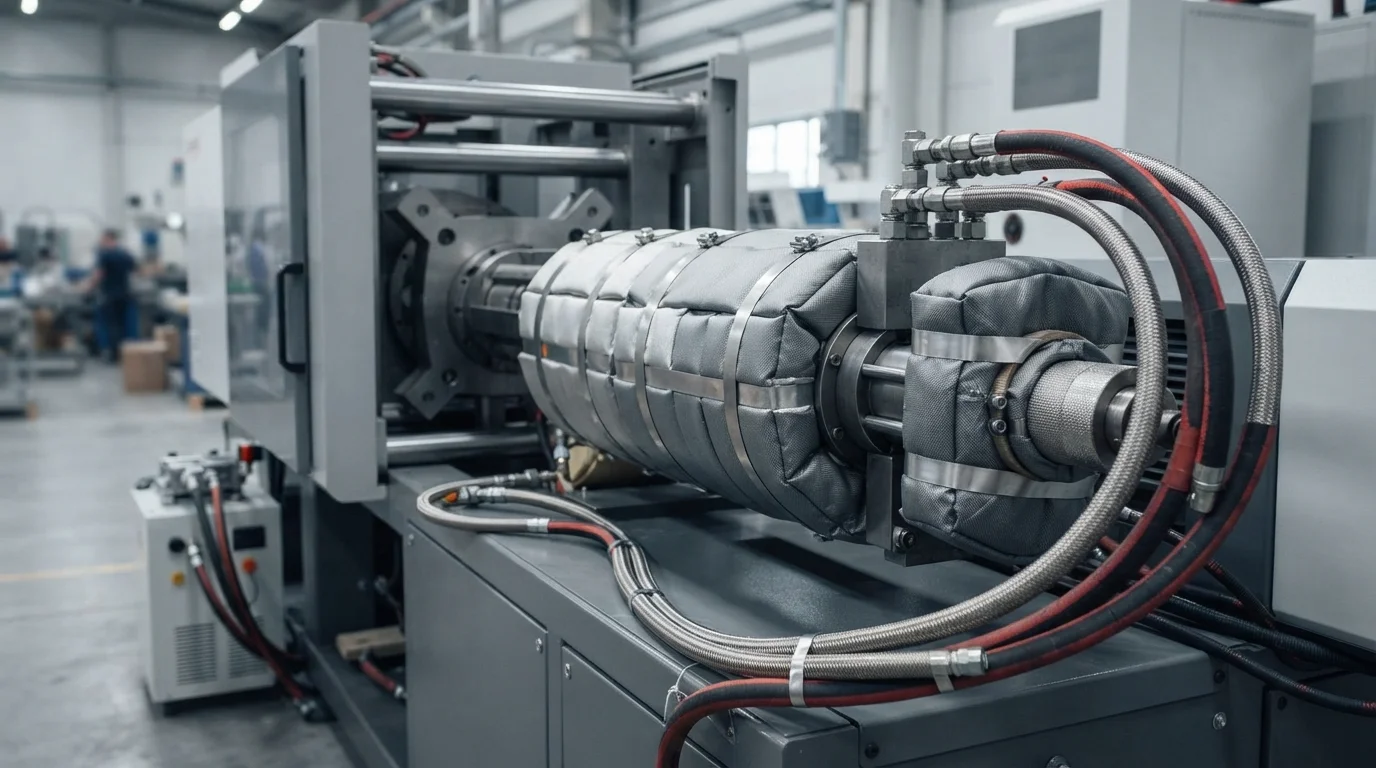
Table of Contents
Bimetallic Barrels up to 420°C & High Oil Temperature Controllers
Melting super-polymers requires barrel temperatures ranging from 360°C to 420°C. Standard injection barrels fitted with basic band heaters experience severe thermal wear and barrel seizure under these extreme operating temperatures. Equipping injection presses with specialized bimetallic barrels lined with wear-resistant tungsten carbide alloys withstands abrasive fillers and corrosive outgassing. Controlling mold core temperature is equally critical for semi-crystalline polymers. Utilizing high oil temperature controllers heats mold cavities up to 180°C to 220°C, ensuring complete polymer crystallization throughout the part cross-section. Cold mold tools quench the plastic surface prematurely, trapping amorphous skin layers that reduce mechanical strength and cause post-mold warpage.
High-temperature equipment engineering specifications include:
- Ceramic barrel insulation jackets—Installing ceramic heating bands ensures stable temperature control up to 420°C while minimizing heat loss.
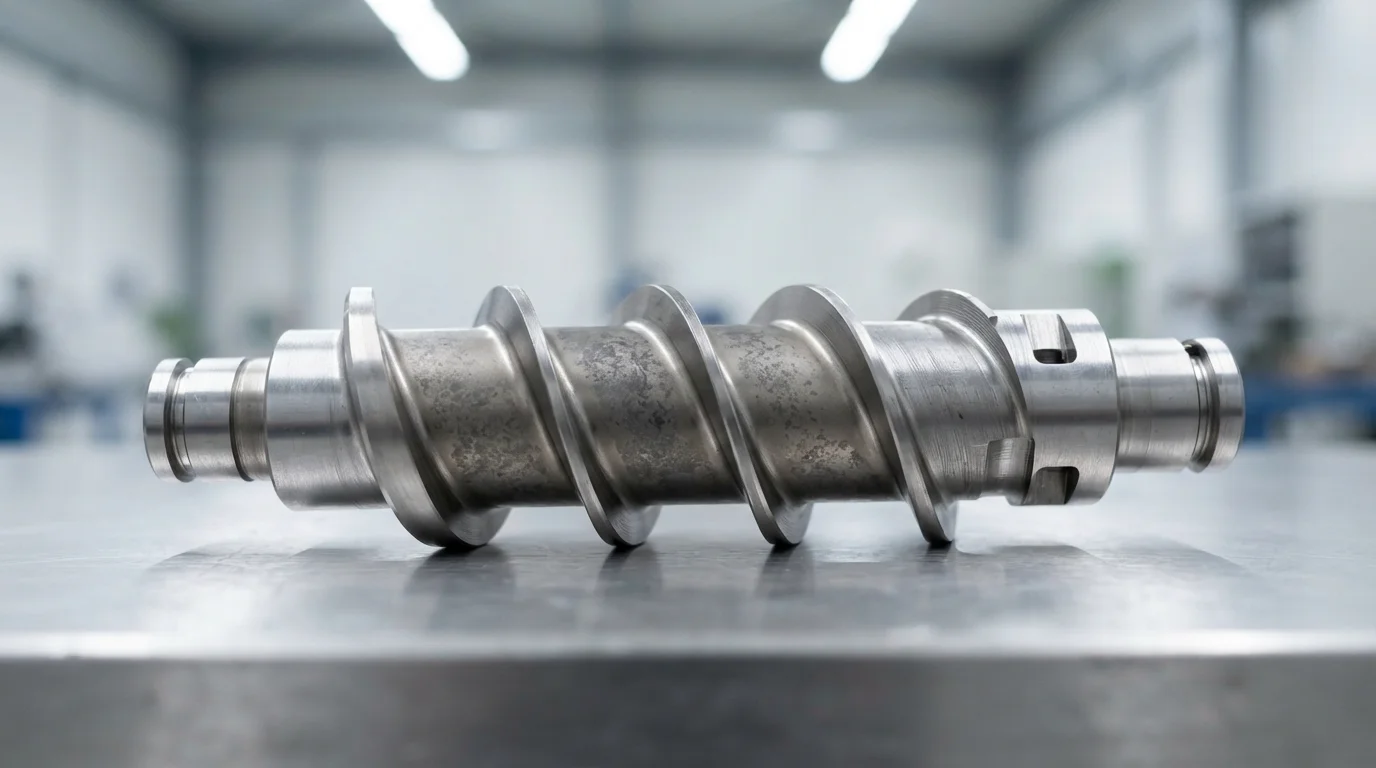
- Tungsten carbide bimetallic screws—Utilizing flight-hardened screws resists mechanical abrasion from 50% glass or carbon fiber reinforcements.
- Pressurized high-temperature oil circulation—Heating tool cavities to 200°C enables full volumetric crystallization in semi-crystalline PEEK and PPS resins.
- High-temp desiccant resin drying—Drying raw pellets at 150°C for 4 hours ensures moisture levels below 0.02% prior to melting.
Processing Glass/Carbon Fiber Reinforced Super Polymers
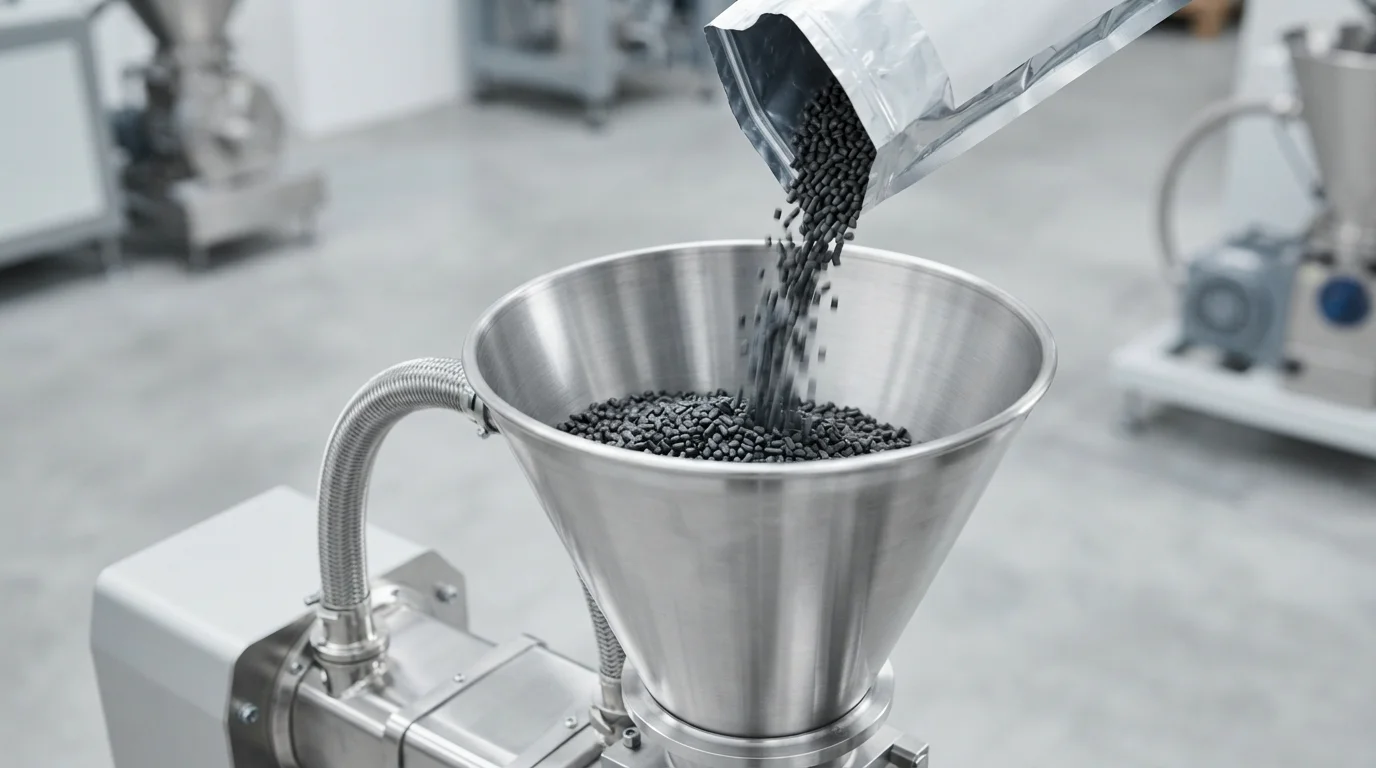
Enhancing mechanical performance involves compounding high-heat resins with carbon fiber (CF) or glass fiber reinforcement. Common thermoplastics processed in high-temperature applications include PEEK, PEI (Ultem), PPS, LCP, and PSU/PPSU. Processing highly reinforced formulations like Victrex PEEK 450CA30 or SABIC Ultem 2300 demands precise injection speed profiling. High fiber loading increases melt viscosity, requiring high injection pressures to fill thin structural ribs. Tooling engineers optimize gate locations and runner cross-sections to balance fiber orientation and minimize anisotropic shrinkage.
| Super Polymer Resin | Melt Temp Range (°C) | Mold Temp Range (°C) | HDT @ 1.82 MPa (°C) | Primary High-Heat Application |
|---|---|---|---|---|
| Victrex PEEK 450CA30 (30% CF) | 380°C – 400°C | 170°C – 200°C | 315°C | Aerospace flight brackets & thrust washers |
| SABIC Ultem 2300 (30% GF) | 360°C – 380°C | 140°C – 165°C | 210°C | Under-hood automotive sensor housings |
| Solvay Ryton R-4-200 (PPS) | 310°C – 340°C | 130°C – 150°C | 265°C | Semiconductor chemical delivery valves |
Aerospace, Semiconductor & Medical Metal Replacement Applications
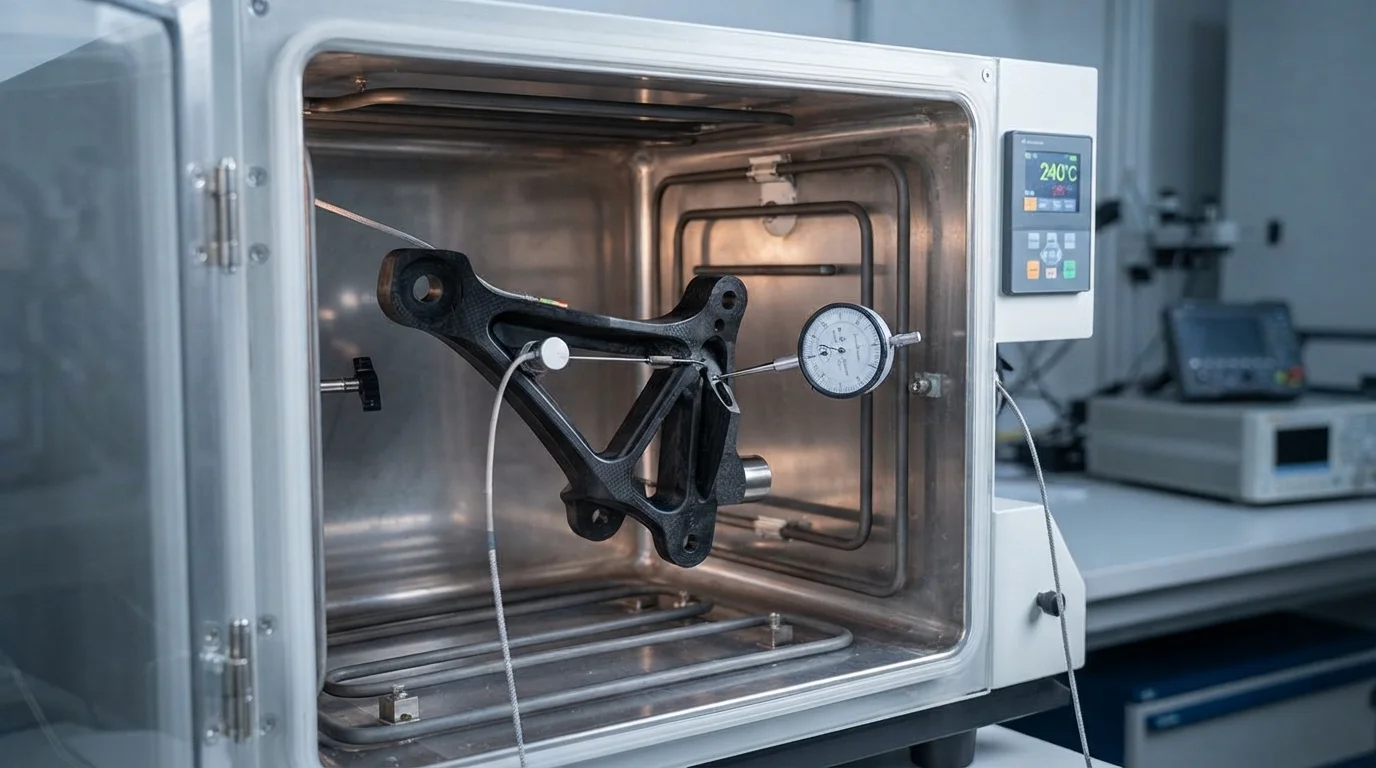
Metal-replacement applications drive demand for high-temperature polymer components across extreme operating environments. Aerospace flight-critical brackets molded from carbon-filled PEEK deliver structural strength comparable to aluminum while cutting part weight by 40%. Semiconductor manufacturing relies on PPS and PEI for wafer handling carriers because of their low outgassing and resistance to harsh plasma etching chemicals. Medical device engineering utilizes implantable PEEK grades meeting USP Class VI biocompatibility criteria for spinal cages and orthopedic trials. Operating an ISO Class 8 cleanroom molding department under ISO 13485 certification ensures sterile processing for medical implants.
Target industry metal-replacement benefits include:
- Aerospace weight reduction—Replacing titanium or aluminum brackets with carbon-filled PEEK cuts aircraft weight and improves fuel efficiency.
- Semiconductor chemical inertia—Polymers like PPS and PEI resist aggressive acid etching solutions without shedding particulate debris.
- Medical biocompatibility—Implantable PEEK grades match human bone elastic modulus while remaining radiolucent under X-ray imaging.
Frequently Asked Questions (FAQs)
Why do semi-crystalline polymers like PEEK require high mold temperatures above 160°C?
High mold temperatures permit polymer chains to align into dense crystalline structures as the melt solidifies. Inadequate mold heating quenches the outer skin into an amorphous state, severely reducing chemical resistance and causing warpage during thermal exposure.
What equipment modifications are required to mold PEEK and Ultem resins?
Molding super-polymers requires ceramic high-temperature barrel heaters capable of reaching 420°C, wear-resistant bimetallic screws, and high-temperature oil mold heaters. Desiccant dryers capable of maintaining dew points of -40°C are also mandatory to prevent hydrolytic degradation during melting.
How does carbon fiber reinforcement improve the properties of PEEK?
Adding 30% carbon fiber reinforcement substantially increases tensile strength, flexural modulus, and fatigue resistance compared to unfilled PEEK. Carbon fibers also lower the thermal expansion coefficient, providing dimensional stability approaching aluminum alloys.