
Engineering Plastics Molding
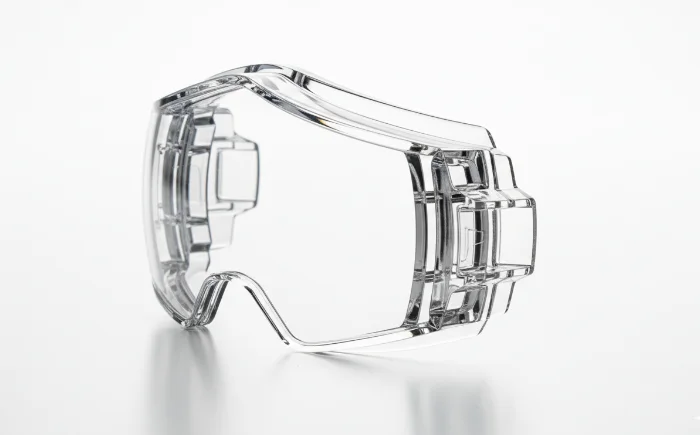
PC (Polycarbonate)
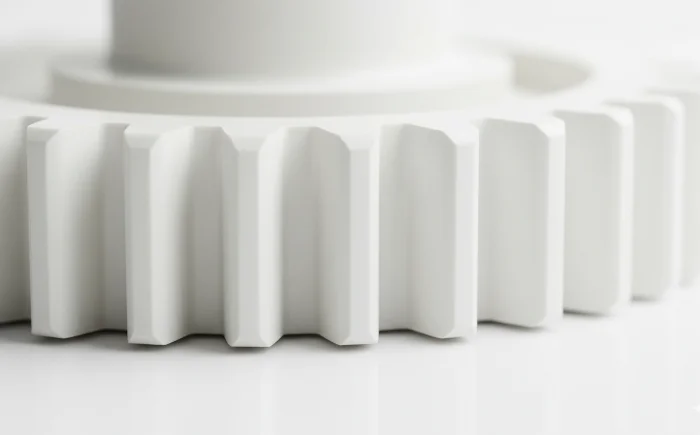
PA (Polyamide/Nylon) - PA6, PA66
POM (Polyoxymethylene/Acetal)
PBT (Polybutylene Terephthalate)
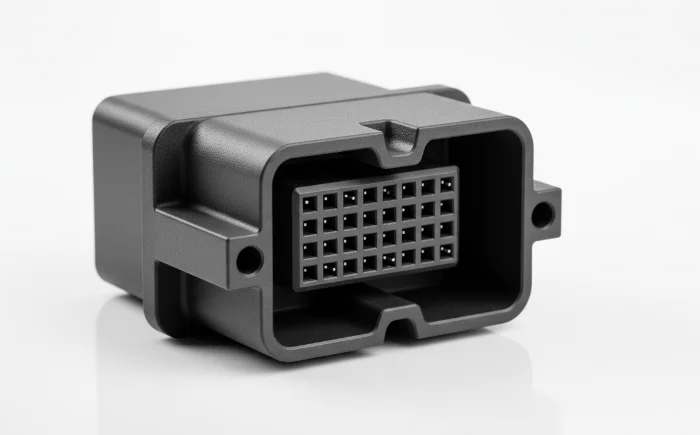
Why Partner With Us for Engineering Plastics?
01
Controlling Shrinkage & Warpage
Engineering plastics like POM have notoriously high shrink rates. Our DfM engineers calculate shrinkage precisely, utilizing our 25+ 5-axis CNCs to cut mold steel with absolute compensation for perfect final dimensions.
02
Precise Thermal Management
Materials like PC require exact mold temperatures to prevent internal stress. We engineer complex conformal cooling and heating channels into our molds for uniform, rapid thermal control during the injection cycle.
03
Certified Quality You Can Trust
Our IATF 16949 & ISO 13485 certifications are your guarantee. Every molded engineering plastic component is subjected to rigorous dimensional inspection using advanced Zeiss CMMs.
04
One-Stop Post-Molding Solutions
Engineering plastics often require secondary operations. We provide in-house ultrasonic welding, heat staking for brass threaded inserts, and precise pad printing, managing your entire project under one roof.
Proven Expertise in Demanding Industries
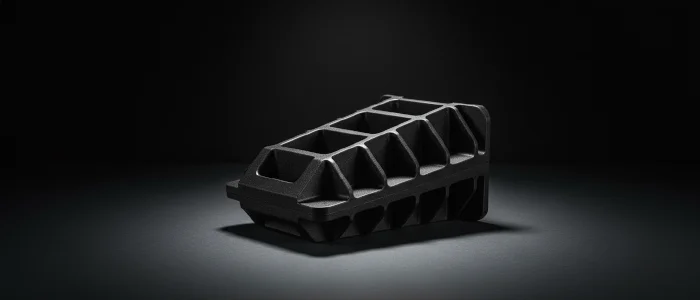
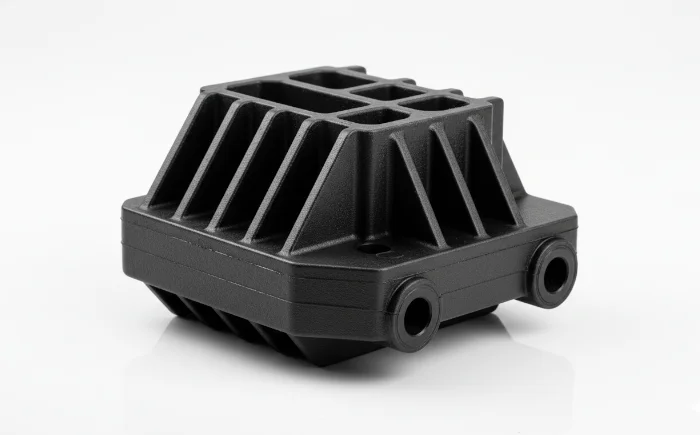
Lightweight Structural Bracket
Material: PA66 + 30% Glass Fiber
The Challenge: A client needed to replace a heavy aluminum bracket with a lightweight polymer without losing structural stiffness.
Our Solution: We molded this highly durable component using 30% glass-filled Nylon. Because glass fibers cause extreme tool wear, we machined the mold using premium hardened steel (H13). Our advanced tooling ensured perfect dimensional stability despite the material’s highly abrasive nature, passing all load tests.
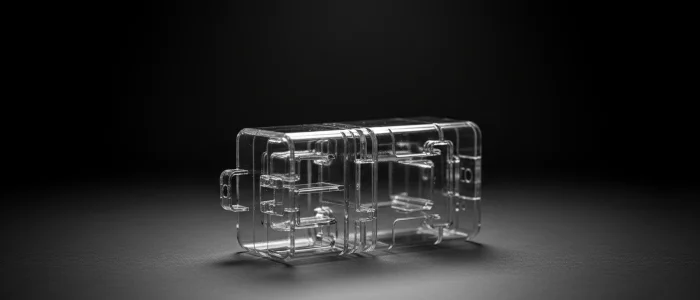
Diagnostic Device Housing
Material: Medical-Grade Polycarbonate (PC)
The Challenge: Achieving high impact resistance while eliminating internal stress (birefringence) that could cause cracking under chemical sterilization.
Our Solution: Precision-molded Polycarbonate (PC) housing. Our ISO 13485 certified process and precise hot-oil mold temperature control completely eliminated internal stress. The part achieved perfect optical clarity and passed all rigorous medical drop tests.
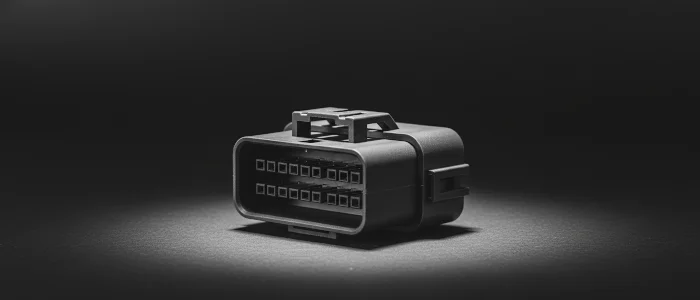
Under-Hood Electrical Connector
Material: PBT (Polybutylene Terephthalate)
The Challenge: Manufacturing a complex connector with extremely thin walls that must survive high heat and automotive fluids.
Our Solution: IATF 16949 certified production utilizing high-speed injection presses. The PBT material’s excellent electrical insulation and low moisture absorption ensured long-term reliability, while our 5-axis CNC machined mold guaranteed zero flash on the delicate connector pins.
Engineering Plastics Processing Guidelines
| Material | Average Mold Shrinkage (%) | Melt Temperature (C) | Mold Temperature (C) | Drying Required? |
|---|---|---|---|---|
| POM (Acetal) | 1.5 - 2.0% (High) | 190 - 220 | 80 - 105 | Yes (Recommended) |
| PA66 (Nylon) | 1.0 - 2.0% (High) | 260 - 290 | 70 - 90 | Yes (Critical) |
| PA66 + GF30 | 0.3 - 0.8% (Low) | 270 - 300 | 80 - 100 | Yes (Critical) |
| PC (Polycarbonate) | 0.5 - 0.7% (Low) | 280 - 320 | 80 - 120 | Yes (Critical) |
| PBT | 1.5 - 2.0% (High) | 240 - 260 | 60 - 80 | Yes (Critical) |