
Hot-runner mold maintenance is most effective when it is tied to condition, records, and the system supplier’s instructions—not an invented calendar interval. A small change in heater response, sensor readings, gate behavior, or connector condition can become a production interruption if it goes unnoticed. Build the maintenance plan around the actual manifold, nozzle, controller, resin, run history, and safe service procedure.
Establish a healthy-system baseline
Record the approved system configuration: manifold and nozzle identifiers, heater and sensor connections, controller setup, material and color, startup process, and normal operating observations. Include the source revision for any supplier instructions. This baseline helps a technician distinguish a new fault from normal variation.
Commissioning and production records should capture relevant alarms, zone behavior, startup time, purge or material-change events, gate appearance, and any process adjustment. A controller display alone is not a complete maintenance history; connect the readings to the part and the event that prompted a check.
What to inspect between runs
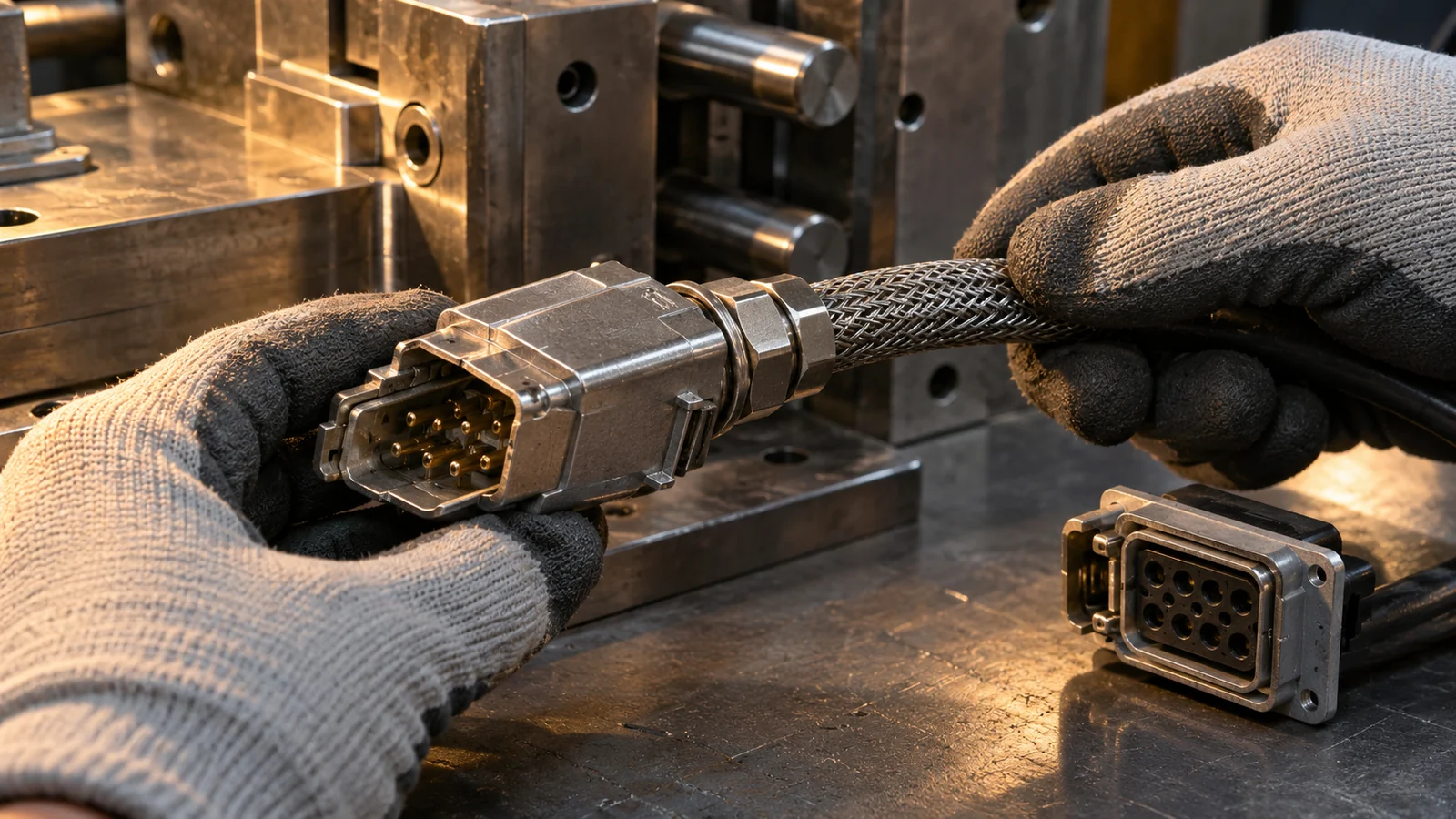
Use the system manufacturer’s safe work instructions for inspection and service. Within the approved maintenance scope, check accessible connections, wiring condition, sensor and heater identification, signs of leakage or contamination, and the condition of gate areas. Confirm that connectors are secure and protected, and that inspection does not damage wiring, sealing surfaces, or tool details.
Cleaning and purging practices must match the resin, colorant, system design, and supplier recommendations. A procedure suitable for one material or manifold may not suit another. Avoid using an unapproved tool, compound, or temperature sequence simply because it worked on a different mold.
Also review the mold’s cooling, venting, and service access. Not every defect attributed to a hot runner originates inside the manifold. A blocked vent, worn gate, damaged parting line, or changed material can produce symptoms that resemble system trouble.
Plan service without creating new defects
Before disassembly or repair, document the symptom and preserve relevant samples. Follow the approved isolation, cooling, and handling procedure; hot-runner components can retain heat and may contain pressurized or trapped material. Only qualified personnel should perform work within the applicable safety and equipment requirements.
After service, verify component identity and assembly orientation, confirm electrical connections and sensor mapping, and follow the specified startup sequence. Purge and trial under controlled conditions, then check gate behavior and part acceptance. A system that heats normally may still need process verification before it is returned to production.
Make maintenance records useful

| Record | Why it helps |
|---|---|
| Date, tool, and system component | Connects the event to a specific configuration. |
| Alarm or observed symptom | Shows what triggered the work rather than only what was replaced. |
| Material, color, and run context | Helps separate equipment change from material or process change. |
| Inspection or repair performed | Creates a traceable maintenance history. |
| Post-service trial and part result | Confirms whether the original acceptance issue was resolved. |
Keep the entry factual. If the root cause is uncertain, mark it as a hypothesis and note what evidence would confirm it. This prevents a temporary correlation from becoming an undocumented maintenance rule.
Signals that deserve investigation
- repeated alarms or a zone that behaves differently from its established baseline;
- new leakage, unusual gate residue, or a change in shutoff behavior;
- connector, cable, sensor, or heater damage;
- defects that return after a material or color changeover;
- maintenance work followed by a new cavity-specific or shot-wide quality shift.
Use the supplier’s documentation to determine the correct inspection and service limits. For the broader hot-runner mold approach, consider serviceability and maintenance access during tool design, not only after a production issue occurs.
FAQ
How often should a hot-runner system be serviced?
There is no universal interval. Follow the system supplier’s instructions and use run conditions, material, alarms, wear history, and observed performance to set the maintenance plan.
Can I use the same cleaning procedure for every resin?
No. Purging or cleaning procedures should be confirmed for the resin and system. An unsuitable material or sequence can create contamination or damage.
Should the mold return to production immediately after a repair?
Not without verification. Check assembly, connections, startup behavior, gate condition, and molded-part acceptance under a controlled trial before resuming the approved production route.