
Multi-cavity injection mold cost is shaped by more than the number of repeated cavities. The estimate also reflects how the tool distributes melt, removes heat, releases parts, fits the intended press, and supports cavity-level quality control. When comparing quotes, ask what design and validation assumptions are included; two tools with the same nominal cavity count can carry different engineering and operating risks.
What the tool has to do
A multi-cavity mold produces copies of the same part, so its design must feed and cool each cavity consistently while remaining serviceable. The tool may need runner balancing, a carefully planned cooling network, adequate ejection, and access to maintain gates, vents, and cavity details. Part geometry influences each of these choices.
A small part is not automatically a simple multi-cavity tool. Thin walls, long flow paths, tight appearance zones, deep cores, or features that complicate ejection can increase design and validation work. Tool steel and mold-base choices should follow expected production requirements and maintenance needs, not an unsupported assumption that one material or standard construction suits every program.
Why cavity count is only one cost driver
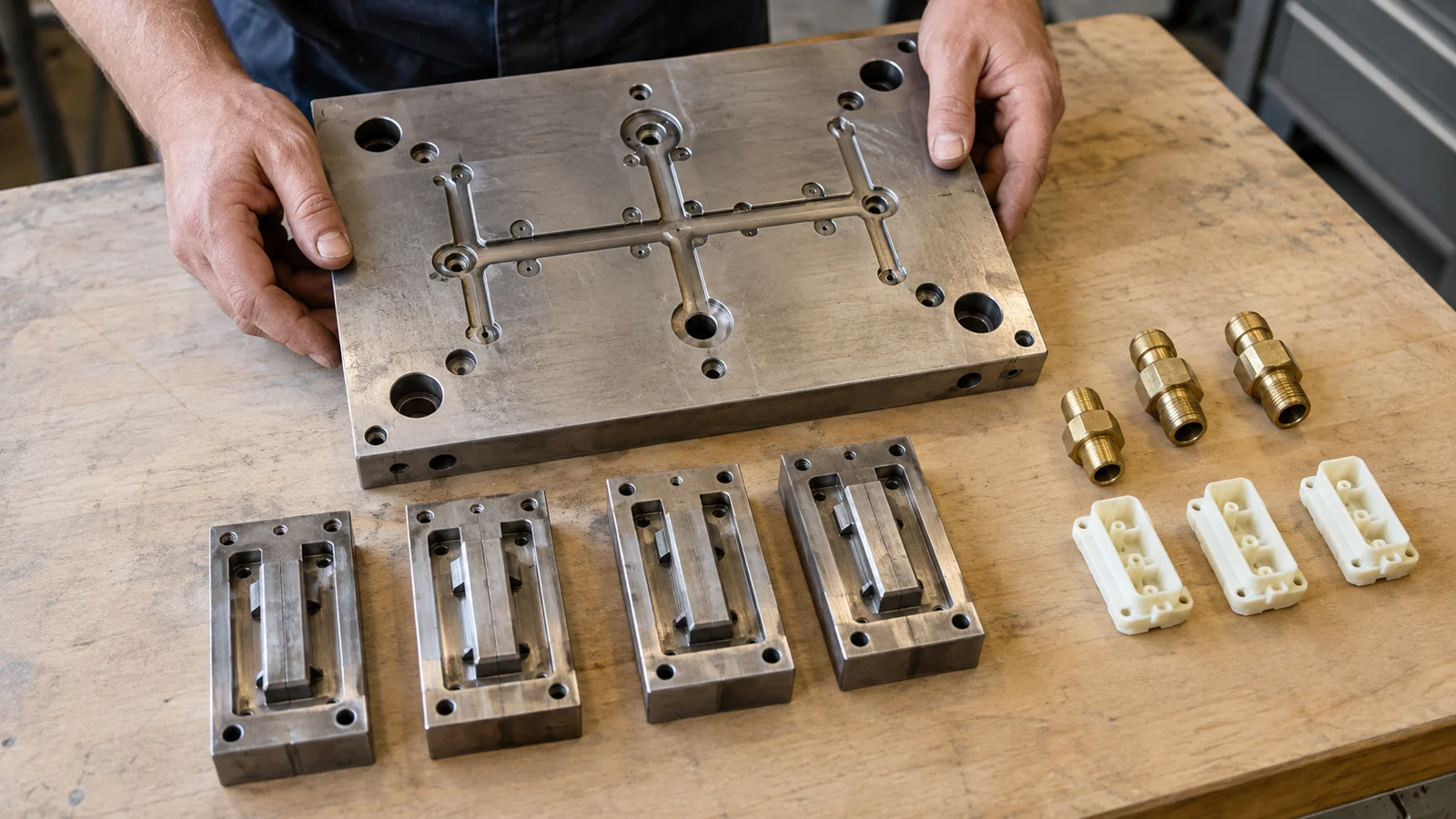
More cavities generally add replicated cavity features and increase the amount of tool that must be balanced, cooled, and checked. But cost does not rise in a universal straight line with cavity count. The part design, cavity arrangement, runner type, machine compatibility, steel strategy, and required serviceability can change the relationship.
| Quote element | Ask what is included |
|---|---|
| Cavities and mold base | How many repeated cavities, what base configuration, and what wear or service features are specified? |
| Runner and gating | How will flow be balanced, and are hot-runner components or controls included where applicable? |
| Cooling and ejection | What cooling access and ejection approach are planned for the actual geometry? |
| Engineering | Are design review, simulation, trial adjustments, and dimensional checks included or separate? |
| Maintenance | Can cavity details be serviced or replaced independently, and are spare inserts part of the proposal? |
Use the table to expose scope differences, not to assume every feature is required. Ask the supplier to identify exclusions and assumptions in plain language. That makes the estimate useful for a route decision rather than just a price comparison.
Validation and production controls
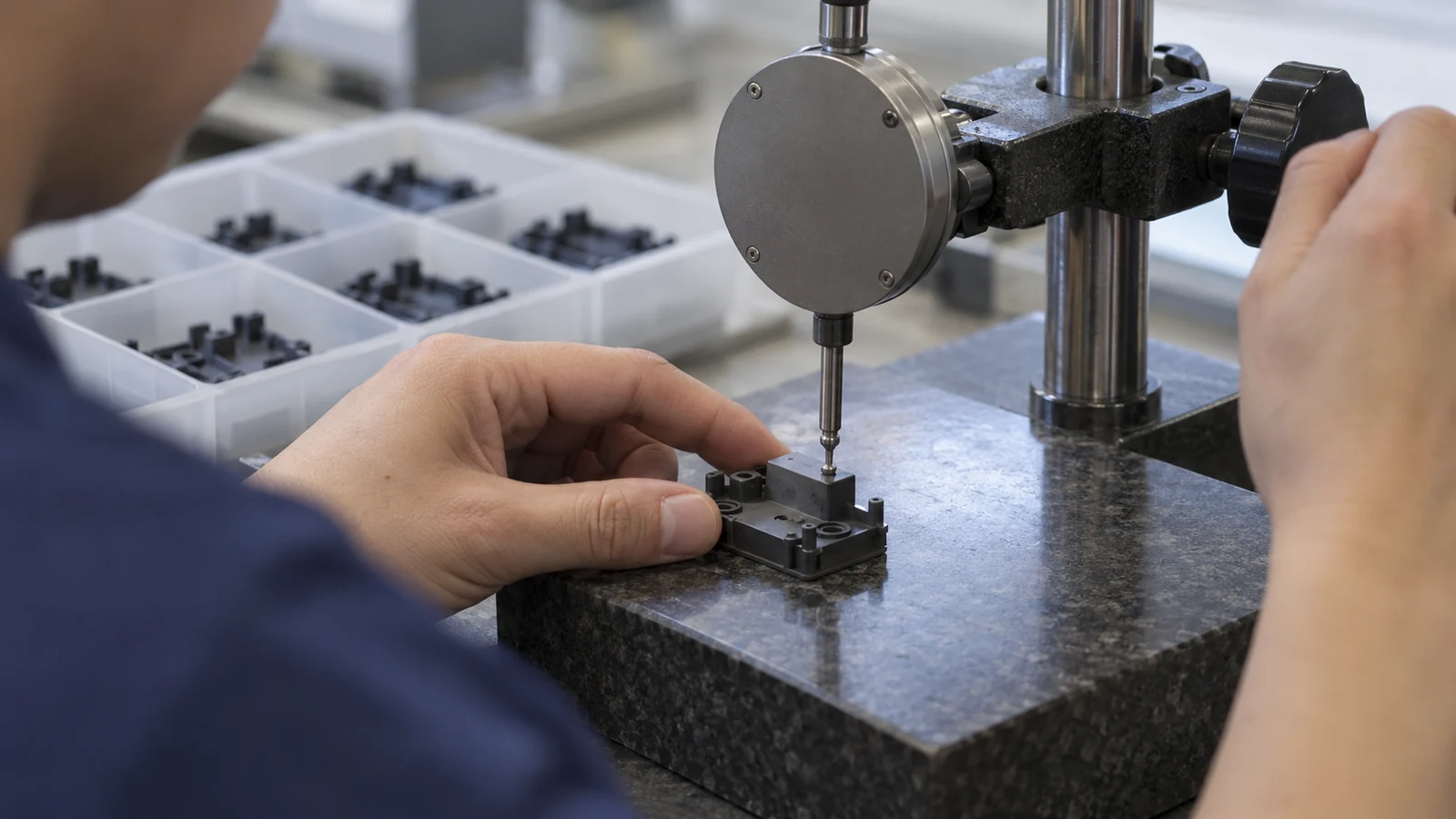
Every cavity must make parts that satisfy the drawing and appearance criteria. Validation should account for cavity-to-cavity differences, not only an average measurement across a mixed sample. When the part has critical dimensions or cosmetic requirements, agree on how parts will be associated with cavity positions and how results will be recorded.
Trial time, sampling, measurement, and corrective work can affect project cost and schedule. The needed scope depends on product risk and customer requirements. Avoid comparing a quote that includes a defined validation plan with one that only covers tool construction as if the scope were identical.
Production cost also depends on how the tool operates on the available machine. Shot capacity, clamp requirements, cycle constraints, material handling, and operator checks affect whether the proposed cavity count is practical. Confirm those assumptions before treating nominal parts-per-cycle as an economic benefit.
How to compare two quotes fairly
- Align the CAD revision, resin grade, color, and part requirements.
- Compare cavity count and layout, runner system, cooling, ejection, and service features.
- Separate tool construction from design, trial, validation, and spare-component scope.
- Confirm target press assumptions and how production performance will be evaluated.
- Compare expected lifecycle needs, including changes, repairs, and cavity-level inspection.
For the service-page overview of this tooling route, see multi-cavity injection mold tooling. A useful estimate explains the design choices behind the price and the risks that remain to be validated.
What to send for a useful estimate
- 3D CAD and 2D drawing with the current revision;
- resin manufacturer, grade, color, and any known material requirements;
- annual demand, order releases, and expected production duration;
- critical dimensions, cosmetic zones, inspection method, and acceptance criteria;
- known press constraints, validation expectations, and maintenance preferences.
If any of these are undecided, list them as open assumptions. That is more useful than presenting a false-precision cost figure before the tool concept and production route are defined.
FAQ
Does each added cavity add the same amount to mold cost?
No. Replication adds work, but the impact depends on layout, part features, runner and cooling design, maintenance strategy, and validation scope. Request a scope breakdown rather than applying a fixed per-cavity multiplier.
Should validation be included in the tooling quote?
It should at least be explicitly scoped. Trial runs and checks may be included, separately priced, or defined by another project agreement. Compare the included work before evaluating the total.
Can a lower cavity count be cheaper overall?
Yes, if it reduces tool complexity or better fits demand and machine constraints. It may also require more shots. Compare the full production route under the same volume and quality assumptions.