Why Low Pressure Molding Replaces Potting and Epoxy

Encapsulating fragile electronic assemblies, printed circuit boards (PCBs), and delicate micro-sensors requires specialized packaging techniques that prevent mechanical crush damage. Traditional high-pressure thermoplastic molding exerts extreme hydraulic force that snaps gold wire bonds and crushes delicate surface-mount components. Liquid epoxy two-part potting provides gentle encapsulation, but long curing times extending across hours severely restrict daily manufacturing throughput. This technical guide reviews solvent-free hot melt processing, low-stress clamping mechanics, and environmental sealing standards.

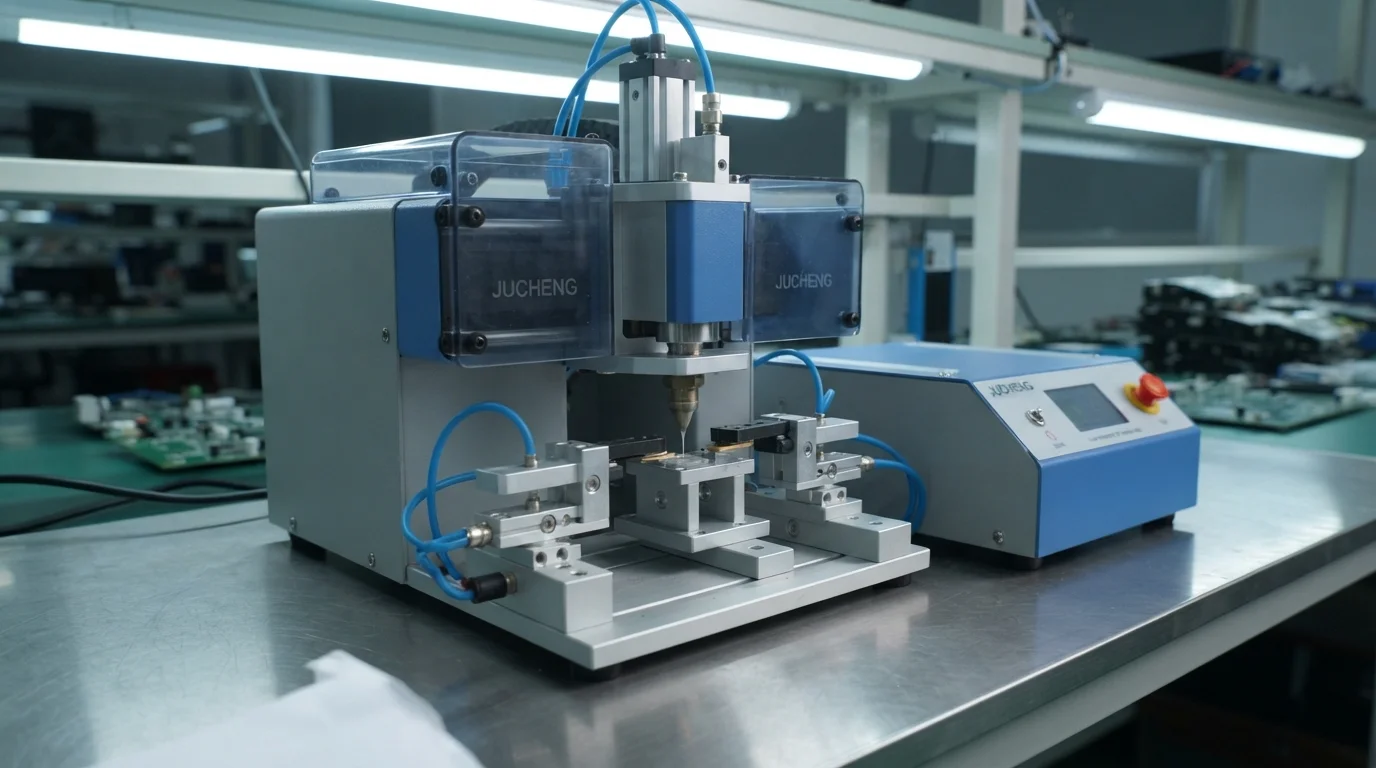
low-pressure-hot-melt-injection-machine

목차

Polyamide Hot Melt Encapsulation for PCB Boards, Sensors & Harnesses

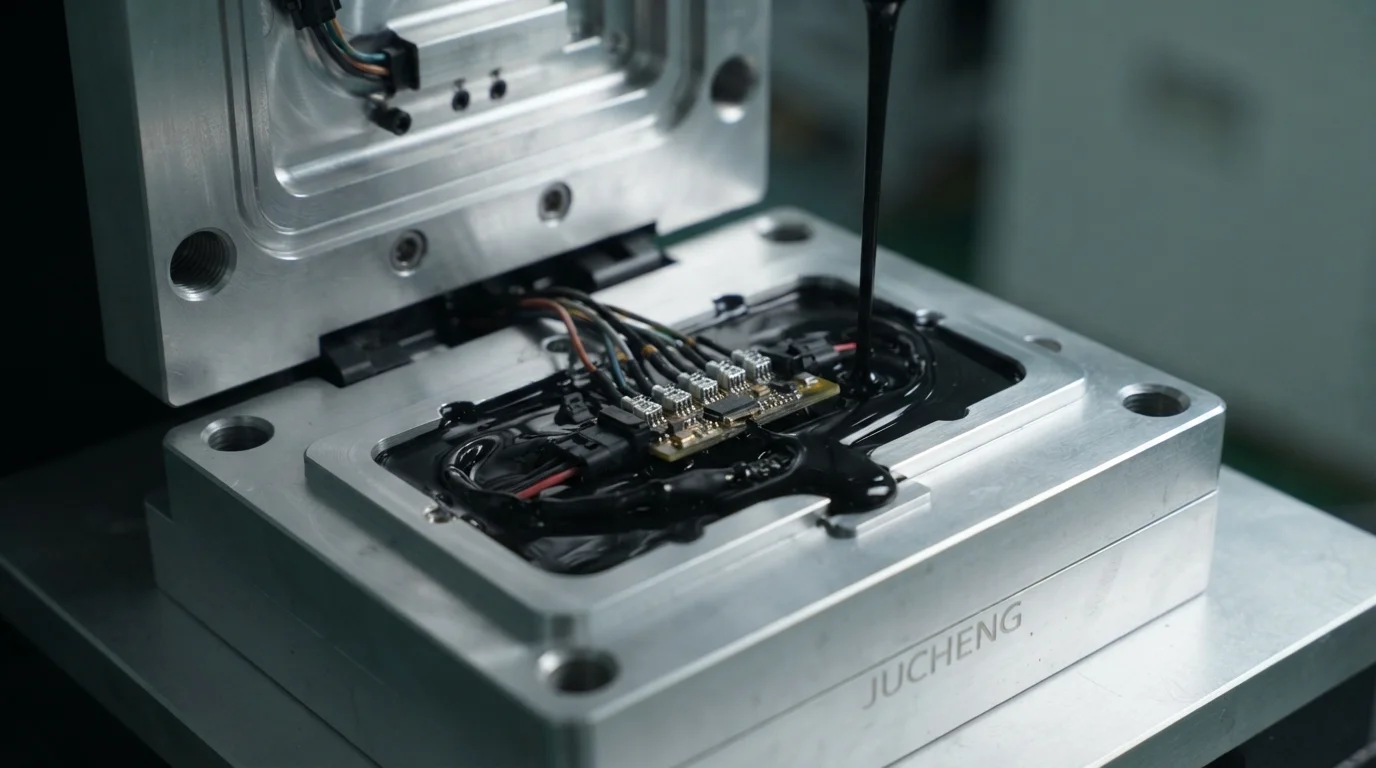
polyamide-hot-melt-sensor-encapsulation

Executing gentle low pressure molding utilizes low-viscosity hot melt polyamide (PA) resins to encapsulate sensitive electronics safely. Operating injection pressures from 1.5 to 3.0 MPa—roughly 10% of standard injection molding pressure—prevents physical damage to fragile solder joints. Processing temperatures between 190°C and 230°C quickly melt the dimer-acid based polyamide pellets without transferring damaging heat to underlying circuit boards. Single-component dimer polyamides flow freely into complex housing geometries, forming a seamless dielectric jacket. Solidifying within 15 to 45 seconds accelerates assembly speeds compared to liquid potting techniques.

Low pressure encapsulation processing steps include:

  1. Low-pressure melt delivery—Pumping low-viscosity hot melt resin at 1.5 to 3.0 MPa prevents mechanical crushing of surface-mount components.
  2. Aluminum mold thermal dissipation—Utilizing lightweight aluminum tools cools the polyamide melt rapidly, minimizing thermal exposure time.
  3. Direct housing encapsulation—Injecting resin directly over exposed circuit boards eliminates the need for separate outer plastic shells.
  4. Fast physical solidification—Cooling molten polyamide within 30 seconds enables immediate downstream handling and electrical testing.

Protecting Fragile Electronics from Pressure, Moisture & Vibration

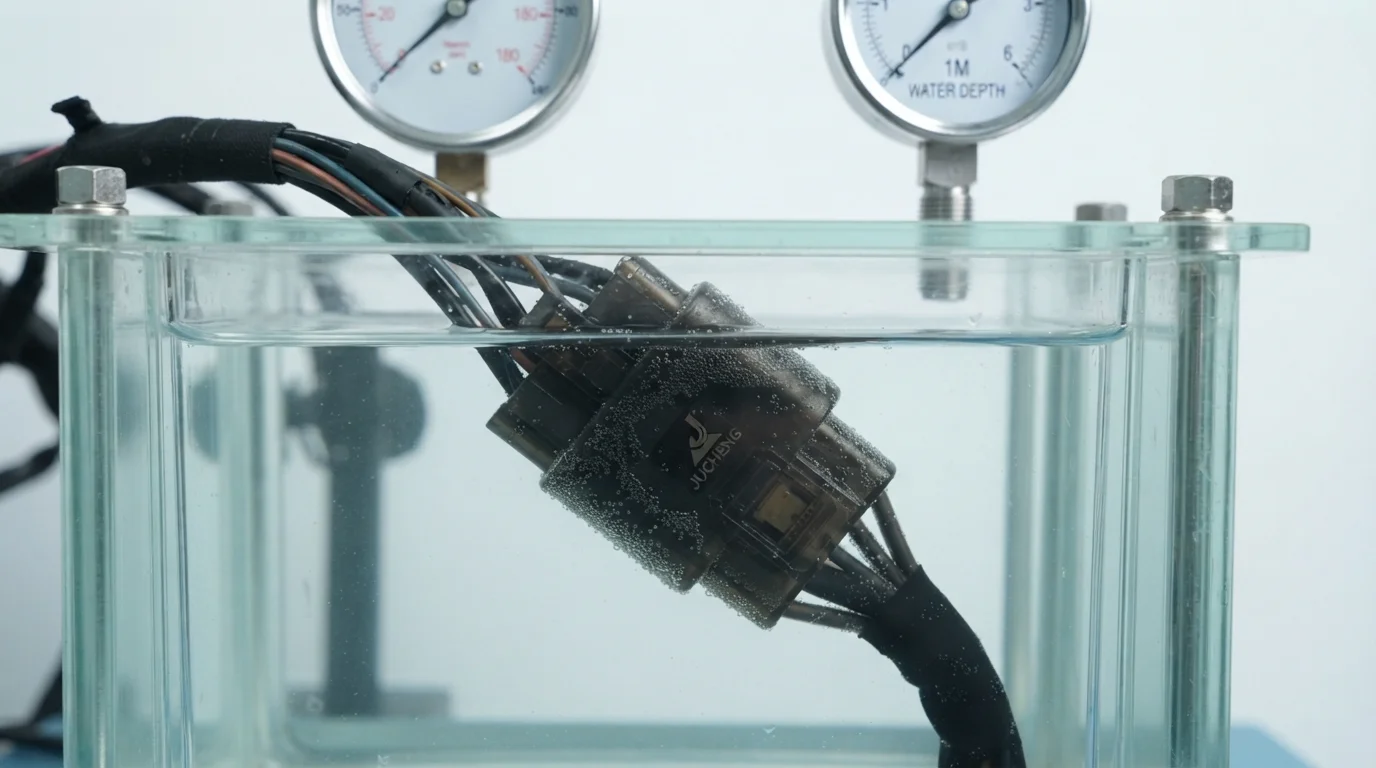
ip67-waterproof-cable-overmolding

Environmental sealing performance achieves stringent IP67 and IP68 waterproof ratings across demanding automotive under-hood and industrial environments. Dimer-based polyamides adhere naturally to electronic substrates, flexible cable jackets, and connector pins made of polycarbonate (PC) or PVC. Forming a continuous chemical bond prevents moisture, salt spray, and automotive fluids from penetrating sensitive electronic circuits. Elastic properties inherent in hot melt materials absorb mechanical road vibration and prevent flex fatigue along cable strain relief zones. Deploying low pressure molding for electronic sensors safeguards sensitive internal components against thermal shock and mechanical impact.

IP67 Waterproof Overmolding with Low Thermal Stress

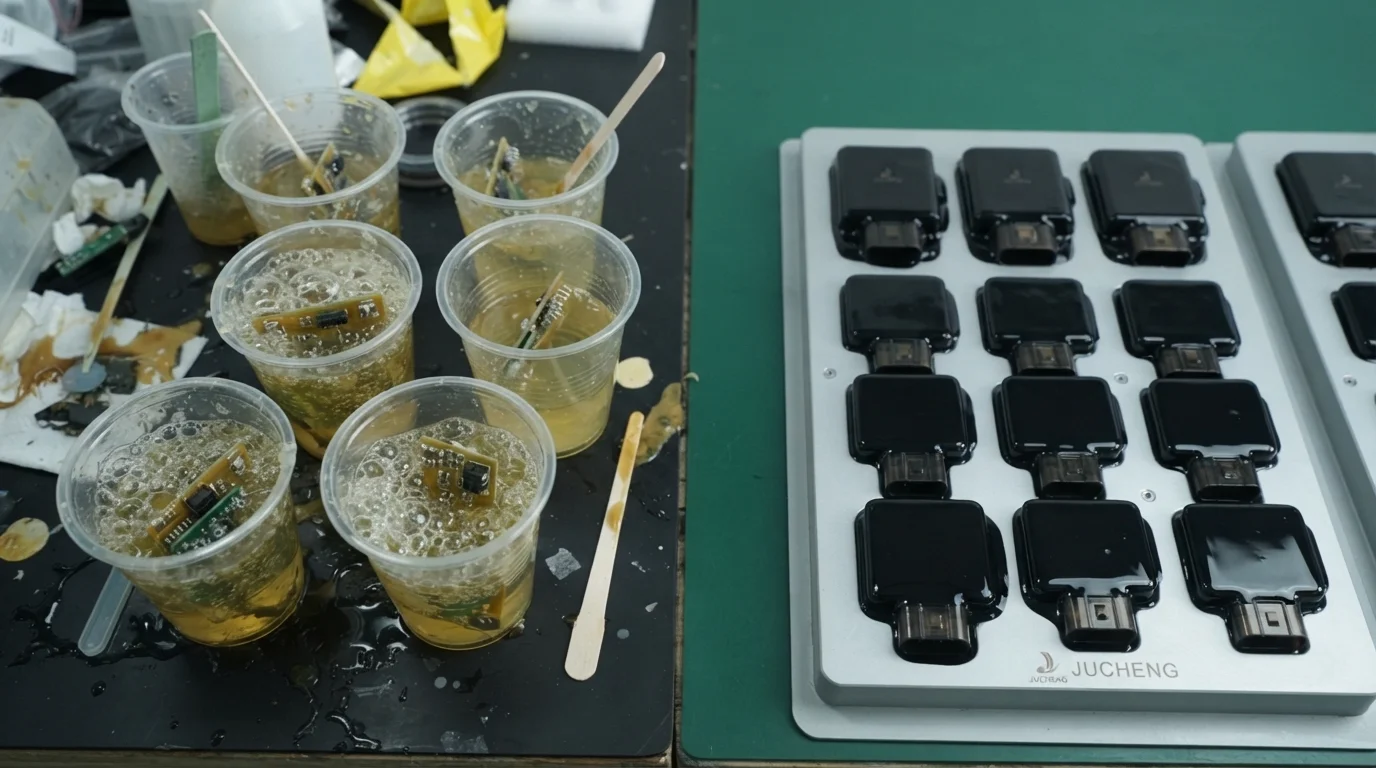
low-pressure-molding-vs-potting

Comparing IP67 waterproof overmolding using low-pressure hot melt against two-part epoxy casting reveals major production advantages. Liquid potting requires multi-station curing racks, expensive mixing nozzles, and toxic chemical handling procedures that complicate cleanroom operations. Hot melt polyamides are non-toxic, solvent-free thermoplastics that melt and cool through purely physical state changes. Zero curing time eliminates inventory bottlenecks, while low clamp-force machines dramatically cut tooling equipment costs. Engineers specifying low pressure molding for sensor encapsulation achieve waterproof protection with minimal thermal stress.

Packaging Technology Injection Pressure (MPa) Processing Cycle Time Environmental Sealing Rating Wire Bond Damage Risk
Low Pressure Molding (PA Hot Melt) 1.5 – 3.0 MPa 15 – 45 Seconds IP67 / IP68 Waterproof Zero Risk (Gentle melt delivery)
Traditional Liquid Epoxy Potting 0.1 – 0.5 MPa (Gravity/Low) 2 – 24 Hours (Chemical cure) IP67 Water Resistant Low Risk (Long chemical exposure)
Standard High-Pressure Injection 50 – 150 MPa 30 – 60 Seconds IP65 – IP67 High Risk (Hydraulic wire shearing)

자주 묻는 질문 (FAQ)

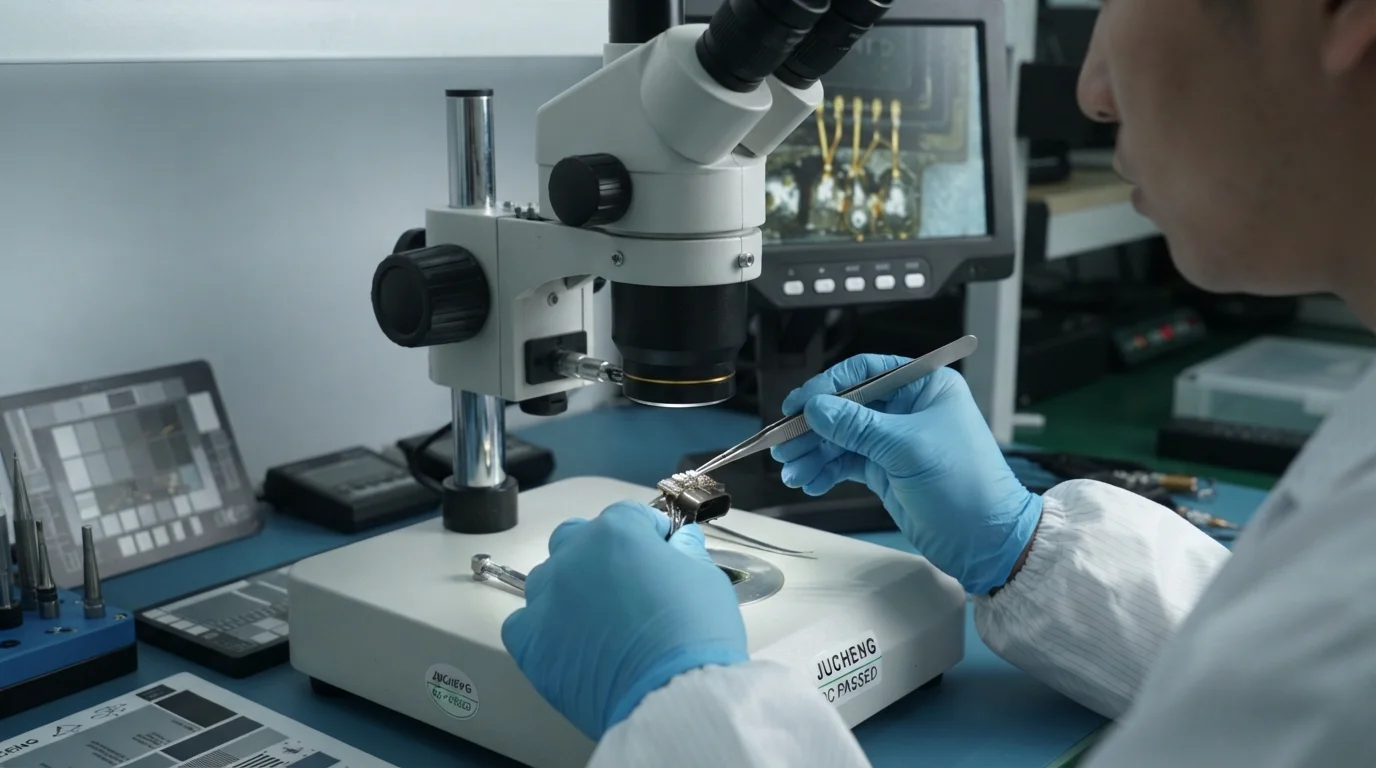
inspecting-encapsulated-sensor-solder-joints

Why does low pressure molding not damage delicate gold wire bonds on PCBs?

Low pressure molding operates at injection pressures between 1.5 and 3.0 MPa, which is vastly lower than standard injection pressures exceeding 80 MPa. Gentle fluid pressure allows molten polyamide to flow smoothly over exposed solder joints and gold wire bonds without applying mechanical shear force. Low thermal mass of the thin plastic skin also cools rapidly, preventing thermal degradation of underlying electronic components.

What is the difference between polyamide hot melt encapsulation and traditional potting?

Traditional potting pours liquid two-part epoxy or polyurethane into a pre-molded outer plastic housing, requiring several hours to cure chemically. Low pressure molding injects solvent-free hot melt polyamide directly over the electronics, serving as both the housing and seal. Physical cooling completes within 30 seconds, eliminating outer shell costs and accelerating manufacturing throughput.

Can low-pressure molded sensors pass IP67 water immersion testing?

Polyamide hot melt resins form strong adhesive bonds with wire PVC insulation, PCB substrates, and plastic connector housings. Creating a continuous molecular seal along cable entry points prevents moisture and dust ingress under 1-meter water immersion. Material adhesion withstands severe thermal shock cycling between -40°C and 125°C without delaminating.

프로젝트를 시작할 준비가 되셨나요?

CAD 파일을 업로드하고 24시간 이내에 전문 DfM 피드백과 함께 무료 견적을 받아보세요.

무료 견적 받기